
Understanding Types of Risk Management
⚖️ Learn how financial, operational, strategic, and compliance risk management protect Nigerian businesses from losses. Gain practical insights on managing uncertainties today.
Edited By
Charlotte Hayes
Risk management is the process businesses use to spot, evaluate, and control risks that could affect their capital and earnings. For traders, investors, brokers, and financial analysts in Nigeria, understanding risk management is essential, especially with the unpredictable market swings during ember months and currency fluctuations.
In simple terms, risk refers to the chance of losing money or suffering operational setbacks due to unforeseen events. These risks could be financial, like currency devaluation impacting importers, or operational, such as power outage disruptions increasing generator expenses.

Effective risk management involves several key steps:
Identification: Pinpointing potential risks before they happen, like inflation effects on supply costs or policy changes by the Central Bank of Nigeria (CBN).
Assessment: Measuring how likely these risks are and what impact they might have. For example, a 10% naira depreciation could raise cost of imported machinery by ₦5 million.
Control: Implementing strategies to minimise or avoid risks. This might include hedging foreign exchange exposure through forward contracts or diversifying investments across sectors.
Risk management isn't about avoiding risks completely but managing them wisely to protect your business’s bottom line.
For Nigerian companies, applying risk management is not optional. The local economy often faces factors such as fuel scarcity, inconsistent power supply, exchange rate volatility, and regulatory changes, all of which could expose businesses to serious financial pressures.
Consider a Lagos-based manufacturing firm. Without a solid risk plan, it might lose millions during a prolonged power outage forcing use of expensive diesel generators. But with risk management, it can adopt contingency plans like alternative energy sources or contract clauses protecting against supply delays.
In summary, risk management enables you to anticipate challenges and respond swiftly—turning potential setbacks into manageable situations. This foundation sharpens decision-making and builds resilience against Nigeria’s dynamic business environment.
Risk management is vital for anyone involved in trading, investing, or business in Nigeria. It means the process of identifying what could go wrong, assessing how bad the impact might be, and taking steps to reduce or eliminate those risks. For example, a Lagos-based textile company faces risks from fluctuating foreign exchange rates that make importing materials expensive; managing that risk can protect profit margins. This helps businesses stay afloat and make better decisions, especially during uncertain times like ember months, when market shifts and operational disruptions often spike.
At its core, risk management is about foreseeing potential problems before they happen and preparing to handle them effectively. The purpose is not to avoid risks entirely—because some risks are unavoidable—but to reduce their negative effects on capital, earnings, or reputation. Take an investor who diversifies a portfolio across sectors like agriculture, fintech, and manufacturing. By doing so, they spread risks instead of putting all their money in one sector, which might be vulnerable to regulation changes or market dips.
In practical terms, risk management aims to help organisations safeguard resources, ensure continuous operations, and improve resilience. Nigerian businesses relying on unstable electricity supply might invest in generators, a risk mitigation strategy, to keep production running despite power outages. These actions help protect value and support long-term growth.
It’s important to distinguish between risk and uncertainty as they affect decision-making differently. Risk involves situations where outcomes are unknown, but probabilities can be estimated based on historical data or analysis. For instance, a broker predicting stock price movements might assign probabilities based on market trends and economic indicators.
Uncertainty, on the other hand, refers to situations where neither outcomes nor their probabilities are clear. Consider the introduction of new government policies without clear guidelines or sudden geopolitical tensions that disrupt trade routes—these circumstances defy accurate prediction. Hence, companies facing uncertainty may focus more on flexibility and rapid response instead of calculated risk exposure.
Understanding this difference helps traders and businesses decide when to rely on quantitative analysis and when to prepare for unexpected shocks.
In summary, knowing what risk management means involves recognising its purpose to protect resources and making clear distinctions between predictable risks and uncertain events. This foundation allows Nigerian investors and enterprises to practice more effective mitigation and boost operational stability.
Risk management aims primarily to shield an organisation’s financial assets and reputation from unforeseen threats. This helps businesses maintain stability, especially in Nigeria's volatile economic environment. For example, a Lagos-based textile manufacturer could face fluctuating cotton prices or power outages that disrupt production. Effective risk management ensures these factors do not cripple day-to-day operations or long-term profitability.
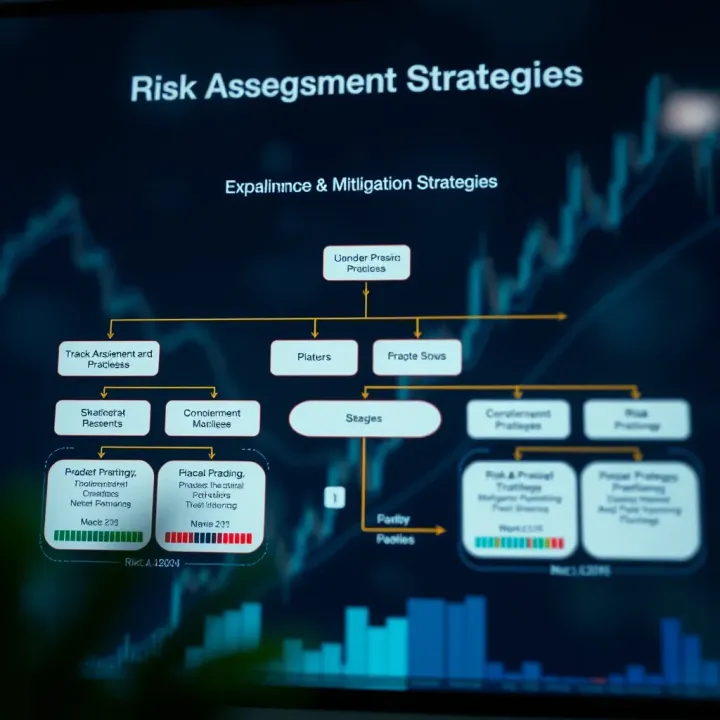
The primary focus in risk management involves safeguarding an enterprise’s financial resources. Losses caused by bad debts, currency fluctuations, or failed investments directly hit the bottom line. Consider a fintech startup in Abuja relying on foreign exchange transactions: sharp naira depreciation could erode their revenue unless hedged properly. Besides finances, businesses must protect their reputation. For a brand like Jumia Nigeria, any data breach or poor customer service incident can quickly spiral into loss of consumer trust and market share.
Managing these risks means establishing internal controls to detect fraud, maintaining adequate insurance coverage, and preparing contingency funds. Businesses that neglect these steps risk suffering heavy financial blows or public scandals that become costly to repair.
Protecting capital and reputation is not just an insurance policy but a necessity to sustain competitive advantage and long-term growth.
Risk management also improves the quality of decision-making and strategy formulation. When risks are clearly identified and evaluated, leaders can choose options with informed confidence. For instance, a Nigerian agribusiness wanting to expand into drought-prone regions would rely on risk assessments to decide on irrigation investments or crop diversification.
With accurate risk data, financial analysts and investors can gauge the sustainability of ventures more realistically. It allows for resource allocation that balances risk and reward rather than gambling blindly. Additionally, regular risk reviews help adjust strategies as market conditions change, such as during periods of fuel scarcity or new regulatory policies by the Central Bank of Nigeria (CBN).
In summary, the ability to anticipate challenges sharpens strategic planning and reduces surprises, enabling firms to navigate Nigeria’s complex business environment with greater assurance and resilience.
Managing risk isn't just about spotting danger; it's a systematic approach that helps organisations stay afloat and thrive, especially in unpredictable environments like Nigeria’s business climate. Each step in risk management serves a specific role, ensuring that risks are properly handled, reducing potential losses, and enabling better decisions.
This is the foundation. You must clearly identify what could threaten your business or investment. For instance, a Lagos-based textile company might face supply chain delays due to fuel scarcity or strike actions. Identifying these risks early means you can prepare ahead instead of being caught off guard during ember months when demand spikes but also disruptions tend to worsen.
Not all risks carry the same weight. After identification, it’s essential to understand the impact and likelihood of each risk. Think of a trading firm considering currency fluctuations. If the Nigerian Naira weakens against the dollar, the cost of imported goods rises, directly affecting profit margins. Analysing helps prioritise which risks need immediate attention and which can be monitored over time.
Once you've evaluated risks, the next move is deciding how to deal with them. For example, a small agricultural business might take these approaches:
Mitigation: Using local inputs to reduce dependency on imports vulnerable to forex shortages
Transfer: Opting for insurance policies against theft or flood
Accept: Tolerating minor risks like occasional power outages, factoring generator costs into budgets
Avoid: Steering clear of regions prone to heavy flooding during rainy seasons
Each response depends on cost, feasibility, and potential business impact.
Risk management isn’t a one-off task. The Nigerian business environment changes fast – political shifts, regulatory updates, or market dynamics can alter risk profiles. A fintech firm, for example, must continually monitor cybersecurity threats and regulatory compliance to avoid sanctions and customer losses. Regular follow-ups and adjustments to strategies ensure resilience.
Continual risk assessment keeps your enterprise agile, reducing surprises and improving trust with stakeholders.
By following these steps carefully, traders, investors, and financial professionals can better secure their interests and navigate Nigeria’s dynamic markets with more confidence and foresight.
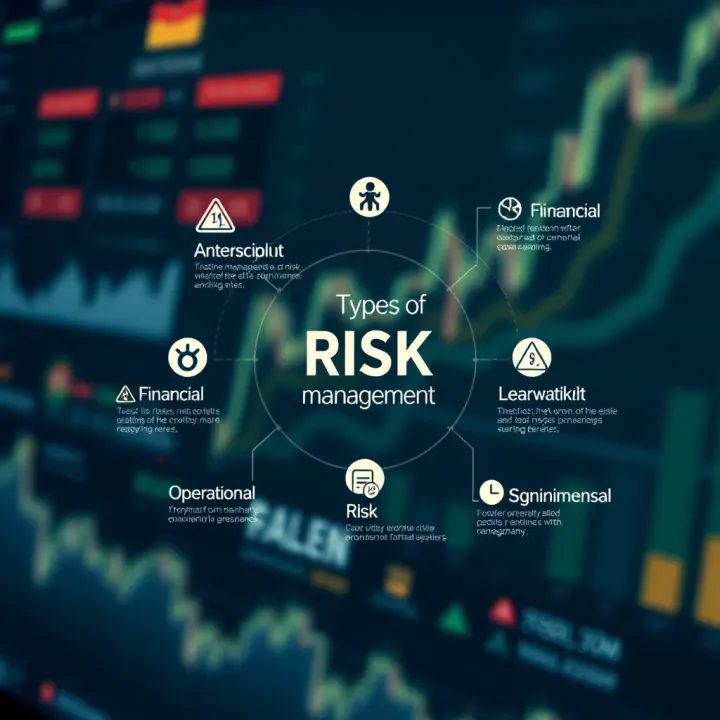
Understanding the different kinds of risks facing Nigerian businesses is vital for effective risk management. These risks can directly affect profitability, reputation, and operational continuity if not handled properly. By recognising the distinct categories of risks, traders, investors, financial analysts, and brokers can better prepare strategies that fit Nigeria’s unique market landscape.
Financial and market risks mainly involve potential losses from currency fluctuations, interest rate changes, or market volatility. In Nigeria, the naira's instability against the dollar is a prime example. For firms relying on imported raw materials or equipment, sudden naira depreciation inflates costs, squeezing profit margins. Additionally, volatile commodity prices—such as oil and agricultural products—can disrupt revenue forecasts. For instance, a sudden drop in crude oil prices often impacts government revenues and spill over to affect many businesses indirectly.
Investors and traders also face risks linked to market sentiment and liquidity, especially on the Nigerian Stock Exchange (NGX). Sharp changes in investor confidence can cause unpredictable share price swings, affecting portfolio values. Hence, constant monitoring and hedging strategies are essential to manage these financial risks.
Operational risks emerge from failures within internal processes, people, or systems. For Nigerian companies, irregular power supply is a persistent challenge that increases production costs as businesses run costly generators. Logistics disruptions caused by road blockages or fuel scarcity also stall supply chains.
A practical example is a food processing company in Lagos that depends on timely delivery of agricultural produce; any delay or spoilage can halt production and incur losses. Supply chain risks include shortages of imported components due to foreign currency restrictions or port delays.
Nigeria’s regulatory environment is complex and can change with little notice. Businesses must comply with laws from different agencies such as the Federal Inland Revenue Service (FIRS), Nigerian Customs Service (NCS), and the Securities and Exchange Commission (SEC). Non-compliance can attract heavy fines, business shutdowns, or loss of licences.
For example, sudden increases in excise duties or changes in import tariffs can affect pricing strategies. Financial institutions must adhere to Central Bank of Nigeria (CBN) guidelines on anti-money laundering and customer verification to avoid sanctions. Staying updated with evolving regulations and engaging legal expertise are necessary steps to minimise this risk.
Security risks include theft, cyberattacks, and fraud, which are especially concerning in Nigeria’s business scene. Cybercrime targeting fintech platforms like Paystack or Kuda has increased, threatening transactions and customer data. Physical insecurity, such as armed robbery on cargo trucks or in business premises, remains a real threat.
Cases of invoice fraud or insider theft are also common challenges. For instance, a trading firm might face falsified supplier invoices causing financial losses. Implementing strong internal controls, using secure payment systems, and regular staff training are effective ways to lower exposure.
Being aware of these common types of risks helps Nigerian enterprises tailor their risk management approaches realistically and efficiently. It supports better allocation of resources and cushions businesses against shocks peculiar to the Nigerian environment.
Risk management is not just a corporate buzzword; for Nigerian businesses, it is a practical necessity. Given Nigeria’s economic volatility, infrastructure challenges, and regulatory environment, companies must actively apply risk management to stay afloat and grow. Effectively managing risks helps organisations avoid unexpected losses, safeguard assets, and ensure steady operations, especially during the ember months when market instability and supply disruptions are common.
Creating a risk-aware culture means every employee understands their role in recognising and reporting risks. This culture fosters openness and accountability, helping businesses spot issues early before they escalate. For example, a Lagos-based logistics firm that encourages its drivers and warehouse staff to report security threats or vehicle maintenance problems can prevent costly delays or accidents. Training sessions and regular communication promote this mindset, making risk management part of everyday activities rather than an isolated task.
Nigerian enterprises should leverage digital tools to manage risk more precisely. Software that tracks supply chain data can flag late shipments or supplier inconsistencies. Financial management platforms help monitor cash flow and alert management to unusual patterns signalling fraud or operational inefficiencies. For instance, fintech solutions like Paystack or Flutterwave offer dashboards that provide real-time transaction insights, which support faster decision-making and fraud detection. Data analytics also helps businesses prepare for market shifts by analysing trends rather than relying on gut feeling.
While applying risk management brings clear benefits, it also requires investment. Nigerian SMEs often face budgeting constraints, which can limit access to advanced risk assessment tools or hiring dedicated risk officers. Moreover, the informal sector’s predominance means many businesses operate without formal processes, making implementation harder. However, cost-effective approaches such as basic risk workshops, partnership with risk consultants, and gradual technology adoption can offer practical solutions. Firms must weigh risk management expenses against potential losses, recognising that prevention is usually cheaper than recovery.
A well-established risk management approach helps Nigerian businesses adapt quickly to uncertain economic conditions, minimise losses, and maintain customer trust—essential factors in this challenging market.
Applying risk management effectively requires steady commitment, clear communication, and smart use of available resources. Nigerian enterprises that embed these practices into their operations improve resilience and build a solid foundation for growth.
⚖️ Learn how financial, operational, strategic, and compliance risk management protect Nigerian businesses from losses. Gain practical insights on managing uncertainties today.
🔍 Learn how to spot, assess, and control project risks in Nigeria’s business scene. Avoid costly delays and manage ₦-millions smartly with practical risk tips.
🌍 Learn the practical steps Nigerian businesses use to identify, assess, and manage risks. Protect your assets, reputation, and operations amid uncertainty. 📊🛡️

📊 Learn how to manage project risks effectively in Nigeria: identify, assess, and respond to challenges for better results in business and development projects.
Based on 5 reviews