

Benefits of Risk Management for Nigerian Businesses
🔍 Explore how risk management boosts Nigerian businesses by securing operations, improving decisions, ensuring compliance, and supporting lasting success.
Edited By
Edward Collins
Process risk management is about spotting potential problems in business operations before they escalate into heavy losses or disruptions. For Nigerian businesses — whether a bustling market mama put or a large trading firm in Lagos — managing these risks is essential to survive and thrive.
Understanding the risks in your everyday processes helps you monitor weak spots and apply controls that prevent costly mistakes. For example, a trading company importing tokunbo electronics faces foreign exchange risk, supply chain delays, and customs clearance challenges. Without active risk management, these issues could lead to missed contracts or ruined profit margins.
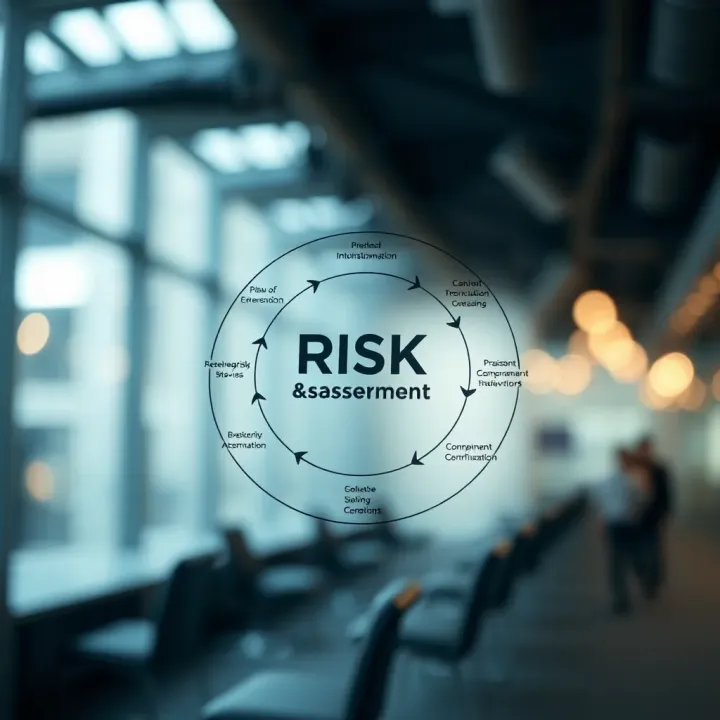
Effective process risk management involves several clear steps:
Identification of risks: Pinpoint where disruptions or failures could occur. Nigerian businesses might look at power instability affecting production or cash flow shortages during the ember months.
Assessment of risk severity and likelihood: For each identified risk, determine how often it happens and the financial impact. For instance, daily generator fuel costs add up and can become a significant expense.
Control strategies: Put measures in place to reduce the chances or effects of the risk. This could mean arranging backup suppliers or adopting alternative payment methods like mobile money platforms (OPay, Paystack) to handle cash challenges.
In Nigeria's diverse business climate, accommodating local factors like naira volatility, distribution bottlenecks, and regulatory changes sharpens the effectiveness of process risk management.
Applying practical tools such as risk matrices or SWOT analysis tailored to Nigerian settings can clarify priority areas. Meanwhile, involving staff and stakeholders is critical since they often know operational risks firsthand.
Integrating risk management into daily operations makes your business more resilient to shocks and ensures smoother compliance with government policies and trade regulations. Ultimately, this discipline not only cuts losses but can also boost investor confidence and operational efficiency.
Mastering process risk management is no luxury but a necessity for Nigerian businesses navigating a fast-changing economic environment.
Understanding what process risk management entails is essential for any Nigerian business aiming to stay competitive and minimise avoidable losses. Process risk management focuses on identifying, evaluating, and controlling risks within the core operations of a business. This approach helps companies avoid disruptions that can affect productivity, customer satisfaction, and ultimately profitability.
Process failures often lead to bottlenecks, delays, or complete halts in business operations. For instance, a manufacturing company in Lagos that depends on timely delivery of raw materials might face production stoppages if its supply chain is disrupted by traffic or poor logistics. Such interruptions increase costs and reduce output, directly cutting into profits.
In financial institutions, a flaw in internal control processes can lead to incorrect transaction processing, exposing the bank to fraud risks or regulatory penalties. These incidents not only erode trust but also lead to substantial financial losses, sometimes running into millions of naira.
Take the oil and gas sector, where process risks include equipment breakdown and safety failures due to inadequate maintenance or oversight. Such failures can cause oil spills or production downtime, damaging both finances and reputation.
Similarly, in the retail sector, risks might involve stock mismanagement arising from poor inventory controls. This leads to overstocking or stockouts, resulting in lost sales or waste. In Nigeria’s power sector, process risks around maintenance schedules for generators or alternative power supply units often disrupt service continuity, affecting business operations across all industries.
When businesses actively manage their process risks, they reduce the chances of unexpected breakdowns that halt operations. For example, a logistics company in Lagos that monitors its fleet maintenance schedule closely can avoid costly vehicle failures during peak delivery periods.
Financial losses tied to process failures become more manageable. With proper risk controls, businesses can plan for contingencies and avoid sudden expense spikes that stretch limited budgets—something crucial in Nigeria's often volatile economy.
Effective process risk management helps Nigerian businesses comply with regulations from bodies like the Central Bank of Nigeria (CBN) and Federal Inland Revenue Service (FIRS). Meeting these standards reduces the risk of fines and sanctions that could cost millions of naira and damage a company’s reputation.
Moreover, consistent compliance builds trust with customers, investors, and partners. A fintech company maintaining strong risk controls, for example, demonstrates reliability in handling transactions, attracting more users wary of cyber threats prevalent in the Nigerian digital space.
Managing process risks is not just about avoiding problems; it’s about creating a business environment where risks are foreseen and managed, allowing your company to operate smoothly, grow steadily, and maintain trust in a challenging market.
Understanding the key steps in the process risk management (PRM) cycle is vital for Nigerian businesses aiming to minimise disruptions and protect profits. This cycle structures how companies spot challenges, evaluate their seriousness, take action, and then review outcomes. It ensures risks are handled not as one-off issues but as ongoing priorities.
Spotting weak points means looking at the entire flow of operations carefully. Simple techniques like process mapping help reveal bottlenecks or redundant steps where errors could creep in. For example, a manufacturing firm in Aba might identify delays caused by inconsistent raw material deliveries. By pinpointing these, businesses don’t wait for losses to appear before acting.

Frontline employees often hold the best clues to risks because they see day-to-day operations closely. Involving them gives practical insights that top management may overlook. A Lagos-based logistics company, for instance, could learn from drivers about frequent road closures affecting delivery times. Listening to such feedback uncovers risks earlier and creates a culture where everyone feels responsible.
Risk matrices offer a visual way to score risks by their potential impact and how often they might happen. This approach helps businesses separate urgent issues from minor ones. For example, a bank might rank cyber-attacks as high likelihood and impact, while equipment breakdowns may be medium likelihood but still significant.
Prioritising risks based on impact means focusing limited resources where they matter most. Not every risk needs immediate control – some are less damaging or less likely. In Nigerian manufacturing, power outages are often prioritised over small administrative errors because outages halt production and cost thousands of naira daily.
Once risks are clear, businesses implement controls like staff training, backup systems, or alternative suppliers. For example, a food processing plant in Jos may install generators and train operators on fuel management to reduce power risk.
Monitoring is not a one-time task but continuous. Tracking if controls work involves regular checks and updating protocols. If the generator system proves unreliable during spare parts shortage, the company knows a different strategy is needed. Timely adjustments are key to staying ahead of risks.
Scheduled audits help ensure risk management stays relevant and effective. Independent reviews might reveal gaps overlooked internally. A financial services firm in Abuja could conduct quarterly audits to adapt to evolving compliance demands.
Business environments in Nigeria change rapidly due to factors like policy shifts, currency fluctuations, or new tech. Adapting risk management processes means staying alert to such shifts. For example, fintech companies continuously update fraud detection as cybercriminals become more sophisticated.
Businesses that embed this cycle into their routines build stronger resilience against surprises and ensure smoother operations even when challenges arise.
Understanding the common risks that Nigerian businesses face is essential for effective process risk management. These risks directly affect day-to-day operations, financial stability, and regulatory compliance. Identifying these challenges early helps businesses build resilience and avoid costly breakdowns.
Power supply challenges and generator dependency are major operational risks Nigerian companies regularly contend with. Frequent power outages make constant electricity supply unreliable, forcing many businesses to rely heavily on generators. This adds to operational costs due to fuel consumption and maintenance expenses. For example, a manufacturing firm in Lagos can lose hours of production during NEPA (now DISCO) outages, impacting delivery timelines and client relations.
Moreover, the unpredictability of power supply affects smaller businesses like banking halls or fintech kiosks where uninterrupted power is critical for transactions. The cost of running generators often leads to elevated prices for goods and services, squeezing profit margins.
Supply chain disruptions and transportation issues remain a headache for many Nigerian enterprises. Poor road conditions, traffic congestion, and occasional security challenges disrupt the timely movement of goods. For instance, agricultural produce from northern states may spoil before getting to market in Lagos due to transport delays. This results in increased wastage and financial losses.
Logistics companies face constant hurdles with last-mile delivery, especially in congested urban areas where danfo buses and okadas crowd the roads. In addition, security concerns sometimes force rerouting or convoy arrangements, further complicating supply chain reliability.
Currency fluctuations and naira volatility pose significant financial risks to Nigerian businesses. The naira’s instability, especially during economic stresses, impacts import costs, foreign debt repayment, and even local pricing structures. Companies reliant on imported raw materials or foreign technology upgrades find their budgets blown out due to sudden changes in exchange rates.
A good example is the slowdown in the retail sector during times of sharp naira depreciation, as consumers reduce spending amid price hikes. Businesses must therefore incorporate currency risk strategies, such as hedging or sourcing locally, to cushion the impact.
Meeting regulatory requirements from agencies like the Central Bank of Nigeria (CBN) and Federal Inland Revenue Service (FIRS) is another critical challenge. Nigeria’s regulatory landscape can be complex and sometimes rapidly changing. Non-compliance risks include fines, license revocation, or operational halts.
For example, fintech firms must constantly update their systems to align with CBN’s guidelines on electronic payments, while tax obligations from FIRS demand timely and accurate filings. Regulatory delays or misunderstandings can lead to costly penalties or reputational harm.
Cybersecurity threats impacting fintech and digital payments have grown sharply in Nigeria. As more businesses adopt online payment platforms like Paystack, OPay, or Flutterwave, they become targets for cybercriminals. Data breaches, fraud attempts, and phishing attacks can lead to financial loss and erode customer trust.
An incident at a Nigerian bank in 2023 highlighted how malware penetrated point-of-sale systems, disrupting transactions across several states. Businesses must adopt robust cybersecurity measures, including staff training and regular system audits, to counter these threats.
Infrastructure gaps affecting IT systems also hinder smooth business operations. Network downtimes, limited broadband penetration, and inadequate data centres cut across various sectors. Companies in remote regions especially face persistent connectivity challenges, slowing down their digital processes.
For instance, a tech startup in a smaller city may struggle with slow internet speeds, impacting client meetings and cloud-based operations. Investing in alternative connectivity solutions and local IT support can help mitigate these risks.
Nigerian businesses need to address these specific operational, financial, compliance, and technological risks head-on. Doing so strengthens their stability and ability to compete in a fast-changing market.
Effective process risk management depends heavily on the right tools and techniques. These tools help Nigerian businesses identify vulnerabilities early, assess risks accurately, and implement practical controls. Without appropriate methods, businesses risk expensive disruptions or compliance issues. This section explores key tools and approaches that companies can adapt to their size and sector.
For small and medium enterprises (SMEs), simple checklist tools remain highly practical. These checklists cover common risk areas, such as supply chain interruptions, power outages, or cash handling risks, making it easier to spot weak spots without complicated systems. Checklists suit SMEs because they require minimal setup and training, yet they provide a structured way to track risks over time.
Larger companies, however, benefit from advanced software solutions tailored for heavy data and process complexity. Software like SAP Risk Management or MetricStream helps in assigning risk scores, generating reports, and tracking mitigation actions across departments. These systems pull data from various units, helping management make informed decisions quickly. Nigerian firms with complex operations or multiple outlets can use these to streamline oversight and ensure compliance with standards set by bodies like the CBN or FIRS.
Process mapping and bottleneck analysis allow businesses to visualise workflows clearly, exposing points where risks concentrate. For example, a manufacturing company might map production stages to discover where delays frequently occur—perhaps due to machinery downtime caused by inconsistent power supply. Identifying such bottlenecks facilitates targeted improvements that reduce downtime and protect revenue.
Regular training and awareness programmes are essential for embedding a risk-aware culture. Staff at every level need clear understanding of risk factors and their role in prevention. Practical workshops—using case studies relevant to Nigerian contexts like fuel scarcity impacts or logistics inefficiencies—boost attention and encourage proactive responses. The more employees understand, the lower the chance of overlooked risks escalating.
Real-time data from payment platforms like Paystack and OPay offers Nigerian companies fresh tools for risk management. These fintech platforms provide transaction monitoring, flagging unusual payment patterns that could indicate fraud or processing errors. Accessing such data in real time helps businesses act fast before losses accumulate, which is particularly useful in e-commerce and retail sectors.
Automated alerts and reports generated by these fintech solutions also speed up response times. A company receiving instant notifications about abnormal transactions or system errors can immediately investigate rather than waiting for periodic manual reviews. This prompt reaction reduces exposure to financial or reputational damage, supporting the overall resilience of the business.
Consistently applying the right risk management tools, tailored to business size and context, is a practical way Nigerian firms can safeguard operations, ensure compliance, and build long-term stability.
By choosing tools judiciously, training staff properly, and utilising fintech effectively, Nigerian businesses can stay ahead of challenges and maintain smooth operations despite local risks.
Creating a risk-resilient culture is vital for Nigerian businesses aiming to stay afloat amid frequent operational disruptions and economic fluctuations. Such a culture ensures that risk management goes beyond policies and becomes part of everyday behaviour. Companies that embed risk resilience into their culture are better positioned to recognise threats early and respond effectively, saving both time and ₦resources.
Management plays a leading role in defining the company’s stance on risk. Their active involvement in identifying, monitoring, and managing risks sends a strong signal to all employees about the organisation’s priorities. For example, a Nigerian company grappling with erratic power supply must have leaders routinely assessing backup power solutions and contingency plans, not just leave it to the operations team. When top-level managers hold themselves accountable, it creates a chain reaction that encourages everyone to take risk seriously.
Leaders must establish clear standards and protocols for risk prevention and mitigation. Nigerian businesses often suffer from fragmented communication, leading to untreated risks and compliance gaps. When management sets firm guidelines and regularly communicates expectations—such as how to handle vendor disruptions or currency volatility—it reduces guesswork. A manufacturing firm in Lagos, for instance, might hold monthly risk briefings where all departments report challenges openly. This transparency encourages swift corrective actions and aligns the whole organisation.
Risk resilience depends on every employee recognising potential threats in their role. This means training programmes should reach beyond top teams to embrace frontline staff like sales agents or shop floor workers. For example, banks like GTBank and Access Bank regularly train their tellers and customer service representatives on identifying fraud risks. When employees understand how their decisions affect broader risk exposure, they contribute actively to mitigation.
Hands-on training through workshops and real-life scenario exercises help build practical skills in risk response. Instead of merely learning theory, Nigerian companies benefit from simulating situations like supply chain breakdowns or regulatory inspections. For instance, a logistics company might conduct role-plays focused on fuel scarcity impacts and backup transport options. This practice makes risk management less abstract and prepares staff for actual challenges.
Clear indicators help companies know whether their risk efforts are effective. Key performance indicators (KPIs) might include the number of risk incidents reported, the time taken to close risk issues, or adherence to compliance deadlines. A Nigerian fintech firm could monitor system downtimes and use KPIs to reduce vulnerabilities in digital payments. Regular tracking ensures that risk management is a living process, not a one-off task.
Building a culture where employees feel safe to report risks or near-misses without fear of blame boosts resilience. Nigerian businesses often face underreporting due to blame culture or fear of job loss. Rewarding proactive risk identification—through recognition or bonuses—motivates employees to speak up early. For example, an oil and gas company might introduce a monthly award for staff who prevented operational delays by flagging emerging risks. This positive reinforcement helps catch small issues before they escalate.
Risk resilience is not built overnight, but through sustained leadership, open communication, continuous training, and effective measurement. Nigerian companies that prioritise these elements will better navigate uncertainties and seize opportunities confidently.
🔍 Explore how risk management boosts Nigerian businesses by securing operations, improving decisions, ensuring compliance, and supporting lasting success.

🔍 Discover how Nigerian traders use binary options forums to share tips, spot scams, and boost skills for smarter trading decisions in a fast market.

🤖 Discover how binary option robots work, their perks, risks, and how Nigerian traders can spot reliable tools and steer clear of scams in trading.

Discover how Nigerian female Bitcoin traders use binary-inspired usernames 💻 to challenge norms, boost identity, and shape crypto culture in vibrant local markets.
Based on 13 reviews