
Process Risk Management for Nigerian Businesses
Learn how Nigerian businesses can identify, assess, and control process risks 🔍 to avoid ₦loss and disruptions, boosting resilience and compliance in daily operations.
Edited By
Sophie Mitchell
Managing risk is not just a fancy corporate idea; it's a daily reality for many Nigerian businesses. From the small mama put down the road to big investment firms in Lagos, understanding how to handle risk is key to survival and growth.
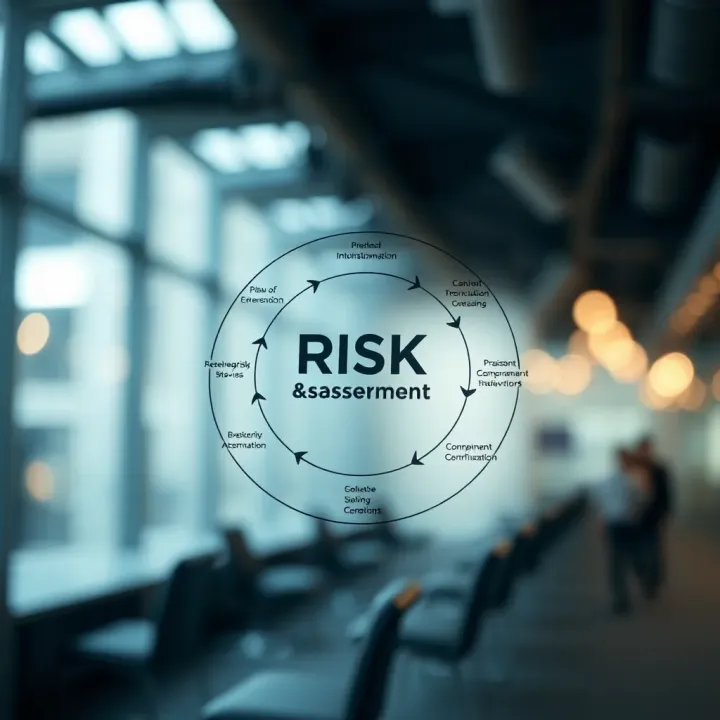
Risk management is the process that helps organisations spot potential problems before they spiral out of control. It involves a step-by-step approach to identifying, assessing, and controlling risks to reduce their impact on operations and investments.

Risk is like the unexpected power outage during peak hours—if you don't plan, it will disrupt your whole day.
Nigeria's business environment delivers unique challenges: currency fluctuations, erratic power supply, regulatory changes, and security issues. These factors can threaten profits and operations suddenly. A solid risk management process helps you stay ahead by preparing for these challenges rather than just reacting.
Identifying Risks: Start by listing all possible threats that could affect your business. It could be supply chain disruptions from delayed tokunbo imports, sudden petrol scarcity affecting transport costs, or cyber-attacks on your fintech startup.
Risk Assessment: Once risks are listed, evaluate their likelihood and potential damage. For instance, power outage might happen daily but costs vary depending on your backup system. Use both qualitative judgements and quantifiable data—think how ₦ loss due to downtime impacts your bottom line.
Risk Control and Mitigation: After assessing, decide how to handle each risk. Strategies include:
Avoiding: Stepping away from high-risk ventures, like dealing with unreliable suppliers.
Reducing: Investing in generators or solar panels to cut power-related losses.
Sharing: Purchasing insurance to shift financial risk.
Accepting: Sometimes, a risk is minor enough to live with.
Monitoring and Review: Risks evolve, especially in Nigeria's fast-changing environment. Regular check-ups keep you alert to new threats or shifts in existing ones.
Consider a Lagos-based retailer dependent on imported goods. Identifying risk involves recognising delays at the ports. Assessing risk means estimating how a 2-week delay could spike costs. Controlling risk might involve sourcing locally or maintaining higher stock levels. Monitoring ensures these strategies stay effective as market dynamics change.
By following this straightforward process, traders, investors, and financial analysts can protect their assets and make informed decisions, even when uncertainty knocks hard.
This foundation is critical before moving into the detailed stages of risk management you'll read about next in this article.
Risk management is the process companies use to identify, assess, and control potential events that could cause harm or loss. It’s not just about avoiding problems but understanding where dangers might come from and planning accordingly. In Nigerian business contexts, where market fluctuations and infrastructural issues occur frequently, risk management helps firms avoid sudden shocks that could disrupt operations.
At its core, risk management means spotting uncertainties that could impact an organisation negatively and taking steps to handle them. This process involves systematic identification of risks—from financial setbacks triggered by naira volatility to operational challenges like inconsistent power supply. After identifying these risks, businesses evaluate how likely they are to happen and what consequences they carry. For example, a Lagos-based manufacturer might recognise that fuel scarcity for generators poses a significant risk to production timelines.
Once risks are understood, the next stage is choosing how to deal with them, whether that means avoiding certain projects, reducing exposure, sharing risks with partners, or accepting them while preparing backup plans. This practical approach turns vague worries into manageable tasks.
Companies that manage risks well tend to operate more smoothly and sustain growth despite challenges. Nigerian businesses especially face unique uncertainties like sudden regulatory shifts, infrastructural deficits, or fluctuating foreign exchange rates. These can hurt profits or derail projects without warning.
Having a risk management system in place allows businesses to:
Anticipate problems before they escalate, helping avoid costly surprises
Make decisions with greater confidence, knowing potential pitfalls are mapped out
Protect investments by preparing for market downturns or supply chain hiccups
Build trust with investors and partners by showing proactive governance
For instance, a fintech startup leveraging platforms like Paystack or Flutterwave must consider digital fraud risks closely. Without robust risk controls, they could suffer huge financial losses or damage to reputation.
Effective risk management is not a luxury but essential for Nigerian businesses aiming to stay competitive and resilient in a fast-changing environment.
Understanding the definition and purpose behind risk management sets the stage for practical steps like identifying and evaluating risks, which will be covered in the coming sections.
Spotting risks early is the backbone of successful risk management. Without a clear understanding of potential threats, a business is like a danfo navigating Lagos traffic blindfolded—vulnerable to crashes at every turn. Identifying risks effectively helps avoid costly surprises and guides wiser decision-making, particularly in the fast-changing Nigerian business environment.

Internal audits serve as a thorough health check of an organisation’s operations, processes, and systems. Through periodic reviews, these audits uncover weaknesses or lapses before they snowball into crises. For example, a retail company in Lagos might discover gaps in inventory controls during an internal audit, preventing stock theft or misplacement that could affect profitability. Regular internal audits also help ensure compliance with internal policies and build confidence among investors and partners.
Environmental scanning involves continuously monitoring external factors that could impact a business. This includes political changes, economic shifts, technological advances, and even social trends. A money lending company, for instance, might track Central Bank of Nigeria (CBN) policy changes or shifts in interest rates to adjust lending strategies timely. Environmental scanning is crucial in Nigeria, where regulatory updates or fuel price fluctuations can seriously affect business conditions at short notice.
Engaging with a range of stakeholders—employees, customers, suppliers, regulators, and community leaders—opens channels to insights that internal data might miss. For instance, a manufacturing firm might hear from suppliers about supply chain disruptions due to border closures or customs delays. Consulting with stakeholders helps build a risk-aware culture and creates practical solutions grounded in real-world experiences.
Operational risks arise from the day-to-day running of a business and often stem from internal failures such as faulty machinery, inadequate staff training, or IT system breakdowns. A Lagos-based logistics company depending heavily on okada riders, for example, faces operational risks from traffic accidents or road bans. Identifying these risks helps pegging responsible teams and implementing safety measures to keep operations running smoothly.
Financial risks relate to money matters: cash flow shortages, credit defaults, currency fluctuations, or unexpected costs. Nigerian businesses are very familiar with naira volatility that can hike import costs overnight. A small business importing raw materials might use hedging strategies or negotiate payment terms to manage these financial risks and avoid severe losses.
Failing to adhere to laws, regulations, or licensing requirements invites hefty fines, reputational damage, or even closure. Nigerian firms must navigate regulatory environments involving agencies like the Federal Inland Revenue Service (FIRS) or National Environmental Standards and Regulations Enforcement Agency (NESREA). For example, a food vendor not registering with the National Agency for Food and Drug Administration and Control (NAFDAC) risks product confiscation or penalties.
Changes in consumer demand, competitor actions, or broader economic swings also qualify as risks. During ember months, consumer spending patterns in Nigeria shift dramatically, affecting retail sales forecasts. A tech startup should monitor these market trends closely to adjust pricing or product offerings, ensuring survival and growth amid competition and economic cycles.
Identifying risks is not a one-off task but a continuous process that requires sharp attention and practical strategies suited to the Nigerian context.
This step, when done well, lays the foundation for all following actions in risk management, positioning businesses to face uncertainties with purpose and agility.
Analysing and evaluating risk levels is a critical step in the risk management process. It helps businesses understand which risks pose the greatest threat and which ones require immediate attention. For traders, investors, and financial analysts, this phase provides the clarity needed to allocate resources efficiently and prepare better strategies against potential setbacks.
Assessing risks without analysis can lead to wasted effort on trivial threats or neglect of serious vulnerabilities. Nigerian businesses, often dealing with fluctuating market conditions and regulatory shifts, must evaluate risks in detail to avoid sudden losses and to improve resilience.
There are two main approaches to risk assessment: qualitative and quantitative methods. Qualitative methods typically involve expert opinions, interviews, and scenario discussions to estimate the likelihood of an event and its probable impact. For example, a small retail firm in Lagos might use qualitative analysis to assess how the irregular power supply could disrupt sales during peak hours.
Quantitative methods, on the other hand, use numerical data to measure risk with greater precision. Techniques like statistical analysis of past market performance or financial modelling help investors predict the chances of losses and the extent of such impacts. In Nigeria's volatile currency market, a trader might rely on quantitative methods to calculate potential losses from naira depreciation.
Risk matrices and scoring provide practical tools to organise this data visually. A risk matrix maps risks on a grid with likelihood on one axis and impact on the other, giving a clear picture of which risks fall into 'high', 'medium', or 'low' categories. Scoring assigns numeric values to these factors, simplifying decision-making.
For instance, a Lagos-based manufacturing company may use a risk matrix to prioritise risks such as supply chain delays, which might have medium likelihood but high impact. This visual aid helps management focus on the riskiest points quickly, rather than getting bogged down by less pressing concerns.
Focusing on high-impact risks ensures that efforts target threats capable of significant damage. Even if an event has a low probability, its consequences may be severe enough to demand proactive measures. For example, a financial institution must prioritise risks associated with cyber-attacks due to the potential loss of customer data and reputational damage, regardless of how often such attacks occur.
Balancing likelihood and consequences involves weighing the chances of risks against their potential outcomes. A business might face many minor risks with high likelihood but low impact, such as occasional cash flow hiccups, alongside rarer but more destructive risks like regulatory penalties. By balancing these factors, companies allocate time and funds to risks that truly matter.
Prioritising risks effectively means navigating between fears of too many small problems and missing the few big dangers that can cripple your business.
In Nigeria, where economic conditions can shift abruptly — due to policy changes or social unrest — prioritising risks carefully becomes even more essential. Businesses that achieve this balance stand a better chance at staying afloat through uncertainty and unexpected crises.
Developing strategies to manage risks is a critical step in the risk management process. It transforms the assessment of potential threats into actionable plans that protect a business's operations and investments. Without deliberate strategies, identified risks may remain untreated, leaving organisations exposed to unnecessary losses or disruptions. This step ensures risks are handled in a way that aligns with the company's goals and resource capabilities.
Avoiding risks involves eliminating activities or exposures that could lead to risk events. For instance, a Lagos-based trader might avoid importing certain goods prone to high customs duties or variable exchange rates. By steering clear of these activities, the trader removes the risk altogether, though this choice can also mean missing out on potential profit opportunities.
Reducing risks means taking steps to lower either the likelihood or impact of a risk. A manufacturing firm facing frequent power outages could invest in solar panels or standby generators to reduce operational downtime. Similarly, financial institutions often implement stronger internal controls to cut the chance of fraud; these measures don't remove the risk completely but significantly lessen the potential damage.
Sharing or transferring risks typically happens through insurance or partnerships. A logistics company might transfer the risk of vehicle accidents by purchasing comprehensive insurance policies. Similarly, some businesses share risks by outsourcing certain functions to specialist firms better equipped to manage those risks efficiently, such as cybersecurity services or payroll providers.
Accepting risks occurs when a business knowingly takes on risks because they are minor, unavoidable, or outweighed by expected benefits. For example, a small construction firm may accept risks of minor equipment wear and tear instead of investing heavily in constant replacement, especially if losses don’t substantially affect profitability.
Assigning responsibilities clarifies who will manage each risk or mitigation activity. Without clear accountability, risk responses can fall through the cracks. In practice, a bank’s risk management officer might oversee credit risk controls, while IT handles cybersecurity threats. This separation ensures focused attention and timely actions.
Setting mitigation measures involves defining specific steps to lower risk impacts. For a food processing company, this could mean regular quality checks, supplier vetting, and staff training to reduce contamination risks. Setting measurable control points helps track the effectiveness of these measures and adjust when needed.
Resource allocation focuses on distributing the necessary funds, personnel, and tools to manage risks adequately. A startup might budget for both emergency cash reserves and training sessions on fraud detection. Proper resource allocation balances risk reduction with cost-effectiveness, avoiding waste while enhancing resilience.
Effective risk management is not just about spotting problems but about putting practical strategies in place to handle them confidently. Nigerian businesses that develop clear, actionable risk treatment plans strengthen their chances of navigating uncertainties and achieving long-term success.
Monitoring and reviewing risk management efforts is a continuous necessity for any organisation aiming to stay ahead of challenges. It ensures that risk controls remain effective and relevant amid changing environments, particularly for Nigerian businesses dealing with volatile markets, regulatory shifts, or infrastructural hiccups like power outages. Without regular oversight, risks can silently escalate, leaving firms exposed to losses or operational disruptions.
Regular risk assessments play a vital role in maintaining a clear picture of the risk landscape. For example, a fintech company in Lagos might conduct quarterly evaluations to spot emerging risks from new regulations or system vulnerabilities. These assessments help to identify changes in risk likelihood or impact early, allowing timely adjustments rather than reacting after losses occur.
Regular reviews also foster accountability and prompt management to consistently measure risk against updated business goals. For instance, during the ember months when market activities surge, retailers need to reassess risks like supply chain delays or cash flow shortages more frequently.
Using key risk indicators (KRIs) adds precision to tracking efforts. KRIs are measurable factors signalling potential risk exposures before they fully manifest. Take a bank monitoring fraud risk: a sudden rise in unusual transaction volumes or failed login attempts serves as KRIs prompting immediate action.
These indicators allow businesses to detect problems early and base their decisions on data rather than intuition. In Nigeria’s dynamic economic setting, KRIs can highlight risks from naira fluctuations, fuel scarcity, or changes in customer repayment behaviour. Incorporating KRIs into dashboards also supports swift communication among departments about evolving threats.
Adapting to new risks is essential because business environments rarely stay static. Nigerian companies must stay flexible when fresh threats arise, such as new cyberattack methods targeting banks or policy changes affecting import tariffs impacting manufacturers.
For example, a logistics firm might find itself exposed after rerouted highways cause delays. Updating the risk plan based on these fresh insights enables swift mitigation—whether rerouting delivery paths or increasing inventory buffers. This adaptive stance reduces surprises and supports continuous resilience.
Incorporating lessons learned from risk events closes the improvement loop. When a particular risk causes an issue, analysing what went wrong and integrating those lessons into future plans is key. A Nigerian agro-business that experienced crop losses from flooding could develop stronger protective measures or diversify suppliers after assessing past oversights.
This learning prevents repeating the same mistakes and enhances the organisation’s ability to manage similar risks. It also encourages a culture of transparency and growth, where mistakes become stepping stones to stronger controls rather than causes for blame.
Effective monitoring and reviewing of risk management efforts turn uncertain challenges into manageable parts of business strategy, especially under Nigeria’s unique economic and operational circumstances.
In short, continuous tracking and update cycles are not bureaucratic exercises but practical mechanisms to secure business stability and long-term success against persistent risks.
Learn how Nigerian businesses can identify, assess, and control process risks 🔍 to avoid ₦loss and disruptions, boosting resilience and compliance in daily operations.

Strategic risk management helps Nigerian businesses tackle currency swings, power cuts, and policy shifts for steady growth and long-term success 🚀📊
Discover how Enterprise Risk Management (ERM) helps Nigerian businesses tackle risks, boost profits, and stay strong amid market challenges 🇳🇬📊

🔍 Explore how risk management boosts Nigerian businesses by securing operations, improving decisions, ensuring compliance, and supporting lasting success.
Based on 10 reviews