
Effective Forex Trading Strategies for Nigerian Traders
📈 Master forex trading with strategies tailored for Nigerian traders! Learn practical tips, risk management, and tech tools to boost your ₦ returns safely and smartly.
Edited By
Amelia Watson
Forex trading in Nigeria has steadily gained traction, driven by increasing internet access and the desire for alternative income streams. However, succeeding in currency trading requires more than luck — it demands well-grounded strategies tailored to local realities and market quirks.
For Nigerian traders, understanding forex basics is essential. The forex market operates 24 hours across global time zones, involving currency pairs like USD/NGN, EUR/USD, and GBP/USD. Given the naira's fluctuations and local regulations, traders must keep an eye on factors such as Central Bank of Nigeria (CBN) policies and parallel market rates.
Mastering technical analysis tools, such as candlestick charts, moving averages, and Relative Strength Index (RSI), offers traders insights to identify entry and exit points. Meanwhile, fundamental analysis—examining economic indicators like inflation rate, crude oil prices, and political developments in Nigeria—helps anticipate currency trends beyond charts.
Risk management cannot be overlooked. Nigerian traders often contend with naira depreciation and occasional liquidity crunches. Employ stop-loss orders and position sizing strategies to protect capital from unexpected market swings. For instance, limiting exposure to 1–2% of your trading capital per position helps absorb losses without wiping out your account.
Psychological discipline plays a role often missed by novices. The thrill of « hot trades » can push one to overtrade or ignore signals. Staying patient, sticking to predefined trading plans, and avoiding emotional decision-making give you a clear edge.
Successful forex trading in Nigeria hinges on a blend of solid strategies, practical risk controls, and understanding local market dynamics, not on chasing quick profits.
To wrap, effective forex trading in Nigeria demands a combination of:
Solid grasp of market basics and currency pair behaviour
Application of technical and fundamental analysis aligned with Nigerian economic factors
Strict risk management tailored to naira volatility
Maintaining psychological discipline amidst local market pressures
With discipline and informed tactics, Nigerian traders can navigate currency markets to generate sustainable profits despite ongoing challenges like power supply issues or fluctuating exchange rates.
Grasping the basics of forex trading is the first step for any trader aiming to navigate Nigeria's currency market profitably. Forex, or foreign exchange, involves buying and selling currencies with the goal of making a profit from changes in exchange rates. Unlike the stock market, forex operates 24 hours globally, offering flexibility but also demanding a solid understanding of its unique traits.
Forex trading means exchanging one currency for another. For example, a Nigerian trader might buy US dollars (USD) by selling Nigerian naira (₦) with the hope that the dollar will strengthen against the naira. If the USD/NGN rate moves favourably, the trader can sell back those dollars for more naira, making a profit. This process requires quick decisions based on real-time market information.
Trading forex revolves mostly around currency pairs, showing the price of one currency relative to another. For Nigerian traders, pairs involving the naira (NGN) can be less liquid internationally but are important in local trading platforms. Common major currency pairs include EUR/USD, USD/JPY, and GBP/USD, while USD/NGN pairs are mostly seen in platforms that allow local currency trades. Traders should be familiar with pairs they want to trade because each has unique volatility and liquidity patterns.
Forex works through a decentralized global network of banks, brokers, and traders rather than a central exchange. Transactions happen electronically across different time zones, with key trading hubs in London, New York, and Tokyo. The Nigerian market connects to this network through brokers and platforms like Oanda, FXTM, or local fintech solutions. Market prices are influenced by economic data, interest rates, political events, and supply-demand dynamics.
Understanding how forex functions helps traders anticipate market moves and avoid pitfalls. For example, knowing that the Nigerian naira is prone to volatility due to oil prices and government policies can guide risk management strategies.
In short, a firm grasp of forex basics equips Nigerian traders to handle the fast-paced environment confidently and implement strategies that consider both global trends and local realities.
Popular forex trading strategies offer Nigerian traders tested frameworks for making decisions in the volatile forex market. They provide clear rules on when to enter or exit trades, which helps minimise guesswork and emotional trading. Applying these strategies effectively can improve consistency and reduce losses, especially when local factors such as naira volatility or limited access to reliable platforms complicate trading.
Understanding practical strategies allows you to adapt to market moves rather than react blindly. The most used methods include trend following, range trading, and breakout trading. Each addresses different market behaviours, enabling you to pick or combine strategies based on current conditions.
Trend following relies on recognising and moving with the prevailing direction of a currency pair. If the naira-dollar pair shows sustained upward movement due to CBN policy or economic data, this strategy encourages buying when price pullbacks occur. It avoids betting against the market's momentum.
For example, if the USD/NGN rate steadily climbs from ₦450 to ₦460 over two weeks, a trend follower waits for minor dips around ₦455 to buy in, hoping the upward trend continues. This approach suits traders who prefer less noise and want to ride the big market waves. However, it requires patience, as trends can last days or weeks. A key consideration is using tools like moving averages to confirm the trend before entering.
Range trading works well when prices move sideways within defined support and resistance levels. In Nigerian forex markets, certain pairs might fluctuate between ₦410 and ₦420 without breaking through. Here, you buy near support (lower bound) and sell near resistance (upper bound), capitalizing on price oscillations.
This strategy is practical during low volatility periods or when economic events have uncertain outcomes. It demands attentiveness to reversal signs because a breakout could happen any time. Using oscillators like RSI helps spot overbought or oversold conditions, signalling possible entry or exit points.
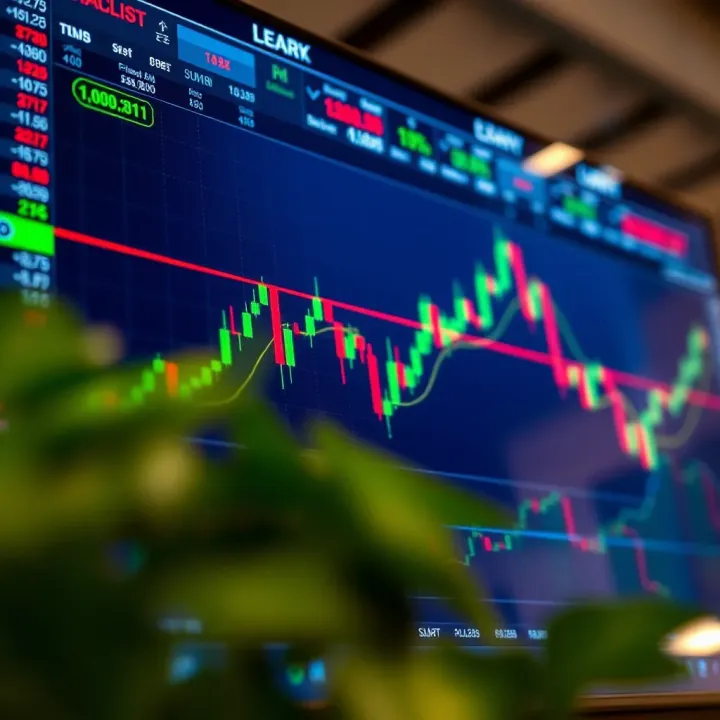
Breakout trading focuses on catching sharp moves when a price breaks past support or resistance levels. This often happens in Nigeria after significant news, such as CBN policy changes or geopolitical events impacting the naira.
For instance, if the NGN/USD pair stays below ₦460 for weeks but suddenly climbs past ₦460, breakout traders enter quickly to ride that momentum before others join in. This strategy offers high profit potential, but with increased risk from false breakouts. Confirming volume or waiting for a candle close beyond the level can reduce errors.
Successful traders often blend these strategies, adapting to market behaviour and Nigerian economy quirks. Recognising when the market trends, ranges, or breaks out forms the backbone of effective forex trading.
Understanding both technical and fundamental analysis is essential for Nigerian forex traders to make informed decisions. Technical analysis relies on past price data and market patterns, allowing traders to anticipate future movements by observing trends and indicators. Fundamental analysis, on the other hand, examines economic, political, and financial factors that impact currency values, particularly focusing on influences specific to Nigeria and global markets.
Moving averages smooth out price data to highlight trends over time. For instance, the 50-day and 200-day moving averages are common tools to spot long-term trends. If the 50-day average crosses above the 200-day, this "golden cross" might signal a bullish trend. Nigerian traders can use moving averages to avoid chasing volatile short-term price swings, especially during periods of naira instability.
RSI measures the speed and change of price movements to identify overbought or oversold conditions. An RSI above 70 may suggest that a currency pair is overbought, while below 30 could mean it's oversold. For example, if the USD/NGN pair’s RSI climbs above 70, traders might consider selling to lock in profits before a possible price dip. RSI helps Nigerian traders time their entries and exits better amid forex market fluctuations.
Bollinger Bands consist of a moving average with upper and lower bands representing volatility. When price moves close to the upper band, the market might be overbought; near the lower band, it could be oversold. This indicator is useful in identifying breakout opportunities or price reversals. Nigerian traders watching the GBP/USD pair may notice price squeezing within bands before a sharp move, providing a signal to act swiftly.
Central Bank of Nigeria (CBN) interest rates heavily influence naira valuation. An increase in the monetary policy rate often strengthens the naira by attracting foreign investors seeking better returns. Nigerian traders must monitor CBN’s policy meetings to anticipate forex market reactions. For example, in early 2024, a hike in CBN’s rate caused a temporary naira appreciation against the dollar.
Political events such as elections, regional tensions, or changes in policy can trigger sharp naira volatility. Traders should keep a close eye on developments like the guber (gubernatorial) elections and security issues, which can influence investor confidence. During periods of uncertainty, forex markets tend to price in risk, often pushing naira weaker. Understanding these dynamics helps Nigerian traders shield their portfolios from sudden shocks.
Important statistics like Nigeria’s inflation rate, GDP growth, trade balance, and oil production numbers can move forex prices significantly. For example, an unexpected rise in inflation might lead the CBN to tighten policies, affecting naira demand. Traders who keep informed via reliable sources such as the Nigerian Bureau of Statistics can better anticipate shifts in currency values, improving trade timing.
Mastery of technical indicators combined with awareness of Nigeria’s economic and political environment forms a solid foundation for successful forex trading.
Risk management is the backbone of successful forex trading, especially for Nigerian traders operating in a market known for its volatility and unpredictability. Without proper risk controls, even the best strategies can lead to heavy losses. When you manage risk effectively, you protect your capital and improve the odds of staying in the game long term.
Stop loss and take profit orders let you lock in gains and limit losses automatically. For example, if you buy USD/NGN at ₦460 and set a stop loss at ₦455, the trade closes if the price falls to that level, capping your loss to ₦5. Take profit orders work similarly, exiting your trade once a predetermined profit target is reached. Setting these levels before entering a trade prevents emotional decisions, especially when market swings happen quick – as often seen during unstable periods for the naira.
Position sizing decides how much money you put into each trade relative to your total trading capital. A common rule is to risk no more than 1-2% of your account on any one trade. For instance, if your trading fund is ₦200,000, risking ₦2,000 (1%) per trade means you can withstand losing 50 trades in a row without wiping out. This discipline protects traders from taking oversized positions that feel comfortable at first but become dangerous when the market turns.
Leverage amplifies both profits and losses. Nigerian brokers often offer high leverage levels, sometimes up to 1:500. Using such high leverage without caution can wipe out your account rapidly. It’s wiser to stick with lower leverage, like 1:10 or 1:20, especially if you’re still building experience. For example, using 1:20 leverage means a ₦10,000 margin controls ₦200,000 in currency. If the market moves against you by 5%, your ₦10,000 margin faces the full impact, so knowing your leverage exposure upfront is critical.
Always remember, in forex trading, protecting your capital is as important as making profits. Proper risk management turns chance into strategy.
These risk management elements go hand in hand. Setting clear stop loss and take profit points based on your analysis, sizing positions according to your risk tolerance, and choosing leverage levels that match your skills are practical steps that can protect you from Nigeria’s volatile forex environment. Incorporate these steps consistently to trade smarter and last longer in the market.
Developing the right mindset is essential for any Nigerian trader aiming to succeed in the volatile forex market. Having solid knowledge of strategies and analysis means little if the trader lacks self-control, discipline, and the ability to learn from mistakes. The trading mindset shapes decisions, especially when markets move against you or when emotions threaten to override logic.
Discipline keeps you on course, helping to follow your trading plan without deviation. Many new traders in Nigeria fall into the trap of chasing quick profits, jumping into trades impulsively, often after seeing dramatic price moves on the ₦/US$ or ₦/£ charts. A disciplined trader waits for clear signals, sticks to set entry and exit points, and respects stop-loss limits to protect capital.
Patience ties closely with discipline. Sometimes, the naira’s erratic nature means trades may take longer to play out. For example, after a Central Bank of Nigeria (CBN) policy announcement, the market might react slowly, requiring caution rather than panic. Overtrading because of impatience burns capital faster than market volatility. Patience allows you to avoid unnecessary losses and stick with high conviction setups.
The emotional rollercoaster of forex trading can wreck even the smartest strategies. Nigerian traders often experience anxiety during ember months as the naira fluctuates wildly due to importer demand and fuel subsidy shifts. Fear or overconfidence can lead to rash decisions, such as doubling down on losing trades or exiting winners too early.
Practical ways to control emotions include setting daily loss limits, taking breaks after losses to reset mentally, and using demo accounts to practice calm trading. One trader shared that after losing ₦50,000 in a hurry, he started journaling each trade’s reasoning and feelings, which helped curb impulsive moves.
Emotional control is not just a skill but a safeguard against the unpredictable swings in the Nigerian forex market.
Losses are inevitable, but they become valuable teachers when analysed properly. Successful Nigerian traders keep detailed records of trades, including what went wrong and right. For instance, a trader might spot that ignoring CBN’s policy updates led to poor timing in trades involving the naira/US dollar pair.
Rather than blaming the market or luck, reviewing losses helps identify patterns of mistakes—maybe chasing after spikes in USD/NGN during low liquidity hours or trading without checking internet reliability during power outages. Such insights lead to better adjustments in strategy and improve long-term profitability.
In essence, developing the right trading mindset transforms forex trading from a guessing game to a structured activity where discipline, emotional control, and continuous learning are your most valuable tools. For Nigerian traders, where market swings and infrastructural challenges come fast and furious, the mind is your strongest asset in navigating forex successfully.
Trading forex in Nigeria comes with some particular hurdles that can affect your success if you don't manage them properly. Understanding these challenges — such as naira volatility, broker reliability, and infrastructure issues — is essential for building strategies that work in our local context. Handling these wisely can protect your capital and improve your chances of steady profits.
The naira's value swings quite a lot, mainly due to fluctuating oil revenues, monetary policy shifts by the Central Bank of Nigeria (CBN), and foreign exchange supply shortages. These swings can create both opportunity and risk for forex traders. For example, if you’re trading pairs involving the naira, unpredictable moves can wipe out gains or deepen losses quickly.
It’s practical to monitor CBN policies closely, especially interventions in the official and parallel markets. Many Nigerian traders experienced sharp losses during heavy naira depreciation phases, particularly when trading on high leverage. To cope, traders should consider using currency pairs with more stable majors like USD/EUR alongside naira pairs or hedge their positions with instruments that offset naira risk. Awareness of local economic indicators and announcements also helps you anticipate possible volatility.
Choosing a trustworthy broker can be tricky in Nigeria due to the presence of unregulated operators. Reliable brokers should be registered with a reputable global or local financial authority. The Securities and Exchange Commission (SEC) Nigeria also oversees some licensed brokers, so confirm a broker’s registration status before you commit.
Look for platforms that support local payment methods such as bank transfers, USSD, or NGN wallets like Paystack and Flutterwave. Some international brokers may make funding your account difficult with limited naira options. Additionally, platforms with transparent fees and good customer service can save you from hidden charges and delays in withdrawals — which several Nigerian traders lament.
Regular power outages and unstable internet remain serious obstacles for many traders. Losing connection mid-trade or when executing stop-loss orders can lead to severe losses. It’s advisable to have backup power solutions, like a generator or UPS battery, especially during critical trading hours.
Mobile internet providers also vary in reliability and speed depending on your location. Consider subscribing to multiple data providers or use fibre optic broadband where possible. Apps for auto-trading or stop-loss settings help minimise risks caused by sudden disconnections. Scheduling trades during periods of higher power and network stability, like early mornings or late evenings, also helps avoid unnecessary glitches.
Traders who understand and prepare for Nigeria’s unique forex trading challenges stand a better chance of protecting their funds and making consistent returns.
Facing these hurdles head-on, instead of denying them, equips Nigerian traders to stay competitive in the forex market. By planning around naira volatility, choosing reliable brokers, and ensuring stable trading conditions despite power and network hiccups, you increase your edge in an otherwise unpredictable environment.
📈 Master forex trading with strategies tailored for Nigerian traders! Learn practical tips, risk management, and tech tools to boost your ₦ returns safely and smartly.
Discover how forex trading robots (Expert Advisors) can help Nigerian traders automate deals, manage risks, and boost profits in the ₦naira forex market 📉🤖
Learn essential forex terms like pips, lots, and leverage to trade confidently in Nigeria’s market 🇳🇬. Manage risks and orders with ease, tailored for Nigerian traders 📈
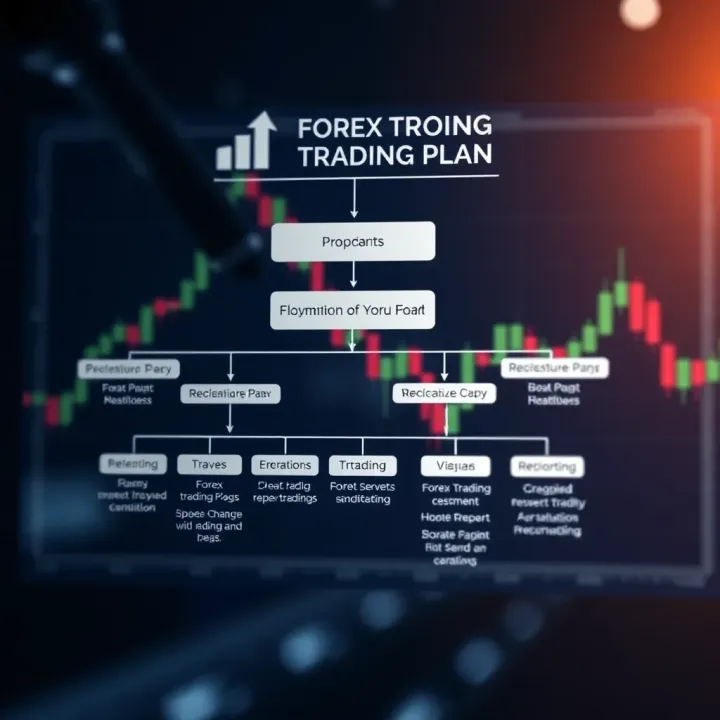
Maximise your ₦ profits with practical forex trading plans tailored for Nigerian traders 📈. Manage risks, handle naira volatility, and trade confidently even during unstable markets.
Based on 15 reviews