
Effective Forex Trading Strategies for Nigerian Traders
📈 Master forex trading with strategies tailored for Nigerian traders! Learn practical tips, risk management, and tech tools to boost your ₦ returns safely and smartly.
Edited By
Emily Carter
Forex trading robots, often called Expert Advisors (EAs), have become a common tool for traders worldwide, including Nigerian market participants. These robots execute trades automatically on forex platforms according to predefined strategies programmed by developers or traders themselves. For Nigerian traders juggling the complexities of forex markets alongside local factors such as naira fluctuations and regulatory dynamics, understanding how these robots operate can make a big difference in trading effectiveness.
At their core, trading robots analyse market data such as price charts and technical indicators in real time. They then place buy or sell orders without needing a trader to intervene every moment. This automation can help reduce emotional decision-making and allows for faster execution of trades.
Successful use of forex trading robots depends heavily on selecting the right system, verifying its performance through rigorous backtesting, and adjusting settings to local market behaviour.
Most EAs rely on technical analysis methods like moving averages, Relative Strength Index (RSI), or Bollinger Bands to identify trading signals. For example, a robot might be programmed to close a position if the RSI signals an overbought condition, preventing unnecessary losses.
Nigerian traders should consider the specific characteristics of the local forex environment, including liquidity at different times and the impact of CBN policies on currency pairs involving the naira. Because market conditions change, regular testing and optimising of the robot’s parameters are essential. Many platforms, such as MetaTrader 4 and MetaTrader 5, widely used in Nigeria, support EAs with built-in backtesting facilities.
Another practical point is risk management. Good forex robots incorporate stop-loss and take-profit rules to protect capital. A robot that risks a fixed percentage per trade or adapts to market volatility can prevent large drawdowns.
To summarise, Expert Advisors offer Nigerian traders a chance to automate repetitive tasks, manage trades consistently, and respond instantly to market moves. However, they require proper understanding, robust testing, and fine-tuning to bring real value rather than blind trust in automated promises.
This article will explore these insights further, helping you evaluate EAs critically and use them wisely within your trading portfolio.
Automated forex trading robots have become a significant tool for traders, especially those in Nigeria seeking consistency and speed in the volatile currency market. These robots execute trades on behalf of the user, following pre-set rules and strategies, which means they can operate 24/7 without the fatigue or emotional distractions a human trader might face.
Forex trading robots, often called Expert Advisors (EAs), are computer programs designed to automate trading decisions. Their purpose is to take the manual effort and emotional bias out of trading by using algorithms to open, modify, and close trades based on defined criteria. For Nigerian traders who juggle daily responsibilities or face internet and electricity challenges, robots can monitor the market continuously and act promptly, potentially improving results.
At the heart of every trading robot lies an algorithm — a set of coded instructions that analyse market data, such as price movements and volume. These robots often rely on technical indicators like moving averages, Relative Strength Index (RSI), or Bollinger Bands to identify entry and exit points. Instead of guesswork, the robot applies these indicators consistently, making decisions based on patterns it detects. However, it’s vital to understand that these algorithms operate on historical and live data, so unexpected market events can sometimes bypass their programmed logic.
Most Nigerian forex traders use MetaTrader 4 (MT4) or MetaTrader 5 (MT5) platforms, which support automated trading through EAs. These platforms provide user-friendly interfaces to install robots, view charts, and track performance. Besides MetaTrader, some brokers offer proprietary platforms supporting automation but MT4 and MT5 remain the most popular due to their flexibility and wide acceptance.
Setting up a forex robot involves installing the EA file onto your trading platform, usually through a simple upload process. After installation, traders must configure parameters like trade size, stop-loss levels, and strategy preferences. Importantly, these settings need regular review to match current market conditions, especially given Nigeria’s own market dynamics like naira fluctuations and geopolitical factors. While the initial setup can seem technical, many brokers provide tutorials or customer support to ease the process.
Automated forex trading can offer Nigerian traders a level playing field with global markets, provided the robots are configured well and market risks understood.
By grasping how these robots work, you can better decide whether to integrate them into your trading strategy or approach with caution.
Forex trading robots bring both clear benefits and notable challenges, especially for Nigerian traders who navigate a volatile market alongside infrastructural issues like power fluctuations and internet instability. Understanding these advantages and limitations helps traders make informed choices about adopting automated systems.
Continuous market monitoring without fatigue
Trading manually requires constant attention, which can be draining and lead to missed opportunities. Forex robots, however, operate 24/7 without getting tired. For instance, while you are at work or resting, the robot can track currency pairs like USD/NGN or EUR/USD and execute trades based on pre-set strategies. This nonstop operation ensures no critical market movement is overlooked, particularly important during volatile sessions or ember months when trading activity spikes.
Removal of emotional biases from trading decisions
Humans often fall victim to fear and greed, causing rash trading decisions. Robots follow strict algorithms without letting emotions interfere. They close or open trades based purely on technical signals, avoiding impulsive “panic sells” or overenthusiastic buying. For Nigerian traders, where psychological factors can be intensified by unstable market conditions or local news, this emotional detachment can reduce costly mistakes and foster disciplined trading.
Increased speed and consistency of trade execution
Forex robots execute trades at lightning speed, often within milliseconds of receiving signals. This speed beats any manual effort, especially when markets react quickly to economic updates like CBN policy changes or oil price shifts. The consistency of execution means trades happen exactly as programmed, reducing the chance of slippage or human error. For example, during a sudden drop in the naira’s value, a robot can promptly open short positions, potentially saving capital or capturing profits.
Dependence on historical data and backtesting limits
Most forex robots rely heavily on backtesting, which examines past price data to estimate strategy performance. While this offers useful insights, markets don’t always behave as before. Nigerian economic events, unpredictable political developments, or global shocks can render historical assumptions invalid. This means a robot profiting last year might suffer losses today if it can’t adapt beyond its backtested limits.
Vulnerability to unexpected market events
Sudden shocks—like announced fuel subsidy removals in Nigeria or unpredicted CBN interventions—can throw the forex market into turmoil. Robots programmed on stable or trending conditions might misinterpret these spikes, leading to poor trades. Unlike seasoned human traders who might pause to reassess, robots often continue executing flawed orders unless updated or stopped, resulting in losses.
Potential for technical glitches and reliability issues
Automation depends heavily on technology, which is never 100% fail-safe. Power outages, internet disruption (still common in many Nigerian cities), software bugs, or server failures can interrupt robotic trading. For example, if a robot stalls during a volatile period due to connectivity loss, it might miss critical exit points or entry signals. Traders must therefore combine automation with reliable infrastructure and regularly monitor their systems for technical issues.
Tip: Nigerian traders should weigh these benefits against local realities like internet stability and broker reliability before fully committing to forex robots.
Understanding these pros and cons empowers you to integrate robots thoughtfully — using them as tools in your trading arsenal, not blind replacements for judgement.
Choosing the right forex trading robot is vital for Nigerian traders wanting to automate their currency deals successfully. Different robots use various strategies and work best under certain market conditions and broker setups. Picking the robot that fits your trading style and local realities can help you avoid costly mistakes and improve your chances for consistent profits.
Forex robots operate using particular strategies that guide how they enter and exit trades. For example, a trend-following robot tries to detect ongoing market directions and ride these trends until signals indicate a reversal. Such a robot suits traders preferring steady gains and can afford slower trade frequency. On the other hand, a scalping robot aims for quick, small wins by opening many trades within minutes. This strategy demands fast execution and greater attention to spreads, often better suited for accounts with low commissions and tight spreads.
Hedging robots attempt to protect traders against losses by opening opposite trades on the same currency pair, reducing risk during volatile periods. Selecting a robot means understanding what approach fits your risk appetite, trading hours, and capital size. For Nigerian traders, who face challenges like intermittent internet or power supply, a simpler strategy that doesn’t require constant tweaking might prove more suitable.
Not every forex robot works seamlessly with all brokers or account types. Some robots require specific trading platforms like MetaTrader 4 or 5, widely supported in Nigeria, while others may need more specialised software. It’s important to confirm that your broker accepts automated trading and supports the platform your chosen robot uses.
Also, consider your account type—standard, mini, or micro—and whether the robot can efficiently trade within those lot sizes. Brokers with high spreads or frequent requotes can hinder robot performance, especially those relying on rapid trade execution like scalpers. Nigerian traders should carefully pick brokers with clear regulations, preferably those recognised by the Securities and Exchange Commission (SEC) Nigeria, to reduce counterparty risks.
Evaluating a robot’s reputation among users offers insight beyond marketing promises. Look for detailed reviews from traders in similar markets, focusing on verified results instead of vague testimonials. Transparency from the robot developer about their strategy, risks, and updates builds trust.
Beware robots with secretive operators or no clear communication channels. Developers who provide documentation, regular updates, and customer support are easier to work with, especially when adjustments become necessary in dynamic forex markets. The Nigerian forex community forums and trusted social media groups can be practical sources to gauge real user feedback.
No robot can promise consistent, guaranteed profits in forex trading. Any product claiming to deliver “sure wins” or “risk-free returns” should raise immediate red flags. Forex markets involve risk and uncertainty; robots can reduce emotional mistakes but cannot eliminate losses.
Nigerian traders vulnerable to such claims often lose money when tempted by these overly optimistic promises. Always remember that skill, proper money management, and market understanding remain essential, regardless of automation.
Beware robots that don’t provide real, verifiable records of past performance. Some vendors show impressive profit graphs but without links to live broker accounts or audited statements. This lack of transparency often hides poor performance or fabricated results.
Demand third-party verification or try the robot on a demo account yourself before investing real money. It’s wiser to test robots on recognised platforms such as MetaTrader using brokers that permit demo accounts.
Some sellers target Nigerian traders with pushy marketing: constant emails, flashy ads, countdown timers for “limited offers”, and high-pressure sales. These tactics aim to rush buyers into decisions without proper research.
Take your time to evaluate any forex robot, despite excitement or hype. Consult multiple sources, engage with experienced traders, and avoid buying under pressure. Quality forex tools come with clear information and respect for buyers’ thoughtful decisions.
Choosing the right forex trading robot means balancing technical compatibility, strategy fit, and trustworthiness. Avoid scams by staying sceptical of guarantees and always verify before you commit.
Testing and monitoring your forex robot is essential to ensure it performs effectively in the Nigerian forex market. Without proper evaluation, you risk deploying a robot that might burn through your capital due to unforeseen market conditions or software errors. Careful testing helps verify the robot’s strategy and adaptability before risking real money.
Backtesting allows you to assess your trading robot’s strategy against past market data. By running the robot on years of historical price movements, you can see how it would have performed, providing insight into its potential profitability and drawbacks. For example, a robot might show steady gains over five years of data, which suggests it might handle market fluctuations reasonably well.
However, backtesting has its limits. Since the data is historical, it doesn't account for sudden market shocks or unique events like Nigeria’s fuel subsidy debates or political uncertainties that can sway the naira exchange rate sharply. Also, backtesting assumes the market conditions will stay similar, but forex markets often change, so results might not fully predict future success.
Using demo accounts is the best way to evaluate a robot's performance in real-time without risking your capital. A demo account simulates live trading, allowing you to see how the robot reacts to actual market movements. Nigerian traders often use MetaTrader platforms to run these tests, observing if the robot sticks to its strategy or falters during volatile periods like ember months.
Moreover, as markets evolve, your robot might need adjustments. Forward testing helps you evaluate whether your robot can cope with these changes or requires parameter tuning. For instance, if the robot struggles with sudden naira volatility, you might adjust stop-loss settings or trade frequency to better suit current conditions.
Monitoring the robot’s profit and loss trends regularly keeps you informed about its real-world effectiveness. Consistent gains with manageable drawdowns indicate the robot is functioning well. If losses mount unusually during a particular period, like around central bank policy announcements, this signals the need for a thorough review.
Adjusting parameters or switching strategies when required is key to sustaining success. Nigerian traders might alter their robot’s settings to respond to seasonal factors affecting the forex market or switch to a more conservative strategy amid political uncertainties. Staying flexible prevents heavy losses and keeps your trading aligned with market realities.
Regular testing and vigilant monitoring aren't optional — they form the backbone of disciplined, risk-conscious forex trading with robots, especially in dynamic markets like Nigeria’s naira forex scene.
Backtesting gauges historical strategy performance.
Forward testing verifies live adaptability.
Ongoing monitoring ensures real-time health and adjustment.
This three-step regimen safeguards your investment and sharpens your robot’s edge in the highly competitive forex environment.
Bringing forex trading robots into your trading routine isn't about handing over full control but rather blending automation with your own insight. This integration can help you tap into the robot’s speed and consistency, while still steering trades with a human touch. For Nigerian traders, where market fluctuations and infrastructural challenges like power outages are common, this hybrid model offers a balanced path.
Hybrid trading allows you to enjoy the best of both worlds. The robot handles routine monitoring and execution, swiftly placing trades according to preset algorithms. Meanwhile, you bring in tactical thinking—interpreting news, anticipating sudden events, or adjusting strategies when the market’s behaving oddly. For example, a trader could use an EA (Expert Advisor) to scalp on MetaTrader 4 but switch to manual mode during volatile sessions influenced by Nigerian economic news or CBN policy changes.
The mix also provides a safety net. Because robots run set rules, they might miss nuances that human traders catch—like the impact of the naira’s fluctuation on cross-border trades or local political developments. By combining both methods, traders reduce risks associated with automated systems relying only on historical data.
A key moment for manual intervention is during major market news or unexpected shifts. If the Central Bank of Nigeria announces sudden policy changes, or if fuel scarcity triggers market panic, it’s wise to pause robot trading and assess the situation yourself. Robots follow rules strictly and can incur losses during such unpredictable periods.
On the other hand, leaving the robot to run makes sense during stable market hours, such as between major announcements or overnight sessions where consistent strategy execution is essential. With this approach, you avoid over-trading or impulsive decisions, common pitfalls in manual trading.
Forex robots need a stable internet connection and continuous power to function optimally. Nigeria’s power supply can be erratic, so failing to back up your system with a generator or uninterrupted power supply (UPS) risks missing trades or causing errors in execution. Similarly, fluctuations in internet connectivity—common in many parts of Nigeria—may cause delays or disconnections from your broker’s server, disrupting robot operations.
For instance, a trader in Lagos might choose a reliable fibre broadband provider and keep a mobile data backup handy. Also, scheduling trades during less busy internet hours could help maintain steady online access.
Selecting a broker licensed by trusted bodies like the Securities and Exchange Commission (SEC) Nigeria reassures you against malpractice. Many robots integrate best with platforms like MT4 or MT5, but compatibility alone isn't enough.
Ensure your broker supports automated trading, has transparent trade execution policies, and handles order demands promptly. Brokers without proper regulation may delay withdrawals or manipulate spreads, damaging both manual and automated traders. Hence, Nigerian traders should verify broker credentials before tying their robots and funds to the platform.
It’s tempting to invest large sums hoping for quick profits, but robots can also magnify losses if market conditions turn sour. Start with amounts you can comfortably lose without major strain—commonly 1–5% of your trading capital per position.
For example, if you have ₦500,000 as trading capital, risk no more than ₦5,000 to ₦25,000 on individual trades while using a robot. This control limits the impact of any bad runs, giving you room to learn and adjust without wiping out your account.
Automating forex trading can be helpful, but a nuanced approach that respects local challenges and combines human insight with technology makes all the difference in Nigeria’s dynamic market.
Balancing manual and robot trading, while considering infrastructural realities and broker integrity, will boost your chances of navigating the forex space confidently and sustainably.
📈 Master forex trading with strategies tailored for Nigerian traders! Learn practical tips, risk management, and tech tools to boost your ₦ returns safely and smartly.
Learn essential forex terms like pips, lots, and leverage to trade confidently in Nigeria’s market 🇳🇬. Manage risks and orders with ease, tailored for Nigerian traders 📈
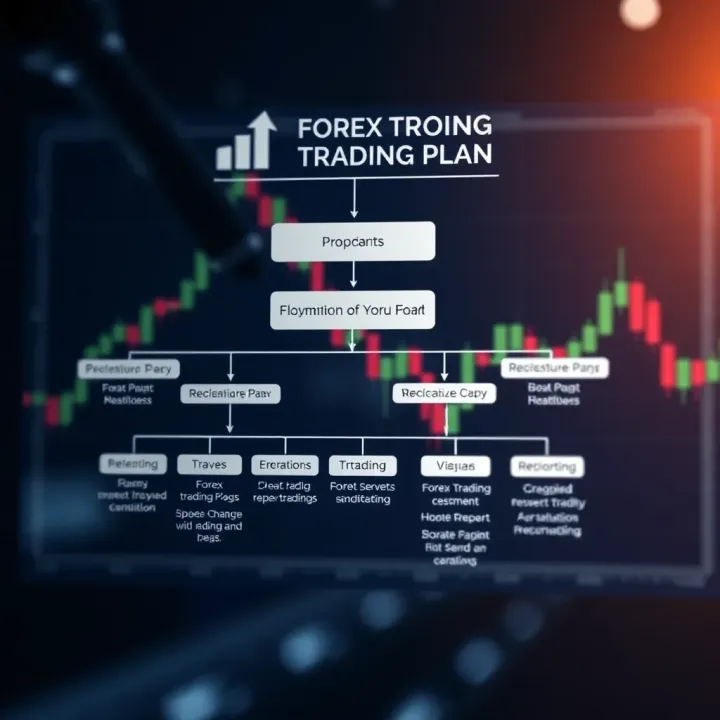
Maximise your ₦ profits with practical forex trading plans tailored for Nigerian traders 📈. Manage risks, handle naira volatility, and trade confidently even during unstable markets.
Boost your forex trading skills with practical strategies for Nigerian investors. Master market basics, manage risks, and navigate our financial system for better profits 📊💹
Based on 14 reviews