

Benefits of Forex Trading Explained
Explore the key benefits of forex trading 🌍💹—easy market access, high liquidity, profit potential, and smart risk management to boost your investment choices.
Edited By
Charlotte Stevens
Trading forex as a Nigerian requires more than luck or guesswork. You need a clear, practical trading plan tailored to Nigeria’s unique financial landscape. A good plan helps you manage risks amid naira volatility, unstable internet connections, and market fluctuations caused by global events and local economic factors.
The core of any effective forex trading plan includes setting realistic goals, understanding your risk tolerance, and choosing strategies that work for your trading style and environment. Nigerian traders, for instance, must consider factors like the Central Bank of Nigeria's (CBN) monetary policies, frequent naira fluctuations, and the reliability of online trading platforms.

A solid forex trading plan acts like a roadmap; without it, you’re driving blind through Lagos traffic without a clear destination.
Clear Objectives: Define what you want in concrete terms — whether it's earning ₦100,000 monthly profit or preserving your capital during volatile months like ember months.
Risk Management: Set stop-loss limits suited to your risk appetite. For example, don’t risk more than 2% of your trading capital on a single trade; this keeps you resilient during unexpected market swings.
Trading System: Choose a method that suits your schedule and knowledge—scalping for those with time and experience, or swing trading if you can monitor markets only occasionally.
Adaptation to Local Realities: Consider internet downtime or slow connections common in some Nigerian regions. Offline analysis tools and alerts can help you stay prepared even when access is patchy.
Record-Keeping: Maintain a trading journal to document setups, entries, exits, and outcomes. This practice sharpens your decisions and highlights mistakes to avoid.
Use local fintech platforms (like Paystack or Flutterwave) to fund your forex accounts swiftly and safely.
Follow CBN announcements closely since policy shifts often affect naira value and forex liquidity.
Access training and community groups, such as forex clubs in Lagos or Abuja, to exchange insights and stay disciplined.
Formulating and sticking with an effective forex trading plan sets you apart from traders who jump in without direction. It builds confidence, ensures you safeguard your hard-earned ₦, and puts you in a better position to make consistent profits despite the unique challenges in the Nigerian market.
A forex trading plan is more than just a checklist; it is the backbone that guides every trade decision, especially for Nigerian traders navigating the unpredictable market. It outlines clear rules, strategies, and objectives tailored to your financial goals and trading style. This plan helps control risks tied to the naira’s fluctuations and addresses local challenges like power outages that can disrupt trading.
Trading without a plan often leads to impulsive choices driven by fear or greed, which are common in forex markets. For instance, when the naira suddenly weakens against the dollar, a trader without a plan might panic and exit positions prematurely, causing unnecessary losses. A concrete plan anchors your decisions in predefined criteria, helping you resist the urge to act on emotion.
A trading plan organizes your approach to the market by specifying when, what, and how to trade. This structure is vital, considering the busy and often distracted lives many Nigerian traders lead. For example, having clear entry and exit points avoids guesswork during volatile periods. It also helps allocate specific hours for trading, balancing it with personal or professional commitments.
Consistency is key to long-term success. Without discipline, even the best strategies can fail. A trading plan enforces routine and benchmarks to track performance, which helps maintain steady progress. For Nigerian traders coping with distractions like erratic power supply, a disciplined plan ensures trades follow a pattern, reducing random or reckless activity.
The naira’s value can swing widely due to foreign exchange policies or global oil price shifts. Traders who lack a solid plan may react hastily to these swings, mistiming entries or exits. For example, during sudden naira depreciation, traders without risk controls could suffer heavy losses, while those with plans know when to hold or hedge positions properly.
Regular power cuts and unstable internet are realities in many parts of Nigeria, affecting timely trade execution. Without a plan that anticipates these interruptions — like setting stop-loss orders or using mobile data backups — traders risk missing critical market moves. A well-crafted plan considers these factors and recommends strategies to mitigate their impact.
Breaking news, whether local economic updates or global events, can cause sudden market jolts. Nigerian traders without a plan might jump into trades influenced by headlines alone, risking losses from misinformation or overreaction. A robust trading plan schedules periods for news review and separates analysis from trading, reducing snap decisions based on hype.
Having a clear forex trading plan is like carrying an umbrella in Lagos rain - it might not stop the storm, but it prepares you to stay dry amidst the downpour. Without it, traders are left exposed to unexpected shocks that could erode their capital rapidly.
A forex trading plan is your tool against confusion and chaos in Nigeria’s volatile trading environment. By reducing emotional pitfalls, structuring your actions, and building consistency, it positions you to trade smarter and more confidently despite local challenges.
Crafting an effective forex trading plan demands attention to key elements that guide your decisions and actions. Nigerian traders especially benefit from a clear structure due to factors like naira volatility and frequent power outages. Including well-defined goals, robust risk management, and a suitable trading style allows you to stay focused and consistent despite these challenges.
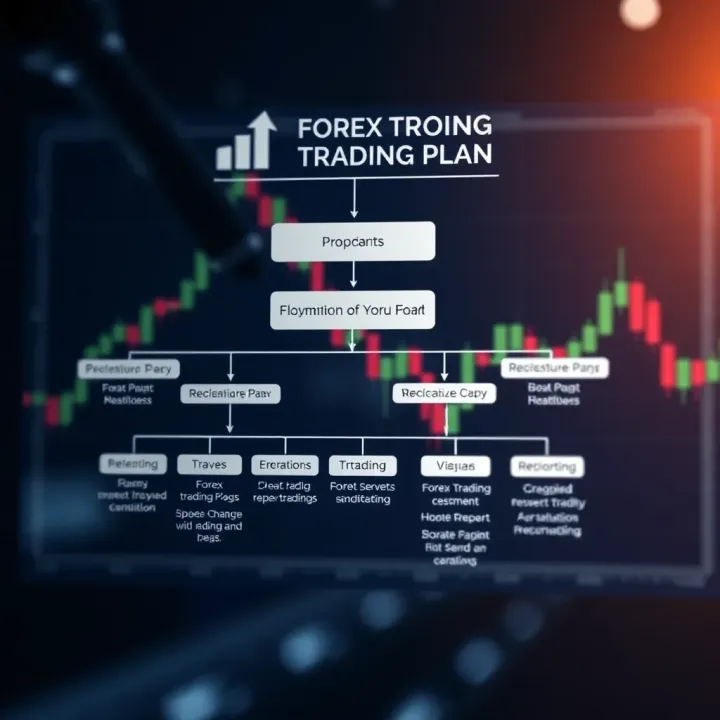
Profit targets based on realistic expectations help you set achievable milestones. For example, aiming to grow your trading capital by 5% monthly is more practical than chasing double-digit returns which often expose you to unnecessary risk. Realistic targets prevent frustration and curb impulsive trades, especially when the markets shift suddenly.
Time frame for trading activities determines whether you engage in short bursts or longer-term trades. Nigerian traders juggling daily jobs or unreliable power may prefer a swing trading approach, holding positions for days to allow flexibility. Conversely, day traders suited for quick turns should factor in access to stable internet to avoid execution delays that can erode profits.
Aligning goals with personal financial situation means adapting your plan to how much you can afford to lose without hardship. For instance, if your disposable trading capital is ₦100,000, expecting to live off returns immediately is unrealistic. Set conservative goals and make trading a disciplined venture within your means, rather than a source of urgent income.
Defining acceptable risk per trade usually involves risking a small percentage of your trading capital, often between 1% to 3%. Suppose you have ₦200,000 in your account; risking ₦2,000 (1%) per trade limits damage from bad positions. This discipline protects your funds through rough patches common in the Nigerian forex scene.
Using stop-loss and take-profit orders automatically closes trades when prices reach predetermined levels. For instance, a stop-loss placed 50 pips below entry shields you if a currency pair like USD/NGN suddenly dips due to CBN policy news. Take-profit orders lock in gains, helping you avoid greedy holding that can turn profits into losses.
Managing overall exposure and position sizing prevents putting too much capital on a single trade or currency pair. Breaking down your ₦500,000 capital into smaller chunks across trades can dampen shocks from naira fluctuations or currency volatility. This approach spreads risk and helps maintain steady growth.
Scalping, day trading, swing trading options suit different personalities and lifestyles. Scalpers make fast, frequent trades, but require constant internet — a tall order in some Nigerian locales. Swing trading adapts well by holding positions longer, allowing traders to step away during power outages or market noise.
Technical analysis tools practical in Nigerian context include moving averages, RSI, and support/resistance levels. Since many Nigerian brokers provide trading platforms with these indicators, focusing on toolsets you can regularly access helps avoid confusion. For example, combining RSI with trend lines can identify entry points on pairs like EUR/USD.
Fundamental analysis considerations including economic indicators are critical given Nigeria’s unique market influences. Traders should monitor CBN policies, inflation rates, and oil price trends that directly impact naira value. Understanding these factors can improve timing when trading currency pairs involving NGN or global currencies.
A sharp, well-structured trading plan bridges local market realities with global forex opportunities, enabling Nigerian traders to trade smarter and mitigate common pitfalls.
This blend of clear goals, sound risk control, and tailored trading style forms the backbone of a plan that takes Nigerian market conditions seriously, helping you navigate forex with confidence and discipline.
Developing a forex trading plan is more than jotting down ideas — it’s about creating a clear, written guide tailored to your trading style and the realities of the Nigerian market. Testing this plan ensures it works in practice, not just theory. For Nigerian traders navigating naira volatility and power fluctuations, a thoroughly crafted plan tested through historical data and demo accounts can reduce costly mistakes and boost confidence.
Documenting rules and criteria for entering and exiting trades means setting firm guidelines on when to buy or sell a currency pair. Instead of trading on gut feeling or hype, having specific entry points (like price levels or indicator signals) and exit rules (stop-loss or profit-taking levels) reduces the risk of emotional decisions. For example, you may decide only to enter trades when the 50-day moving average crosses above the 200-day on EUR/USD and exit if your loss hits 2% of your trading capital.
Recording preferred currency pairs and trading times helps you focus on manageable markets, considering liquidity and volatility patterns. Nigerian traders often find major pairs like USD/NGN or EUR/USD more predictable during global market hours than obscure exotic pairs. Sticking to trading during times when your broker’s platform is most stable—usually avoiding late night when Nigerian power outages are common—can improve execution and reduce frustration.
Accounting for Nigerian market specifics requires extra attention. Naira’s fluctuations due to Central Bank policies, fuel scarcity affecting your internet reliability, and possible delays in fund transfers mean your plan must include contingencies. For instance, you might set wider stop-loss limits during high volatility or allocate funds on platforms with reliable naira funding options like OPay or GTBank internet banking to avoid miss-outs caused by payment delays.
Using historical data to assess performance lets you see how your plan would have performed under past market conditions. If your strategy consistently produced losses during previous naira shocks or economic announcements, that’s a red flag. Many online platforms and Nigerian brokers offer tools for backtesting to help discover weaknesses before risking real funds.
Practising with demo accounts provided by Nigerian brokers offers risk-free experience, helping you familiarise yourself with trading platforms and fine-tune your rules under live market simulations. This practise protects your capital and builds confidence. Brokers like FXTM and Alpari Nigeria offer demo accounts with real-time data enabling you to test strategies easily.
Adjusting the plan based on test outcomes is a vital step. If backtesting or demo trials show frequent stop-outs or missed profit opportunities, revising position sizes, entry criteria, or risk limits can make your plan more resilient. For instance, you might notice that trading during Nigerian market hours leads to more slippage due to connectivity issues and decide to trade only during global peak hours.
Developing and testing your forex trading plan in a structured way prepares you to handle Nigerian market challenges without losing control or funds. This disciplined approach makes trading less guesswork and more strategy-driven, increasing your chances of consistent profits.
In forex trading, especially within Nigeria’s volatile financial environment, discipline and adaptability act as your safety net. A trading plan isn’t a static document; it’s a living guide meant to mould with your experiences and market shifts. Without steady discipline, even the best strategies falter, while refusal to adapt leaves you exposed to unexpected risks.
Traders often fall prey to emotional traps like fear, greed, and overconfidence. For instance, after a string of wins, some might feel invincible and increase their trade size impulsively, risking more than their plan allows. On the other hand, significant losses can cause panic selling or hesitancy, which impedes rational decision-making. Nigerian traders, confronting naira instability and frequent news shocks, must be particularly aware of these psychological barriers.
Your trading plan is your roadmap against knee-jerk reactions. By setting clear entry and exit points, stop-loss orders, and risk limits, you build rules that reduce guesswork and emotional decisions. Suppose news about Central Bank of Nigeria (CBN) policy sends the market into a frenzy; sticking to your plan means not jumping into trades driven by panic but assessing if the move fits your criteria. The plan keeps you grounded, preventing rash bets prompted by hype or anxiety.
Keeping to your plan doesn’t mean ignoring mistakes or missed opportunities. Holding periodic reviews lets you identify where emotions might have led you astray or where the market environment has changed. For example, a quarterly self-assessment can help spot if your risk tolerance has shifted or if certain currency pairs are no longer performing as expected. Honest evaluation reinforces discipline and sharpens your plan’s relevance.
The naira’s value often sways due to policy shifts or forex scarcity in Nigeria. Traders need to monitor such movements because they impact forex pairs involving the naira and the overall market mood. When CBN adjusts interest rates or implements new forex controls, adapting your plan might mean reassessing position sizes or pausing trading during volatile windows. Proactive adjustment reduces losses and capitalizes on fresh opportunities.
Staying informed about global events, Nigerian economic data releases, or political developments is vital. However, traders must filter this information through their existing plan. For example, if inflation reports hint at a naira drop, your plan might suggest tightening stop-losses or favouring specific pairs, without discarding your entire strategy. This measured integration ensures you remain flexible yet consistent.
Adapting doesn't mean being swept away by every market ripple. Consistency in your approach builds long-term success, while flexibility allows tweaks when the environment shifts. Say you trade USD/NGN pairs and notice increased transaction costs due to higher spreads — adjusting your plan to trade less frequently or switching to pairs with lower spreads could protect your capital. Striking this balance helps you avoid whiplash from erratic moves while remaining competitive.
Staying disciplined and adaptive is not contradictory; it's about steering your trading ship firmly while adjusting the sails to changing winds.
This mindset will serve Nigerian forex traders well, enabling them to thrive amid local challenges and global market twists.
Navigating the Nigerian forex scene can be quite challenging without practical tips tailored to local realities. Poor infrastructure, regulatory demands, and currency instability mean traders need targeted strategies to stay profitable and avoid common pitfalls. This section highlights hands-on advice addressing technology constraints, broker selection, and cost management—essentials to help you trade effectively and sustainably.
Choosing a trustworthy broker is not just about commissions or platform features; it can determine your success and safety in forex trading. In Nigeria, it’s essential to pick brokers regulated by reputable authorities like the Securities and Exchange Commission (SEC) Nigeria. This ensures your funds are protected and the broker operates transparently. You should also confirm the broker offers easy access to popular currency pairs and provides customer support during Nigerian business hours.
Local platforms simplify your transactions by offering seamless Naira-funded accounts, reducing reliance on international payment methods which may incur extra fees or delays. For example, platforms like OPay and PalmPay integrate well with Nigerian banks, enabling quick deposits and withdrawals without resorting to scams. This convenience avoids the hassle of fluctuating foreign exchange rates and high conversion charges, a common headache for traders using foreign accounts.
Complying with Nigerian regulations isn't optional; it’s key to long-term trading stability. Licensed brokers must verify your Bank Verification Number (BVN) and National Identification Number (NIN), helping reduce fraud cases rampant in unregulated markets. Also, working with compliant brokers makes reporting income to the Federal Inland Revenue Service (FIRS) simpler, speeding up tax matters and reducing legal risks.
Internet access in Nigeria can be patchy with occasional blackouts, especially outside Lagos and Abuja. To manage this, consider offline trading strategies like setting stop-loss and take-profit orders in advance, so trades execute even when you aren’t online. Some mobile networks offer data plans tailored for trading apps at reduced rates; exploring these can lower your monthly internet expense without sacrificing connectivity.
Many Nigerian traders prefer mobile apps due to convenience and affordability. Selecting an app with simple navigation and reliable performance reduces the chance of missing trade signals during busy days. Platforms like MTN’s Mobitrade, and GTBank’s trading app, provide native support, meaning faster load times and better integration with Nigerian banking systems.
Spread costs and transaction fees often eat into your profits without you realising. Nigerian brokers might charge higher spreads on illiquid currency pairs or during volatile naira periods. You should budget for these costs explicitly by reviewing your broker’s fee structure before committing. Using brokers with transparent charges helps you plan realistic profit targets and avoid sudden surprises when withdrawing profits.
Smart Nigerian forex traders pay attention to local nuances—from broker choices to tech constraints—to stay competitive and protected.
These practical tips ground your trading journey in Nigerian conditions, helping you build a plan that's not just theoretical but workable every day amid real challenges.
Explore the key benefits of forex trading 🌍💹—easy market access, high liquidity, profit potential, and smart risk management to boost your investment choices.
Discover how to choose the best forex trading platform in Nigeria 🇳🇬. Learn about key features, regulations, top local platforms, and smart tips for safer trading.

Discover key tips for Nigerian investors to choose the best forex trading approach 💹. Learn market basics, broker selection, risk management, and avoid pitfalls for better trading outcomes.

Discover how Nigerian traders can spot reliable forex trading signals 📈. Learn to choose signal providers wisely and manage risks for better profits 💡.
Based on 7 reviews