
Smart Forex Trading Tips for Nigerian Traders
Master Forex trading in Nigeria with practical strategies 💹. Learn trend analysis, risk control, psychology, and expert tips for better outcomes 📊📈.
Edited By
Amelia Watson
Forex trading presents an opportunity for Nigerians to tap into the global currency market and potentially earn from fluctuations in exchange rates. However, navigating this market requires more than just luck—it demands a clear understanding of how forex operates, practical strategies, and awareness of local market conditions.
Understanding the basics of forex is essential. Forex—or foreign exchange—is the buying and selling of currencies, where traders profit by speculating on currency price changes. For Nigerian traders, the US dollar to Naira (USD/NGN) pair often gets the most attention due to its direct link to everyday life, import-export businesses, and remittances.

Consistent success in forex trading hinges on disciplined risk management, realistic expectations, and adapting strategies to the Nigerian financial ecosystem.
Local factors can greatly impact trading results. For instance, the naira experiences volatility influenced by government policies, Central Bank of Nigeria (CBN) interventions, and external shocks like oil price changes. This volatility creates opportunities but also risks that require attention. Traders should consider how such fluctuations may affect their positions and employ stop-loss orders to limit potential losses.
Choosing the right trading platform and tools is another key factor. Platforms like MetaTrader 4/5 and local brokers approved by the Securities and Exchange Commission (SEC) Nigeria offer access to forex markets. Nigerian traders should prioritise brokers with transparent operations, good customer support, and compliance with local regulations to avoid scams.
Developing a trading plan is not optional. It should include entry and exit rules, position sizing, and clear risk limits. For example, risking no more than 2% of your trading capital on any single trade helps reduce the chance of wiping out your account during rough patches.
Finally, balancing forex trading with Nigeria’s realities like power outages and internet disruptions is important. Using reliable data bundles and investing in power backup such as inverters or generators can minimise interruptions during critical market moments.
In sum, forex trading for Nigerian investors requires practical strategies and a keen eye on local challenges. Mastering the essentials, managing risks, and selecting trusted platforms set the foundation for better trading outcomes that align with the unique Nigerian environment.
Understanding the basics of forex trading is essential before you put your money on the line. Forex, or foreign exchange, is a market where currencies are bought and sold. Nigerian traders, in particular, must grasp this foundation to navigate both global market movements and local economic conditions effectively.
Forex trading always involves currency pairs. This means you’re exchanging one currency for another. For example, EUR/USD is a common pair where the euro is traded against the US dollar. The exchange rate tells you how much of the second currency you need to buy one unit of the first currency. For Nigerian traders, understanding pairs like USD/NGN is critical because local economic dynamics, central bank policies, and demand for dollars can cause volatility.
Knowing how currency pairs work helps traders spot opportunities. If you believe the naira will weaken against the dollar, you might sell NGN and buy USD. But if the naira suddenly strengthens due to a policy announcement, your position could lose value quickly. Hence, staying updated on exchange rates and their drivers is necessary.
Profit or loss in forex trading comes from changes in exchange rates. Suppose you buy USD when the exchange rate is ₦450, and later the rate rises to ₦460. Selling your USD then nets a profit since one dollar now fetches a higher naira amount. Conversely, if the rate falls to ₦440, selling would cause a loss.
Trading involves predicting these movements correctly. But it’s not just about guessing the direction; timing matters too. For instance, sharp fluctuations during Nigeria’s ember months sometimes follow fuel subsidy changes or election results, making timing entry and exit points crucial.
Central banks like the Central Bank of Nigeria (CBN) heavily influence forex through interest rate decisions, foreign exchange reserves management, and regulations. When the CBN adjusts the monetary policy rate or intervenes in the foreign exchange market, it directly impacts supply and demand for the naira, affecting exchange rates.
For example, measures that restrict dollar access can tighten supply, pushing the USD/NGN rate higher on parallel markets. Nigerian traders should monitor such policies as they can change market conditions swiftly and alter trading strategies.
Commercial banks act as intermediaries in forex markets by facilitating currency transactions for customers and themselves. Banks’ dealings influence liquidity and pricing. Large transactions by Nigerian banks, especially dealing with importers or oil companies, can shift market trends.
For traders, knowing how banks move currency can signal potential price swings. For example, if a bank is seen accumulating dollars ahead of a major import cycle, this could push the naira weaker, providing trading signals.
Global economic happenings—like US Federal Reserve interest rate decisions, geopolitical tensions, or oil price changes—significantly impact forex markets. Since Nigeria’s economy depends heavily on oil exports priced in dollars, shifts in oil prices often ripple through the naira’s value.
A sudden drop in oil prices usually weakens the naira, affecting USD/NGN and related pairs, while US policy changes can strengthen or weaken the dollar broadly. Traders who keep tabs on world events like Fed meetings or OPEC decisions tend to make better-informed moves, avoiding surprises.
Successful forex trading hinges on clear understanding of market fundamentals — knowing what moves prices and who drives these actions allows Nigerian traders to make smarter, more informed decisions.
Risk management is the backbone of successful forex trading, especially for Nigerian traders facing local market challenges like naira volatility and unpredictable economic policies. Without sound risk control, even the most promising trading opportunities can lead to significant losses. Learning to manage risks helps safeguard your capital, allowing you to stay longer in the game and make more consistent profits.
The forex market is inherently volatile. Prices can swing sharply within minutes due to economic announcements, geopolitical events, or shifts in monetary policy. For Nigerian traders, this volatility can be amplified by sudden naira depreciation or changes in foreign exchange regulations.
This means you cannot expect to make quick, large gains without exposure to significant risk. For example, a naira-USD currency pair might react strongly to CBN policy changes, affecting your trade unexpectedly. Recognising volatility helps you prepare mentally and financially to handle sudden price movements without panic.
Patience is a trader’s best friend. Amid volatile conditions, impulsive decisions often lead to losses. Nigerian traders sometimes feel the pressure to recover losses fast, especially during the ember months when spending spikes.
Waiting for your trade setups to mature, rather than forcing entries, improves trading outcomes. If you enter a trade too early or close it too fast, you risk missing profits. Patient traders in Lagos or Abuja who respect market timing often outperform those chasing quick wins.
Stop-loss orders automatically close your trades when losses reach a set level, limiting the damage if the market moves against you. For Nigerian traders using platforms like MT4 or MT5, setting stop-losses protects your hard-earned capital from unexpected swings caused by events like election results or fuel subsidy changes.
Similarly, take profit points lock in gains once your target price is reached. This automated exit builds discipline, preventing greed from eroding profits during sudden price retracements.
Choosing how much to risk on each trade—position sizing—is crucial. For instance, risking 2% of your trading account on a single trade helps you survive losing streaks without wiping out your entire capital.
Leverage magnifies both gains and losses. Nigerian forex traders often face tempting offers of high leverage, but using too much can lead to rapid losses, especially when the naira fluctuates sharply. Controlling leverage ensures that a few bad trades don’t drain your account. Wise traders use low to moderate leverage levels, focusing on steady growth rather than fast, risky gains.
Managing risk well isn’t just about avoiding losses; it’s about building confidence and control, which are key to lasting success in forex trading.
To succeed in forex trading, especially within Nigeria's volatile market, having a reliable trading strategy is non-negotiable. It helps you avoid impulsive decisions influenced by market noise or emotions. A sound strategy acts as your roadmap, guiding when to enter or exit trades and how to balance risk with reward effectively.
Using charts and indicators is a central part of technical analysis. This approach involves studying price patterns, trends, and technical indicators like moving averages, Relative Strength Index (RSI), and Bollinger Bands. For instance, a Nigerian trader might observe that the USD/NGN pair often reacts strongly around specific support and resistance levels on their trading platform charts. Recognising such levels can help time trades better, reducing guesswork. Technical analysis suits traders who prefer quantifiable data over speculation and is especially useful for short to medium-term trades.
Following economic news and data constitutes fundamental analysis, which focuses on broader economic factors influencing currency prices. Key data includes inflation figures, interest rate decisions from the Central Bank of Nigeria (CBN), and global economic events like US Federal Reserve announcements. For example, a sudden change in CBN's monetary policy rate can affect the naira's value, directly impacting forex pairs involving NGN. Staying updated with timely economic reports, using reliable news sources, and understanding their market implications permit traders to anticipate larger moves that charts alone might miss.
Setting entry and exit rules means defining clear conditions for when to buy or sell. This might be based on a combination of technical signals—like RSI hitting an oversold level—and fundamental triggers, such as positive economic data releases. Nigerian traders can establish rules such as entering a trade only when both technical and fundamental indicators align, ensuring discipline and reducing emotional trades. Equally important is deciding when to exit, whether it’s locking profits at a set target or limiting losses through stop-loss orders.
Maintaining a trading journal is an often-overlooked but powerful tool. By recording every trade's details—entry point, reasons for the trade, outcome, and lessons learned—you create a feedback loop for continuous improvement. Imagine a trader noticing that their strategy underperforms during heavy naira volatility; the journal helps identify this pattern quicker, prompting adjustments. Over time, this practice sharpens decision-making and builds confidence, essential when navigating the often unpredictable forex market.
A consistent trading strategy anchored in clear analysis and disciplined planning lays the foundation for long-term success, more than chasing quick profits or relying on luck.
Having a personalised, well-researched approach adapts your trading to Nigeria’s unique forex environment, lifting your chances of steady gains over time.
Choosing the right trading tools and platforms significantly influences your success in forex trading. For Nigerian traders, this choice is not just about aesthetics or features—it directly affects your ability to execute timely trades, analyse markets efficiently, and manage risks effectively. A good platform can compensate for some local challenges like unstable internet and limited banking options.
The user interface (UI) of a trading platform determines how easily you can access and manage your trades. A cluttered or complex UI can slow your decision-making, especially during volatile market conditions. Look for platforms that offer clear menus, easy navigation, and straightforward trade execution. For example, platforms like MetaTrader 4 (MT4) and MetaTrader 5 (MT5) are popular because they provide a clean design, allowing traders to open or close positions with just a few clicks.
In Nigeria, where many traders manage their accounts on mobile devices due to inconsistent power supply, having a mobile-friendly interface is even more critical. Platforms that load fast and don't drain phone battery quickly give traders an edge during critical moments.
Technical indicators help you analyse price trends and market momentum to make informed decisions. The choice of platform should include a variety of reliable indicators like Moving Averages, Relative Strength Index (RSI), Bollinger Bands, and Fibonacci retracements. These tools help spot entry and exit points, especially useful when trading currency pairs involving the US dollar and naira.
Having access to customizable indicators adds flexibility; you can tailor settings to fit your strategy. Platforms without sufficient technical tools limit your ability to interpret market patterns and may cause you to miss profitable opportunities.
For Nigerian traders, local payment options are essential to avoid unnecessary delays and conversion costs. Platforms that support bank transfers from Nigerian banks such as GTBank, Zenith Bank, or Access Bank, as well as mobile wallets like OPay and PalmPay, simplify funding your trading account.
Quick and seamless withdrawal options matter greatly. Some brokers charge high fees or take several days to process withdrawals via international bank transfers or e-wallets. Choosing brokers that offer direct withdrawals to Nigerian banks avoids this headache.
Regulation ensures brokers operate transparently and safeguard traders' funds. The Nigerian Securities and Exchange Commission (SEC) oversees brokerage activities locally. Trading with SEC-registered brokers minimises the risk of fraud, which unfortunately remains a concern in Nigeria’s forex space.
Beware of brokers claiming to have «regional offices» but lacking proper Nigerian licences. Always verify a broker’s regulatory status with SEC Nigeria before depositing funds. This protects you not only legally but also gives recourse if disputes arise.
Selecting the right platform and broker tailored to Nigeria’s financial environment improves your trading reliability and safeguards your investment.
In summary, pick a trading platform with a simple, fast user interface, plenty of technical tools, and reliable mobile accessibility. Fund your trading account through trusted local payment methods and trade only with brokers authorised by Nigerian regulators. This approach gives you a practical, safer foundation to build your forex trading career.
Forex trading anywhere requires understanding the market, but Nigeria's unique economic and infrastructural conditions mean traders must tailor their approach. Naira volatility, exchange rate controls, power interruptions, and internet reliability all shape how you trade and manage risk locally. Adjusting strategies with these realities in mind improves decision-making and helps avoid unexpected losses.
The Naira often experiences sharp fluctuations due to policy shifts by the Central Bank of Nigeria (CBN) or global commodity price changes. These swings affect your entry and exit points because the local currency’s strength shapes the real value of your profits and losses. For example, a trader might close a USD/NGN position with a seeming gain in dollars but lose out if the Naira depreciates rapidly before withdrawing funds.
Because the official and parallel (black) market rates sometimes differ significantly, Nigerian traders must factor in these discrepancies when converting profits back to Naira. Ignoring this can erode anticipated gains, especially during ember months when the naira normally weakens due to increased demand for dollars.
USD-pegged currency pairs like USD/EUR or USD/GBP are popular among Nigerian traders since their value is less directly affected by local factors. Trading these pairs allows for focusing on global market dynamics rather than day-to-day Naira instability.
Still, you must consider transaction costs and potential delays in converting dollars to naira via your broker. Some platforms offer local currency accounts or faster naira withdrawals, reducing exposure to exchange rate risk. Applying tight stop-loss orders on USD pairs can also protect you when global volatility spikes.
Power outages and unstable internet remain widespread in Nigeria, risking missed trading opportunities and unplanned losses. To reduce this risk, focus on trading during periods when power supply is more stable, like early mornings before the day’s peak demand.
Using a mobile data connection, especially 4G, as a backup to your main internet provider can keep you connected during disruptions. Keep trading platforms synced regularly to ensure orders place promptly when connectivity returns.
Invest in affordable solutions like an inverter or solar-powered UPS to keep your trading devices running during NEPA (DISCO) power cuts. Many Nigerian traders use a combination of a mobile phone with a data plan and a laptop connected to a power bank or generator for continuity.
Besides power, consider brokers with low-latency servers nearby or local offices offering quick support. This helps address technical glitches fast and reduces order execution delays. Having a simple manual backup plan, such as pre-set stop-loss and take-profit orders, can also protect your position when you can’t access the platform immediately.
Nigerian forex traders who respect local market quirks and infrastructure realities often enjoy steadier results than those who rely on generic strategies unfit for the environment. Adapting your tactics to manage naira volatility and power limitations makes all the difference.
Master Forex trading in Nigeria with practical strategies 💹. Learn trend analysis, risk control, psychology, and expert tips for better outcomes 📊📈.
Explore the key benefits of forex trading 🌍💹—easy market access, high liquidity, profit potential, and smart risk management to boost your investment choices.
Discover how to choose the best forex trading platform in Nigeria 🇳🇬. Learn about key features, regulations, top local platforms, and smart tips for safer trading.
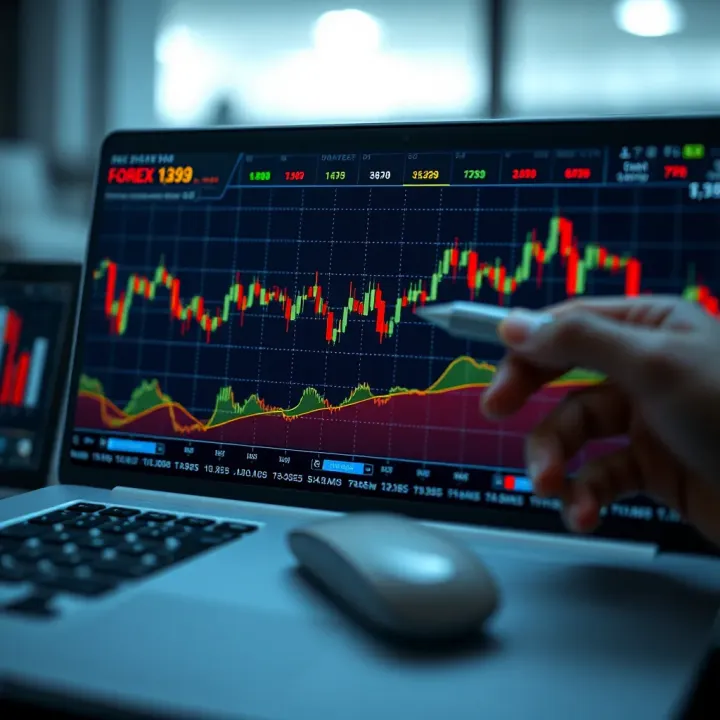
Discover key tips for Nigerian investors to choose the best forex trading approach 💹. Learn market basics, broker selection, risk management, and avoid pitfalls for better trading outcomes.
Based on 15 reviews