

Benefits of Risk Management for Nigerian Businesses
🔍 Explore how risk management boosts Nigerian businesses by securing operations, improving decisions, ensuring compliance, and supporting lasting success.
Edited By
Charlotte Dawson
In project management, risk management means looking out for anything that might go wrong and impact the success of a project. This could involve delays, cost overruns, or even complete failure of the project. Especially in Nigeria, where fluctuating currency rates, power supply challenges, and unstable regulatory environments are common, managing these risks becomes a vital part of keeping projects on track.
At its core, risk management involves three steps: identifying the risks, assessing their potential impact, and planning how to handle them. For example, if a construction project relies on imported materials, a sudden naira depreciation might increase costs significantly. Spotting such a risk early allows project managers to adjust their budget or source alternatives in good time.
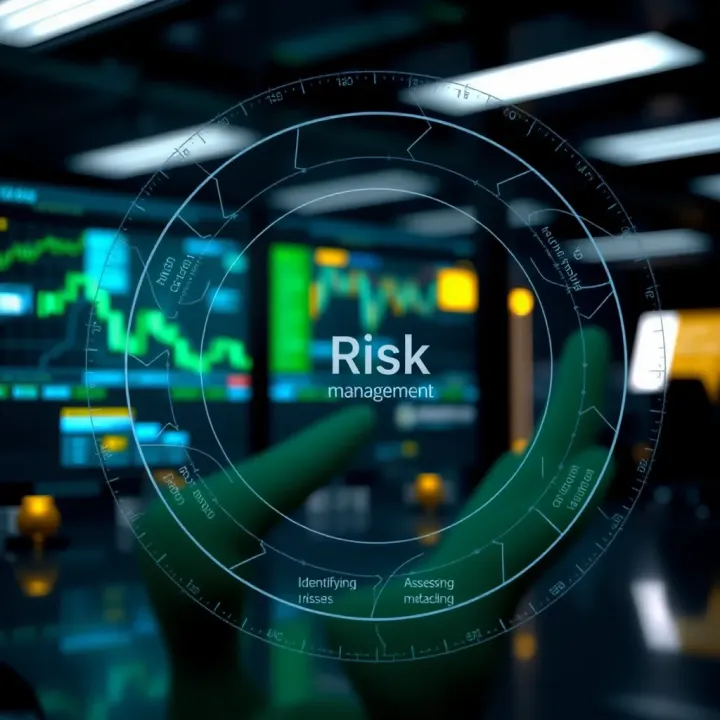
Effective risk management does more than just avoid problems; it helps businesses save money and meet deadlines. When risks are properly managed, projects are less likely to suffer unexpected setbacks that could cost millions of naira or cause damaging delays. This is especially important for investors and traders who need to see timely returns and smooth operations.
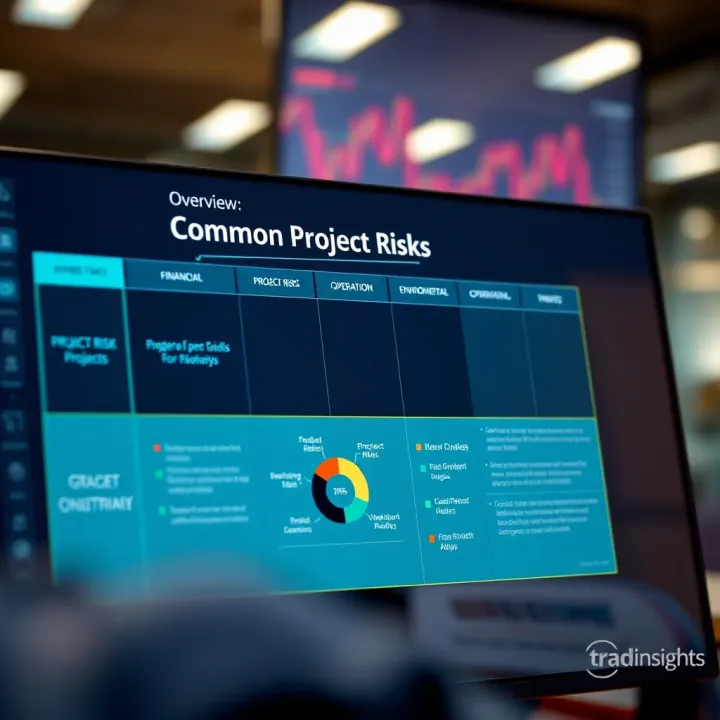
Here are some common types of risks faced by Nigerian projects:
Financial risks: Currency instability and inflation affecting project budgets
Operational risks: Power outages causing downtime or loss of productivity
Regulatory risks: Changes in government policies or licensing requirements
Environmental risks: Seasonal flooding or poor terrain impacting construction
Market risks: Shifts in demand or supply chain disruptions
Addressing these risks requires practical steps like regular risk assessment meetings, incorporating contingency funds in budgets, and engaging local partners familiar with the terrain and regulations. Tools like risk registers and SWOT analysis can support this process.
A solid risk management plan often makes the difference between a project that runs smoothly and one that stalls unexpectedly—a lesson many Nigerian businesses have learnt severally.
In summary, risk management in project management is about being proactive rather than reactive, saving both time and resources. For traders, analysts, and educators working in Nigeria's dynamic market, understanding and applying these principles can improve project outcomes and reduce unnecessary losses.
Risk management in project management is about identifying potential problems that could disrupt a project and planning to avoid them or reduce their impact. This process is essential because projects often face uncertainties that range from technical glitches to external economic shocks. For traders, investors, and financial analysts, understanding how risk is managed in projects means appreciating the effort behind delivering results on time and within budget, which ultimately safeguards investments.
A well-defined approach to risk management clarifies responsibilities and ensures everyone involved in the project understands how to detect and respond to risks. For instance, if a construction project in Lagos faces delays due to irregular power supply, a risk management plan would have anticipated this and arranged for alternative power sources to avoid costly halts. This example shows why defining risk management precisely helps in practical, real-world applications.
Risk in projects refers to any uncertain event or condition that could affect the project's objectives, whether positively or negatively. Risks might be delays, cost increases, quality issues, or even opportunities that, if seized, could enhance the project’s outcome. In simple terms, managing risk is about spotting these uncertainties early and preparing for them. For example, a software development project might consider the risk of a key developer leaving mid-project, which could cause delays.
The main goals of risk management are to minimise the chances of negative events and to maximise the opportunities that risks can offer. Specifically, it aims to protect the project’s schedule, budget, scope, and quality. This means putting measures in place to prevent problems and having backup plans ready. For example, investing in quality control could reduce the risk of defects, saving time and money.
Risk management is not a one-time task but runs throughout the project lifecycle—from initiation, through planning and execution, to closure. During initiation, risks are identified and assessed. Planning then involves developing strategies to deal with these risks. Throughout execution, risks are monitored, and responses are carried out as needed, with adjustments made if the situation changes. In the closure phase, lessons learned about risk management are documented for future projects.
When risks are ignored, projects can face severe setbacks such as cost overruns, missed deadlines, and compromised quality. These issues often lead to loss of client trust, reduced profitability, and sometimes project failure. For Nigerian projects, where infrastructural and economic challenges are daily realities, not managing risks can mean heavy losses. For instance, a manufacturing project might stall because of supply chain disruptions, making unmanaged risk costly.
In Nigeria, common project risks include currency fluctuations—the naira’s volatility can suddenly increase costs for imported materials. Power supply remains unreliable, affecting project timelines and forcing companies to rely on costly generators. Regulatory changes can also disrupt projects, such as sudden changes in tax policies or import duties. Recognising these risks upfront helps project managers prepare strategies tailored to our local environment.
Risk management plays a key role in making informed decisions during project execution. It provides a clear picture of the possible challenges and the impacts of different choices. For example, deciding whether to continue with a supplier facing delays is easier when backed by a risk assessment that shows potential alternatives and their consequences. By having this knowledge, project managers can choose paths that minimise negative outcomes and capitalise on any emerging opportunities.
Active risk management saves projects from surprises that could derail timelines or budgets. It equips project teams with the foresight needed to keep work moving smoothly, especially in Nigeria’s fast-changing business environment.
In short, defining risk management clearly helps all project stakeholders understand the scope of risks and the steps needed to control them. Whether dealing with local infrastructural problems or market uncertainties, a strong risk management framework keeps projects on track and protects investments.
Understanding the types of risks most likely to affect projects helps project managers prepare better and avoid costly setbacks. Risks generally split into two groups: internal, which stem from within the project itself, and external, which come from outside factors often beyond direct control. Knowing these categories and examples helps Nigerian investors, traders, and analysts spot pitfalls that could impact project performance and timelines.
Resource challenges are a common internal risk. Projects may suffer when key team members become unavailable due to illness, redeployment, or other commitments. For example, in a Lagos construction project, a sudden scarcity of experienced engineers can cause delays. Poor resource allocation also includes inadequate tools or budget constraints restricting essential activities. Planning needs to accommodate such possibilities with backups or resource pooling to maintain project flow.
Technical risks emerge when project requirements encounter obstacles in development or implementation phases. Take a fintech startup integrating multiple payment platforms like Paystack and Flutterwave; unexpected glitches or API compatibility issues can stall progress. These setbacks push deadlines and inflate costs, risking client dissatisfaction. Early testing and iterative reviews help catch technical faults before they escalate.
Effective communication is often underrated but crucial for risk management. Misunderstandings among project members or with stakeholders can cause errors or duplicated work. Consider a scenario where procurement and finance teams in a Nigerian agribusiness fail to align on supplier payments; delays or contract breaches become likely. Regular updates and clear communication channels reduce this risk significantly.
Projects in Nigeria often face risks tied to the broader economy, such as naira volatility or inflation. A real estate development project may find costs rising unexpectedly due to forex swings affecting construction materials' prices. Traders and investors should factor in economic indicators to adjust budgets and timelines accordingly.
Legal risks occur when evolving policies or new regulations impact project feasibility or costs. For example, sudden changes in Nigerian environmental laws may require additional compliance steps for an oil and gas project, prolonging approvals and raising expenses. Staying updated on legal frameworks and engaging legal consultants helps teams anticipate such shifts.
Supply chains in Nigeria are vulnerable due to infrastructural challenges and logistics barriers. A manufacturing project reliant on imported machinery might face delays from port congestion or customs hold-ups. Such disruptions cascade to production schedules and revenue forecasts. Contingency planning with alternative suppliers or local sourcing options helps mitigate these risks.
Keeping an eye on both internal and external risks equips project managers and investors to navigate tricky waters without losing sight of project goals. The key lies in identifying realistic risks and preparing in advance to avoid potential pitfalls.
This understanding not only supports smoother project delivery but also aligns well with the high stakes and dynamic nature of Nigerian business environments.
Managing risk is not just a box-ticking exercise; it demands a clear series of steps to keep your project on track. In Nigerian projects, where conditions can swiftly shift—from power outages to policy changes—following these steps can mean the difference between success and unnecessary losses.
The first step is to spot potential risks early. This involves brainstorming sessions with project teams, consultation with experienced stakeholders, and reviewing past project reports to detect common issues. For example, a construction project in Lagos might identify risks related to traffic delays and unreliable electricity supply upfront. Using checklists customised for Nigerian market realities can help uncover risks that external project models might miss.
After listing risks, assess how likely each is to occur and its potential effect on the project. Risk matrices are useful here, rating risks from low to high on these two criteria. Say a delay in material delivery is frequent and would push project timelines by weeks; this would be both high probability and high impact, demanding immediate attention.
Not all risks deserve equal weight. Prioritisation helps focus limited resources on what can most harm the project. Priorities usually go to risks rated high on both probability and impact. For instance, risks related to currency fluctuations affecting procurement costs in Nigeria could be prioritised over minor communication delays.
Once risks are prioritised, decide how to handle each. Avoidance means altering plans to eliminate risk, like choosing local suppliers to bypass foreign exchange risks. Reduction involves actions to lessen risk impact, such as installing generators to mitigate power outages. Transferring risks could involve insurance policies or outsourcing certain tasks. Some risks are accepted when the cost of mitigation outweighs the downside.
Good projects build fallback measures. For example, if a critical supplier is delayed, a backup vendor should stand ready. In Nigerian contexts where infrastructure challenges abound, contingency plans might also include additional budget buffers or flexible timelines.
Managing risk isn't a solo task. Bringing stakeholders—clients, communities, vendors—into the discussion ensures shared understanding and smoother implementation of risk strategies. Community engagement is vital in Nigerian projects to avoid social conflicts disrupting progress.
Risks evolve as projects move forward. Regular sessions to review and update the risk register keep the team alert. In fast-changing environments like Nigeria’s markets, what wasn't a risk yesterday could become one next tomorrow.
Flexibility is key. If a risk mitigation plan isn’t working or new risks appear—like sudden regulatory changes—adjustments are necessary. For instance, a project affected by new import tariffs must pivot procurement strategies promptly.
Digital tools like project management software help track risk status and assign responsibilities. Platforms familiar in Nigeria such as Microsoft Project or Trello, combined with localised reporting, give the team a clear picture to stay proactive.
Effective risk management means staying vigilant and adaptable, especially within Nigeria’s unique business landscape. These steps help you take control rather than be caught off guard.
Effective risk management boosts the chances of project success significantly. By identifying potential issues early, project managers can reduce costly delays and prevent budget overruns. For instance, in a Nigerian construction project, recognising fuel scarcity as a risk allows for early procurement or alternative arrangements, cutting down stoppages and extra costs when generators or machinery are needed. This approach limits surprises that often derail timelines and inflate budgets.
Meeting project objectives becomes more attainable with solid risk management. When risks are actively managed, the team remains focused on delivering key deliverables within scope, time, and quality expectations. Suppose a fintech startup in Lagos anticipates regulatory changes; managing this risk means adjusting compliance strategies promptly, ensuring the product meets legal standards while hitting launch deadlines. This alignment with objectives builds momentum and safeguards the project against goal slippage.
Building client and stakeholder confidence is another major benefit. When stakeholders see that risks are being handled proactively, their trust grows. This trust is vital, especially in Nigeria’s business environment where delays and budget blowouts can erode goodwill quickly. Transparent communication about risk controls reassures investors or clients, maintaining their support throughout the project lifecycle. For example, a project manager for an oil and gas pipeline might regularly update the community and investors about mitigation of security risks, strengthening relationships and easing approvals.
Controlling delays means keeping the project on track financially and operationally. Many Nigerian projects face unpredictable challenges like power outages or vendor hiccups. Having risk plans ready—such as alternative power sources or backup suppliers—helps nip delays in the bud and stop costs from spiralling.
A clear focus on objectives needs constant risk management. By knowing which risks might affect milestones or quality, managers can adjust plans swiftly, preventing scope creep or compromised outcomes. Nigerian software developers delivering apps for local banks often must adapt quickly to policy or market shifts; early risk management helps them keep projects aligned and on target.
Confidence grows when project performance matches expectations. Timely risk handling demonstrates professionalism and competence. In Nigeria, where projects sometimes suffer from recurring challenges, proving that risks are managed well encourages investors to commit more resources, and clients to stick through unforeseen circumstances.
Risk management helps spotlight the most pressing risks that could derail the project, allowing managers to direct time, money, and manpower where it matters. Instead of spreading resources thin, focusing on high-impact risks improves overall project resilience.
Allocating budget for risk mitigation—like securing alternative transport to dodge Lagos traffic delays—and setting realistic timelines become much easier with proper risk insight. This optimises resource use, resulting in smarter spending and better schedule adherence.
A proactive stance in Nigerian projects beats fumbling after problems arise. Rather than firefighting, teams with risk awareness act ahead of problems, reducing disruptions. For example, anticipating foreign exchange volatility in import-heavy projects lets procurement teams hedge and avoid price shocks. This smooths operations and keeps goals within reach.
Managing risks well turns uncertain projects into controlled enterprises. It pays off in saved costs, on-time delivery, and solid stakeholder trust — all vital for projects navigating Nigeria’s unique challenges.
Managing risks in Nigerian projects requires a sharp focus on the challenges unique to the local business environment. Understanding these challenges allows project managers to prepare and respond effectively, reducing costly disruptions and increasing chances of success. Nigerian projects often face issues that may not be as prevalent elsewhere, so tailoring risk management practices to this context offers practical benefits.
Poor infrastructure and unreliable power supply remain major hurdles for projects across Nigeria. Frequent power outages force many businesses to rely on generators, driving up costs and causing delays. For example, a construction project stalled for days because heavy equipment could not operate without a stable power source, pushing the completion date back by weeks. Poor road networks and inconsistent internet connectivity also complicate logistics and communication, increasing the risk of missed deadlines and budget overruns.
The Nigerian Naira often experiences significant fluctuation against major currencies like the dollar, impacting project costs and procurement. Inflation further drives up prices of materials, labour, and services steadily over project timelines. For instance, a project budgeted at ₦100 million could escalate sharply if currency depreciation raises import costs. Without risk planning for these factors, procurement and budgeting errors become common, hampering delivery and profitability.
Businesses in Nigeria face frequent shifts in regulatory rules and government policies that directly affect projects. Changes in tax rates, import duties, or environmental requirements can disrupt schedules and increase costs unexpectedly. For instance, the sudden introduction of levies on construction materials necessitates quick budget adjustments. Navigating this uncertainty demands robust risk mapping and maintaining open channels with regulators to anticipate and adapt to new developments.
Flexibility is a must-have in Nigerian project management. Incorporating buffers in timelines and budgets helps absorb shocks from infrastructure hiccups or currency swings. For example, adding a 10% contingency fund can cover unforeseen price hikes, while allowing extra time can ease disruption caused by power outages or transport delays. Such adaptability ensures projects stay on track despite local uncertainties.
Nigerian projects succeed better when local stakeholders and communities are involved early and regularly. This builds trust, eases access to resources, and minimises resistance that could stall progress. For example, involving community leaders in project discussions helps address land use concerns and gain local support. This approach also opens avenues to tap indigenous knowledge and informal networks beneficial for smooth execution.
Applying digital tools offers Nigerian project managers effective means for monitoring risks and maintaining communication in challenging environments. Platforms like Microsoft Project or local solutions help update risk registers in real time, flagging issues before they escalate. Meanwhile, WhatsApp groups or mobile apps support instant communication among stakeholders, especially where formal channels lag. Utilising technology reduces information delays and promotes quicker risk response.
Nigerian project environments require pragmatic risk management that blends flexibility, local engagement, and digital tools. Taking these factors seriously could be the difference between delayed, costly projects and successful delivery.
By recognising these unique local challenges and applying practical strategies, project managers can sharpen their risk handling ability, increasing the chances of meeting goals on time and within budget in Nigeria's dynamic business climate.
🔍 Explore how risk management boosts Nigerian businesses by securing operations, improving decisions, ensuring compliance, and supporting lasting success.

Learn how binary fission drives rapid growth in bacteria and other single-celled organisms 🔬. Understand its stages, role in biology, and medical impact.

Explore how binary format shapes computing! 🖥️ Learn about binary numbers, encoding, file formats & its role in computer processing and storage.

Learn how binary addition works with clear steps, rules, and examples. Master tips to overcome common challenges in computing contexts 📊🖥️
Based on 9 reviews