

How to Start Crypto Trading in Nigeria
Learn practical steps to start crypto trading in Nigeria 🇳🇬, from choosing reliable platforms and reading market moves to managing risks and following CBN regulations with ease.
Edited By
Edward Mitchell
Cryptocurrency trading in Nigeria has gained serious traction in recent years, driven by youth interest, rising internet penetration, and growing fintech ecosystems like Paystack, Flutterwave, and OPay. However, trading crypto here isn’t just about following global trends. You must understand the local market dynamics, power supply issues, and evolving regulations by the Central Bank of Nigeria (CBN).
Trading cryptocurrencies involves a mix of strategies to suit different goals and risk appetite. Common approaches include day trading, where trades open and close within the same day to catch short-term price swings, swing trading which focuses on holding assets for a few days to weeks to benefit from medium-term trends, and long-term investing, often called HODLing, where investors keep assets for months or years expecting substantial price appreciation.

Nigerian traders face unique challenges, like intermittent electricity and unstable internet, which can affect the timing and execution of trades. Many rely on mobile data networks, making quick decisions difficult during poor network coverage. Plus, power outages force traders to spend extra on generator fuel, impacting overall profitability.
Successful trading demands solid risk management—setting stop-loss orders, diversifying crypto assets, and avoiding emotional decisions. Nigerian traders often overlook this, risking ₦50,000 or more at once without a clear exit plan.
Accessing reliable educational materials, such as crypto trading PDFs and guides, underpins building skills safely and legally. Be cautious when downloading resources; many online materials contain outdated or misleading info. Trusted platforms and recognised training providers offer updated guides aligned with Nigerian market specifics.
To get started:
Choose reputable exchanges offering NGN trading pairs or P2P options; platforms like Binance, Quidax, and Luno remain popular.
Monitor CBN announcements for regulatory updates affecting crypto usage.
Consider power solutions and backup plans to maintain connectivity.
Use demo accounts or small investments to practice strategies.
This guide will explore practical strategies tailored for Nigerian traders, balancing proven global methods with local realities. You’ll learn how to structure trades, protect your capital, and navigate common hurdles on the crypto trading journey.
Grasping the basics of crypto trading is essential before jumping into the market, especially in a unique environment like Nigeria. Understanding what crypto trading entails, which cryptocurrencies are most relevant locally, and the platforms available gives traders a solid foundation to navigate the volatile market. This knowledge reduces risks and helps build strategies that fit Nigerian realities like naira instability and limited internet access.
Crypto trading involves buying and selling digital currencies like Bitcoin and Ethereum with the goal of making a profit from price fluctuations. Unlike traditional stock markets, cryptocurrency runs continuously 24/7, making it both an opportunity and a challenge for traders to time their moves. For Nigerians, crypto trading also serves as a hedge against inflation and naira depreciation, offering an alternative avenue for wealth preservation.
Bitcoin and Ethereum usage: Bitcoin (BTC) remains the king in Nigeria, widely accepted and held as a store of value. Many Nigerians use Bitcoin as a kind of “digital gold” to protect savings, especially amid frequent naira volatility. Ethereum (ETH) also enjoys popularity because of its smart contract capabilities which power many decentralised finance (DeFi) projects that some Nigerian traders engage with. Traders often move between these two to balance growth potential and stability.
Stablecoins and their appeal: Stablecoins like USDT (Tether) and USDC offer a peg to the US dollar, making them attractive for Nigerians who want to avoid wild price swings while keeping funds digital. In a market where the naira can lose value fast, stablecoins act as an on-ramp and safe harbour for crypto traders, enabling smoother entry and exit points without the rush out of crypto assets.
Emerging altcoins in Nigerian markets: Beyond Bitcoin and Ethereum, altcoins such as Binance Coin (BNB) and Cardano (ADA) have gained traction. Nigerian traders often explore these altcoins hoping for significant returns given their lower prices and growing adoption. However, altcoins carry more risk; thus, it’s vital to research each coin’s use case and liquidity before investing.
Nigerian exchanges like Bundle and Binance Africa: Platforms such as Bundle Africa and Binance’s African arm provide easy access tailored to Nigerian users. They support naira deposits and withdrawals, simplifying entry for beginners. These exchanges often include local payment options like bank transfers and USSD payments, making it straightforward despite Nigeria’s banking hurdles.
Global exchanges accessible from Nigeria: Many Nigerians also trade on global exchanges like Binance, KuCoin, and Kraken. These platforms offer wide selections of cryptocurrencies and advanced tools. However, traders must navigate stricter Know Your Customer (KYC) processes and sometimes limited naira support. Still, the global reach allows access to diverse assets and deeper liquidity.
Using decentralised exchanges (DEXs): Decentralised exchanges such as Uniswap and PancakeSwap operate without intermediaries, allowing peer-to-peer trading. For Nigerian traders comfortable with wallets and blockchain tech, DEXs provide anonymity and access to tokens not listed on centralised platforms. The trade-off is higher complexity and occasional network fees, which require a good understanding of blockchain mechanics.
Starting with a clear grasp of these basics can make all the difference in building confident and efficient crypto trading habits, especially within the Nigerian market’s unique challenges.
Grasping core crypto trading strategies is essential for anyone serious about navigating the Nigerian crypto market. These strategies guide how traders manage their positions and respond to volatile price movements, especially since the naira and global crypto markets can be quite unpredictable. Whether you’re day trading on Binance Africa or planning to hold assets for the long term, understanding these approaches improves your chances of consistent gains.
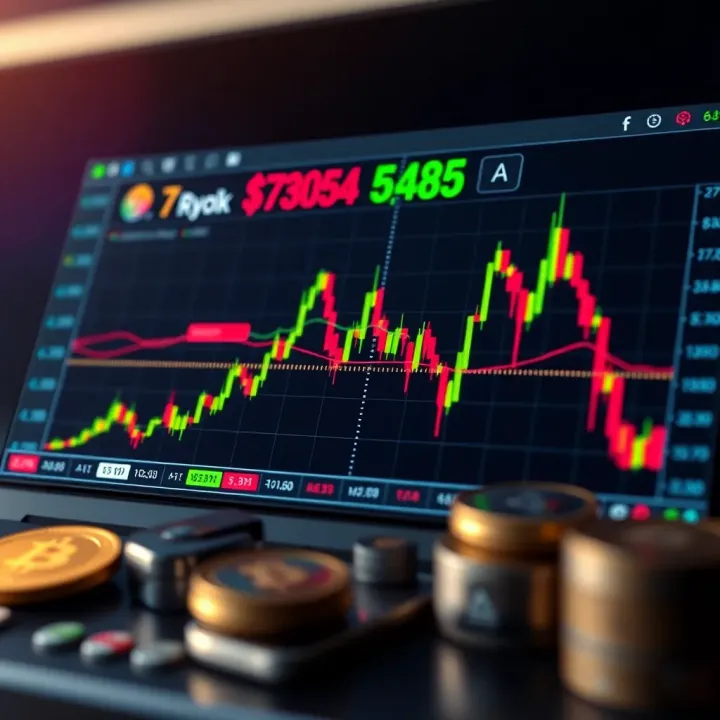
Day trading and scalping require you to capture quick price swings within hours, or even minutes. Traders watch for rapid shifts caused by market news, volume spikes, or pump-and-dump activities common on smaller altcoins. For example, a sudden surge in trading volume for Cardano on a Nigerian exchange might signal an impending price jump. Quick detection allows you to enter and exit positions before the movement fades.
Successful intraday trading depends on technical indicators like Moving Averages (MA), Relative Strength Index (RSI), and Bollinger Bands. These reveal momentum and overbought or oversold conditions. To illustrate, you might use a 15-minute chart with RSI below 30 as a buy signal. Combining indicators with real-time news feeds helps traders react swiftly, minimizing losses and capturing small profits frequently.
Swing trading involves holding crypto assets longer than day trades, usually several days or weeks, to benefit from expected price trends. For instance, a trader might buy Litecoin ahead of an anticipated software upgrade and sell after the price rallies. This strategy suits those who can't monitor markets all day but still want to catch substantial moves without the stress of intraday volatility.
Swing traders rely on identifying patterns like higher highs and lower lows, supported by trendlines or moving averages. Recognising market cycles—bull and bear phases—guides when to buy or sell. Nigerian traders often consider external factors like CBN announcements or global regulations, as these can spark new cycles. For example, a regulatory clampdown might start a bearish cycle, prompting traders to exit or short positions.
Long-term strategies look at creating a diversified portfolio to ride out market volatility. Investors might allocate funds across Bitcoin, Ethereum, and stablecoins like USDT to balance risk. A Nigerian investor interested in DeFi projects could add tokens from platforms like PancakeSwap or QuickSwap, expecting adoption growth over years. This approach reduces the stress of daily market swings and focuses on overall capital appreciation.
Investors examining long-term opportunities pay close attention to project fundamentals such as team credibility, use case, and partnerships. For example, projects focusing on blockchain solutions for Africa’s financial inclusion tend to have stronger growth potential. Tracking crypto adoption trends in Nigeria, like increasing acceptance of crypto payments or government stance shifts, also provides clues about future value.
Mastering these strategies helps Nigerian traders tailor their approach to local challenges and global market shifts. Knowing when to trade fast, hold for medium periods, or invest long term can boost your edge in the crypto space.
Risk management and security are the backbone of successful crypto trading, especially in Nigeria where market volatility and cyber threats are significant. Proper risk controls protect your capital against sudden market swings, while good security practices safeguard your funds from theft or scams. Without these measures, even the best trading strategies can quickly lead to heavy losses.
Stop-loss and take-profit orders allow traders to lock in profits and limit losses without constant monitoring. For example, if you buy Bitcoin at ₦3,000,000, setting a stop-loss at ₦2,700,000 can help avoid further losses if the market dips suddenly. Similarly, a take-profit at ₦3,300,000 ensures you secure gains once the price hits your target. This approach is crucial in Nigeria’s often volatile crypto scene where prices can swing sharply due to external events or local factors like naira depreciation.
Hardware wallets vs software wallets: Hardware wallets, such as Ledger or Trezor, store your private keys offline, protecting them from internet-based hacks. This is ideal for Nigerian traders holding large sums or investing long term. In contrast, software wallets—mobile or desktop apps—are more convenient for frequent trading but expose users to risks if the device gets compromised or malware installs itself.
Using multi-signature and cold storage: Multi-signature wallets require several approvals before transactions are executed, adding a layer of security against unauthorized access. Cold storage keeps cryptocurrencies offline entirely, often in a physical device or paper wallet, making it almost impossible for hackers to reach funds. Nigerian traders dealing with significant crypto holdings or running exchange-like operations should seriously consider these methods.
Spotting pyramid schemes and fake ICOs: Nigerian crypto markets have seen numerous scams posing as investment opportunities promising guaranteed returns or exclusive ICOs (Initial Coin Offerings). A red flag is usually unrealistic profit claims or pressure tactics to invest quickly. Always cross-check project authenticity, team credentials, and community feedback before committing funds.
Using trusted Nigerian crypto communities for information: Joining established Nigerian crypto groups on Telegram, WhatsApp, or Twitter can help traders avoid scams and gather quality insights. Communities such as MONi (@MONi_Nigeria) or local forums often share warnings about dubious schemes and timely market news. Interactions with experienced traders here reduce the chance of falling victim to fraud.
Effective risk management is not optional in Nigerian crypto trading—it is essential. Using stop-loss and take-profit points, safeguarding funds with the right wallets, and staying alert against scams form the foundation for safer and more profitable trading.
Accessing reliable crypto trading PDFs is a key step for Nigerian traders aiming to deepen their knowledge and sharpen their skills. These documents often serve as handy guides, packed with strategies, charts, and market analysis tailored to the crypto space. However, ensuring these materials come from trusted sources is vital to avoid misinformation or security risks, especially in a market where scams are common. Traders who handle these PDFs carefully can benefit from practical insights without exposing themselves to fraud or malware.
Official exchanges and educational platforms are some of the best places to get credible crypto trading PDFs. Platforms like Binance Africa and Bundle often release guides curated by experts that reflect real trading conditions in Nigeria. These materials frequently update to mirror current market trends or regulatory shifts, making them trusted tools for both beginners and seasoned traders. For example, Binance’s educational resources cover trading basics, technical analysis, and even local regulatory updates, giving Nigerian users dependable content they can rely on.
Apart from exchanges, Nigerian fintech and crypto blogs offer valuable localized content that sometimes comes in downloadable PDF formats. Blogs such as Nairametrics and TechCabal regularly discuss crypto market developments, trading strategies, and interviews with industry professionals. Their PDFs might include practical checklists or step-by-step guides reflecting Nigerian traders’ realities like naira volatility and power outages. Using these local sources provides contextually relevant information that global platforms may not address.
Cross-checking with multiple trusted sources ensures the crypto trading PDFs you use offer accurate and updated information. Since the crypto market is dynamic, relying on just one guide can be risky. Nigerian traders should compare facts, figures, and strategies from official exchange publications, fintech blogs, and even international regulatory announcements to spot inconsistencies or outdated advice. This approach avoids falling for outdated methods that may no longer work due to market shifts or policy changes.
Another critical habit is staying updated with market changes. Crypto prices and regulations fluctuate rapidly, so traders need to revisit their learning materials regularly. Subscribing to newsletters from entities like the Central Bank of Nigeria (CBN) or Nigerian Security and Exchange Commission (SEC) helps track newly imposed rules or trading limits. A PDF guide saved last year may exclude recent crypto bans or tax updates that directly affect trading decisions, so continuous education beyond just PDFs is crucial.
Using antivirus tools before downloading crypto trading PDFs is a basic yet often overlooked safety measure. Malware often hides in downloadable documents, especially on unofficial or shady websites. Nigerian traders should scan every file with reliable antivirus software like Kaspersky or Avast before opening to prevent data theft or device damage. This is particularly important when using public Wi-Fi hotspots or shared devices.
Equally important is recognising suspicious links and sites when searching for trading PDFs. Nigerian traders must watch out for websites that promise too-good-to-be-true strategies or require unnecessary personal details before allowing downloads. Red flags include poor website design, spelling errors, and unfamiliar domain names. Sticking to known platforms, like established Nigerian crypto blogs or official exchange websites, significantly reduces exposure to harmful content.
Always treat crypto trading PDFs like a tool: useful and informative, but only if sourced wisely and handled safely. A little caution upfront saves major hassles down the line.
Successful crypto trading in Nigeria means tailoring strategies to local challenges and conditions. Unlike markets with stable fiat currencies and reliable infrastructure, Nigerian traders face unique hurdles — from naira volatility and shifting regulations to unreliable power supply and patchy internet connectivity. Recognising these factors helps traders mitigate risks, seize opportunities, and sustain profitable operations.
Naira volatility affects crypto prices and liquidity, as many Nigerians exchange crypto for fiat, especially for daily expenses or savings. With frequent fluctuations in the naira-dollar exchange rate, traders must monitor forex trends alongside crypto charts. For example, during times of sharp naira depreciation, the local price of Bitcoin may spike independently of global trends. Therefore, Nigerian traders sometimes use stablecoins like USDT to hedge against local currency risks.
Liquidity constraints on local exchanges can also affect order execution. Smaller platforms may have narrower bid-ask spreads or limited volumes, leading to slippage or delays. To combat this, savvy traders often cross-check prices on global exchanges like Binance or Kraken before making moves locally. Combining different platforms ensures better price discovery and smoother trading.
The Central Bank of Nigeria (CBN) has maintained a cautious stance on cryptocurrencies. Since 2021, CBN’s directive prohibits banks from facilitating crypto transactions, complicating fiat-crypto conversions and remittances. While crypto trading itself isn’t illegal, this restriction drives many traders to peer-to-peer (P2P) platforms or decentralised exchanges to access liquidity.
Nigerian traders must remain vigilant and stay updated about evolving CBN policies, as any regulatory tightenings could impact fund access, particularly withdrawals or deposits.
Regarding taxation, the Federal Inland Revenue Service (FIRS) classifies crypto trading profits as taxable income. Traders are expected to report earnings on annual tax returns, though enforcement is still developing. For compliance, it is advisable to keep detailed records of all trades, including dates, amounts, and transaction parties. Engaging with tax professionals familiar with digital assets helps avoid surprises during audits.
Power outages in Nigeria can disrupt live trades, leading to missed opportunities or losses. Minimising downtime involves having backup power—such as generators or inverters—and using uninterrupted power supply (UPS) units for trading devices. Traders also benefit from mobile apps with offline capabilities or order automation, enabling trades even during brief power interruptions.
Internet connectivity is another critical factor. Many Nigerians rely on mobile data, which can be unstable or expensive in certain areas. To ensure continuity, traders often subscribe to multiple mobile networks (MTN, Airtel, Glo) and use data plans with flexible daily bundles. Alternative internet sources such as WiFi hotspots or broadband connections at trusted locations can supplement mobile data. Prioritising low-latency, reliable connections reduces risks during high-volatility trading periods.
Adapting crypto trading strategies around these Nigerian realities keeps traders resilient. While the challenges may seem daunting, proper preparation and awareness can turn them into manageable variables, letting you focus on sound market decisions rather than external disruptions.
Learn practical steps to start crypto trading in Nigeria 🇳🇬, from choosing reliable platforms and reading market moves to managing risks and following CBN regulations with ease.

Learn how crypto trading works in Nigeria 🇳🇬, including buying Bitcoin & Ethereum, key trading methods, top Nigerian platforms, risks, and handling naira volatility ₦.

Explore top crypto trading platforms in Nigeria 🇳🇬 with insights on fees, security, payment options, ease of use, and popular cryptocurrencies 📈🔒

Discover key tips for Nigerian investors to choose the best forex trading approach 💹. Learn market basics, broker selection, risk management, and avoid pitfalls for better trading outcomes.
Based on 13 reviews