

Binary Options Trading in Nigeria Explained
Learn the essentials of binary options trading in Nigeria 📊, including legal tips, popular platforms, common risks, and smart trading strategies to boost your success.
Edited By
Isabella Clarke
Binary options trading offers a straightforward way for Nigerian investors to tap into financial markets. Unlike traditional trading, it’s built around predicting yes or no outcomes within set timeframes. However, the simplicity can be deceiving — without solid strategies and risk management, losses mount quickly.
Understanding binary options starts with grasping the basics: you’re betting on whether an asset’s price will be above or below a certain level at expiry. Common assets include currency pairs like USD/NGN, commodities like crude oil, and stocks listed on global exchanges. Nigerian traders should pick platforms regulated by reputable bodies to avoid scams prevalent in this sector.
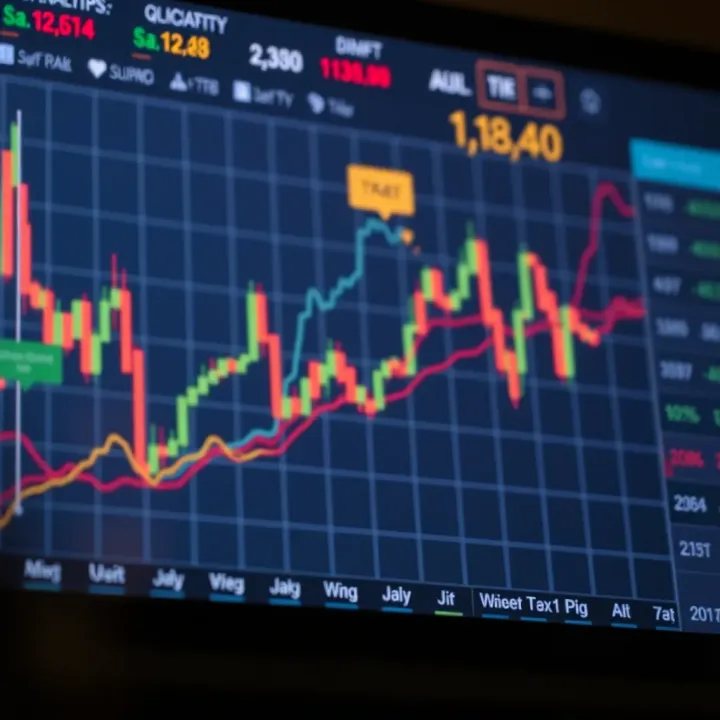
It’s vital to treat binary options as a disciplined investment tool, not gambling. Approaching trading with realistic targets and a clear plan improves your chances to secure consistent ₦ gains.
Technical and fundamental analysis underpin successful binary options trading. For example, tracking Nigeria’s inflation rate or CBN’s monetary policy announcements can influence currency pairs involving the naira. On the technical side, simple tools like moving averages or the Relative Strength Index (RSI) help spot entry points.
Regularly reviewing market news from trusted Nigerian financial sources sharpens your view. Avoid relying solely on tips from social media or hearsay, which often lead to expensive mistakes.
Strict risk control protects your portfolio in volatile markets. The common advice is risking no more than 1-2% of your capital on a single trade. This prevents devastating losses that can wipe out your account during unfavourable swings.
Diversifying trades across assets and expiry times cushions against sudden moves. Also, setting stop-loss limits — where possible — ensures you exit losing trades early. Practising on demo accounts before committing real naira can build your confidence while preventing early burns.
Success in binary options comes gradually. Instead of chasing quick profits, focus on steady growth and learning from each trade. Keep a journal of your trades to analyse what works. Over time, refining your strategy will reduce errors and improve outcomes.
Traders can combine these practical approaches with discipline to navigate binary options more effectively. Always remember, the Nigerian market context — currency fluctuations, fuel cost impact, power stability — may influence your trading decisions and timing.
With the right mindset and strategies, binary options trading can be a viable part of your investment portfolio in Nigeria.
Grasping how binary options operate is key before jumping into trading. It helps you see the risks clearly and understand what your potential returns look like. Without this foundation, it’s easy to misjudge trades or fall victim to scams, which is sadly common in Nigeria’s growing digital finance space.
Basic concept and payout structure: Binary options boil down to predicting whether an asset’s price will rise or fall within a fixed time. It’s like betting on whether a football match ends with a win or loss, just with currencies, commodities, or stocks. If your prediction is correct when the option expires, you get a fixed payout – say 70% of your investment. If wrong, you lose your stake. This all-or-nothing setup makes potential profits clear upfront but also means risk is high.
For instance, if you bet ₦10,000 on the Naira/USD pair going up, a correct call might pay out ₦17,000 (your ₦10,000 plus ₦7,000 profit). But if you were wrong, you lose the ₦10,000.
Differences from traditional trading: Unlike traditional trading where you might hold assets long-term or continuously adjust positions, binary options have a strict expiry time and fixed outcome. Traditional trading profits depend on how far prices move, but binary options pay a preset amount regardless of the price difference. This reduces complexity but also limits flexibility and can encourage impulsive decisions without proper analysis.
Popular assets: forex, commodities, stocks: Nigerian traders often focus on forex pairs like USD/NGN, commodities such as oil and gold, and popular stocks like Dangote Cement or MTN Nigeria. These assets are liquid and widely covered, giving better market data. For example, oil price fluctuations directly impact the Nigerian economy, so tracking crude oil binary options can be practical for local investors who understand this.
Regulatory considerations relevant in Nigeria: The Securities and Exchange Commission (SEC) Nigeria has cautioned that many binary options brokers operate without licences. Nigerian traders should prioritise platforms regulated by respected jurisdictions or global bodies to avoid fraud. The lack of clear local licensing for binary options adds risk, so it’s wise to only trade with brokers that follow international standards and keep client funds segregated. Awareness here protects your capital and ensures you don’t fall prey to dubious operators.

Understanding binary options fundamentals equips you with realistic expectations and safer trading habits.
This knowledge forms the bedrock upon which effective strategies are built, helping Nigerian investors navigate this high-risk market better.
Understanding core strategies is vital for anyone serious about binary options in Nigeria. These strategies give you a clear blueprint on how to enter and exit trades, manage risks, and react to market movements. Without them, trading can quickly become a gamble rather than an informed activity.
Identifying market trends is a fundamental skill in binary options trading. Trend following means recognising whether an asset’s price is generally moving upwards, downwards, or sideways over a certain period. For example, if the price of the Nigerian Stock Exchange index steadily climbs over a few days, that’s an upward trend traders might exploit by buying call options. Spotting trends helps traders avoid random price fluctuations and focus on the general direction, which increases the chance of winning trades.
Using moving averages and indicators sharpens trend identification. Moving averages smooth out price data to highlight the prevailing trend by averaging prices over a set time, like 10 or 20 days. Indicators, such as the Relative Strength Index (RSI) or the Moving Average Convergence Divergence (MACD), give additional clues about momentum strength or potential reversals. For instance, if the short-term moving average crosses above the longer-term moving average, it may signal a bullish trend, promising opportunities for call options. Nigerian traders can use platforms like MetaTrader or Olymp Trade, which offer these tools.
How to trade price ranges is about recognising when an asset’s price oscillates between two levels – the support (bottom) and resistance (top). In such cases, a trader might buy a put option near the resistance level, expecting prices to drop, or buy a call option near support, expecting a rebound. This approach works well when markets are not trending strongly but instead move sideways. For example, the price of crude oil might fluctuate within $60 to $70 per barrel for days. Traders can capitalise on these swings within the set range.
Setting entry and exit points effectively is key to maximising profits and limiting losses in range or boundary trading. Entry points should align near the support or resistance to increase success chances, while exit points depend on your option expiry times. If the expiry is too long, unexpected price moves can eat into profits, while too short might not capture the expected price reversal. Nigerian traders must match their time frames with the underlying asset’s volatility to avoid premature losses.
Capitalising on economic releases such as Nigeria’s inflation reports, Central Bank policy announcements, or crude oil inventory data can offer sharp trading chances. These scheduled releases often cause sudden price jumps, providing traders with opportunities to place binary options based on expected market direction. For example, if the CBN raises interest rates unexpectedly, the naira might strengthen against the dollar, allowing forex option traders to predict upward price moves.
Managing volatility around news events is crucial because price spikes can be erratic and risky. Traders should either avoid trading immediately before major releases or use smaller trade sizes if they must participate. Also, one should understand that prices might overshoot and reverse quickly after initial moves. A practical approach is to wait for the market to settle after a news event, then trade based on confirmed market direction to reduce losses.
Mastering these core strategies helps Nigerian binary options traders make informed decisions, not just guesses. Learning to spot trends, trade within ranges, and navigate news volatility forms the backbone of successful trading.
Managing risk is the backbone of successful binary options trading. Without a clear risk management plan, traders expose themselves to unnecessary losses that can quickly wipe out their capital. Especially in the Nigerian context, where market volatility can be intense and access to reliable data sometimes limited, preserving capital helps maintain longevity in trading rather than chasing quick, risky wins.
Setting appropriate trade sizes is key to protecting your trading account. Rather than committing large sums on a single trade, it's wise to allocate a small, consistent percentage of your total capital—say 1% to 3%—for each trade. For instance, if you have ₦100,000 set aside for trading, keeping trade size to ₦1,000–₦3,000 per option keeps losses small and manageable. This approach helps you survive losing streaks without burning through your funds.
Diversifying trades further reduces risk by spreading your exposure across different asset classes or expiry times. Instead of betting only on a single forex pair like USD/NGN, you might split your trades among forex pairs, commodities such as crude oil, and popular Nigerian stocks like Dangote Cement or MTN Nigeria. Diversification prevents overdependence on one market behaving a certain way. In practice, if one asset moves unfavourably, others could compensate, stabilising your overall returns.
Understanding odds and payout ratios is crucial before placing trades. Binary options platforms typically offer fixed payouts—often around 70% to 85% of your investment if a trade wins. But losing means you lose your full stake. This setup means breaking even requires winning roughly 55% or more of your trades. Traders who ignore payout ratios risk thinking a few wins cover many losses, which is often false. Always calculate the risk-reward balance before entering trades and avoid chasing outsized returns.
Emotional discipline and avoiding overtrading are no less important. The urge to recover losses quickly can push traders into overtrading, placing multiple impulsive bets without strategy. Such behaviour often leads to bigger losses. Maintaining discipline means sticking to your trading plan, not allowing frustration or excitement to dictate decisions. For example, if you set a daily maximum loss of ₦5,000, stop trading once you hit that limit. This respect for limits protects your capital and mindset.
Managing risk effectively, especially through capital preservation and avoiding typical mistakes, enables you to navigate the unpredictable binary options market much better. Trading without such safeguards is like driving a fine car blindfolded—sooner or later, a crash is inevitable.
By treating risk management as a priority, Nigerian traders can build more consistent results and avoid the common traps that cause many beginners to lose money fast.
Successful binary options trading depends heavily on the right tools and resources. These help traders analyse markets accurately, minimise risks, and sharpen decision-making skills. Without a solid toolkit, even the best strategies can fall short in dynamic markets, especially for Nigerian traders navigating local challenges like currency fluctuations and volatile market conditions.
Using charts and indicators is essential for making sense of market movements. Traders rely on visual tools like candlestick charts, which show price action clearly over different timeframes. Indicators such as the Relative Strength Index (RSI) and Moving Average Convergence Divergence (MACD) help identify momentum, overbought or oversold conditions, and potential trend reversals. For example, spotting a bearish MACD crossover on the forex pair USD/NGN could signal an opportune moment to place a put option.
In Nigeria, several platforms offer integrated charting and technical analysis suited for binary options. MetaTrader 4 (MT4) remains popular for its ease of use and wide range of indicators, while Olymp Trade provides a beginner-friendly interface with built-in chart patterns. Choosing platforms that support mobile trading is crucial due to frequent power outages and inconsistent internet connectivity. Traders often prefer OPay or other mobile-centric platforms that allow quick execution without lag.
Quality tutorials and guides form the backbone of improving trading skills. Nigerian traders should seek out materials from reputable providers like Investopedia, BabyPips, and local fintech educational blogs. These resources often cover practical concepts such as risk-to-reward ratios, money management, and the psychology behind trading decisions. For instance, understanding how to balance a portfolio between high and low-risk binary options can be the difference between steady gains and rapid losses.
Demo accounts provide a risk-free environment to practice these strategies. Platforms like IQ Option and ExpertOption offer Nigerian users access to virtual funds, allowing them to familiarise themselves with market behaviour and platform features. This practice helps refine entry and exit timing without risking capital, which is especially valuable given the fast-paced nature of binary options. Repeated demo trading also builds the confidence and discipline required before venturing into live trades.
Having the right analysis tools and educational resources give Nigerian traders a real edge. They allow you to trade smarter, avoid costly mistakes, and build a strategy that matches your risk appetite and financial goals.
In sum, investing time in mastering technical tools and leveraging demo accounts will boost your chances of success in binary options trading within Nigeria's unique market environment.
Binary options trading can be rewarding, but setting realistic goals keeps expectations aligned with market realities. Without clear benchmarks, traders risk overtrading or chasing losses. This section breaks down how understanding profit potential and risks, along with developing a personal trading plan, helps sharpen focus and improve long-term results.
Balancing potential returns with your risk tolerance is key. Binary options offer fixed payouts, often promising quick profits. However, these gains rarely come without a chance of loss. For example, if a trader invests ₦10,000 on an asset predicting a rise and the option expires out-of-the-money, the entire capital is lost. Nigerian traders must assess how much they are willing to risk per trade in relation to their overall trading capital to avoid wiping out funds during losing streaks.
Understanding your comfort with risk helps prevent reckless decisions. For instance, a conservative trader might limit each trade to just 1-2% of their total capital. This approach preserves capital during tough periods and allows the trader to see consistent growth over time, even if winning trades yield modest returns.
Recognising the speculative nature of binary options reminds traders to treat this market as high-risk. Unlike traditional investments, binary options are short-term bets on direction, duration, and price levels rather than ownership of assets. This speculative setup means outcomes can be unpredictable, especially with volatile forex pairs or commodities popular in Nigerian trading circles.
Approaching binary options as a form of speculative trading—not guaranteed income—helps manage disappointment and reinforces the need for strategy and discipline. For many Nigerian traders, this mindset guards against emotional decisions that often lead to losses.
Defining clear objectives provides the roadmap every trader needs. Goals might range from gaining ₦50,000 monthly without risking more than ₦100,000 capital, or aiming for consistent profitability rather than huge one-off wins. Clear objectives help filter out impulsive trades driven by greed or fear.
Writing down your objectives creates accountability. For example, a trader might set: “I will only risk 2% of my capital per trade and close positions by pre-set expiry times.” This stops emotional shifts that might otherwise cause poor judgment in live markets.
Tracking performance is another vital step for improvement. Keeping a trading journal that records entry price, expiry, outcome, and market conditions offers concrete data for review. Nigerian traders can use this to identify patterns, such as which assets perform better during specific market sessions.
Regular review of performance shines light on strengths and areas needing adjustment. If a trader notices losses cluster around certain economic news releases, they might decide to avoid trading during volatile windows or adapt their strategy accordingly.
Clear goals and honest tracking turn speculation into a practice with structure, raising chances of steady growth rather than rapid losses.
In sum, setting achievable goals and understanding the risks involved enables Nigerian traders to approach binary options with realistic expectations and a plan to improve steadily over time.
Learn the essentials of binary options trading in Nigeria 📊, including legal tips, popular platforms, common risks, and smart trading strategies to boost your success.

Explore binary options trading in Nigeria 📈. Learn how it works, risks, legal points, strategies, and tips for safe and smart trading decisions.
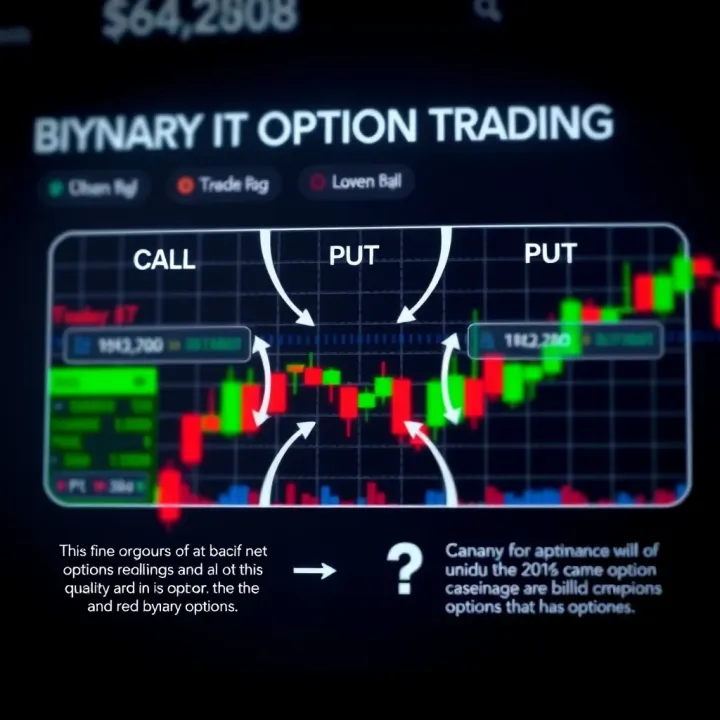
Explore binary options trading in Nigeria with clear tips, safety guides, strategies, and scam prevention. 📊💡 Stay informed and trade smart!

Discover key tips for Nigerian investors to choose the best forex trading approach 💹. Learn market basics, broker selection, risk management, and avoid pitfalls for better trading outcomes.
Based on 7 reviews