

Understanding Risk Management in Projects
🔍 Learn how to spot, assess, and control project risks in Nigeria’s business scene. Avoid costly delays and manage ₦-millions smartly with practical risk tips.
Edited By
Henry Walker
Risk management is essential for any business or individual aiming to protect their interests from unforeseen events. It involves identifying possible risks, measuring their impact, and putting strategies in place to reduce or handle those risks effectively. In Nigeria’s dynamic economy, where market fluctuations, regulatory changes, and infrastructure challenges are common, understanding the various types of risk management becomes especially useful.
Different kinds of risks require different responses. For instance, financial risk management focuses on protecting a company’s capital, ensuring liquidity, and managing credit exposure. This is crucial for traders and investors who deal with volatile markets, foreign exchange movements, or sudden price shocks. Operational risk management, on the other hand, tackles risks arising from internal processes—such as system failures, staff errors, or supply chain disruptions common in sectors like manufacturing or logistics.
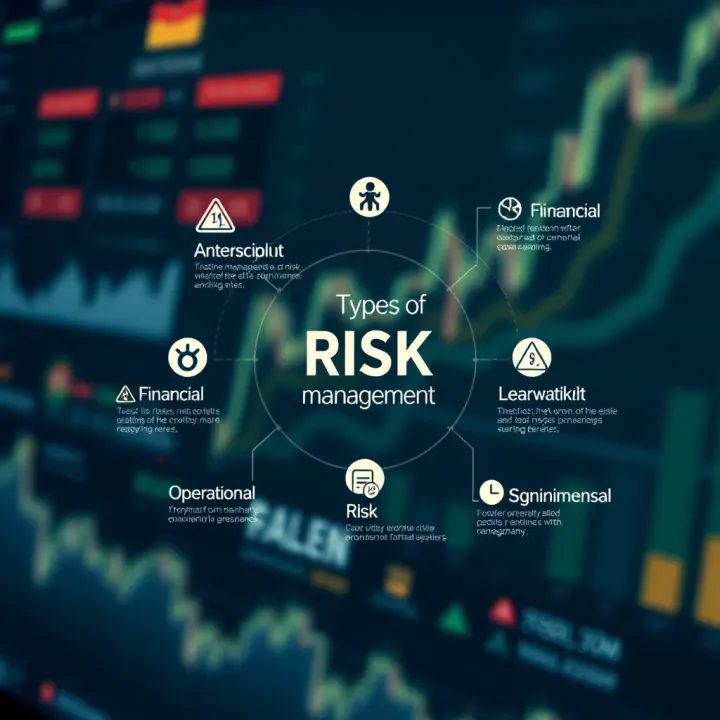
Strategic risk management looks at long-term threats that might affect a company’s direction. For example, a Nigerian bank planning regional expansion must consider political instability or changing regulatory environments across states or neighbouring countries. Meanwhile, compliance risk management ensures that organisations follow laws and regulations to avoid penalties and reputational damage — for example, adhering to Central Bank of Nigeria (CBN) guidelines or the Nigerian Communications Commission (NCC) rules for telecom firms.
Effective risk management lets businesses avoid heavy losses, maintain customer trust, and stay competitive amid uncertainty.
Here’s a brief overview of common risk types and key considerations:
Financial Risk: Currency volatility, credit defaults, investment losses
Operational Risk: Equipment breakdown, human errors, cyber-attacks
Strategic Risk: Market competition, political events, disruptive technologies
Compliance Risk: Regulatory breaches, tax non-compliance, licensing issues
Understanding these categories helps traders, investors, and financial analysts to apply tailored strategies. For example, a commodity trader might use hedging to reduce price risk, while a fintech startup invests heavily in compliance consultancy to meet regulatory standards.
By mastering these different aspects of risk management, Nigerian businesses can shield themselves from shocks — preserving assets, strengthening operations, and making smarter decisions amid an often unpredictable business environment.
Risk management is essential for any business or individual that wants to protect resources and achieve objectives in a world full of uncertainties. In Nigeria, where economic and operational challenges often arise unexpectedly—like fuel scarcity affecting transport costs or sudden policy changes impacting businesses—managing risks proactively can make all the difference. This section focuses on why understanding risk management matters and how practical approaches can safeguard investments and operations.
The main goal of risk management is to identify potential issues before they cause harm and to develop effective responses. For example, a trader dealing in imported electronics must consider currency fluctuations and customs delays. By anticipating these risks, they can negotiate better payment terms or maintain safety stock to avoid losses. Effective risk management also helps businesses meet regulatory demands, maintain customer trust, and secure credit lines by showing lenders that risks are well managed.
Proper risk management isn’t just about avoiding losses; it’s about enabling steady growth by preparing for what could go wrong.
In Nigeria’s dynamic market environment, companies that overlook risk assessment face disruptions that could have been mitigated with timely action. This explains why risk management forms a core part of business strategy rather than a standalone process.
Managing risk relies on a few fundamental principles. First is risk identification—spotting what could threaten your goals. For instance, a fintech startup should track cyber threats alongside operational risks. Second, assessing the impact and likelihood lets you prioritise which risks need immediate action and which can be monitored over time. Third, you apply risk controls like diversification, insurance, or process improvements to reduce potential harm.
Risk management is an ongoing process; continuous monitoring is crucial because new risks emerge as business conditions change. Nigerian investors, for example, know that fuel subsidy removal or naira instability can impact costs or earnings suddenly, requiring quick adjustments.
Here is a basic approach used widely:
Identify risks: Map out possible hazards.
Assess risks: Rate their severity and probability.
Control risks: Decide on avoidance, reduction, transfer, or acceptance.
Monitor: Regularly review risk status.
Implementing these steps consistently helps keep businesses and investments resilient.
This introductory understanding lays the groundwork for exploring specific risk types like financial, operational, and compliance risks. Each has unique challenges and solutions tailored to Nigerian realities, which subsequent sections will examine in detail.
Financial risk management stands at the core of protecting businesses from unexpected losses that can arise from market shifts, credit issues, or liquidity shortages. In Nigeria, where currency fluctuations and interest rate changes can happen swiftly, sound financial risk management ensures that organisations maintain stability despite volatile economic conditions. Beyond preventing losses, it supports decision-making by clarifying potential financial pitfalls and offering strategies to minimise their impact.

Market risk refers to the danger posed by adverse movements in prices, interest rates, or foreign exchange rates. For example, a Nigerian exporter accepting payments in dollars faces foreign exchange risk if the naira weakens significantly. Similarly, investors in Nigerian government bonds confront market risk when interest rates rise, leading to falling bond prices.
Credit risk, on the other hand, arises when borrowers fail to meet their repayment obligations. Nigerian banks often assess credit risk meticulously to avoid bad loans that could drain their capital. Managing this risk involves thorough credit analysis, setting exposure limits, and monitoring borrowers continuously to detect early signs of default.
Liquidity risk emerges when an organisation cannot access cash quickly without incurring heavy losses. Nigerian businesses, particularly small and medium enterprises (SMEs), frequently struggle with liquidity during payment delays or market downturns. Effectively managing this risk means maintaining sufficient cash buffers and having reliable credit lines to bridge temporary shortfalls.
Investment risk involves potential losses from asset price declines or poor investment choices. For example, a pension fund in Lagos investing heavily in one sector like oil may suffer severely if oil prices fall. Diversification across different sectors or asset classes is a practical way Nigerian investors reduce this kind of risk.
Financial risk management employs quantitative and qualitative tools to safeguard assets and earnings. Value-at-Risk (VaR) calculations estimate the worst expected loss over a given period at a certain confidence level, helping Nigerian traders and fund managers quantify exposure.
Scenario analysis and stress testing are also common, simulating extreme market conditions such as sudden naira devaluation or steep interest rate hikes to evaluate vulnerabilities.
Besides modelling, firms use hedging instruments like futures contracts, options, and foreign exchange forwards to mitigate specific risks. For instance, a Nigerian oil company might lock in price contracts to stabilise revenues despite global oil price swings.
Efficient financial risk management provides businesses with a clearer picture of vulnerabilities, enabling them to prepare for or avoid significant financial shocks in a country where economic variables change quite rapidly.
Overall, managing financial risk in Nigeria demands an active, informed approach, blending reliable data, tested techniques, and practical controls suited to local market realities.
Operational risk management plays a vital role in safeguarding business processes and resources from unexpected disruptions and losses. It addresses risks arising from day-to-day operations, such as system failures, human errors, or external events. For Nigerian businesses, managing operational risks means avoiding costly downtime and protecting reputation, especially in sectors where logistics and technology form core activities.
Identifying operational risks requires a thorough review of all internal processes, staff behaviour, and external dependencies. This involves mapping workflows and spotting areas where errors or delays could occur. For example, a bank might notice that manual data entry causes frequent mistakes, increasing the chance of financial discrepancies. Once risks are detected, assessment follows by evaluating their frequency and potential impact on operations. Using a risk matrix—categorising risks by likelihood and severity—helps prioritise which threats to address first. Regular risk assessments ensure emerging vulnerabilities don’t go unnoticed.
Supply chain disruptions are common operational risks, especially for Nigerian firms relying on international suppliers or local transport like danfos or okadas. Delays, theft, or poor inventory management can halt production or sales. Technology risks include malware attacks, software glitches, or downtime from unreliable internet connections—common issues in Nigeria’s tech environment. Effective risk management here involves diversifying suppliers, maintaining good local contacts, and investing in cybersecurity measures suited to local challenges. For instance, a Lagos-based e-commerce company might back up its data daily and secure payment systems with multi-factor authentication to avoid losses from hacking.
Operational risk also covers employee safety and fraud. Unsafe conditions not only put staff at risk but can attract legal penalties and hurt productivity. Employing strict safety protocols in factories or construction sites, such as regular equipment checks and training, reduces accidents. Fraud prevention demands vigilant internal controls to detect unusual transactions or behaviour. Nigerian SMEs often face challenges with cash handling; using digital payment solutions like Paystack or Flutterwave can limit fraud risks. A solid whistleblowing policy can also encourage employees to report suspicious activity without fear.
Good operational risk management protects businesses from surprises that can cripple day-to-day activities. It’s about being proactive rather than reactive.
Taking these steps ensures that operational hiccups don’t snowball into financial losses or reputational damage, especially crucial in Nigeria’s fast-moving and sometimes unpredictable business climate.
Strategic and compliance risk management helps businesses map out decisions that keep them competitive and lawful. In Nigeria's volatile market—where policy changes and economic shifts occur frequently—organisations need clear strategies to handle risks that might undermine their goals or violate regulations.
Managing risks in business strategy involves anticipating challenges that could disrupt long-term plans. For example, a Nigerian textile firm expanding regionally must assess currency fluctuations, import restrictions, and local demand changes. Failing to consider these risks could lead to costly errors and stalled growth. A practical approach is scenario planning, where firms outline possible futures and craft flexible responses. This helps in adjusting strategies swiftly when uncertainties unfold, such as sudden shifts in government tariffs or competitor moves.
Compliance risk arises when businesses fall short of laws and regulations, which in Nigeria span tax rules by FIRS to environmental standards enforced by NESREA. For instance, a bank that neglects anti-money laundering guidelines risks hefty fines and reputational damage. Staying compliant requires continuous monitoring of legal updates and thorough staff training. Legal risk also covers contract disputes and intellectual property issues, both critical for fintech startups protecting their innovations. Therefore, companies must invest in robust legal counsel and compliance frameworks to avoid penalties and litigation.
Environmental and social risks are gaining traction, especially as Nigerian businesses face pressure from communities, regulators, and investors. For example, an oil company operating in the Niger Delta deals with environmental degradation concerns and local protests. Addressing these risks means adopting sustainable practices—like reducing gas flaring and engaging local stakeholders—to maintain social licence to operate. Ignoring these issues can lead to operational disruptions and loss of investor confidence. Integrating environmental and social risk management into corporate strategy safeguards not just the environment but also business resilience and reputation.
Effective strategic and compliance risk management is not just about avoiding losses but building trust and adaptability. Nigerian businesses that integrate these risks into their decision-making stand a better chance of thriving amidst uncertainties.
By focusing on these specific areas—business strategy risks, compliance, and environmental and social factors—companies can improve their foresight and readiness. This approach reduces surprises, safeguards assets, and ensures they meet both market demands and regulatory expectations.
Beyond the well-known categories like financial and operational risks, businesses must also consider other types that often determine long-term success. These include Enterprise Risk Management (ERM), Project Risk Management, and Reputational and Cyber Risk Management. While these may seem more specialised, they play vital roles in helping organisations navigate complex environments and avoid unexpected setbacks.
ERM takes a bird’s-eye view of risk, integrating all forms of risk across an organisation. This approach helps Nigerian businesses connect dots between financial, operational, strategic, and compliance risks rather than managing them in isolation. Upscaling ERM allows firms, particularly conglomerates like Dangote Group or large banks such as GTBank, to make informed decisions by assessing risks holistically. Key tools in ERM include risk registers and dashboards that track risk exposure continually. This method promotes a culture where risk awareness is woven into every level, reducing surprises that could lead to heavy losses.
Managing risk at the project level is crucial, especially given the large infrastructure and developmental projects common in Nigeria. Project Risk Management focuses on identifying potential obstacles that can delay timelines, inflate budgets, or impact quality. For example, a construction firm working on a large road project must evaluate risks such as fluctuating material costs, labour disputes, or security challenges along the route. Effective project risk management uses techniques like risk breakdown structures and Monte Carlo simulations to forecast possible disruptions, helping project managers prepare contingencies and adjust plans timely. This makes the difference between a successful delivery and mounting losses.
In today’s digital era, the reputation of a business can be fragile, especially in Nigeria’s socially connected society where news spreads fast. Reputational risk management involves detecting and responding to issues that could tarnish a brand, such as poor customer service or regulatory breaches. For banks like Access Bank or telecom operators like MTN, maintaining trust is central to retaining customers and partners. Closely linked is cyber risk management—the shield against threats like hacking, fraud, or data breaches. Nigerian firms are increasingly targets of cyberattacks, making it necessary to invest in cybersecurity frameworks, such as firewalls, encryption, and employee training. Neglecting this exposes businesses to financial loss, legal penalties, and damaged trust which are hard to recover.
Firms that embrace these broader types of risk management not only protect themselves from direct losses but also strengthen their resilience to survive turbulent markets and stakeholder scrutiny.
Integrating ERM, project risk, and reputational plus cyber risk management into your organisation’s risk strategy ensures you cover unforeseen areas and maintain competitive advantage. In practice, this means continual education, adopting technology for risk detection, and fostering open communication channels across teams.
These risk management types round out the comprehensive picture, preparing Nigerian businesses better to face challenges in an increasingly complex environment.
Effective risk management goes beyond theory; it demands practical steps that help businesses handle uncertainties actively. In Nigeria’s dynamic economy, where issues from naira volatility to power supply challenges frequently disrupt operations, taking hands-on approaches ensures risks are identified early, mitigated properly, and tracked consistently.
Identifying risks early is the foundation of managing them well. Various methods like SWOT analysis (strengths, weaknesses, opportunities, threats) and risk mapping help businesses pinpoint vulnerabilities across operations. For example, a Lagos-based logistics company might assess threats ranging from keke napep accidents to sudden fuel price hikes. Quantitative tools such as scenario analysis and risk scoring also provide clarity on how likely and severe risks are, aiding prioritisation. In financial firms, stress testing portfolios against market swings shows potential losses, guiding decision-making.
Once risks are clear, mitigation strategies reduce their impact or likelihood. Controls might include diversifying suppliers to secure raw materials from both local and tokunbo sources, ensuring no disruption if one channel dries up. Insurance policies cover operational risks like theft or fire, while hedging strategies protect financial positions from naira exchange rate shifts. Controls are not just preventive but reactive — contingency plans outline steps when risks happen. For instance, fintech firms often establish backup servers and cybersecurity protocols to prevent data breaches, critical in safeguarding customer trust.
Risk management isn't a one-time activity but an ongoing process. Regular monitoring through key risk indicators (KRIs) helps spot emerging threats early. Consider a bank tracking unusual transaction patterns to detect fraud attempts early before losses mount. Periodic reviews also refine risk policies based on lessons learned, new market conditions, or updated regulations from bodies like the Central Bank of Nigeria (CBN). Such reviews reinforce resilience, ensuring that strategies remain relevant amid Nigeria’s fast-changing business environment.
Practical risk management means adapting to realities on ground while staying alert to new challenges. Businesses that embed this approach safeguard assets, enhance decision quality, and maintain steady growth despite uncertainties.
Organising clear processes for risk identification, mitigation, and monitoring empowers traders, investors, and financial analysts to navigate complex markets confidently. This hands-on approach turns knowledge into action, delivering real protection and advantage.
🔍 Learn how to spot, assess, and control project risks in Nigeria’s business scene. Avoid costly delays and manage ₦-millions smartly with practical risk tips.
🌍 Learn the practical steps Nigerian businesses use to identify, assess, and manage risks. Protect your assets, reputation, and operations amid uncertainty. 📊🛡️

📊 Learn how to manage project risks effectively in Nigeria: identify, assess, and respond to challenges for better results in business and development projects.
Learn how Nigerian businesses can build a risk management framework to handle economic swings, regulatory shifts, and day-to-day challenges for steady growth 📊✅
Based on 6 reviews