

Benefits of Risk Management for Nigerian Businesses
🔍 Explore how risk management boosts Nigerian businesses by securing operations, improving decisions, ensuring compliance, and supporting lasting success.
Edited By
Henry Walker
Risk management is the backbone of steady business success, especially in Nigeria where economic and operational uncertainties abound. From fluctuating naira exchange rates to power supply challenges, companies face many risks daily. Understanding how to effectively manage these risks helps protect assets, reputation, and overall business performance.
At its core, risk management involves identifying what could go wrong, evaluating how severe those risks are, and setting controls to lessen or avoid the impact. This process isn’t just for banks or multinationals; even small businesses need to know how to spot potential problems before they grow out of hand. For example, a Lagos-based textile maker might assess supply chain delays caused by traffic snarls or fuel scarcity and plan contingencies accordingly.
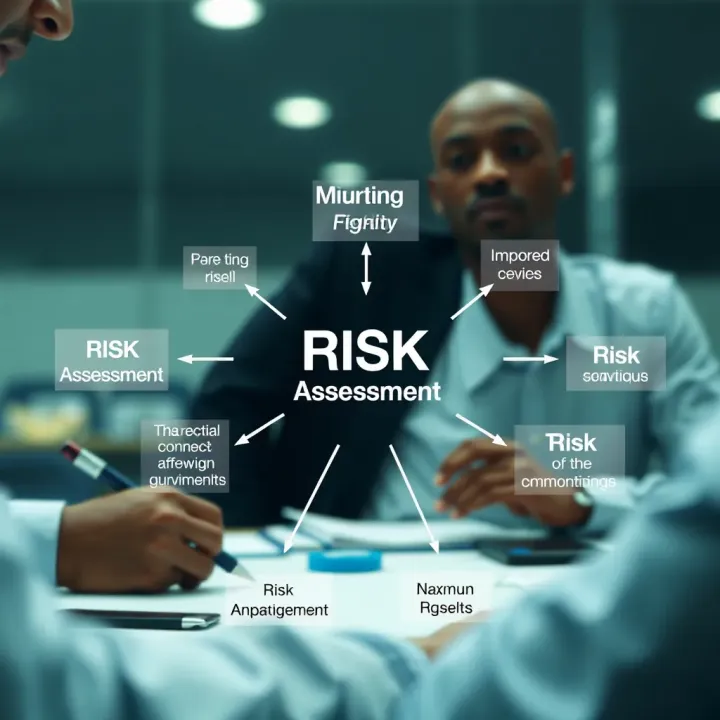
The first step is recognising risks specific to your business environment. This could mean looking at market risks such as inflation and naira volatility, operational risks like equipment failure or theft, or regulatory risks tied to changes by agencies like the Corporate Affairs Commission (CAC) or Federal Inland Revenue Service (FIRS). Once risks are mapped out, you assess both their likelihood and potential effects. Not every risk carries equal weight; a delay in raw material delivery might be common but manageable, while a cyber attack could threaten entire operations.
Effective risk management is a continuous cycle. Businesses must constantly monitor new threats and adjust strategies to stay ahead.
After assessment, the crucial stage is controlling risks. This often involves deciding whether to avoid, reduce, share, or accept the risk. For instance, a fintech startup might purchase cyber insurance to transfer some risk or apply strong encryption practices to reduce exposure.
Nigerian traders, investors, and financial analysts who grasp this process can make sharper decisions. By breaking down complicated uncertainties into manageable steps, risk management transforms from an abstract concept into a practical tool for growth and stability.
The following sections will detail each phase, offering clear guidance and real-life examples tailored to the Nigerian business landscape.
Risk management is the backbone of any serious business operation, especially in Nigeria's fast-changing market environment. The process involves identifying, evaluating, and controlling risks that could disrupt a company's objectives. For traders, investors, and financial analysts, understanding how risk management works provides a clearer picture of how to safeguard investments and operations against unexpected losses.
The relevance of risk management in this context lies in its practical benefits. For instance, a Lagos-based manufacturer unsure about fluctuating fuel prices can use risk analysis to decide on budgeting better for generator costs or exploring alternative energy options. This proactive approach reduces surprises and ensures business continuity.
Additionally, risk management is not a one-off task but a continuous process adapting to new challenges such as currency volatility, regulatory changes, or supply chain disruptions. Nigerian businesses that put this system in place tend to be more resilient and can navigate uncertainties more effectively.
At its core, risk management is the systematic process of recognising potential threats to a business and deciding how to handle them. The purpose is to minimise negative impacts while maximising opportunities. This involves assessing the likelihood of issues arising and their probable consequences, then applying strategies to reduce exposure.
For example, a stockbroker might manage risk by diversifying client portfolios to avoid heavy losses should one sector underperform. Similarly, a startup dealing with foreign exchange risk may choose to hedge transactions to protect from abrupt naira devaluation.
Company leaders use risk management to make better-informed decisions rather than gambling blindly. The purpose extends beyond prevention; it is about enabling sustainable growth with clearer awareness of the business landscape.
Nigerian businesses face a unique set of challenges that make risk management indispensable. From erratic power supply leading to increased operational expenses to frequent regulatory shifts affecting taxation and import duties, the business environment demands vigilance.
For instance, a logistics company relying heavily on fuel faces sharp cost hikes during fuel scarcity, which could cripple operations without a risk plan. Even market risks like sudden inflation or naira exchange rate swings—common occurrences here—can drastically alter profit margins.
Effective risk management helps businesses avoid avoidable losses and capitalise on market opportunities by preparing for the worst. It enables companies to remain competitive, gain investor confidence, and meet compliance requirements smoothly.
Risk management isn't just about avoiding losses—it's about smartly navigating Nigeria's business terrain to grow consistently and sustainably.
In short, mastering risk management equips Nigerian traders, investors, and analysts with tools to better predict challenges and respond swiftly, ensuring long-term success despite uncertainties.
Identifying risks is the first step Nigerian businesses must take to safeguard their operations. It involves recognising potential threats that could disrupt business activities, cause financial losses, or damage reputation. Without clear identification, risk management becomes guesswork, leading to wasted resources or missed threats. For example, a Lagos-based logistics company that identifies traffic congestion and fuel scarcity as risks can better prepare contingency plans to avoid costly delays.
Internal audits serve as a formal check within an organisation, reviewing processes, financial records, and compliance to spot vulnerabilities. Meanwhile, staff feedback provides ground-level insights often missed by formal audits. Employees who handle day-to-day operations may notice emerging risks such as equipment faults or supplier delays. For instance, a manufacturing firm might use staff reports to detect frequent machine breakdowns, which audits alone may not reveal.
Market and environmental scanning involves monitoring economic trends, competitor actions, and regulatory changes that affect business. Nigerian firms face volatile currency swings and shifting consumer behaviour, making such scanning vital. Retailers tracking inflation and customer spending patterns can adjust prices proactively. Likewise, farmers watching weather forecasts and government agricultural policies can manage crop risks better.
Engaging stakeholders—including suppliers, customers, regulators, and investors—provides diverse perspectives on risk. These groups often have valuable information about external risks or opportunities. For example, consulting banks might reveal credit market risks, while feedback from customers could highlight issues with product quality or delivery. Such dialogue helps businesses anticipate challenges before they escalate.

Operational risks arise directly from business activities and infrastructure. These include power outages, unreliable transport (like delays caused by danfo traffic snarls), and supply chain disruptions. In Nigeria, frequent electricity interruptions force many businesses to rely on diesel generators, increasing costs. An e-commerce store, for example, suffers if last-mile delivery delays occur due to poor road conditions or vehicle breakdowns.
Nigeria’s economy is often subject to sudden naira devaluation or inflation hikes, affecting costs and consumer purchasing power. Import-dependent businesses face higher expenses when the naira weakens against the dollar, raising product prices. For instance, a tech firm importing components may see sharp cost increases, squeezing margins or necessitating price changes.
New laws or unclear regulations can disrupt business plans or cause compliance issues. Nigeria’s evolving tax policies, changes in import tariffs, or licensing requirements create legal risks. A food processing company might face licence delays from NAFDAC, holding back product launches. Keeping track of legal updates ensures businesses avoid fines or operational shutdowns.
Security risks remain a major challenge in parts of Nigeria, from theft and vandalism to kidnapping. Businesses operating in volatile areas must consider physical security and employee safety. A bank branch in a high-risk neighbourhood might invest in CCTV, security guards, and staff training to mitigate robbery risks. Failure to address these concerns can lead to losses and reputational damage.
Identifying risks early allows Nigerian businesses to act smartly and protect their investments. It is not just about avoiding pitfalls but also seizing opportunities with clear understanding of the challenges ahead.
Assessing and evaluating risks is a vital stage that helps businesses understand which risks deserve urgent attention and which can be monitored over time. Without proper assessment, resources may be wasted tackling minor hazards while overlooking threats that could cause significant losses. For example, a Lagos-based fintech start-up could identify risks ranging from cyber threats to exchange rate volatility. Assessing these risks guides them on where to channel funds and efforts for better resilience.
An essential step in assessing risks is estimating how likely they are to occur (probability) and what their consequences could be (impact). Probability reflects how often a particular risk event might happen; for instance, power outages in Nigerian cities like Abuja or Lagos are frequent, thus representing high probability. Impact considers the damage if the risk happens—for example, how a persistent blackout might disrupt online transactions, costing the business thousands of naira per hour.
This dual consideration helps businesses visualise the threat more clearly and prepares them for potential outcomes. Suppose a cocoa export company finds that fluctuating exchange rates could cause 20% loss of revenue; even if this happens occasionally, the high impact means mitigation steps are necessary.
Once probability and impact are estimated, businesses often use a risk matrix to categorise risks based on severity. This matrix typically plots risks on a grid where one axis shows probability and the other shows impact, each rated on a scale (e.g., low, medium, high). A risk with high probability and high impact (such as regulatory changes affecting tariffs) sits at the top, signalling urgent action.
Rating risks this way makes the evaluation visual and intuitive. For example, a Lagos transport company facing risks from danfo accidents might assign a medium probability and high impact rating, prompting investments in driver training or vehicle maintenance. By contrast, low impact risks like occasional internet slowdowns might be accepted without extensive intervention.
Prioritising risks comes naturally after they have been assessed and rated. Businesses must channel their limited resources towards the most threatening risks, reducing vulnerabilities effectively. The focus should lie on risks that score high in both probability and impact.
Practical approaches include:
Focusing on risks that threaten financial stability or business continuity, such as currency instability or theft.
Developing response plans primarily for top-tier risks,
Continuously monitoring less severe risks to detect any changes in their status.
For instance, a retail business in Abuja might prioritise mitigating security concerns like shoplifting over minor supply delays. This prioritisation ensures efforts provide maximum protection without overstretching finances or attention.
Effective risk assessment and evaluation are not just about identifying dangers but about understanding their scale and directing resources wisely to keep the business secure and agile.
By applying structured assessment tools and prioritising responses, Nigerian businesses improve their readiness against real threats and enhance overall decision-making.
Planning and implementing risk responses is a critical phase in risk management. After identifying and assessing risks, businesses must decide how to act to minimise negative effects or capitalise on opportunities. Proper planning ensures that the organisation is not caught off-guard when risks materialise. This step involves choosing the right strategies for managing risks and putting clear actions in place to address them. Nigerian companies, especially those operating in volatile sectors like oil and gas or import-export, stand to benefit greatly from thorough risk response planning.
Avoidance means steering clear of activities that create risk. This strategy is useful when the risk is too high or the potential loss is unacceptable. For example, a small Nigerian manufacturing firm might avoid importing goods from a country with unstable currency rates to prevent loss from exchange fluctuations. While avoidance may limit potential opportunities, it protects the business from exposure to certain risks.
Reduction focuses on lessening the impact or likelihood of risk. Nigerian businesses often apply this by investing in better security measures or employee training. For instance, a logistics company could reduce theft risk by improving tracking systems and vetting drivers carefully. Reduction doesn’t eliminate risk completely but lowers it to a level the business can handle comfortably.
Transfer involves shifting the risk to another party, usually through insurance or outsourcing. A Nigerian construction firm might transfer risk by taking an insurance cover against equipment damage or project delays. Similarly, contracting out hazardous activities to specialists transfers liabilities. Transfer helps businesses protect their finances without bearing the full burden of risks themselves.
Acceptance means recognising some risks and choosing to handle the consequences if they occur. Often, this applies to minor risks where the cost of treatment exceeds potential losses. A market trader in Lagos might accept small daily cash losses due to theft as part of doing business. However, acceptance should involve monitoring to ensure risks do not grow beyond manageable levels.
Clear assignment of roles is vital to effective risk management. Designating specific team members or departments to oversee risk areas ensures accountability. For example, a bank might assign its risk management unit to monitor credit risks while operational risks fall under a different division. This clarity avoids confusion and speeds up responses when risks arise.
Risk management requires investment in tools, personnel, and training. Nigerian companies must plan budgets to support their chosen treatment strategies, such as buying insurance covers or upgrading IT security. Without proper resources, even the best plans remain ineffective. Wise allocation ensures that funds are used where they will reduce risks most efficiently.
Risk response actions need deadlines to maintain momentum and track progress. Timelines help teams prioritise urgent risks and avoid delays that could worsen losses. For example, a telecommunications company rolling out a new system might set milestones to complete security assessments before launch. Setting realistic but firm timelines keeps risk management on course.
Effective planning and implementation of risk responses turn strategy into action, protecting businesses from costly surprises and enhancing resilience in Nigeria’s dynamic market environment.
Effective risk management does not end with planning and implementation. Monitoring, reviewing, and communicating risks are ongoing processes that ensure the risk controls remain relevant and effective amid changing business environments. For Nigerian businesses, where economic conditions and regulatory frameworks can shift rapidly, these activities help organisations stay ahead of potential problems and adapt their strategies accordingly.
Tracking risk indicators means watching specific signs or metrics that signal how risks are evolving. For example, a trading firm in Lagos might monitor foreign exchange rates closely because naira volatility directly affects costs and profits. If indicators suggest rising currency risk, the company can act swiftly to adjust hedging strategies or renegotiate contracts.
Besides quantitative indicators, businesses must evaluate the effectiveness of their risk controls regularly. If a manufactory’s generator costs are excessive due to fuel price hikes, that suggests the current risk response around power interruptions needs review. Tracking effectiveness is about measuring results and being ready to tweak or overhaul risk treatment when it no longer delivers value.
Internal reporting links the risk management team with decision-makers, typically senior management or the board. For Nigerian businesses, consistent and clear risk reporting helps these stakeholders understand emerging challenges and resource needs. For instance, a bank might provide monthly reports highlighting credit risk trends impacted by economic slowdown or changes in Central Bank of Nigeria (CBN) policies.
Good risk communication internally ensures timely decisions that prevent escalation. It also promotes accountability, since clear responsibilities get documented alongside risk statuses and mitigation steps. Without this, management may remain unaware of growing risks until it’s too late to respond effectively.
Communicating risk information to external stakeholders safeguards reputation and builds trust. Investors, regulators such as the Securities and Exchange Commission (SEC), creditors, and even customers in sectors like oil and gas or fintech expect transparency. For example, if a Nigeria-based fintech experiences a cyber threat, timely disclosure alongside remediation efforts can preserve confidence and avoid regulatory penalties.
Moreover, keeping vendors and partners informed about supply chain risks helps coordinate joint responses. It also aids compliance with regulatory requirements requiring public risk statements or disclosures. Overall, external engagement is a strategic tool to manage expectations and reduce surprises.
Risk management must evolve constantly to match shifting risks and business contexts. Lessons from risk incidents, audit findings, or new market trends should feed into improving frameworks and controls. Nigerian companies that successfully navigate ember months’ supply and security challenges often highlight how continuous learning and adjustment saved them from losses.
Periodic reviews, involving cross-functional teams, should challenge assumptions and test whether risk appetite and tolerance levels remain realistic. Investing time and resources in training staff on new risks or updated systems is also vital for sustainability. Continuous improvement turns risk management from a one-time duty into a dynamic, embedded business culture.
Monitoring, reviewing, and communicating risks turn plans into live practices. They keep Nigerian businesses alert, accountable, and adaptable in a world full of uncertainties.
🔍 Explore how risk management boosts Nigerian businesses by securing operations, improving decisions, ensuring compliance, and supporting lasting success.

Learn how binary fission drives rapid growth in bacteria and other single-celled organisms 🔬. Understand its stages, role in biology, and medical impact.

Explore how binary format shapes computing! 🖥️ Learn about binary numbers, encoding, file formats & its role in computer processing and storage.

Learn how binary addition works with clear steps, rules, and examples. Master tips to overcome common challenges in computing contexts 📊🖥️
Based on 8 reviews