

Understanding Binary Gender and Its Impact in Nigeria
Explore binary gender's history, cultural impact, and the growing acceptance of non-binary identities in Nigeria 🌍👥 Gender beyond the binary.
Edited By
Charlotte Stevens
Project risk management is about spotting potential problems that might affect a project and dealing with them before they blow up. For traders, investors, and financial analysts in Nigeria, understanding this process means better control over investments and operations, reducing losses from unforeseen challenges.
Project risk management involves several steps: identifying risks early, assessing how likely they are and their potential impact, and developing responses to either avoid, reduce, or accept them. Take, for example, a real estate development company in Lagos. They must consider risks like fluctuating construction material prices due to naira volatility, delays caused by power outages requiring diesel generators, and regulatory changes from the Lagos State government.
Understanding and applying these steps helps companies avoid losing money or time. For instance, a fintech startup might anticipate internet downtime risks by setting up backup connectivity with multiple providers. This practical approach ensures projects stay on track despite challenges.
Knowing your potential risk points makes it easier to plan and take action before they affect your project outcomes significantly.
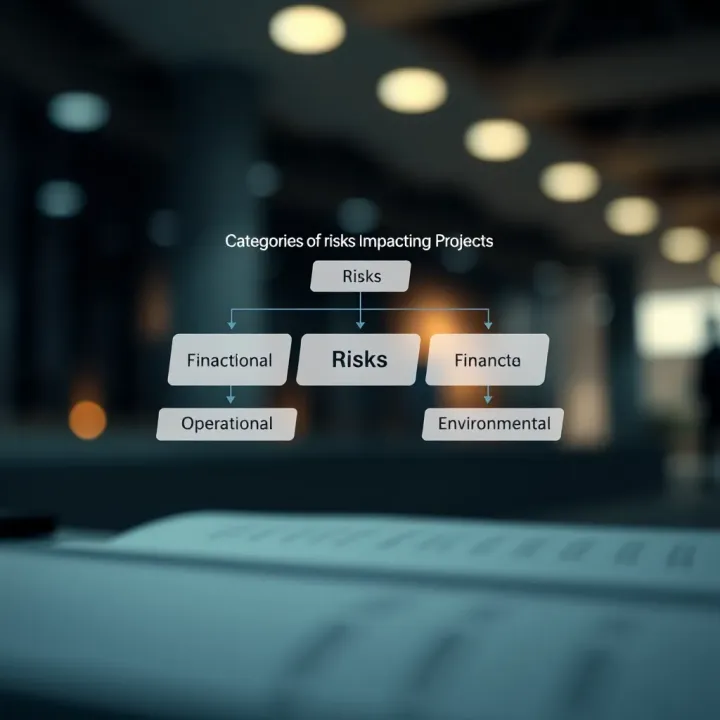
Financial Risks: Currency fluctuations, inflation, or inability to access capital can delay or halt projects.
Regulatory Risks: Changes in government policies or licensing requirements often demand swift adaptation.
Operational Risks: Power failures, unreliable transport (like delays caused by danfo strikes), and equipment breakdowns affect project timelines.
Market Risks: Shifting consumer demands or competitive pressures impact project viability.
Adopting tools like risk registers helps track identified risks and assign owners responsible for managing them. Similarly, SWOT analysis (strengths, weaknesses, opportunities, threats) tailored to local realities sharpens focus on weak areas.
For financial analysts assessing project viability, integrating risk management insight provides a clearer picture of potential pitfalls. Traders investing in infrastructure projects with no risk framework will likely face surprises that erode profit margins. Educators can also demonstrate real-world applications by using local examples in training future professionals.
In summary, project risk management isn’t a luxury but a necessity for project success in Nigeria’s dynamic business environment. Applying its principles equips stakeholders with the foresight to navigate uncertainties confidently and improve project delivery quality.
Project risk management is about spotting possible challenges or threats that could derail a project and figuring out ways to handle them before they become full blown problems. For organisations, especially in Nigerian business and development sectors, managing risks well can mean the difference between delivering a project on time and within budget or facing costly delays and increased expenses.
Project risk refers to uncertainties that, if they occur, can affect the project’s objectives negatively or sometimes positively. These might include delays in receiving materials, sudden regulatory changes, or even fluctuations in exchange rates affecting project costs. Risk management, therefore, involves identifying these uncertainties, assessing how likely and impactful they could be, and then planning appropriate responses. For example, a construction company in Lagos may identify the risk of ongoing power outages delaying work and decide to invest in reliable generators as a contingency.
Managing risks ensures that projects stay on course despite unexpected issues. The main objectives are to minimise negative impacts and maximise opportunities that aid project success. For instance, by managing risks effectively, a fintech startup can protect its software launch timeline against vendor delays or cybersecurity breaches.
Benefits of good risk management include:
Reducing surprises that cause cost overruns or missed deadlines
Enhancing decision-making with better foresight on potential issues
Improving resource allocation by focusing on critical risk areas
Boosting stakeholder confidence by showing clear control over uncertainties
In Nigerian contexts, where projects often face unique challenges like regulatory uncertainties and infrastructure deficits, sound risk management can prevent losses running into millions of naira. It can help project managers anticipate problems such as fuel scarcity affecting transport or sudden changes in import tariffs on essential equipment.
Successful project risk management is not just about avoiding problems but preparing smart responses that keep things moving smoothly. For Nigerian projects, preparing for the unexpected is a key part of sustaining growth and delivering value.
Overall, understanding what project risk management means helps traders, investors, and analysts appreciate how it supports reliable project outcomes and protects investments amid Nigeria’s dynamic business environment.
Understanding the types of risks that projects face is central to managing them effectively. Projects often encounter challenges from different sources that, if not managed well, can delay delivery or blow up budgets. This section breaks those risks down into practical categories that apply to many projects, especially in Nigeria, where business environments can shift rapidly.
Internal risks come from within the organisation running the project. These include staff shortages, poor communication, or inadequate skills to meet project demands. For example, a software company in Lagos attempting to launch an app may struggle if their development team lacks experience in certain coding languages. Similarly, delayed procurement of equipment due to inefficient processes often causes setbacks in construction projects. Organisations that don't align their resources properly risk project failure simply because the right people or materials aren't available when needed.
External risks lie beyond the project team's control and often relate to the larger environment. Market conditions, such as sudden currency fluctuations or inflation, can hike project costs unexpectedly—common pains in Nigeria’s volatile economy. Regulatory risks crop up when government policies or laws change, such as new tax rules or tighter customs procedures affecting import timelines. Environmental factors like flooding during the rainy season can halt outdoor work. For example, an agritech startup planting experimental crops may lose an entire season if weather patterns become unusually harsh.
Technical risks involve the failure or underperformance of technology or methods used in the project. This could be anything from software bugs causing system downtime to faulty machinery on a production line. Financial risks, meanwhile, tie closely with funding and cash flow uncertainties. A project dependent on foreign investment may stall if investors pull out amid global economic shifts. Likewise, overestimating revenue or underestimating expenses creates funding gaps. A Lagos-based manufacturing firm might find its working capital drying up due to naira depreciation against the dollar, affecting import of raw materials.
Identifying these risk categories early helps you prepare better response strategies and avoid surprises that can derail your project completely.
In practice, project teams should list potential internal challenges like staff turnover or skill gaps. They should monitor external developments, including government announcements or market trends, regularly. Lastly, maintaining realistic technical and financial plans helps spot warning signs early. Together, these steps turn risk management from a vague exercise into a powerful tool to keep projects on track.
By spotting these specific types of risks and understanding their local context, you gain a clearer picture of what might go wrong and how to act fast. That's the foundation of mastering project risk management in Nigerian settings.
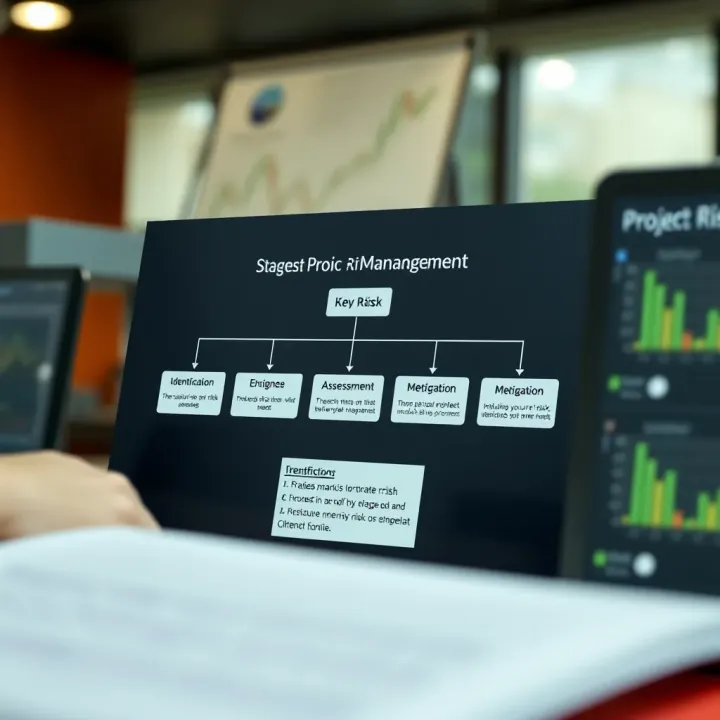
Understanding the core steps in project risk management is vital for anyone involved in trading, investing, or project oversight. These steps provide a clear roadmap to identify, assess, respond to, and monitor risks that can affect project outcomes. Skipping any of these steps increases the chance of costly setbacks or even project failure.
The first step in risk management is to identify possible risks before they become problems. This involves gathering insights from project teams, stakeholders, and market data to build a comprehensive risk list. For instance, a construction firm in Lagos may identify supply chain delays due to port congestion as a significant risk early on. This early spotting allows proactive planning rather than reactive firefighting.
Once risks are identified, the next step is to measure how likely they are to occur and the size of their impact. Risk assessment helps prioritise which threats demand urgent attention. An investment project facing fluctuating exchange rates might assess that a 30% chance of a rate change could reduce profits by 20%. Using a risk matrix, decision-makers can focus on high-probability, high-impact risks, ensuring resources target the most pressing threats.
After assessing risks, you must decide on practical responses. Typical strategies include avoiding the risk, mitigating it, transferring (like insurance), or accepting it if it’s low-impact. For example, a fintech startup in Nigeria might choose to mitigate cybersecurity risks by investing in strong encryption and staff training rather than accepting the potential losses. Selecting the right response depends on cost, feasibility, and potential benefit.
Risks evolve as projects progress, so ongoing monitoring is necessary. This means checking risk indicators regularly, updating risk registers, and adjusting plans when needed. If fuel scarcity suddenly spikes generator costs in a manufacturing project, real-time monitoring helps the project team react quickly, perhaps by negotiating fuel supplies or adjusting schedules. This continuous control prevents risks from spiralling unnoticed.
Effective risk management is not a one-off exercise but a continuous cycle of identifying, assessing, responding, and monitoring risks to keep projects on track.
In sum, mastering these core steps provides a practical, structured way to handle uncertainties in Nigerian projects and markets. Traders and investors who engage with these processes can better protect value and capitalise on opportunities while avoiding surprises.
Managing project risks effectively requires not just understanding potential threats but also having the right tools and techniques at hand. These practical instruments help project teams spot issues early, assess their impact, and plan suitable responses without guesswork. In Nigerian business and infrastructure projects, where unpredictability is common, practical risk management tools are indispensable to steer complex projects toward success.
A risk register is the backbone of systematic risk management. It works as a running list that records identified risks, their status, likelihood, potential impact, and assigned responsibility. Nigerian project teams, for example, can use simple spreadsheets or dedicated software to maintain these registers. This keeps the entire team on the same page and creates accountability.
Coupled with the register is the risk matrix, a visual tool that plots risks based on their probability and severity. This helps prioritise which risks need urgent attention. Imagine evaluating infrastructure projects facing regulatory delays. Risks with high likelihood and severe impact would be flagged in red zones on the matrix, triggering immediate mitigation steps.
Scenario analysis allows project managers to explore different ‘what-if’ situations to prepare for various outcomes. It paints a clearer picture of how risks might play out under changed circumstances. For Nigerian projects, which often deal with fluctuating fuel prices or foreign exchange volatility, scenario planning provides foresight.
Simulation tools, like Monte Carlo simulations, add a quantitative edge by generating a range of possible outcomes based on risk probability distributions. This technique enables better decision-making grounded on data rather than mere hunches. For instance, a finance project could simulate the impact of currency swings on equipment import costs, guiding budgeting and contingency funds.
Modern Nigerian projects benefit from several software solutions that simplify risk management. Tools like Microsoft Project and Oracle Primavera are standard in large-scale projects for scheduling and risk tracking. Meanwhile, Nigerian fintech platforms such as Remita or Flutterwave incorporate risk checks within financial operations.
Furthermore, local firms increasingly adopt cloud-based platforms that facilitate real-time collaboration, risk reporting, and alerts. These digital solutions suit Nigeria’s connectivity landscape and growing tech ecosystem, allowing project stakeholders across states to stay connected and updated instantly.
Effective risk management tools not only capture risks but also encourage proactive handling, saving projects from costly overruns and delays often seen in Nigeria’s dynamic market environment.
In sum, adopting and adapting practical tools such as risk registers, scenario analysis, and localised software cater not just to identification but efficient control of risks in Nigerian projects.
Applying project risk management within the Nigerian context is essential due to unique operational challenges and market dynamics. Nigerian projects, whether in infrastructure, agriculture, or fintech, face risks that differ from other regions. Effectively managing these risks helps avoid delays, cost overruns, and reputational damage, ultimately improving project success rates. For instance, a construction firm in Lagos managing the erratic power supply risk can save millions by incorporating consistent backup power solutions early in the project plan.
Nigerian projects are often affected by infrastructural deficits like unstable electricity, poor road networks, and irregular water supply. These factors can halt project timelines unexpectedly. Besides, regulatory changes and bureaucratic delays remain common, making compliance unpredictable. For example, a manufacturing project in Kano might face sudden changes in import duties or extended customs clearance times, affecting supply chain efficiency.
Security concerns and societal factors also influence project risk. The prevalence of kidnappings or local conflicts can restrict movement and increase insurance costs for fieldwork or distribution. Currency volatility poses a financial risk, as the naira’s fluctuating value affects imported materials and foreign partnerships. Lastly, there is often limited access to skilled labour, especially outside major cities, which can stall specialised project phases.
To handle these challenges, Nigerian project managers must tailor risk management strategies to local realities. Firstly, conducting thorough stakeholder engagement helps identify grassroots-level risks early, including community or political issues. Employing flexible budgeting that accommodates naira depreciation and unforeseeable costs also cushions projects financially.
Next, integrating local knowledge through partnerships with indigenous firms and experts aids in navigating regulatory and logistical hurdles. For instance, collaborating with local transport firms who understand danfo routes can improve supply logistics.
Using technology suited to Nigerian challenges is another practical step. Digital tools for real-time project tracking, like localised versions of risk registers, help teams adapt quickly to changes. Plus, planning contingency measures for frequent power outages, such as investing in solar-powered equipment or reliable generators, can keep projects on track.
Successful project risk management in Nigeria goes beyond theory; it demands anticipating local bumps and crafting pragmatic solutions that reflect everyday realities.
Regular training of project teams on risk awareness and updating risk assessments during ember months, when activities surge and hazards rise, sharpens readiness. Clear communication channels further ensure that risks are reported and addressed promptly.
In summary, applying risk management in Nigerian projects requires understanding systemic challenges, staying adaptive, and leaning on local insights. This approach reduces surprises and positions businesses and investors to deliver projects efficiently despite the complex environment.
Explore binary gender's history, cultural impact, and the growing acceptance of non-binary identities in Nigeria 🌍👥 Gender beyond the binary.

Explore how binary bots automate trading in Nigeria 🇳🇬. Learn their pros, risks, features, and legal points to trade smarter and safer 💡📈.

🔍 Explore how risk management boosts Nigerian businesses by securing operations, improving decisions, ensuring compliance, and supporting lasting success.

Explore how binary ID cards 📇 boost security and efficiency in Nigeria 🇳🇬. Learn their technology, uses, challenges, and future in ID systems.
Based on 11 reviews