

Benefits of Risk Management for Nigerian Businesses
🔍 Explore how risk management boosts Nigerian businesses by securing operations, improving decisions, ensuring compliance, and supporting lasting success.
Edited By
Oliver Bennett
Risk is no stranger to Nigerian businesses. Whether it’s sudden currency depreciation, unstable power supply, or changing government policies, these factors can quickly disrupt operations and drain profits. That’s why a well-crafted risk management framework is essential—it helps businesses anticipate threats, reduce surprises, and safeguard their goals.
At its core, risk management means identifying potential problems before they snowball, assessing how serious they are, and putting controls in place to minimise their impact. For Nigerian businesses, this includes tackling local challenges like naira volatility, regulatory shifts from institutions like the Central Bank of Nigeria (CBN), and infrastructural gaps such as irregular electricity.
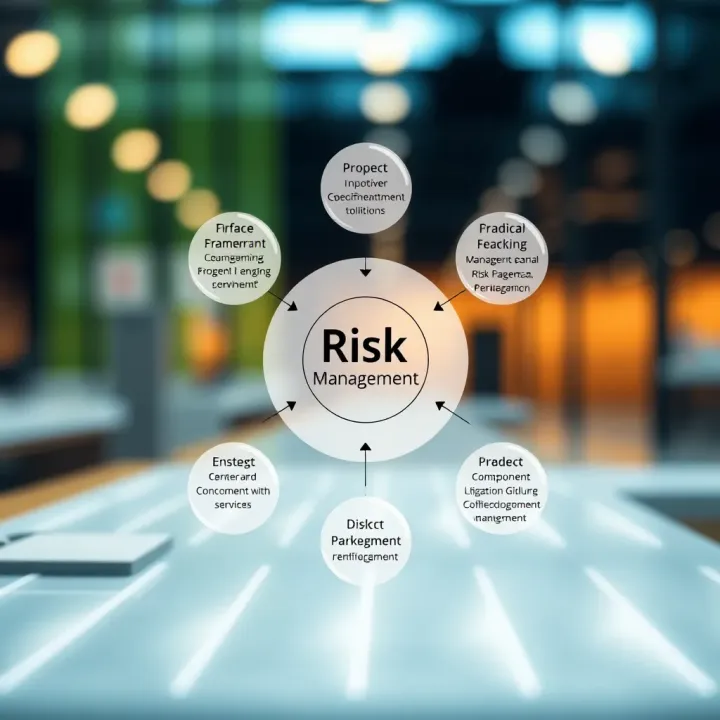
A practical framework involves clear steps:
Risk Identification: Spotting areas of vulnerability, such as reliance on a single supplier or exposure to FX risk due to imported inputs.
Risk Assessment: Measuring the likelihood and potential financial hit of these threats, often factoring in local market conditions that can worsen outcomes.
Risk Control: Developing strategies like diversifying suppliers, hedging currency exposure, or investing in backup power solutions.
Monitoring and Review: Keeping constant watch on key risk indicators, adjusting plans as the business environment evolves.
Strong risk management is like having a well-tuned okada rider who knows the traffic jams and shortcuts in Lagos. It’s not about avoiding all problems but navigating them smartly.
For traders and investors, understanding these risk controls helps in making informed decisions about where to place capital or how to advise clients better. Financial analysts and brokers can strengthen their models with local risk factors, while educators can prepare students for real-world business challenges.
This article will guide you through setting up a risk management framework tailored for Nigerian businesses. From defining components to aligning risk strategy with your core objectives, the aim is to empower you with practical tools. With this foundation, Nigerian firms can build resilience against volatility, regulatory headwinds, and operational hiccups to secure steady growth and sustained success.
Every business, including those in Nigeria, navigates a sea of uncertainties daily. A risk management framework helps to spot, assess, and control these uncertainties systematically rather than leaving things to chance. By understanding what this framework entails, businesses can safeguard themselves against disruptions that might otherwise stall operations or drain resources.
In the Nigerian business environment, risks go beyond typical challenges; they include currency fluctuations, power supply irregularities, and regulatory shifts. For example, a manufacturing firm relying on constant electricity may face increased costs or downtime if power supply fails, affecting profitability. Understanding these risks is vital because they can directly damage assets, reduce efficiency, or tarnish a company's reputation.
Operational risks involve failures in day-to-day activities such as supply chain hiccups or equipment breakdown. Financial risks relate to currency volatility or poor cash flow management common in Nigeria's fluctuating economy. Regulatory risks come from changing government policies or compliance demands, like those from the Corporate Affairs Commission or tax authorities (FIRS). Recognising these types helps businesses prepare specific responses instead of reacting blindly.
Without a clear framework, staff might respond differently to similar risks—some ignoring them, others overreacting. A risk management framework standardises how risks are identified and managed across the organisation. For instance, a bank with many branches in Nigeria can ensure that every unit reports currency risk consistently, enabling quicker, coordinated responses.
Consistency ensures risks don't slip through unnoticed and enables learning from past mistakes across the business.
Managing risks effectively also means using insights to make smart decisions about where to invest money, time, and effort. If a business knows which risks have the biggest impact, like inflation affecting raw material costs, it can allocate more resources to hedging strategies or diversify suppliers. This avoids wasting scarce resources chasing every possible threat and instead focuses on those that matter most.
Having a transparent process also helps when presenting to investors or partners, showing that the business understands its risk environment and prepares accordingly. In Nigeria's volatile market, this can mean the difference between securing funding or losing trust.
Understanding a risk management framework is the first step to mastering the uncertainties specific to Nigerian businesses. It provides practical ways to predict challenges and act on them before they become crises.
A solid risk management framework hinges on several core elements that together help Nigerian businesses identify, assess, and handle risks effectively. These elements keep the process organised and ensure no risk slips through the cracks. In Nigeria’s dynamic business environment, where fluctuations in the naira, regulatory shifts, and infrastructural challenges are common, having these fundamentals in place can mean the difference between steady growth and unexpected losses.
Risk identification starts with a clear understanding of where potential threats might arise. For Nigerian businesses, this could involve reviewing supply chain vulnerabilities — say, a delay in imported raw materials due to customs bureaucracy—or assessing power supply risks from Disco outages. Techniques include brainstorming sessions with frontline staff who know day-to-day challenges, examining past incident reports, and conducting scenario analysis to predict future risks. This proactive scanning helps businesses avoid surprises. For example, a Lagos-based food distributor may identify the risk of danfo strikes disrupting deliveries, which can then be planned for.
Once risks are spotted, assessing how likely they are to occur and their potential impact on the business is next. This involves qualitative ratings (high, medium, low) or simple numerical scoring to rank each risk. For instance, a fintech startup might rate the risk of regulatory change as high-impact but medium likelihood, while a small retail shop may see theft as high likelihood but moderate impact. This evaluation guides prioritisation, so scarce resources are focused where they matter most.

Managing risks means choosing an approach for each one. Avoidance means steering clear entirely—for example, a trader may stop importing a product prone to counterfeit issues. Reduction focuses on lowering risk severity, such as installing a backup generator during frequent NEPA power cuts. Transfer shifts risk to another party, like buying insurance against fire damage or outsourcing logistics to a dependable delivery firm. Acceptance applies when risk is minor or cost of mitigation outweighs the benefit, with contingency plans ready if issues arise.
Selecting the right tactic depends on the company’s risk appetite and resources. A large manufacturing company with solid cash reserves might absorb certain operational risks, while a startup may prefer insurance or outsourcing to minimise exposure. Balancing cost, control, and business objectives ensures the strategy aligns with overall goals without overstretching budgets.
Risks evolve, and continuous monitoring is essential. Nigerian businesses can use manual checklists, digital dashboards, or real-time data feeds where affordable. For instance, a retailer tracking currency fluctuations and inflation rates can adjust pricing promptly. Regular reviews and updates to risk registers keep the framework responsive.
Clear reporting to management, investors, and staff ensures everyone understands current risks and mitigation progress. Transparent communication builds confidence and supports swift decision-making. Monthly risk reports or risk discussions in board meetings are practical steps. A company facing regulatory risks may keep investors informed on compliance measures to maintain trust.
Consistently applying these core elements helps Nigerian businesses stay ahead of challenges, protecting revenue and strengthening growth prospects even amid economic uncertainty and regulatory shifts.
Developing and implementing a risk management framework is essential for Nigerian businesses aiming to control uncertainties that can impact their growth and sustainability. This process sets a solid foundation by ensuring that everyone in the organisation understands what risks matter most and how to handle them systematically. When done right, it turns risk management from a vague idea into practical action, reducing surprises and improving decision-making.
Securing Buy-In from Leadership is the first critical step. Without strong commitment from top executives, risk initiatives often struggle to gain traction. Leaders need to understand how risk management protects business assets and supports strategic goals. For instance, a manufacturing company in Lagos must convince its board that managing supply chain risks — like delays due to port congestion or foreign exchange shortages — is as vital as boosting production capacity. Leadership buy-in translates into resource allocation, authority for policy enforcement, and a culture that takes risks seriously.
Determining Which Areas and Risks to Focus On sets clear priorities. Not every risk demands equal attention; businesses should focus on sectors that threaten their core operations or regulatory compliance. For example, a fintech startup in Abuja might prioritise cybersecurity and transaction fraud, whereas a retail chain in Port Harcourt should emphasise inventory loss and compliance with local tax laws. Defining scope also includes the geographic spread of operations and specific departments or projects – this sharp focus makes risk management more impactful and resource-efficient.
Establishing Clear Responsibilities avoids confusion and overlaps in managing risks. Assigning risk owners at various levels — from department heads to project managers — ensures accountability. A Lagos-based agribusiness, for example, might designate its logistics manager to oversee transportation-related risks, while its finance director handles currency fluctuation concerns. Clarity in roles empowers individuals to act decisively and report accurately, preventing critical risks from falling through the cracks.
Documenting Risk Procedures provides a reference point for consistent practices. Clear, written procedures guide staff on how to identify, report, and respond to risks. In the Nigerian context, where informal processes might prevail, formal documentation builds professionalism and continuity. For a telecom company dealing with sudden regulatory changes from the Nigerian Communications Commission (NCC), documented procedures help teams respond quickly and appropriately without having to reinvent the wheel each time.
Building Awareness and Skills on Risk Management improves the organisation’s ability to spot and handle risks as they arise. Training sessions tailored to different roles equip employees with knowledge about common threats — for example, how to detect phishing emails or ensure cash handling protocols at cash-intensive businesses like supermarkets or petrol stations. This kind of learning cultivates a vigilant workforce that contributes to the framework’s success.
Phased Implementation and Feedback Loops allow businesses to introduce changes gradually and adjust plans based on real-world observations. Starting with pilot areas or specific risk categories helps fine-tune policies before full rollout. Feedback channels enable employees to share challenges or suggest improvements. Take a Lagos logistics firm that initially focuses on vehicle accident risks; after early trials, it might expand to cover fuel theft or driver fatigue, adjusting methods based on what works best in their operating environment.
Building a risk management framework is not a one-time project; it demands ongoing commitment, clear structure, and practical adjustments aligned with the firm’s realities. Without this, risk efforts easily become tick-box exercises, lacking real impact.
A well-planned approach to developing and implementing your risk framework equips your business to face Nigeria’s economic ups and downs more confidently, while protecting value and seizing opportunities effectively.
Aligning risk management with business strategy ensures that Nigerian companies stay resilient amid the unique economic and regulatory pressures they face. When risk insights influence strategic decisions, businesses don't just react to challenges — they anticipate and adapt to them. This alignment helps firms allocate resources wisely and maintain competitive advantage even when volatility hits.
Integrating risk data into strategic planning provides a realistic view of potential challenges that could derail business goals. For example, a trading firm in Lagos might analyse foreign exchange volatility to set sales targets and budgets more conservatively. This prevents surprises from sharp naira devaluation or supply chain disruptions. Practical use of risk data also allows businesses to identify opportunities in emerging markets cautiously and confidently.
By factoring in risk indicators such as inflation trends or power insecurity, companies can devise goals that don’t just look good on paper but are achievable. It frames strategy around solid ground, reducing the chance of overreach or avoidable losses.
Every company has a different tolerance for risk, often shaped by available capital, market position, and growth ambitions. Nigerian businesses must define this risk appetite clearly, balancing potential gains with what they can endure financially and operationally. For instance, a startup fintech might accept higher credit risk to drive growth, while a seasoned manufacturer may aim for steady, low-risk expansion.
Capacity to manage risk comes into play when adjusting plans. Businesses with limited access to credit or weak infrastructure should avoid high-risk ventures. Adjusting strategic plans to fit this reality—whether by diversifying suppliers or hedging against currency swings—keeps the company from biting off more than it can chew.
In Nigeria's economy, where naira fluctuations and inflation jumps are common, companies must embed risk controls into their financial planning. Regular monitoring of exchange rate movements and inflation indices allows businesses to adjust pricing, cost projections, and contracts promptly.
For example, import-dependent retailers can negotiate contracts in foreign currency or explore local sourcing to reduce exposure. Similarly, service firms may include inflation-adjustment clauses to protect revenues. These practical steps smooth cash flow and prevent margin erosion caused by economic uncertainty.
Compliance is a major risk area due to the shifting regulatory landscape in Nigeria. Businesses must keep track of sector-specific regulations, tax laws enforced by the Federal Inland Revenue Service (FIRS), and industry standards overseen by government agencies.
Regular legal reviews and updates to compliance policies can avoid penalties or operational suspensions. For instance, a manufacturing company must align with NAFDAC standards on product safety while also adhering to environmental guidelines. Incorporating compliance risk into strategy safeguards reputation and ensures operational continuity.
Effective risk and strategy alignment helps Nigerian businesses not only survive challenges but thrive by turning risks into informed decisions.
Use risk data to set achievable goals and identify early warning signs
Tailor risk appetite and capacity to realistic business limits
Monitor currency and inflation closely, adjusting financial plans
Stay updated on local laws to avoid regulatory pitfalls
Aligning risk management with strategy is less about avoiding risk altogether and more about managing uncertain Nigerian business environments with foresight and pragmatism.
Implementing a risk management framework in Nigerian businesses brings tangible benefits but also poses challenges that must be realistically addressed. By understanding what works and where the pitfalls lie, organisations can better prepare and sustain their risk practices for long-term success.
A solid risk management framework builds resilience by helping businesses spot vulnerabilities early and respond swiftly. For example, a manufacturing firm in Lagos that regularly monitors supply chain risks can avoid costly downtime caused by delayed imports of raw materials, common due to port congestion and exchange rate fluctuations. This readiness keeps operations stable even when external shocks occur.
Moreover, businesses that actively manage risks tend to perform better than competitors relying solely on reaction. They can make financial decisions with greater confidence, reduce unexpected losses, and adapt quickly to changing market conditions. This agility boosts competitiveness, especially in Nigeria’s volatile economic environment where naïve optimism can lead to serious setbacks.
Investors and customers want assurance that a business can handle uncertainties without crumbling. Demonstrating a structured approach to risk management signals professionalism and foresight. For instance, fintech startups in Nigeria that publicly share their risk controls gain trust from both venture capitalists and users wary of fraud or service interruptions.
Businesses with good risk frameworks also handle crises better, preserving reputation. When customers see that a company manages risks effectively—be it data security or product quality—they are more likely to stay loyal and recommend the brand. This reputational edge often translates into higher sales and easier access to capital.
Limited financial and human resources can slow down risk framework implementation. Small and medium enterprises (SMEs) may struggle to hire dedicated risk managers or invest in software tools, while staff might view risk processes as extra work without immediate payoff.
To navigate this, businesses can integrate risk activities into existing roles and provide practical training. For example, banks often train frontline officers to spot operational risks during daily duties, making risk management part of normal workflow. Clear communication about the benefits encourages buy-in and reduces resistance.
In Nigerian business environments, shifting economic conditions or urgent operational demands can push risk management down the priority list. This inconsistency risks losing the progress made and exposes the company to unmanaged threats.
To sustain momentum, embedding risk measures into regular reporting and leadership reviews helps keep risks visible at all levels. Scheduling periodic refresher trainings and linking risk targets to business objectives also motivate teams to stay engaged. Persistence combined with adaptable plans ensures the framework remains effective amid change.
A risk management framework is not a one-time project but a continuous process. Taking proactive steps to overcome challenges leads to safer, more competitive businesses that thrive in Nigeria’s dynamic market.
🔍 Explore how risk management boosts Nigerian businesses by securing operations, improving decisions, ensuring compliance, and supporting lasting success.

Explore top trading apps for Nigerian investors📱. Learn about fees, security🔒, usability, and support for the best trading experience in Nigeria🇳🇬.

Discover how to choose the best forex trading platform in Nigeria 🇳🇬. Learn about key features, regulations, top local platforms, and smart tips for safer trading.

Find the best binary option broker in Nigeria with our expert guide 📊. Learn key tips, top brokers, and how to trade wisely and safely.
Based on 9 reviews