

Understanding Project Risk Management in Nigeria
📊 Learn how to manage project risks effectively in Nigeria: identify, assess, and respond to challenges for better results in business and development projects.
Edited By
Emily Clarke
Risk management is the process of identifying, evaluating, and handling risks that could affect your business or project. For traders, investors, financial analysts, and brokers in Nigeria, understanding how to manage these risks effectively saves money and discourages losses.
In everyday terms, risk means uncertainty about the future. In business, this could be a sudden drop in the naira against the dollar, unexpected fuel scarcity affecting logistics, or regulatory changes by agencies like the CBN or SEC Nigeria. Without proper risk control, such events can throw operations into chaos.
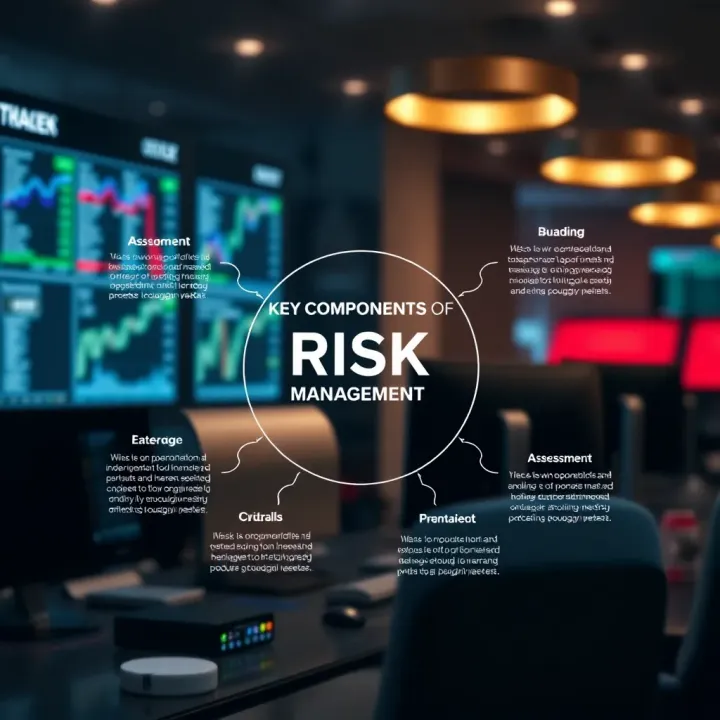
Effective risk management isn't about avoiding risks entirely but making informed decisions that reduce potential harm while allowing opportunities for growth.
Key components of risk management include:
Risk Identification: Spotting hazards and events that pose threats to the business.
Risk Assessment: Measuring the likelihood and impact of these risks.
Risk Control: Implementing strategies to mitigate or eliminate risks.
For example, a fintech startup in Lagos might identify the risk of cyberattacks on its platform. They would assess how often such attacks happen and their possible impact on customers and finances. Controls might include stronger encryption, employee training, or insurance cover.
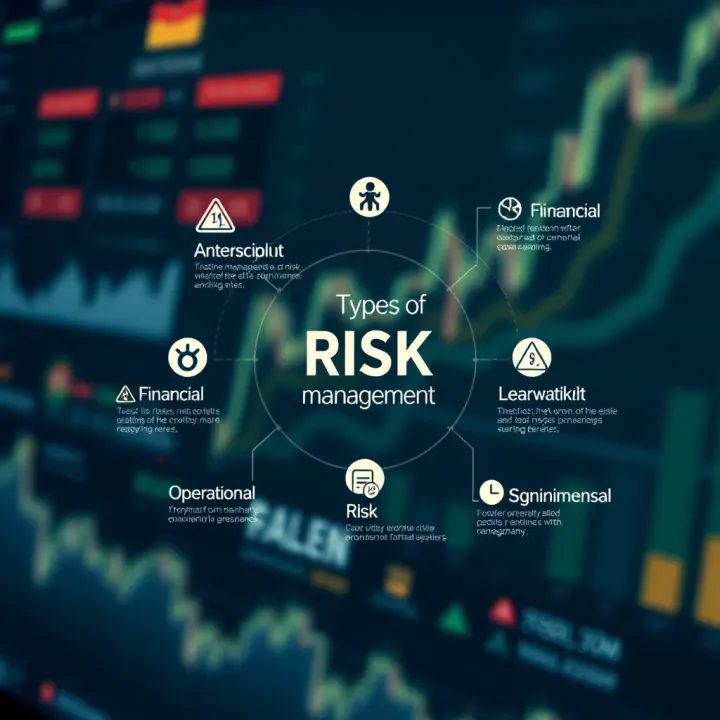
Several types of risks commonly affect Nigerian businesses:
Financial Risks: Currency fluctuations, credit default, or inflation.
Operational Risks: Power outages, supply chain disruptions, or equipment failure.
Regulatory Risks: Changes in tax laws or industry regulations.
Market Risks: Competition shifts, changing consumer preferences.
Knowing these risks allows businesses to plan properly. Using tools like risk matrices or SWOT analysis helps visualise potential threats and prioritise responses.
In the Nigerian context, practical risk management means considering local realities: generator costs during NEPA (DISCO) outages, the timing of ember months which often spike demand but also security risks, or the import dependency that affects supply chains. By seeing risk management as a core aspect of business operations, firms can develop resilience that sustains growth even during uncertainty.
Next, we’ll explore practical steps Nigerian businesses can take to spot, assess, and manage risks more effectively.
Understanding risk management is essential for traders, investors, financial analysts, and brokers aiming to safeguard their investments and operations. Simply put, risk management is a structured approach to identifying, assessing, and controlling risks that could disrupt business goals or cause financial losses. For example, a Nigerian importer might face currency depreciation risk, which, if unmanaged, could turn their planned profit of ₦5 million into a significant loss. By recognising such risks early, practical measures can be taken to reduce exposure.
Risk management involves processes and strategies organisations use to deal with uncertainty in their environment. It covers spotting potential threats, estimating their impact, and deciding on actions to avoid, reduce, or transfer those risks. It is not just about avoiding problems but balancing risk with opportunity. For instance, a stockbroker might assess the volatility of certain shares on the Nigerian Exchange Group (NGX) and adjust client portfolios to accommodate acceptable levels of risk. This continuous process enables better preparation for unexpected shocks without harming growth prospects.
Managing risk helps organisations protect their financial health, reputation, and operational continuity. It ensures resources are used wisely by preventing avoidable losses and creating resilience against inevitable challenges. In practical terms, a fintech startup in Lagos could implement cyber security measures to prevent data breaches that would otherwise erode customer trust and invite regulatory fines. Additionally, it supports compliance with Nigerian regulations such as those from the Securities and Exchange Commission (SEC) and Central Bank of Nigeria (CBN), reducing legal exposure. Above all, risk management empowers decision-makers with better insights to plan confidently under uncertain circumstances.
Effective risk management turns uncertainty into manageable parts, helping businesses avoid costly surprises and build long-term value.
In a Nigerian context, risk can come from diverse areas—the fluctuating naira exchange rate, power outages increasing generator costs, or changing government policies affecting imports. Recognising what risk management means equips you to respond swiftly and smartly, preserving not just money but your organisation’s credibility and future prospects.
Understanding the types of risks organisations face sharpens the focus of risk management efforts. Each risk category demands different strategies and responses, especially in a Nigerian context where economic, regulatory, and environmental factors often change abruptly. By breaking down risks into practical categories, organisations can better allocate resources and strengthen resilience.
Financial risks directly impact an organisation’s monetary health. These include fluctuations in currency exchange rates, interest rate volatility, credit risks from customers who fail to pay, and liquidity shortages. For example, a business importing goods may face losses if the naira weakens suddenly against the dollar, raising costs unexpectedly. Nigerian firms also grapple with inflationary pressures, which can erode profit margins if not managed well.
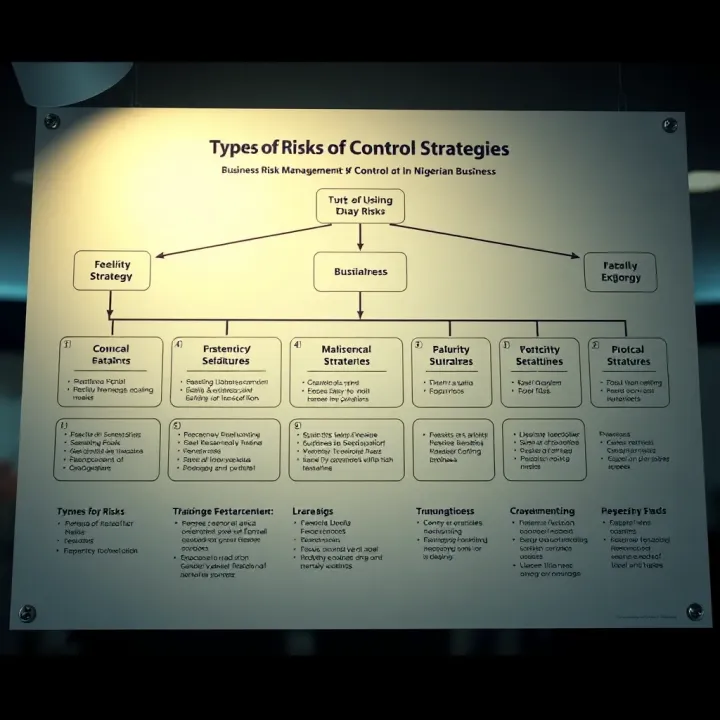
Operational risks arise from internal processes, systems, or people. Failures like IT system breakdowns, supply chain delays, or employee errors can disrupt daily activities. For instance, a bank experiencing POS terminal failures risks losing customers to more reliable competitors. Similarly, logistics problems can cause a mama put to run out of key ingredients, impacting sales. Effective training, proper maintenance, and strong protocols help mitigate these risks.
Strategic risks relate to decisions that affect long-term direction — such as investing in new markets or changing product lines. Poor strategic choices can reduce competitiveness or market share. Compliance risks involve failing to meet legal, regulatory, or industry standards, which may lead to fines or reputational damage. Nigerian companies must monitor regulations from bodies like the SEC or NAFDAC to avoid sanctions. For example, non-compliance with data protection laws can result in heavy penalties and loss of client trust.
These risks come from outside the organisation and often beyond direct control, including natural disasters, political unrest, or sudden economic downturns. Companies in the Niger Delta, for instance, face environmental risks from oil spills or flooding that threaten operations. External factors such as embargoes or policy shifts also impact supply chains and market access. Awareness and contingency planning are key to handling such unpredictable threats.
Identifying the right types of risks helps organisations build focused controls and safeguards that prevent losses and support steady growth in Nigeria’s dynamic business environment.
By recognizing these four broad risk categories, businesses can prioritise their risk management initiatives, improve decision-making, and sustain operations efficiently.
At the heart of effective risk management in any organisation lies a structured process. These core elements ensure risks are spotted early, understood clearly, and controlled effectively to limit potential harm. Practically, businesses in Nigeria—from tradoffs operating small shops to large financiers on Lagos Island—must follow these steps to avoid surprises that could hurt their bottom line.
The first step is to identify what risks exist. This means looking around the business environment and pinpointing potential threats, whether they are financial, operational, or external shocks like currency fluctuations. For example, a Nigerian import business would identify foreign exchange risks and delays due to customs clearance. Once risks are identified, assess their likelihood and impact. This gives a clear picture of which risks demand urgent attention versus those less threatening.
After spotting the risks, analyse them in detail. This involves breaking down how each risk might unfold and what damage it could cause. In Nigeria’s agribusiness, analysing drought risk might include studying weather patterns and past crop failures. Evaluation then ranks risks by severity and urgency. Not every risk can be tackled at once, so prioritising risks based on their potential to disrupt operations or cause financial loss is essential.
This element focuses on deciding what to do about each identified risk. Options include avoiding the risk (like dropping a risky product line), reducing it (implementing safety measures), transferring it (insurance), or accepting it if manageable. For instance, a Lagos real estate developer might insure properties against fire and take strict compliance steps with building codes to reduce risks. Treatment plans need to be practical and consider cost versus benefit.
Risks are not static; they evolve with market changes, regulations, and internal business shifts. Continuous monitoring ensures controls remain effective and new risks are caught early. An example is regular review meetings in a bank to consider how macroeconomic changes affect loan defaults. Besides reviews, feedback mechanisms and updated risk registers maintain active oversight.
Strong risk management hinges on these core elements working in tandem, helping Nigerian businesses survive and thrive amid uncertainties.
Each step builds on the previous one, creating a cycle of vigilance and response. Incorporating these elements into everyday business operations is not just theory but a practical necessity to withstand economic jitters, regulatory adjustments, and unexpected challenges prevalent in Nigeria’s dynamic economy.
Effective risk management depends heavily on the right tools and techniques that enable organisations to spot, assess, and control risks before they escalate. These instruments help businesses, traders, and investors understand the risk landscape clearly, allowing for more informed decisions and resource allocation. In Nigeria’s dynamic market environment, using practical tools improves responsiveness amid uncertainties like currency volatility, regulatory changes, and supply chain disruptions.
Risk registers serve as a central log where all identified risks are recorded along with relevant details such as their causes, potential impacts, and assigned ownership. This document acts as a live dashboard tracking risk status and controls in place. For example, a fintech startup in Lagos might use a risk register to catalogue threats like system downtime or regulatory shifts, assigning team members to monitor each risk.
Risk matrices complement the register by visually ranking risks based on their likelihood and impact—usually on a grid. This helps prioritise which risks need urgent attention. A high-likelihood, high-impact risk, such as a cyberattack on customer data, would be marked as critical. Using these tools together ensures no risk is overlooked and resources target the most pressing issues first.
Scenario planning encourages thinking about various “what if” conditions that can affect business operations. Nigerian businesses, especially in oil & gas or agriculture, might consider scenarios such as sudden fuel price hikes or drought affecting crop yield. By imagining extreme but plausible futures, companies prepare strategies instead of reacting haphazardly.
Stress testing takes this further by assessing how strategies or portfolios perform under adverse conditions. For investors managing portfolios on the Nigerian Stock Exchange (NGX), stress testing might reveal how a sharp ₦/US$ exchange rate drop could impact asset values. These exercises expose vulnerabilities and help build contingency plans that reduce surprises during economic shocks.
Insurance offers a safety net, transferring certain risks like fire, theft, or business interruption to a third party. Nigerian SMEs often insure premises or equipment to protect from costly losses that could cripple operations. Choosing the right insurance cover requires understanding the probable risks and exposure relevant to local realities like frequent power outages or fire hazards.
Hedging, on the other hand, is more common for financial risks—especially currency and commodity price fluctuations. Businesses reliant on imports might use forward contracts or options to lock exchange rates with banks, shielding costs from naira volatility. Similarly, oil marketers may hedge against crude price swings to stabilise profits.
Good tools do not eliminate risks but make them manageable. By keeping risks visible and under control, businesses sustain operations and even explore new opportunities with confidence.
Using risk registers, scenario exercises, and financial instruments together creates a robust risk management toolkit. For Nigerian traders and investors, these methods bring discipline and foresight, essential to navigate frequent shifts in market conditions and regulatory frameworks.
Effective risk management delivers concrete advantages for organisations, especially in Nigeria's dynamic business environment. It sharpens decision-making, protects valuable assets, and ensures compliance with regulatory frameworks, all of which help businesses sustain growth and minimise losses.
Having a clear picture of potential risks improves the quality of decisions and planning processes. When organisations identify risks early, they can allocate resources where they are needed most, avoiding costly surprises. For example, a manufacturing company in Lagos that anticipates supply chain disruptions due to fuel scarcity can devise alternative sourcing strategies ahead of time. Similarly, investors who factor in currency fluctuations common with the naira can plan hedging options more effectively. This preparedness boosts confidence among stakeholders and guides realistic budgeting, helping businesses avoid overstretching or underinvesting.
Risk management acts as a shield for physical and intangible assets alike. It reduces the likelihood of financial losses, theft, fraud, or damage to equipment. Consider a fintech startup reliant on digital platforms: continuous risk monitoring can detect potential cybersecurity threats before they escalate, protecting customer funds and data. Beyond assets, a solid risk framework safeguards an organisation's reputation. Negative events like product recalls or compliance failures can tarnish public perception and invite regulatory penalties, hitting revenue and stakeholder trust hard. In Nigeria's competitive markets, where word-of-mouth and relationships matter greatly, maintaining reputation is a top priority.
Adhering to government policies, industry standards, and sector-specific regulations is non-negotiable for lasting operations. Nigerian businesses face regulatory bodies such as the Corporate Affairs Commission (CAC), Securities and Exchange Commission (SEC), and Central Bank of Nigeria (CBN), which enforce various compliance requirements. Effective risk management helps organisations stay up-to-date and align operations accordingly. For instance, banks use risk frameworks to meet CBN’s guidelines on credit risk and liquidity management. Failure to comply can result in hefty fines or even licence revocation, which can be devastating. By embedding risk management into daily activities, companies avoid legal troubles and build a culture of accountability.
Organisations that treat risk management as a strategic function often find themselves better positioned to withstand shocks, capture opportunities, and reassure investors and partners.
In short, effective risk management is not just a defensive tool but a vital ingredient for smart business growth in Nigeria. It supports informed choices, preserves capital and brand value, and keeps firms on the right side of the law, ensuring they thrive despite uncertainties.
Managing risk is not as straightforward as it might seem, especially in Nigeria's dynamic business landscape. Organisations often face several obstacles that hinder effective risk management. A clear understanding of these challenges helps businesses prepare better strategies and improve their resilience.
Many organisations struggle because employees and leaders simply don’t understand what risk management involves or its benefits. Without proper knowledge, risks go unnoticed or are misjudged. For instance, a small Lagos-based fintech startup might neglect rigorous risk assessment, thinking it’s a task only big banks need. This ignorance often leads to poor decisions, exposing the business to financial losses or regulatory penalties. Building risk awareness through training and hiring skilled personnel can drastically improve how a company anticipates and responds to threats.
Effective risk management requires time, money, and technology. However, many Nigerian firms, especially SMEs, operate with tight budgets and outdated systems. Without proper tools like risk registers or software that track market fluctuations and regulatory changes, firms cannot monitor threats adequately. Imagine a trading company that relies on manual tracking of foreign exchange rates; the risk of missing vital shifts or opportunities is high. Investment in affordable, practical risk management tools tailored for local contexts is crucial for better control.
External factors such as political instability, fluctuating naira exchange rates, or sudden policy shifts pose serious challenges. These risks are often outside the company’s control, making planning difficult. For example, many agricultural businesses suffer during the ember months due to fuel scarcity affecting transport and storage costs. Risk managers must develop contingency plans to handle such volatility—like diversifying suppliers or maintaining emergency funds—to cushion the impact.
Facing these challenges head-on improves an organisation’s ability to stay afloat and compete even in uncertain times. Practical risk management is as much about adapting to challenges as it is about predicting them.
By recognising these hurdles, traders, investors, and analysts can push for smarter, more realistic risk strategies that are vital for Nigerian businesses striving for growth and stability.
📊 Learn how to manage project risks effectively in Nigeria: identify, assess, and respond to challenges for better results in business and development projects.
⚖️ Learn how financial, operational, strategic, and compliance risk management protect Nigerian businesses from losses. Gain practical insights on managing uncertainties today.

🔍 Learn how to spot, assess, and control project risks in Nigeria’s business scene. Avoid costly delays and manage ₦-millions smartly with practical risk tips.
🌍 Learn the practical steps Nigerian businesses use to identify, assess, and manage risks. Protect your assets, reputation, and operations amid uncertainty. 📊🛡️
Based on 6 reviews