

Business Risk Management for Nigerian Enterprises
Explore how Nigerian businesses can identify, assess, and manage risks amid market challenges. Learn practical strategies and tech roles to protect your enterprise 📊📱
Edited By
Charlotte Hayes
Disasters in Nigeria, whether natural like floods and droughts or human-made such as industrial accidents and pipeline explosions, continue to disrupt communities and destabilise the economy. Understanding effective disaster risk management (DRM) must go beyond just response; it requires solid preparation, risk reduction, and a clear recovery plan tailored to Nigerian realities.
The nation's vulnerability often stems from rapid urbanisation, poor infrastructure, and climate change impacts. For example, Lagos, with its sprawling population and poor drainage systems, frequently battles flooding. Meanwhile, rural communities in the northeast face risks from desertification and insurgency-related destruction. These varied threats demand flexible strategies that address specific local conditions.
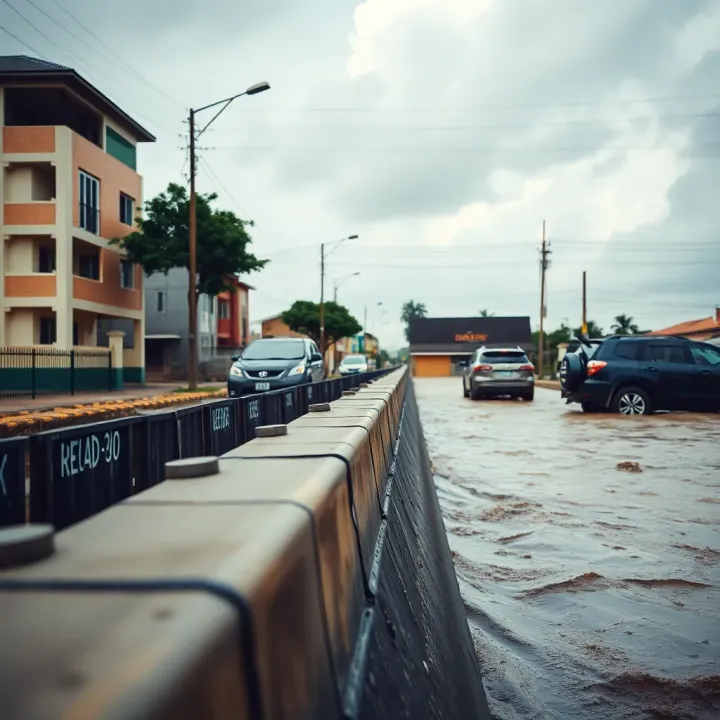
Effective disaster risk management in Nigeria calls for practical, locally adapted strategies combining government action, private sector support, and community involvement.
Preparedness: Early-warning systems using local communication channels like radio and mobile alerts improve readiness. Training community members in first aid and evacuation drills can save lives during crises.
Mitigation: Investing in better drainage, enforcing building codes, and maintaining critical infrastructure reduce the scale of damage. For example, state governments can incorporate flood plain zoning to prevent risky construction.
Response: Coordinated emergency services with clear roles ensure swift action. Establishing rapid response teams equipped with resources like boats during floods or ambulances for fire incidents helps reduce casualties.
Recovery: Restoring livelihoods through cash grants, rebuilding roads, and repairing power supplies is vital. Partnerships with organisations like the Nigerian Red Cross and private companies support faster rehabilitation.
Funding limitations hinder infrastructure upgrades and emergency procurement.
Data gaps slow identification of high-risk zones, hampering targeted interventions.
Public awareness remains low, especially in remote areas where misinformation can spread.
Coordination difficulties among federal, state, and local agencies often delay response.
Addressing these issues requires policy reforms, increased budget allocations, and leveraging technology platforms from fintech and telecom sectors.
Implementing DRM successfully in Nigeria relies heavily on combining modern tools, such as satellite imagery for weather tracking, with grassroots involvement. Traders and investors can benefit from DRM by safeguarding assets and maintaining steady supply chains, while educators can raise awareness and build skills within communities.
In the following sections, practical measures and case studies will illustrate how Nigeria can reduce disaster risks and build stronger resilience across its diverse regions.
Disaster risk management (DRM) is fundamental to safeguarding communities and economies in Nigeria from frequent disruptions caused by natural and human-induced hazards. Understanding DRM means recognising the complex interaction between hazards, vulnerabilities, and exposure—the core elements that determine how disaster impacts unfold. This comprehension enables stakeholders—from government agencies to investors—to design practical interventions that reduce losses, protect investments, and promote sustainable development.
Hazard refers to any potential source of harm, such as floods, droughts, or urban fires common in Nigeria. However, risk goes beyond just hazards; it measures the likelihood that these hazards will cause actual damage, considering how exposed and vulnerable a community or asset is. For instance, flooding is a hazard in many Nigerian states during the rainy season, but the risk becomes higher in flood-prone urban areas where poor drainage and informal settlements prevail. Public infrastructure like roads and markets located in floodplains face elevated risks because of both natural hazards and human factors.
Vulnerability describes how susceptible people, assets, or systems are to harm when exposed to hazards. Poverty, lack of access to early warning systems, and weak building structures increase vulnerability. Exposure, meanwhile, is about the degree to which communities or resources are physically in harm’s way. Lagos frequently experiences high exposure to floods due to its coastal location and dense population. Vulnerability intensifies when informal settlements with weak housing materials concentrate in these areas, leading to greater casualties and property losses during disasters.
Floods are among Nigeria's most persistent natural disasters, often triggered by heavy seasonal rains overwhelming drainage networks. For example, the 2022 Ogun and Bayelsa floods displaced thousands, destroying farmland and disrupting markets. Droughts mainly affect northern Nigeria, reducing water availability for agriculture and livestock, leading to food insecurity and rural displacement. Epidemics such as recent Lassa fever outbreaks highlight the health risks linked to poor sanitation and environmental degradation. Effective DRM for these requires integrating meteorological data, water management, and public health measures.
Urban fires regularly ravage densely populated districts like Lagos’s Mushin or Onitsha markets, usually sparked by faulty wiring or careless handling of flammable goods. These incidents cause heavy losses for traders and overcrowded emergency services. Structural collapses frequently result from poor adherence to building codes and use of substandard materials—episodes seen in Lagos and Abuja have claimed lives and increased distrust in construction standards. Conflicts and communal clashes, such as those between farmers and herdsmen in the Middle Belt, further exacerbate disaster risks by causing displacement and destabilising local economies. Tackling these challenges demands coordinated action across security, urban planning, and community engagement sectors.
Understanding the precise nature of risks and disasters Nigeria faces enables targeted risk reduction strategies, ultimately safeguarding lives and economic activities across the country.
Disaster risk management thrives on a few critical elements that ensure effective preparedness, timely response, and loss reduction. For Nigeria, a country vulnerable to multiple disasters like floods, drought, and urban fires, these elements focus on practical approaches to minimise adverse impacts. The core components include risk assessment and early warning, preparedness and capacity building, and mitigation through proper planning and environmental care.
Data collection and analysis form the backbone of disaster readiness. Without reliable data on hazard patterns, population vulnerability, and exposure levels, response strategies miss their mark. For example, flooding in Lagos often occurs due to poor drainage compounded by heavy rainfall data analysts failed to forecast accurately. Collecting such meteorological and geographical data enables accurate mapping of high-risk areas, guiding investments into flood barriers or evacuation routes.
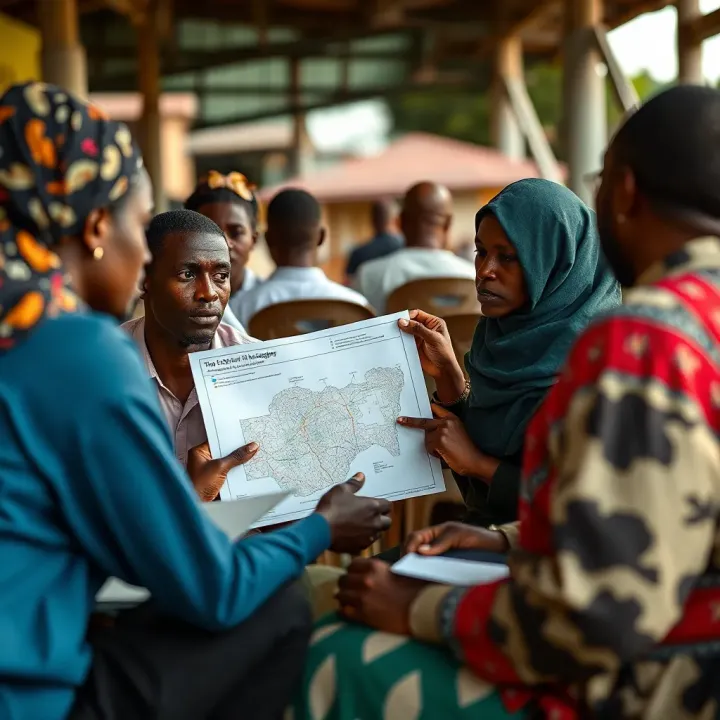
Community-based early warning systems bring disaster alerts closer to people’s doorsteps, making warnings more actionable. These systems combine local knowledge and simple technologies like SMS alerts or radio broadcasts. In areas like Jos Plateau, local volunteers trained to monitor rainfall and river levels inform neighbours promptly, reducing casualties during flash floods. Such grassroots efforts plug communication gaps often found in government systems alone.
Training local responders and volunteers is essential because they are the first on the scene when disaster strikes. In Nigerian rural communities prone to cholera outbreaks, trained volunteers help set up treatment centres quickly and educate locals on hygiene practices that curb spread. This hands-on preparation can make the difference between manageable situations and full-blown crises.
Public awareness campaigns back up training by educating the broader population. Campaigns on fire safety, flood evacuation routes, or health precautions deployed via social media, town criers, or school programmes increase community resilience. In urban settings like Ibadan, targeted awareness on structural fire hazards has improved compliance with safety protocols at markets and malls, reducing fire incidents.
Infrastructure improvements and urban planning stand as long-term defences against disasters. Nigeria’s rapid urbanisation often overlooks zonal planning, causing informal settlements in flood-prone or unstable areas. Developing robust drainage systems, enforcing building codes, and properly zoning high-risk locations directly cut down disaster effects. For instance, re-routing traffic and improving road surfaces in flood zones have helped Lagos reduce traffic paralysis during heavy rains.
Environmental management and reforestation also play a vital role. Loss of vegetation cover increases soil erosion and flood vulnerability. Reforesting riverbanks and degraded lands helps Nigeria absorb rainfall better and restore natural water flow. States such as Ekiti have successfully piloted tree-planting initiatives along waterways, cutting flood damages noticeably over recent years.
Effective disaster risk management starts with solid groundwork—data-driven assessments, community involvement, and strategic planning. These key elements, when properly applied, not only save lives but protect businesses and investments across Nigeria's diverse regions.
By embedding these practices into national and local frameworks, Nigeria can reduce the impact of disasters substantially, ensuring safer communities and steadier economic growth.
Disaster risk management in Nigeria faces several critical challenges that hamper effective preparedness and response. These obstacles are not just bureaucratic issues but directly affect how communities cope with disasters, influencing both economic outcomes and human lives. Addressing these problems is essential for building resilient systems that can withstand Nigeria's diverse threats, from floods to urban fires.
Budget allocations versus actual needs often reveal a glaring disconnect in disaster management. Government agencies typically receive much less funding than required, which limits their ability to procure necessary equipment, train staff, or maintain early warning systems. For instance, the National Emergency Management Agency (NEMA) has repeatedly highlighted shortfalls in monetary provisions that delay critical emergency interventions during flood seasons.
Without adequate funding, preparedness efforts suffer. Communities in flood-prone areas like Lagos and the Niger Delta struggle because disaster agencies cannot sustain outreach or provide relief materials promptly. This mismatch between budget and real needs contributes to prolonged recovery periods and higher economic losses.
Logistical constraints in emergency response further compound the problem. Nigeria’s road networks, especially in rural and peri-urban zones, are often poor, delaying aid delivery and evacuation efforts. During the 2020 Makurdi floods, for example, inaccessible routes hindered timely distribution of relief items, worsening the plight of displaced families. Also, limited availability of emergency vehicles, fuel shortages, and communication breakdowns disrupt coordinated rescue operations.
Efficient logistics demand investments not only in vehicles but in infrastructure and communication technology to support rapid response. Without these, emergency teams operate under severe handicaps during crises.
Fragmented agencies and unclear roles create overlaps and confusion in disaster management. Nigeria’s disaster response involves multiple bodies such as NEMA, the Nigeria Police Force, state emergency committees, and the Nigerian Red Cross. Often, these agencies act without synchronisation, leading to duplicated efforts or neglected tasks. For example, during conflict-induced displacements in the Middle Belt, inconsistent coordination delayed refugee assistance, highlighting the need for clearer mandate definitions and cooperation protocols.
This fragmentation wastes scarce resources and reduces overall effectiveness. A centralised or well-coordinated command structure could improve situational awareness and resource deployment, especially during compound emergencies.
Lack of enforcement of building codes and regulations exposes communities to avoidable hazards. Despite Nigeria having urban planning standards, enforcement remains weak, especially in fast-growing cities like Lagos and Abuja. Many buildings in informal settlements are constructed without approvals, ignoring safety requirements such as proper drainage and structural integrity.
The collapse of the Synagogue Church building in Ikotun, Lagos, in 2014 underscores the deadly consequences of poor regulation enforcement. Ensuring compliance with building codes can significantly reduce disaster risk by preventing structural failures during heavy rains or earthquakes.
Risks in densely populated urban areas are particularly high in Nigerian cities. Informal settlements, often situated on floodplains or steep hillsides, suffer the most during disasters. Poor drainage, overcrowded housing, and limited access to emergency services escalate vulnerability. For example, slum areas like Makoko in Lagos frequently face flooding, yet evacuation options or emergency shelters are minimal.
These conditions increase the potential for disease outbreaks, displacement, and loss of livelihoods. Risk reduction efforts must prioritise upgrading these neighbourhoods to resilient infrastructure and better services.
Social and economic barriers to risk reduction also stall disaster preparedness. Many vulnerable Nigerians lack financial resources to invest in safer housing or insurance. Additionally, low literacy rates and limited public awareness diminish the effectiveness of emergency warnings and education campaigns.
Cultural beliefs may sometimes discourage the uptake of modern risk reduction strategies, favouring traditional practices that might not suffice against extreme events. Overcoming these barriers requires inclusive policies that support vulnerable groups with funding, information, and community engagement.
Addressing the complex challenges in Nigeria’s disaster risk management is vital not just for saving lives but for safeguarding economic growth and community wellbeing. Each gap offers a chance for targeted improvements that can deliver tangible benefits when they matter most.
Building disaster resilience in Nigeria needs strategies that target real challenges at the grassroots and policy levels. Disaster-resilient communities recover faster, reduce loss of lives, and protect economic activities critical to national development. This section highlights practical approaches for enhancing resilience through community engagement, technology, infrastructure, and policy reforms.
Local disaster committees play a vital role in preparing communities for emergencies. By training volunteers and providing them with clear roles, these committees can coordinate early warnings, evacuation, and quick response without over-reliance on overstretched government agencies. For instance, in Lagos, some communities have formed disaster response groups that liaise directly with local government to manage flood risks. When locals own the process, response becomes faster and more efficient.
Indigenous knowledge often offers practical solutions for risk reduction that modern methods overlook. Nigerian communities have long used traditional drainage systems and tree planting to reduce erosion and flooding. Incorporating such practices alongside modern technology can enhance disaster management effectiveness. For example, in rural Ondo, combining local farming calendars with weather forecasts helps farmers avoid drought periods. Recognising and valuing this local wisdom improves community trust and participation.
Geographic Information Systems (GIS) enables detailed mapping of flood plains, fault lines, and vulnerable human settlements. Nigeria’s National Emergency Management Agency (NEMA) uses GIS to predict flood risks, helping states like Kogi and Benue to plan evacuations ahead of heavy rains. Hazard modelling not only identifies danger zones but also guides urban planning, allowing authorities to prioritise infrastructure investments where they matter most.
Building homes and critical facilities that withstand disasters is essential in reducing losses. In parts of northern Nigeria prone to desertification, using locally sourced, durable materials has helped many residents maintain stable shelters against harsh winds. Additionally, designing schools and hospitals with elevated foundations in flood-prone Lagos communities helps protect essential services during rainy seasons. Governments and developers must enforce resilient construction to avoid repeat failures.
Disaster risk should be a core consideration in plans that shape Nigeria’s infrastructure, economy, and social services. Factoring in risks from floods, erosion, or conflict helps prevent costly damages and supports sustainable growth. For example, Nigeria’s Economic Recovery and Growth Plan (ERGP) includes some disaster risk reduction elements, but these need better alignment with state and local development initiatives to be fully effective.
Policies on building codes, land use, and environmental protection often exist but lack enforcement. Lagos State’s clampdown on illegal structures along waterways shows how enforcement can reduce flood impacts. However, inconsistent application in other states weakens the whole system. Clearer roles, better-trained inspectors, and penalties for non-compliance must be part of any policy framework to ensure that regulations translate into real-world improvements.
Engaging communities actively, adopting appropriate technologies, and establishing sound policies backed by strong enforcement form the backbone of disaster resilience in Nigeria. These strategies not only protect lives but also safeguard the nation’s social and economic progress.
Disaster risk management in Nigeria depends heavily on the active participation of multiple stakeholders. Each group—from government bodies to local communities and private actors—brings unique strengths and responsibilities. Their coordinated efforts make preparedness, response, and recovery more effective and quicker, ultimately reducing loss of life and economic damage.
Coordinating preparedness and response is a core function of government institutions. Agencies like the National Emergency Management Agency (NEMA) and state disaster management bodies must work with local councils to develop clear plans that guide action before, during, and after disasters. For instance, during the 2012 flood disasters in Lagos, it was evident that coordination between Lagos State Emergency Management Agency and local governments helped mobilise evacuation efforts more efficiently. This coordination ensures that resources are dispatched quickly and that multiple responders do not duplicate efforts or overlook key areas.
Allocating resources and drafting policies are equally essential. Governments must prioritise budget allocation to fund infrastructure improvements, emergency drills, health services, and early warning systems. For example, the lack of sufficient funding for flood control measures in many Nigerian cities has worsened impacts over the years. Policy frameworks guide land use, building codes, and environmental protection—all aimed at lowering disaster risks. When well enforced, such policies prevent construction in flood-prone areas or improper waste management, reducing hazards substantially.
Civil society plays a critical role in advocacy and public mobilisation. Groups like the Nigerian Red Cross and community-based organisations educate people about hazards and demand government accountability. They organise forums, distribute information in local languages, and build networks that ensure that at-risk populations know what to do during emergencies. For example, in rural areas prone to drought, local NGOs often lead efforts to promote water-saving techniques and alternative livelihoods that reduce vulnerability.
Providing support during emergencies is another area where civil society shines. Volunteers from churches, mosques, and grassroot groups often provide first-response services, from distributing relief materials to setting up temporary shelters. Their proximity to affected communities allows faster response than distant government agencies might deliver. During the 2020 Lagos tanker explosion, community organisations were on ground immediately, helping victims long before wider emergency teams arrived.
The private sector contributes through funding and technical assistance by financing disaster-resilient projects or offering technology solutions. Nigerian fintech firms like Paystack and Flutterwave have started integrating emergency payment platforms to support quick fund transfers during crises. Likewise, international partners such as the UNDP and USAID provide technical expertise and funds for building resilient infrastructure or training responders.
Collaborative resilience building occurs when multiple stakeholders join forces. Public-private partnerships could invest in reinforcing critical infrastructure like power plants and hospitals to withstand hazards. For instance, collaborations between telecommunications companies and government agencies have improved emergency communication networks, which proves vital when disaster strikes. Joint initiatives also foster knowledge-sharing and innovation tailored to Nigeria’s unique challenges.
Strong stakeholder engagement ensures disaster risk management moves beyond reactive responses to proactive resilience. Real progress happens when government, communities, private sector, and international partners align their efforts purposefully.
Explore how Nigerian businesses can identify, assess, and manage risks amid market challenges. Learn practical strategies and tech roles to protect your enterprise 📊📱
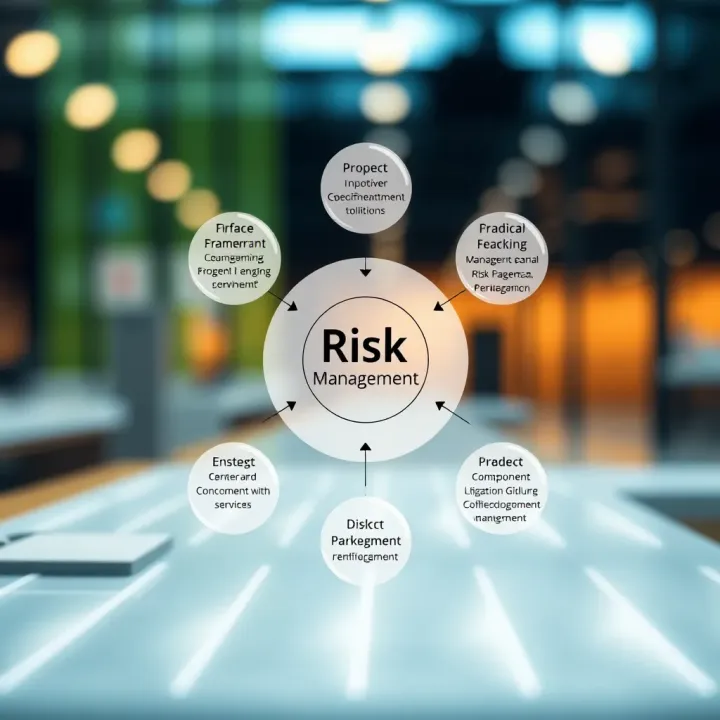
Learn how Nigerian businesses can build a risk management framework to handle economic swings, regulatory shifts, and day-to-day challenges for steady growth 📊✅
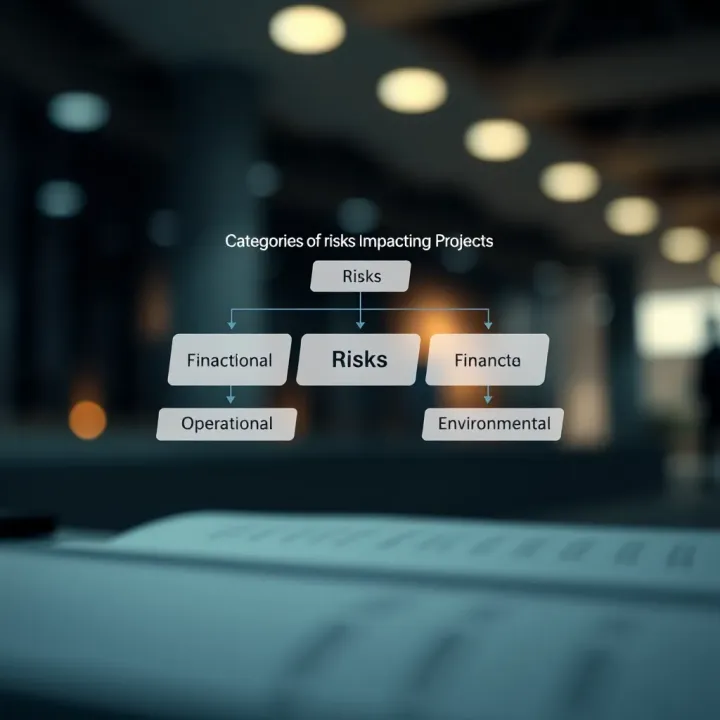
📊 Learn how to manage project risks effectively in Nigeria: identify, assess, and respond to challenges for better results in business and development projects.
Learn how Nigerian businesses can spot, assess and manage risks that threaten ₦ resources or daily goals. Practical steps help reduce losses and boost control 🛡️📊
Based on 6 reviews