

Benefits of Risk Management for Nigerian Businesses
🔍 Explore how risk management boosts Nigerian businesses by securing operations, improving decisions, ensuring compliance, and supporting lasting success.
Edited By
Thomas Reid
Managing risk is not just for banks or oil companies in Nigeria; every business—from a bustling suya joint in Abuja to a tech startup in Lagos—faces risks daily. These could be market fluctuations, power outages, currency instability, or even regulatory changes by bodies like the Central Bank of Nigeria (CBN) and the Nigerian Communications Commission (NCC). Without a clear framework to identify, assess, and respond to these risks, organisations stand to lose assets, money, and even their reputation.
A solid risk management framework provides Nigerian businesses with a roadmap to handle uncertainties systematically. It helps businesses stay compliant with evolving Nigerian laws, like tax regulations enforced by the Federal Inland Revenue Service (FIRS), while protecting operations against common threats such as fraud, cyberattacks, and supply chain disruptions.

An effective framework transforms risk from a shadowy threat into manageable components, giving you better control and confidence.
The framework generally starts with risk identification—understanding what specific dangers a company is exposed to. For example, a Lagos-based importer should evaluate risks tied to foreign exchange volatility and customs delays. Next, risk analysis determines the potential impact of these threats, weighing their likelihood and severity.
From there, businesses develop strategies to mitigate risks, such as hedging foreign exchange exposure or diversifying suppliers to avoid dependence on a single source. Nigerian firms might also consider adopting technology for real-time monitoring of transactions or employ specialists familiar with Nigerian regulatory compliance to manage risks proactively.
The framework isn’t a one-off exercise but a continuous process. Regular monitoring ensures emerging risks, like sudden fuel price hikes affecting logistics, get spotted early. Nigerian businesses also benefit from incorporating continuous improvement, adapting strategies with feedback from ongoing risk assessments. That way, the framework remains relevant amidst Nigeria’s often volatile economic and regulatory climate.
To sum up, developing a practical risk management framework tailored to the Nigerian environment equips organisations to protect their assets, maintain regulatory compliance, and adapt to changing conditions effectively. In the following sections, we will explore each component of the framework in detail, offering practical steps Nigerian businesses can apply immediately.
A clear grasp of what a risk management framework entails helps Nigerian organisations navigate their complex business environment more confidently. Understanding its purpose is about realising how such a framework acts as a blueprint for spotting, evaluating, and countering risks that could disrupt operations or damage finances. Without this knowledge, businesses risk flying blind, leading to costly mistakes or missed opportunities.
Nigeria's economy is known for its unpredictability, with factors like fluctuating exchange rates, fuel scarcity, and supply chain interruptions regularly affecting daily business. For instance, a manufacturing company relying on imported raw materials may face sudden cost hikes due to naira devaluation or border delays. Having a risk management framework helps identify such threats early, enabling companies to plan alternatives like local sourcing or buffering budgets for foreign exchange losses.
Besides market uncertainties, operational challenges such as inconsistent power supply force many businesses to rely on generators, increasing costs unpredictably. Using a structured risk approach, organisations can assess these risks and adapt strategies like investing in solar power or adjusting production schedules accordingly.
Nigerian businesses must comply with multiple regulations set by agencies like the Corporate Affairs Commission (CAC), the Nigerian Electricity Regulatory Commission (NERC), and tax bodies like the Federal Inland Revenue Service (FIRS). Regulations often change, sometimes with short notice, leaving businesses exposed to penalties or licence revocations if they lag behind.
A risk management framework sets out processes to track relevant rules, assess their impact, and establish controls to ensure ongoing compliance. For example, a financial institution using this framework will regularly monitor guidelines from the Central Bank of Nigeria (CBN) and Securities and Exchange Commission (SEC) to avoid breaches that carry hefty fines or reputational damage.
An organisation's reputation is fragile, especially in Nigeria where word-of-mouth and public perception play a large role. A simple incident, like a breach of customer data or a failure in product quality, can quickly erode trust and market share.
By identifying risks that threaten reputation and developing mitigation plans, companies safeguard stakeholder interests — including customers, investors, and employees. For example, a telecom company might establish tight cybersecurity measures and a rapid response plan to handle breaches, limiting fallout and reassuring stakeholders.
At its core, a risk management framework provides a structured way to:
Identify potential risks across the business
Assess their likelihood and potential impact
Determine appropriate responses like avoidance or mitigation
Monitor risk levels and the effectiveness of controls
Report findings to leadership and stakeholders
Its objective is to reduce surprises and losses by embedding risk thinking in daily decisions. For Nigerian businesses, this means not only protecting assets but also sustaining growth despite frequent economic and social shifts.
Ad hoc risk management tends to be reactive and unordered, often triggered only after a problem emerges. Nigerian companies without a formal framework might scramble whenever they face disruptions, resulting in patchy solutions and repeated errors.
In contrast, a risk management framework makes risk handling an ongoing, proactive routine. It formalises roles, responsibilities, and processes, enabling organisations to spot problems early, respond consistently, and improve based on lessons learned. This reduces burnout on management and aligns the entire organisation towards resilience and preparedness.
A strong risk management framework turns uncertainty from a threat into a manageable element of daily business life, especially in Nigeria’s dynamic environment.
Understanding these fundamentals positions Nigerian organisations to build a risk culture that supports long-term stability and success.
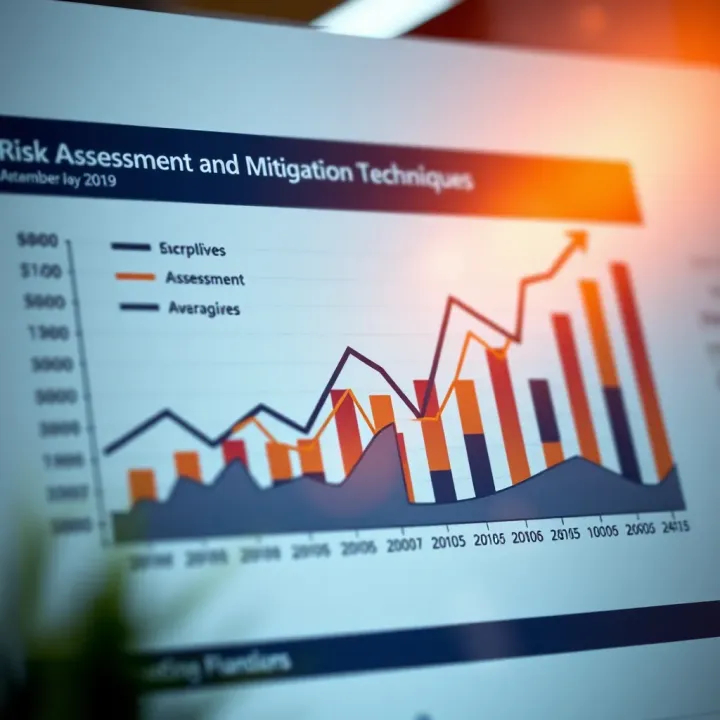
A solid risk management framework rests on several key elements that help Nigerian organisations systematically identify, evaluate, and handle risks affecting their business. These foundational components are vital because they transform vague concerns into actionable steps, enabling leaders to protect assets, maintain regulatory compliance, and navigate Nigeria’s unpredictable business environment. Understanding and applying these elements practically can mean the difference between a business surviving or folding amidst market disruptions.
In Nigeria, businesses encounter risks from many sources, such as power outages, currency fluctuations, regulatory changes, and security threats like armed robbery or theft. For instance, a Lagos-based manufacturer may face operational interruptions due to frequent NEPA power cuts, while a financial institution might worry about currency instability affecting loan repayments. Identifying these risks early includes gathering information from frontline staff, suppliers, and customers to avoid surprises.
Once risks are identified, categorising them is necessary to assess their nature and origin. Typical risk categories include financial risks (such as foreign exchange losses and liquidity challenges), operational risks (equipment failure or supply delays), strategic risks (poor market positioning or aggressive competitors), and compliance risks (new taxation rules or anti-money laundering regulations). Nigerian banks, for example, often prioritise compliance risks highly due to strict Central Bank of Nigeria (CBN) policies.
Measuring how likely a risk is to occur and the damage it could cause helps organisations focus on what matters most. A startup in Lagos handling unstable internet service might rate the likelihood of disruptions as high but impact as moderate, while a construction firm may see regulatory non-compliance as lower likelihood but very high impact due to potential fines.
Tools such as risk matrices, heat maps, and risk registers suit Nigerian enterprises as they offer visual and straightforward ways to prioritise. A small business could use a simple spreadsheet with risk likelihood and impact scores assigned by key employees, while a larger organisation might employ software solutions adapted for local conditions. These tools also facilitate communication with stakeholders and guide resource allocation.
After assessing risks, businesses choose how to respond: avoiding the risk entirely, reducing its likelihood or impact, sharing the risk (through insurance or partnerships), or accepting it when unavoidable or too costly to avoid. For example, a supermarket chain might avoid supply chain risk by diversifying suppliers, reduce theft risk with CCTV and security guards, share currency risk through hedging contracts, and accept occasional traffic delays as part of doing business in Lagos.
Selecting cost-effective controls is crucial, especially for Nigerian enterprises facing budget constraints. Investing ₦500,000 in reliable backup generators could prevent costly downtime for a manufacturing plant facing frequent power interruptions. However, expensive imported security systems may not be affordable; in such cases, layering affordable local solutions like perimeter fencing and community watch programs may offer good protection at lower costs.
Effective risk management in Nigerian organisations combines understanding local realities with practical choices that fit budgets and operational needs. Adopting key elements thoughtfully equips enterprises to turn challenges into manageable business risks.
Bringing a risk management framework to life in Nigerian organisations goes beyond simply designing policies; it demands deliberate action to embed these processes into daily operations. Implementation ensures that risk practices are not just on paper but actively guide decision-making and behaviour across the organisation, enhancing resilience in Nigeria’s unpredictable business climate.
Leadership must champion risk management by setting the tone at the top. When senior executives visibly support risk initiatives, it fosters a culture where staff take risks seriously. For instance, a bank in Lagos with a proactive board that regularly reviews emerging loan defaults is better placed to adjust credit policies swiftly, preventing larger losses. Without leadership buy-in, risk frameworks risk becoming tick-box exercises instead of practical safeguards.
Cultivating the right risk culture means encouraging transparency and accountability, where employees feel safe to flag potential risks without fear of reprisal. This is particularly important in Nigeria’s business environment, where informal practices sometimes obscure operational vulnerabilities.
Establishing dedicated risk committees or units anchors the framework firmly within the organisation. These groups coordinate risk activities, monitor controls, and ensure compliance with regulatory expectations — critical given Nigeria’s complex business regulations.
For example, a manufacturing company in Kano might create a risk unit to routinely assess supply chain disruptions, especially for raw materials imported on tokunbo terms that are sensitive to forex fluctuations. This unit becomes the point of reference for tracking risks and recommending mitigation steps to senior management.
For risk management to succeed in Nigerian businesses, everyone must understand their roles. Communication should extend beyond top management to reach junior staff who often face day-to-day operational risks. Regular workshops, memos, and interactive sessions help maintain awareness and reinforce shared responsibility.
In a tech startup in Abuja, weekly huddles discussing recent risks related to cybersecurity threats can empower every team member to spot vulnerabilities early. This collective vigilance strengthens the overall defence against financial or data loss.
Training tailored to Nigerian realities makes risk concepts relatable and easier to grasp. Using local business scenarios—such as dealing with unreliable power supply or managing vendor risks during ember months—helps staff connect theory with practice.
A logistics firm in Port Harcourt, for example, could use past incidents of fuel scarcity affecting delivery timelines to teach risk mitigation strategies. Such contextualised training nurtures practical skills, making it more likely that staff will apply their knowledge effectively.
Embedding risk management requires clear roles, active communication, and training rooted in local challenges. Nigerian organisations that invest in these areas stand a better chance of converting risk frameworks into practical tools for business sustainability.
Effective risk management does not end at setting up controls—it requires consistent monitoring, transparent reporting, and ongoing improvement. Nigerian organisations face unique risks, from currency fluctuations to erratic power supply, making it essential to track risk indicators and adjust frameworks regularly. This proactive approach ensures businesses remain resilient amid changing conditions.
Technology plays a vital role in tracking risk indicators efficiently. For instance, many Nigerian banks now deploy automated dashboards that pull data from various departments—sales figures, credit defaults, or compliance checklists—allowing management to spot red flags early. Small and medium enterprises (SMEs) can use affordable cloud-based tools like Google Data Studio or local fintech platforms to monitor cash flow or fraud risks. These data-driven insights help in quick decision-making and reduce reliance on manual reports, which can be slow and prone to error.
The Nigerian business environment is dynamic, with risks evolving due to political shifts, regulatory updates, or social factors. For example, changes in import policies or fuel subsidies can suddenly disrupt supply chains. Organisations need to incorporate real-time data feeds and scenario analysis to adjust controls swiftly. Keeping an eye on news from agencies such as the Central Bank of Nigeria (CBN) or the Nigerian Communications Commission (NCC) can guide anticipatory actions, preventing costly surprises.
Clear, concise risk reports are crucial for stakeholders, including board members, investors, and regulators. Reports should highlight key risk metrics, control effectiveness, and emerging issues. In Nigeria, quarterly reporting is common, but high-risk sectors like oil and gas or financial services may require monthly updates. Formats combining executive summaries, graphs, and detailed narratives work best to convey complex data quickly. For example, a bank may provide quarterly risk dashboards alongside in-depth reports for internal audit teams.
Transparent reporting fosters trust and ensures accountability. Nigerian organisations benefit when they openly share risk status and control weaknesses with stakeholders rather than concealing vulnerabilities. This approach encourages better support for risk initiatives and demonstrates compliance with standards like those from the Financial Reporting Council of Nigeria (FRCN). Moreover, accountability at all levels ensures that risk owners act on findings promptly, maintaining organisational integrity.
Transparent, regular reporting is not just a regulatory checkbox but a tool to build stakeholder confidence and improve risk responsiveness.
Post-incident reviews should be standard practice. Nigerian businesses often focus only on major losses, but near-misses provide early warnings that something may be amiss. For example, a telecom provider noticing repeated system outages should investigate underlying causes before a full-scale failure occurs. Documenting lessons from these events helps refine risk assessments and mitigation controls, preventing repetition.
Risk management frameworks must evolve with the business and external environment. Gathering feedback from employees, customers, and partners reveals blind spots overlooked by management. Also, adjustments are needed when new regulations emerge, such as updated anti-money laundering rules by the Economic and Financial Crimes Commission (EFCC). Regularly updating policies ensures compliance and aligns risk practices with current realities, safeguarding the organisation over the long term.
Monitoring, reporting, and continuous improvement together create a living risk framework that adapts and strengthens Nigerian organisations against present and future challenges.
Risk management is vital for Nigerian businesses, but numerous challenges complicate its effective implementation. Understanding these hurdles is essential for designing a framework that works well under local conditions. Such knowledge enables organisations to identify practical solutions that address financial constraints, regulatory complexities, and cultural dynamics.
Balancing thoroughness and affordability remains a pressing concern for many Nigerian firms, especially small and medium-sized enterprises (SMEs). While a comprehensive risk framework tends to require investment in tools, expertise, and training, limited budgets force organisations to prioritise. For instance, a startup in Lagos might struggle to afford sophisticated risk software, yet still needs a workable system that covers key risks without draining resources. Striking this balance means focusing on critical risks that have the biggest chance of impacting operations severely.
Leveraging local solutions and partnerships can ease cost burdens and provide tailored risk management approaches. Nigerian fintech companies, such as Kuda and Flutterwave, often offer affordable risk monitoring tools adapted to local market realities. Additionally, partnerships with local universities or professional bodies like ICAN can help firms access affordable training and expertise. By tapping into domestic resources, organisations can build effective frameworks without relying solely on expensive foreign consultants or imported systems.
Navigating multiple agencies and frameworks poses a significant challenge for Nigerian businesses. Companies often have to comply with requirements from several organisations simultaneously—such as the Central Bank of Nigeria (CBN) for financial regulations, the Securities and Exchange Commission (SEC) for capital market rules, and the National Insurance Commission (NAICOM) for insurance aspects. These overlapping demands complicate risk identification and prioritisation.
Keeping up with ongoing policy changes adds another layer of difficulty. Regulatory bodies adjust rules frequently, especially in response to economic fluctuations or government policies. For example, recent changes in foreign exchange regulations and tax policies by the Federal Inland Revenue Service (FIRS) require constant monitoring. Businesses that fail to stay updated risk non-compliance penalties and operational disruptions. Effective frameworks must include mechanisms that track regulatory changes and adjust controls promptly.
Building risk awareness within the workforce is still an uphill task in many Nigerian companies. Often, employees see risk management as a bureaucratic formality rather than a practical necessity. Without a culture that values proactive risk handling, risk frameworks tend to be ignored or superficially applied. For example, in some organisations, staff may overlook reporting incidents or near-misses, which limits the framework’s effectiveness.
Overcoming resistance to change requires deliberate effort from leadership. Introducing new processes or technologies can trigger pushback, especially in traditional or family-run businesses where hierarchy and established ways dominate. Successful change management uses clear communication, training, and demonstration of benefits to gain buy-in. Highlighting how risk management protects business continuity and jobs can motivate staff to embrace new practices more willingly.
Addressing these challenges head-on helps Nigerian organisations build risk management systems that are practical, adaptable, and culturally sensitive, ensuring survival and growth in an ever-uncertain environment.
Focus on critical risks when resources are limited
Partner with local tech firms and institutions for cost-effective solutions
Stay alert to overlapping regulations and keep framework flexible
Foster organisational culture that sees risk management as essential
Engage leadership actively to ease change resistance
This approach equips traders, investors, financial analysts, and educators with grounded insights for enhancing risk frameworks tailored to Nigerian realities.
🔍 Explore how risk management boosts Nigerian businesses by securing operations, improving decisions, ensuring compliance, and supporting lasting success.

Explore top trading apps for Nigerian investors📱. Learn about fees, security🔒, usability, and support for the best trading experience in Nigeria🇳🇬.

Discover how to choose the best forex trading platform in Nigeria 🇳🇬. Learn about key features, regulations, top local platforms, and smart tips for safer trading.

Find the best binary option broker in Nigeria with our expert guide 📊. Learn key tips, top brokers, and how to trade wisely and safely.
Based on 7 reviews