

Forex Trading Insights for Nigerian Traders
📈 Understand forex trading essentials for Nigerian investors 🇳🇬. Learn how global and local factors affect currency movements, spot trends, and avoid common market pitfalls.
Edited By
Liam Foster
Crypto trading bots are software programs designed to automatically execute trades on cryptocurrency exchanges. For Nigerian traders who face volatile markets and fluctuating naira value, these bots provide a way to stay active without constantly monitoring prices.
At their core, bots follow predetermined algorithms that analyse market trends and place buy or sell orders based on specific signals. This automation means trades happen faster than manual actions, often capturing opportunities missed by human traders.
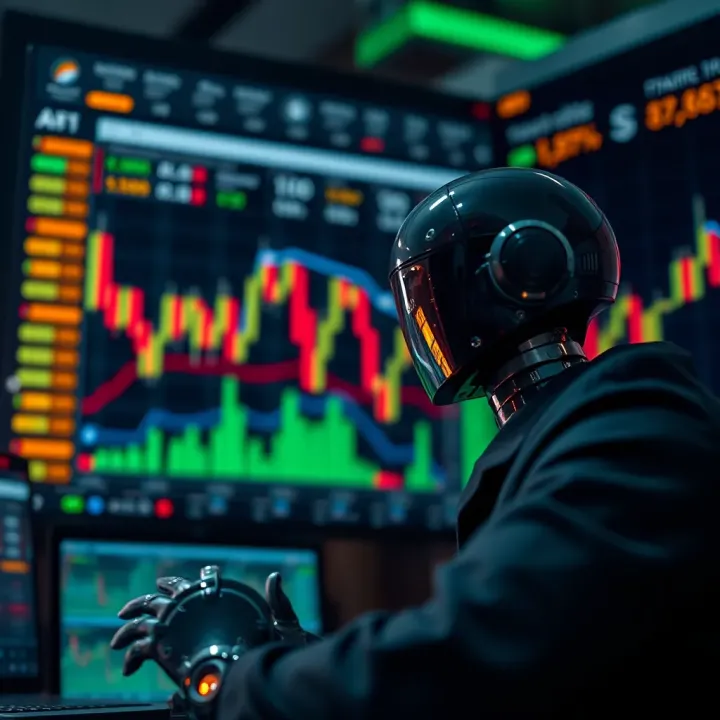
There are several types of crypto bots, including:
Trend-following bots: These track momentum and trade in the direction of price movement.
Arbitrage bots: They exploit price differences across exchanges to lock in profit.
Market-making bots: These provide liquidity by placing simultaneous buy and sell orders to benefit from small price spreads.
The appeal for Nigerian traders lies in how bots can work round the clock, helping to manage risks and reduce emotional decisions that often lead to losses. For example, a trader using a trend-following bot on Binance or Luno can automatically buy when Bitcoin shows upward momentum and sell before major drops.
Remember, while bots handle execution, the strategy must be well-planned. Without clear settings, bots can amplify losses during unpredictable market swings common in crypto.
Using bots requires linking them to your exchange accounts through Application Programming Interfaces (APIs), which means keeping security top of mind. Nigerian traders should ensure the bot provider uses secure encryption and has a strong reputation since third-party bots may expose funds to risk.
This introduction sets the stage to understand crypto bots’ role in Nigeria's trading environment. The technology can boost efficiency, but selecting the right bot and applying sound strategies remain key to success.
Crypto trading bots have become vital tools for both novice and experienced traders in Nigeria. These automated systems help manage trades in the fast-paced, often volatile cryptocurrency market, offering an edge that human traders alone might struggle to maintain. Understanding how these bots work is essential for Nigerian traders aiming to make informed decisions and tap into potential profits without constantly monitoring price movements.
Crypto trading bots are software programmes designed to automatically execute buy and sell orders on cryptocurrency exchanges. They act on predefined rules and algorithms without requiring manual intervention. For instance, a Nigerian trader may use a bot to buy Bitcoin whenever its price drops by a certain percentage, then sell when it rises, avoiding emotional decisions that often hurt profits.
These bots work 24/7, which is particularly useful given the volatility and nonstop nature of crypto markets worldwide. Unlike manual trading limited by human availability and energy, bots can continuously scan the market, ensuring no opportunity slips by. For Nigerian traders, this means leveraging time even when power disruptions or internet issues could otherwise hold them back.
Once connected to an exchange, trading bots automatically place orders according to programmed strategies. They monitor market data in real-time, identify trade signals, and react instantly—much faster than any human could. For example, if a bot detects a sudden price dip on Binance or Luno, it can trigger a purchase before the price rebounds.
This automation removes the emotional stress of trading, which often leads to poor choices like panic selling during dips or excessive buying in hype. Nigerian traders juggling other jobs or business can set their bots to follow tested strategies and trust the system to act within safe parameters.
Trading bots use various algorithms based on technical analysis, statistical patterns, and market indicators. Common strategies include arbitrage, trend-following, and market-making. For example, a trend-following bot might buy assets showing strong upward momentum and sell when the trend reverses. Nigerian traders can select bots that suit their risk appetite and market conditions, tweaking strategies to fit local nuances, such as naira volatility.
These algorithms often rely on indicators like moving averages, Relative Strength Index (RSI), or Bollinger Bands to decide entry or exit points. They adjust dynamically to market behaviour, aiming to capitalise on short-term swings or longer-term trends.
Bots connect to cryptocurrency exchanges via Application Programming Interfaces (APIs), which let them send trade orders, access market data, and check account balances securely. In Nigeria, popular exchanges like Binance, Luno, and Quidax offer API access, enabling traders to link their bots smoothly.
Security is crucial here: traders must ensure API keys provide trading rights only, avoiding withdrawal permissions to protect funds. Additionally, Nigerian traders should verify bots are compatible with their chosen exchanges and understand how API rate limits or connectivity might affect automated trading performance.
Automated trading bots operate around the clock, freeing Nigerian traders from constant market observation while offering precision and speed that human traders can rarely match.
Understanding the basics of crypto trading bots sets a strong foundation for Nigerian traders looking to explore automation. Knowing how bots function, the strategies behind them, and their exchange integration helps avoid common pitfalls and maximises the tools' benefits in a market that's as unpredictable as Lagos traffic during the ember months.
Understanding the different types of crypto trading bots is key to making informed decisions about using them in Nigeria. Each bot operates on specific strategies and serves distinct purposes, affecting how traders interact with the volatile cryptocurrency market. Knowing these types helps you pick a tool that matches your trading style and market conditions.
Arbitrage bots search for price gaps of the same cryptocurrency between multiple exchanges and capitalise on these variations. For example, if Bitcoin sells at ₦25 million on one exchange but ₦25.5 million on another, an arbitrage bot can buy Bitcoin cheaply on the first platform and sell immediately on the second, capturing the spread as profit. This method relies on fast execution and low latency to beat other traders.
Arbitrage bots can be practical for Nigerian traders considering the fragmentation of local and international exchanges, where prices sometimes diverge due to liquidity constraints or regulatory factors. However, local traders must account for exchange withdrawal fees, naira volatility, and delays caused by payment systems when moving funds between platforms. Arbitrage opportunities may exist but require keen market monitoring and dependable internet connectivity to avoid losses.
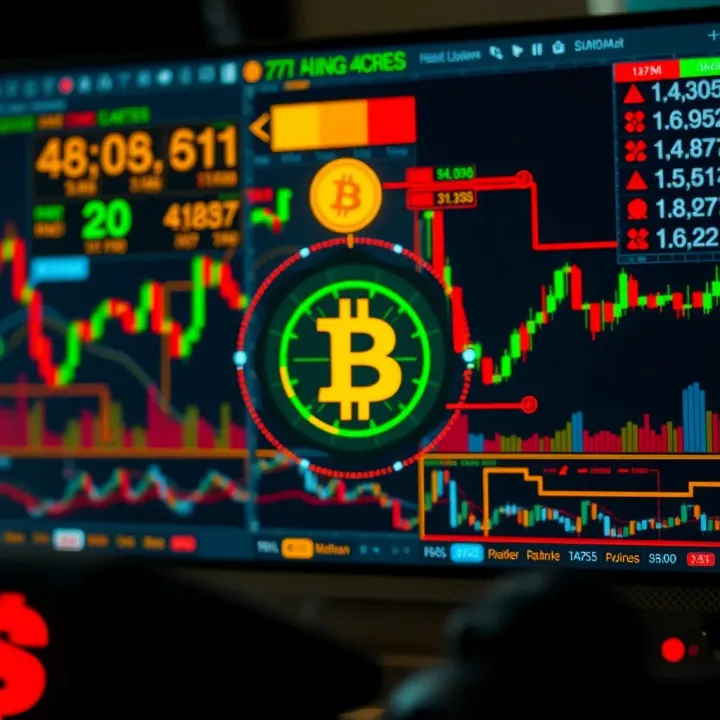
Market-making bots place simultaneous buy and sell orders around the current market price, creating liquidity and capturing the spread between these two prices. By doing so, they earn small profits on many trades, a strategy suited for relatively stable markets. For instance, a market-making bot may buy Ethereum at ₦1 million and sell at ₦1,010,000, repeating this cycle to earn regular, incremental gains.
While market-making bots can generate steady income, Nigerian traders should be aware of inherent risks. Sudden market swings common in crypto can cause these bots to accumulate assets at unfavourable prices, resulting in losses. Furthermore, high transaction fees on some exchanges might erode profits. Running these bots requires consistent oversight to adjust orders and minimise risks.
Trend-following bots track the direction and strength of price movements, buying assets that are rising and selling those that are falling. These bots use technical indicators like moving averages or Relative Strength Index (RSI) to decide when to enter or exit trades. For example, if Bitcoin shows upward momentum over several hours, the bot may open a buy position expecting prices to keep climbing.
Given the frequent price swings in Nigeria’s crypto scene, trend-following bots often deploy strategies like breakout trading, where the bot acts when prices move beyond certain thresholds, or mean reversion, which bets on prices returning to average levels after sharp moves. Such strategies help take advantage of Nigeria's market volatility but require careful parameter tuning to avoid whipsaws—false signals that can trigger losses.
Choosing the right type of trading bot depends on your risk appetite, market understanding, and available resources. Nigerian traders should weigh local conditions, such as exchange fees and internet reliability, before committing to any bot strategy.
Arbitrage bots suit traders with access to multiple exchanges and quick fund transfers.
Market-making bots benefit those aiming for steady income but need vigilance during market shifts.
Trend-following bots offer opportunities where price momentum is clear, especially in volatile markets.
Getting familiar with these bot types arms Nigerian traders against crypto market uncertainties and opens paths to smarter, automated trading.
Using crypto trading bots offers Nigerian traders several practical advantages while posing notable risks. Knowing both sides helps traders use bots wisely in the local context.
Reducing emotional decisions
Emotions often cloud trading choices, especially in volatile crypto markets. Bots remove sentiment by executing pre-set strategies, preventing impulsive buys or panicked sells. For example, a Nigerian trader might hesitate during sudden market dips caused by negative news, but a bot can stay consistent and stick to trading rules regardless of fear or greed.
By automating trades, bots help maintain discipline. This is key in a market where price swings happen fast and often without clear reasons. Eliminating emotional bias typically improves long-term results.
Trading 24/7 despite power or network challenges
Nigerian traders frequently face electricity outages and internet disruptions, which can hinder manual monitoring of crypto markets open around the clock. Trading bots operate continuously once set up, ensuring no opportunities are missed during offline periods.
Even when power at home fades or the network slows, a bot hosted securely on cloud platforms or reliable servers can keep trading non-stop. This advantage is crucial for Nigerian investors who cannot watch markets during odd hours due to daily life demands or infrastructural challenges.
Speed and efficiency in markets
Crypto trading bots react instantly to market conditions, far faster than human traders. They scan multiple exchanges, analyse price movements, and execute trades within milliseconds.
In Nigeria’s active crypto community, quick execution can mean the difference between profit and loss. For instance, bots can exploit price dips before they widen or lock gains immediately when profits hit targets. This speed and precision boost trading efficiency beyond manual capabilities.
Technical failures and security vulnerabilities
Bots depend on software and internet connectivity, which introduces risks of glitches or downtime. A bot may malfunction due to coding errors or fail during sudden exchange API changes, leading to costly missed trades or unintended positions.
Security is also a concern. Hackers targeting Nigerian users might seek to access API keys or private credentials stored by bots. Without robust safeguards, traders risk stolen funds or account breaches.
Market risks and unexpected volatility
Bots follow programmed strategies but cannot fully predict market shocks or black swan events. Sudden price crashes, news-driven volatility, or liquidity dry-ups may cause bots to incur significant losses.
For example, during ember months, geopolitical unrest or regulatory shifts can create abrupt changes in crypto prices. Bots must be regularly adjusted by traders to cope with such spikes and avoid blindly following outdated rules.
Fraudulent bots and scams targeting Nigerian market
Some bots advertised to Nigerian traders promise guaranteed profits but are scams designed to steal funds or personal data. Fraudsters often use fake reviews or unrealistic claims to lure users.
It’s critical to conduct thorough checks before using any bot in Nigeria. Rely on reputable platforms, vet developers, and avoid sharing sensitive information carelessly. Awareness can help traders dodge these pitfalls common in Nigeria’s crypto space.
Using trading bots is not a risk-free shortcut but a tool requiring careful management, especially in Nigeria’s unique setting of infrastructural and market challenges.
In summary, Nigerian traders stand to gain from automated crypto trading through emotion-free execution, round-the-clock operation, and speed. However, risks like technical failures, market shocks, and scams mean cautious use and ongoing vigilance remain essential.
Practical guidance is vital for Nigerian traders looking to use crypto trading bots effectively. The crypto market can be volatile and complex, so understanding how to choose, set up, and monitor these bots helps traders avoid costly mistakes and improve their outcomes. For instance, without proper setup or oversight, a bot could execute trades during unexpected price swings, leading to losses instead of gains.
When selecting a trading bot, Nigerian traders should prioritise bots with strong reputations backed by genuine user feedback. Online reviews and community forums give insight into reliability, ease of use, and customer support. For example, a bot popular among Nigerian fintech groups or available in local Telegram channels with positive feedback is more trustworthy than one with many unresolved complaints about security breaches.
Not all bots integrate smoothly with local exchanges like Binance Nigeria, Luno, or Quidax. Ensuring compatibility means the bot can connect directly with your account to execute trades without hiccups. This reduces the risk of missed trades or errors. For instance, a bot compatible with Binance APIs allows seamless automation, whereas one lacking this might force you to trade manually, defeating the purpose.
Some bots charge monthly or yearly fees, while others take a percentage of your profits. Nigerian traders should weigh these costs against potential gains carefully. A bot charging ₦50,000 monthly might be affordable for a trader with a large portfolio but too expensive for a beginner with just ₦100,000. Also, watch out for hidden fees or pricey upgrades that can eat into profits.
To automate trades, your bot uses Application Programming Interfaces (APIs) to communicate with your exchange account. Nigerian traders must connect APIs safely by using exchange settings that restrict withdrawal abilities and mandate two-factor authentication. This prevents hackers from draining accounts if bot credentials leak, a real risk given Nigeria’s rising cyberfraud cases.
Bots come with settings like trade frequency, stop-loss limits, and asset preferences. Nigerian traders should adjust these based on local crypto market trends, liquidity, and volatility. For example, during the ember months when prices can fluctuate due to economic uncertainties, tightening stop-loss limits might help prevent major losses.
Bots are helpful but not immune to market shocks or technical glitches. Even if your bot trades 24/7, Nigerian traders must check on performance often. Regular monitoring allows you to tweak settings or pause trading if unusual price swings or exchange downtime occur. Relying entirely on automation without oversight can amplify risks.
Practical knowledge and active management turn crypto bots from mere tools into genuine trading allies for Nigerian investors.
By considering reputation, cost, security, and continuous oversight, Nigerian traders can make the most of crypto trading bots while avoiding common pitfalls.
Navigating the legal and regulatory environment is essential for Nigerian traders using crypto trading bots. Nigeria’s stance on cryptocurrencies has been somewhat restrictive, impacting how automated trading systems operate. Understanding these rules prevents unintentional breaches that could lead to financial or legal consequences.
The Central Bank of Nigeria (CBN) has maintained a cautious position on cryptocurrencies. Since early 2021, the CBN directed banks and financial institutions to stop facilitating crypto transactions. This directive created significant hurdles for traders relying on fiat-to-crypto exchanges. Though not outlawing crypto ownership, the CBN aims to curb potential risks like money laundering and fraud.
For crypto trading bots, this means that integration with Nigerian banks or payment platforms may be limited or risky. Traders should expect challenges in funding accounts through local banks and may have to explore peer-to-peer (P2P) options or external exchanges to deploy bots effectively.
Beyond CBN's stance, automated trading falls under Nigeria’s broader financial and cyber laws. The Nigerian Financial Intelligence Unit (NFIU) monitors suspicious transactions, including those automated by bots. Legislation like the Cybercrimes Act 2015 also applies, targeting internet fraud and unauthorised access.
Traders must ensure bots don’t execute activities construed as market manipulation or fraudulent schemes. While there is no specific law banning automated crypto trading, compliance with existing financial regulations and cybersecurity standards is compulsory to avoid probe or penalties.
Most Nigerian traders rely on international crypto exchanges like Binance and Luno. These platforms often have clear policies around bot usage. Compliance with their terms prevents account suspension or fund freezes. For example, Binance allows bot trading but restricts certain aggressive strategies that may harm market integrity.
Always review exchange policies thoroughly before connecting your bot. Keep records of your bot’s trading parameters and updates to demonstrate compliance if queried by the platform.
Security remains a top concern for Nigerian traders using crypto bots. Bots require API keys to access exchange accounts, which if compromised can lead to significant losses. Traders should never share API keys unnecessarily and must enable features like IP whitelisting.
Besides securing API access, safeguarding personal data linked to crypto accounts is vital. Given frequent cyberattacks in Nigeria, use strong passwords and two-factor authentication. This protects not only your trades but also your identity and funds.
Legal awareness and strict security practices are the backbone of using crypto trading bots safely in Nigeria. Understanding CBN directives and exchange policies, alongside protecting your information, ensures your automated trading runs without hitches or regulatory troubles.
📈 Understand forex trading essentials for Nigerian investors 🇳🇬. Learn how global and local factors affect currency movements, spot trends, and avoid common market pitfalls.
📈 Discover effective binary trading strategies to help Nigerian traders make consistent profits, manage risks well, and improve market decisions with practical tools.
🤑 Want to trade forex in Nigeria? Learn how exchange rates affect profits, discover major currency pairs, manage risks, and pick the right platforms tailored for Naija traders.
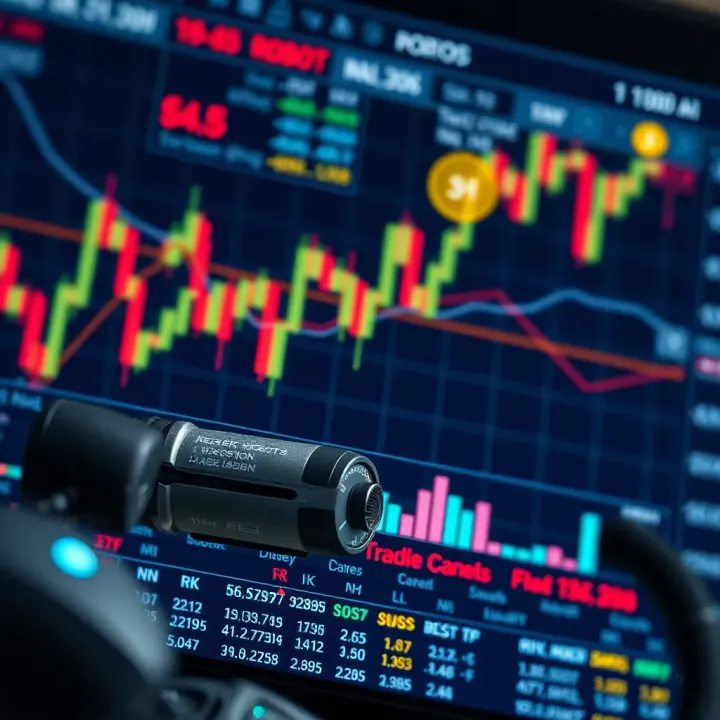
Discover how forex trading robots (Expert Advisors) can help Nigerian traders automate deals, manage risks, and boost profits in the ₦naira forex market 📉🤖
Based on 10 reviews