
Forex Trading Basics for Nigerian Traders
🤑 Want to trade forex in Nigeria? Learn how exchange rates affect profits, discover major currency pairs, manage risks, and pick the right platforms tailored for Naija traders.
Edited By
Isabella Morgan
Forex trading keeps drawing many Nigerians because of its promise for quick returns and the flexibility it offers. However, the market's complexity means traders must really understand what moves currencies before jumping in. This article helps clear the fog by breaking down key forces driving the forex market, focusing on practical insights tailored to Nigerian traders.
Forex, short for foreign exchange, is the global marketplace where currencies change hands. Its size dwarfs stock markets, with trillions of dollars exchanged daily. Nigerian traders interact with this market chiefly by speculating on the naira's value against foreign currencies like the US dollar or euro.
Unlike simply saving money in dollars or pounds, forex trading requires reading signals from a mix of global trends and local events. For example, when the Central Bank of Nigeria (CBN) adjusts its monetary policies — say, changing the Monetary Policy Rate (MPR) — the naira’s strength against other currencies can shift suddenly. Similarly, Nigeria’s oil production numbers matter since oil exports heavily influence foreign reserves and by extension, the naira.
Successful traders pay close attention to economic indicators such as inflation rates, foreign direct investment inflows, and political stability. Ignoring these can turn potential profit into losses.
To navigate this, traders should use tools like price charts and economic calendars, which track events and market reactions. Reading candlestick patterns might help spot potential trend reversals, while monitoring news headlines keeps one aware of sudden shocks, like policy changes or geopolitical tensions.
In Nigeria, forex trading is not without challenges. For instance, naira volatility driven by external shocks or local currency controls can complicate forecasting. Limited access to reliable trading platforms or delays in fund withdrawal also discourage many. Hence, being cautious about your broker's credibility is vital.
Here are quick tips for Nigerian traders starting in forex:
Follow CBN announcements and Nigerian economic data regularly.
Use demo accounts to practise before investing real money.
Understand global factors such as US Federal Reserve decisions that indirectly impact naira.
Stay grounded; avoid overleveraging your account to manage risk.
Getting the forex picture right means blending local realities with global market dynamics. This article will take you through these layers clearly and practically, so you can make smarter trading decisions that suit the Nigerian market landscape.
Grasping the key concepts in forex trading sets a solid foundation for anyone looking to navigate this fast-moving market. For Nigerian traders, understanding these basics helps demystify how currency values shift and how to spot the best trading opportunities. This knowledge can be the difference between making sound decisions and falling into avoidable losses.
Forex trading is the buying and selling of currencies to profit from fluctuations in exchange rates. Unlike the stock market, the forex market operates 24 hours daily on weekdays, accommodating global flows. For instance, a Nigerian trader might buy the US dollar expecting it to strengthen against the naira due to an anticipated policy shift by the Central Bank of Nigeria (CBN). The goal is to sell later at a higher rate, pocketing the difference. Transactions happen in lots, and traders can go long (buy) or short (sell), depending on market expectations.
Currencies are always traded in pairs, such as USD/NGN or EUR/USD. The first currency is the base, and the second is the quote. The pair's price reflects how much of the quote currency you need to buy one unit of the base currency. If the USD/NGN pair is at ₦750, it means ₦750 buys one US dollar. When trading, you're betting on whether the base currency will gain or lose value against the quote currency. For example, if you expect naira to weaken, you might sell NGN against the dollar to profit when the price rises.
Every currency pair has two prices: the bid and the ask. The bid is the highest price buyers are willing to pay, while the ask is the lowest price sellers will accept. The difference between these two, called the spread, is a cost traders face because you buy at a slightly higher price and sell at a slightly lower one. For example, if USD/NGN has a bid of ₦749 and an ask of ₦751, the spread is ₦2. Nigerian traders should watch for platforms with tight spreads since wider spreads eat into profits, especially with frequent trades.
Understanding these basic terms — what forex trading is, how currency pairs function, and how bid and ask prices work — is vital before deploying any trading systems or capital in the Nigerian forex context.
By building from these key concepts, Nigerian traders can better interpret market movements, spot risks, and harness tools for more confident trading decisions.
Understanding how to interpret the forex market picture is vital for Nigerian traders aiming to make informed decisions. The forex market is a complex system where prices fluctuate due to various factors like economic data, central bank signals, and geopolitical moves. Learning to read price charts, utilise technical indicators, and grasp fundamental analysis helps traders spot trends, anticipate movements, and manage risks effectively.
Prices in forex are visually represented on charts, and candlestick charts have become the standard for many traders. Each candlestick shows the opening, closing, high, and low prices within a specific time frame. For instance, a green candlestick typically signals a price rise, while red indicates a fall. Nigerian traders can quickly spot market sentiment by observing how these candles form and evolve during trading sessions.
Common chart patterns act like signposts for future price movements. Patterns such as head and shoulders, double tops and bottoms, or triangles highlight potential reversals or continuation of trends. For example, recognising a double bottom pattern in the USD/NGN pair could alert a trader to a possible upward move, offering a strategic entry point.
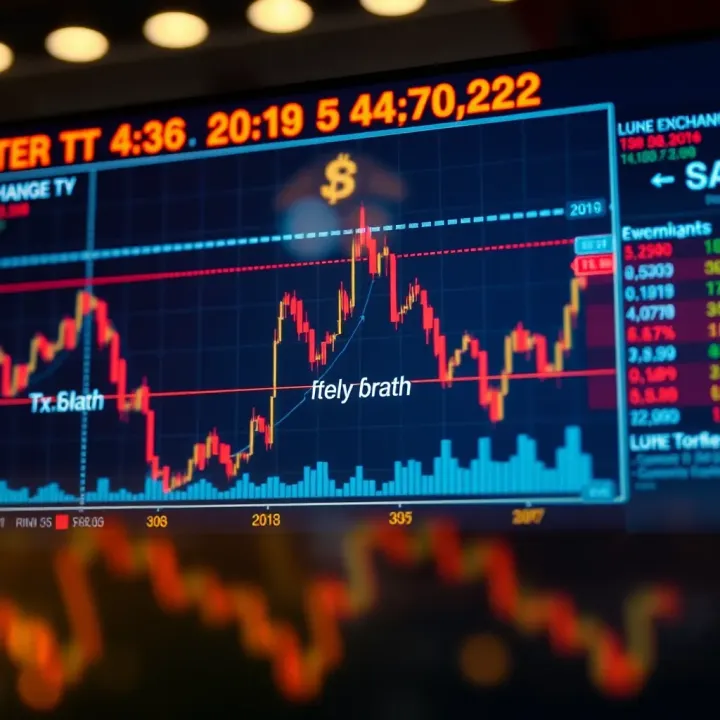
Moving Averages smooth out price data over a set period to help identify the direction of a trend. Nigerian traders often use a 50-day and 200-day moving average to distinguish between bullish and bearish markets. When a short-term moving average crosses above a long-term one, it might signal a buying opportunity.
Relative Strength Index (RSI) measures the speed and change of price movements, indicating overbought or oversold conditions. An RSI above 70 suggests the currency pair might be overbought, while below 30 could mean it's oversold. Such signals are handy to avoid entering trades at exhausted levels, especially during volatile naira episodes.
MACD (Moving Average Convergence Divergence) and momentum indicators track changes in trend strength. MACD compares two moving averages and signals when momentum shifts, which can help time entry or exit points. Traders using these tools can better gauge when the market momentum aligns with their trading strategy, reducing guesswork.
Economic reports such as Nigeria’s inflation data, GDP growth, or employment figures often shift forex prices. Positive growth numbers can strengthen the naira, while high inflation or trade deficits may weaken it. Staying updated on these releases helps traders anticipate market reactions.
Central Bank of Nigeria (CBN) policy decisions weigh heavily on the forex market. Changes in interest rates or foreign exchange interventions can cause significant price swings. For example, a sudden hike in the Monetary Policy Rate (MPR) might boost naira value as it attracts foreign investment.
Geopolitical events—like elections, regional conflicts, or trade agreements—also impact currency values. Political uncertainty often leads to volatility, so Nigerian traders monitor news closely to avoid getting caught off guard. The recent petrol subsidy debates, for instance, stirred market jitters that affected naira trading patterns.
Effectively interpreting these forex market elements equips Nigerian traders to act decisively, harness opportunities, and mitigate risks in a dynamic trading environment.
Local conditions strongly influence how the forex market operates in Nigeria. Understanding these factors is vital for traders and investors who want to make sound decisions rather than reacting blindly to global market movements. Nigerian forex trading moves not just with the usual economic forces but also with distinctive homegrown issues.
The Central Bank of Nigeria (CBN) plays a central role in shaping forex activities. Its policies and interventions directly affect liquidity and exchange rates. For example, the CBN often steps in with foreign currency at the official window to stabilise the naira or to control inflation. These interventions can create gaps between the official and parallel market rates, which traders need to watch closely. The CBN’s monetary policy rate adjustments also signal to traders the central bank’s approach to inflation and currency stability, which will influence forex sentiment.
Naira weakness is a recurring reality. Its volatility stems from factors like fluctuating oil revenues, trade imbalances, and political uncertainties. Such instability can create opportunities and risks for forex traders. For instance, during periods of naira devaluation, traders holding foreign currencies may benefit from exchange rate arbitrage. On the other hand, sudden policy shifts or fuel subsidy removals can trigger sharp naira swings, impacting the cost of imported goods and business forex requirements. Nigerian traders thus need to be ready for sudden naira moves and to monitor both official and parallel market rates.
Government actions beyond central bank moves also influence forex trading. Trade restrictions, import bans, and foreign exchange controls affect how much forex flows into or out of Nigeria. Take, for example, the prohibition on importation of certain food items or vehicles, which reduces demand for foreign currency temporarily but may spur parallel market activities. Additionally, policies on foreign direct investment, tax incentives, and petrol subsidy reforms shape the forex environment. Understanding these policies helps traders anticipate how liquidity and demand in the market might shift.
Nigerian forex traders who track local factors alongside global trends stand a better chance of spotting real trading opportunities and avoiding costly surprises.
In summary, local market dynamics—especially actions by the CBN, naira fluctuations, and government policies—are crucial to comprehending the Nigerian forex scene. Paying attention to these gives traders an edge in this often unpredictable market.
Navigating the forex market requires more than just understanding currency pairs or interpreting charts. Nigerian traders need practical tools tailored to their unique environment — tools that offer reliability, accessibility, and help manage risks effectively. These tools bridge the gap between knowledge and profitable trading, especially given the volatility of the naira and fluctuations in global markets.
Picking the right trading platform is the first step for any Nigerian forex trader. A reliable platform offers stability, transparency, and ease of use. Platforms like MetaTrader 4 (MT4) and MetaTrader 5 (MT5) are popular globally and widely available in Nigeria because of their robust charting tools and wide broker support. However, traders should also consider local options supported by Nigerian regulatory bodies where possible.
Trust is crucial, as scams and fraudulent brokers have been widely reported. Always verify that brokers are registered with the Securities and Exchange Commission (SEC) Nigeria or reputable international regulators. Check for transparent fee structures, quick withdrawal options, and customer support responsiveness. For instance, brokers that integrate payment methods like Paystack or Flutterwave for deposits and withdrawals make trading seamless for Nigerians.
Mobile trading apps bring forex markets right to your fingertips, making it easier to trade anytime, anywhere. Smartphones are very common in Nigeria, often the primary device for internet access, so apps like IG Trading, XM, or Olymp Trade cater well to traders on the go.
Using mobile apps helps Nigerian traders react faster to market changes, especially during volatile periods such as presidential elections or Central Bank of Nigeria (CBN) policy announcements. The apps usually come with push notifications for price alerts and economic events, making it easier to monitor your trades even when you are away from a desktop.
Managing risk separates successful traders from those who burn through their capital quickly. Nigerian traders should pay special attention to these key methods.
A stop-loss order automatically closes a trade at a predetermined price to limit losses. This is especially useful when unpredictable events hit the market. For example, if the naira suddenly depreciates due to fuel subsidy removal news, a stop-loss can prevent massive losses.
Setting realistic stop-loss levels means balancing protection with the price's natural fluctuations. Too tight a stop-loss may trigger premature exits, while too wide exposes you to bigger losses. Many Nigerian traders find using percentage-based stops—say 2% of their trading capital per trade—helps keep losses manageable.
Leverage lets traders control larger positions with a small amount of capital. While leverage can boost potential profits, it also magnifies losses. In the Nigerian context, where market volatility is often severe, reckless leverage use can wipe out accounts swiftly.
For example, trading with 1:100 leverage means a ₦10,000 margin controls ₦1,000,000 worth of currency. Even small adverse movements can cause quick losses. Conservative leverage ratios like 1:10 or 1:20 are generally safer, especially for new traders. Always understand the broker’s margin call and liquidation terms.
Diversification means spreading your investments across different currency pairs or asset classes to reduce risk. Relying solely on the USD/NGN pair, for instance, puts you at the mercy of local economic shocks.
By including pairs like EUR/USD or GBP/USD alongside Nigerian-related pairs, traders reduce the impact of a single currency’s volatility. Besides forex, some Nigerian traders also explore CFDs or commodities like gold, provided their broker offers these and they understand the risks involved. Diversification smoothens the ride, especially during the ember months, when market unpredictability heightens.
Practical tools, when chosen and used wisely, help Nigerian forex traders navigate market swings confidently and protect their investments against unforeseen shocks.
Navigating the forex market in Nigeria requires more than just understanding charts and economic indicators. Nigerian traders face unique hurdles not always found in other markets. These challenges can significantly impact profitability and long-term success, so recognising and addressing them is crucial. From sudden market shifts to unscrupulous brokers and hidden costs, this section highlights the real obstacles Nigerian traders must tackle.
The naira is notorious for its unpredictability, and this feeds directly into forex market volatility. Nigerian traders often encounter sudden spikes or drops due to factors like CBN policy shifts, fuel scarcity affecting economic activity, or geopolitical tensions. For example, the surge in naira volatility during the 2022 ember months led to sharp forex rate fluctuations, catching many unprepared traders off-guard.
Volatility can offer opportunities but also raise risk levels. Traders need to use tools such as stop-loss orders and keep close tabs on live market news to avoid devastating losses. Practically, this means avoiding overexposure to a single currency pair and adjusting position sizes during turbulent periods. A well-crafted strategy that anticipates volatility consequences helps protect capital.
The surge in online forex interest in Nigeria has also attracted unethical players promising unrealistic returns. Many traders have lost millions to unregulated or fake brokers who vanish once they receive deposits. For instance, stories abound of brokers who suddenly refuse withdrawals or manipulate trading platforms to the detriment of clients.
To stay safe, traders should prioritise licensed brokers regulated by reputable authorities such as the Securities and Exchange Commission (SEC) Nigeria. Verifying broker credentials and reading past user experiences can help unveil red flags. Never be pressured into funding accounts quickly or accepting bonus schemes that seem too generous. Staying informed and sceptical protects traders from falling prey to fraud.
Forex trading involves multiple costs beyond the bid-ask spread. In Nigeria, hidden fees such as high withdrawal charges, inactivity fees, or poor exchange rates when converting profits to naira can eat heavily into returns. For example, some brokers levy ₦5,000–₦10,000 just for local bank withdrawals, turning small profits into net losses.
Traders should examine trading platform fee structures carefully before committing. Asking about all possible charges upfront and comparing platforms can make a tangible difference. Also, being conscious of leverage levels helps avoid margin call costs that can quickly spiral. Effective cost management increases net profitability and extends how long traders can stay active.
Successful forex trading is as much about managing practical pitfalls as it is understanding market fundamentals. A clear grasp of volatility, vigilance against scams, and cost control are essential tools for Nigerian investors aiming for consistent gains.
🤑 Want to trade forex in Nigeria? Learn how exchange rates affect profits, discover major currency pairs, manage risks, and pick the right platforms tailored for Naija traders.
Discover how forex trading robots (Expert Advisors) can help Nigerian traders automate deals, manage risks, and boost profits in the ₦naira forex market 📉🤖
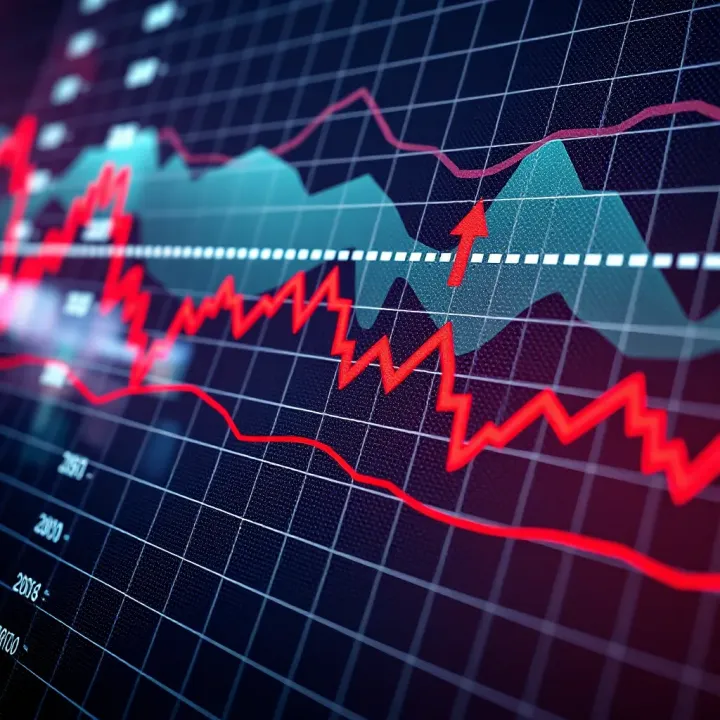
📈 Master forex trading with strategies tailored for Nigerian traders! Learn practical tips, risk management, and tech tools to boost your ₦ returns safely and smartly.
Learn essential forex terms like pips, lots, and leverage to trade confidently in Nigeria’s market 🇳🇬. Manage risks and orders with ease, tailored for Nigerian traders 📈
Based on 8 reviews