
Understanding Forex Trading Robots for Nigerian Traders
Discover how forex trading robots (Expert Advisors) can help Nigerian traders automate deals, manage risks, and boost profits in the ₦naira forex market 📉🤖
Edited By
Amelia Watson
Forex trading is the buying and selling of currencies with the aim of making a profit. For Nigerians interested in this market, it's about understanding how exchange rates fluctuate and knowing when to buy or sell. The foreign exchange market is the largest globally, moving trillions of dollars daily, so there is plenty of opportunity — but also risk.
Trading forex in Nigeria comes with unique challenges and opportunities. The volatility of the naira, frequent changes in monetary policy by the Central Bank of Nigeria (CBN), and economic factors like inflation and import dependency all impact forex trading outcomes.
To succeed in forex trading, Nigerian traders must grasp key concepts such as how currency pairs work, the role of trading platforms, and risk management techniques tailored to local realities.
Currencies are traded in pairs, for example, USD/NGN or EUR/USD. The first currency is the base, and the second is the quote. If USD/NGN is at 460, it means 1 US dollar costs 460 naira. Traders make gains when the exchange rate moves favourably.
Several forex platforms cater to Nigerian traders, like MetaTrader 4/5, Pocket Option, and local fintech solutions offering access to global markets. These platforms offer charting tools, real-time price updates, and order execution. Choosing a platform with reliable customer support and local payment options eases fund deposits and withdrawals.
Forex is high-risk, especially with leverage that can magnify gains and losses. Nigerians must be cautious, setting stop-loss orders to limit potential losses and only risking a small portion of capital per trade. Given local challenges like power outages, having backup internet and power sources matter to avoid unexpected disconnections during trades.
With limited fixed-income investment options and inflationary pressure, forex trading offers an alternative to grow wealth. However, it demands discipline, continuous learning, and awareness of scams prevalent in the market.
By understanding these basics, Nigerian traders can approach forex with practical knowledge, positioning themselves better for the ups and downs ahead.
Getting a good grasp of the forex market is essential for any Nigerian trader aiming to make smart moves. This market isn’t just a place for buying and selling currencies; it’s a dynamic system influenced by global events, economic policies, and daily demand and supply. Understanding how it works helps traders anticipate shifts, manage risks, and spot genuine opportunities.
At its core, forex trading involves exchanging one currency for another. For example, if you think the US dollar (USD) will strengthen against the Nigerian naira (₦), you buy USD/NGN, hoping to sell back later at a higher rate. This exchange is what businesses, travellers, and governments use daily, but traders leverage these shifts for profit. The practical relevance is clear: knowing how currency values go up or down gives you the edge to act before others catch on.
Unlike stock or commodity markets, forex operates with currency pairs and is highly liquid, meaning you can enter or exit trades quickly — often within seconds. It’s also less prone to manipulation from one single entity because of its size and diversity. For Nigerians, this means the market offers flexibility and opportunities any time of day, not just fixed hours like the Nigerian Stock Exchange (NSE).
The forex market is unique because it runs 24 hours a day, five days a week. This is due to overlapping global time zones from big financial hubs like London, New York, Tokyo, and Sydney. For you as a Nigerian trader, this means you can trade early in the morning or late at night, fitting your forex activities around your daily hustle. It also implies that news or events in one part of the world can affect your trades in real-time.
The market has several key players. Major international banks handle huge sums and provide liquidity. Brokers act as middlemen, giving you access to live prices and trade execution. Individual traders, including Nigerians, participate through these brokers, choosing currency pairs to trade based on analysis. Understanding who influences prices helps you know where volatility might come from and how to pick a trustworthy broker with good reviews and regulatory compliance.
Awareness of these operational details helps Nigerian traders position themselves wisely in the forex game, avoiding pitfalls like poor timing or unsafe brokers.
By appreciating these fundamentals, you’re well on your way to trading with more confidence and better chances of success.
Understanding key forex terms is essential for any trader, especially those operating within the Nigerian market. These concepts form the foundation of trading decisions, affecting when and how you enter or exit trades. With clear knowledge of terms like currency pairs, pips, lots, and leverage, you avoid costly mistakes and manage your exposure effectively.
At the core of forex trading are currency pairs, which represent the exchange rate between two currencies. The first currency in a pair is the base currency, while the second is the quote currency. For example, in the USD/NGN pair, USD is the base currency, and NGN is the quote currency. If the pair quotes 415.50, it means ₦415.50 is required to buy 1 USD. Understanding this relationship helps you interpret price movements and evaluate trade profitability.
Forex market classifies currency pairs as major, minor, and exotic, with Nigerians often trading pairs that reflect the naira's position. Majors include USD/EUR or USD/GBP but for Nigerians, USD/NGN and EUR/NGN are highly relevant. Minors are pairs like GBP/JPY or EUR/AUD, typically involving no USD. Exotic pairs involve one major currency and one emerging market currency, such as USD/ZAR (South African rand), which sometimes shows up in Nigerian portfolios. These pairs tend to be more volatile but can offer unique trading opportunities.
Price movements in forex are measured in pips, which stands for "percentage in point". It's the smallest price change a currency pair can make. For most pairs, a pip equals 0.0001 of the quote currency. For example, if USD/NGN moves from 415.50 to 415.55, it has moved 5 pips. Nigerian traders monitor pips carefully since each pip translates directly to profit or loss depending on their position size.
Trade sizes are expressed in lots, which come in standard (100,000 units), mini (10,000 units), and micro (1,000 units). Beginners typically start with mini or micro lots to manage risk better, especially with a volatile currency like the naira. By selecting appropriate lots, traders control how much each pip movement affects their account.
Leverage means using borrowed capital from your broker to increase trade size. For example, with 50:1 leverage, ₦1,000 can control ₦50,000 in the market. While leverage can boost profits, it also magnifies losses, sometimes wiping out your capital very fast if trades go wrong. Nigerian forex traders must use leverage cautiously, factoring in local market volatility and their risk tolerance.
Knowing these key terms isn’t just academic—it shapes how you trade and how easily you avoid common pitfalls. Clear grasp of currency pairs, pips, lots, and leverage gives you a solid footing in the Nigerian forex scene.
By focusing on these fundamentals, you'll build a practical approach that fits the Nigerian forex environment, helping you trade smarter and safer.
Selecting the right forex trading platform is a key step for any Nigerian trader looking to succeed in the market. The platform acts as your gateway to buying and selling currencies, so it must offer reliability, security, and user-friendly tools to help you make informed decisions. With a variety of brokers and platforms available, understanding what fits your needs will save you from potential losses or frustrating experiences.
Not all forex brokers are created equal, especially when servicing Nigerian traders. The Central Bank of Nigeria (CBN) and the Securities and Exchange Commission (SEC) regulate some brokers, but many operate internationally without local oversight. Choosing a broker regulated by a trusted body (such as the UK FCA, Australian ASIC, or Cyprus CySEC) adds a layer of protection for your funds. Without this, you risk dealing with fraudulent platforms or brokers who may refuse withdrawals. Always confirm the broker’s licence and check reviews from Nigerian users.
For Nigerian traders, having a broker that supports deposit and withdrawal in Naira (₦) is a practical advantage. It reduces conversion fees and avoids delays linked to foreign transactions. Popular payment methods include bank transfers, debit cards, and Nigerian payment services such as Paystack or Flutterwave. Avoid brokers that only accept wire transfers in foreign currencies since they usually come with extra charges and longer processing times.
An intuitive user interface helps you react quickly in volatile markets. Platforms with clear layouts, real-time charts, and technical indicators help you spot trading opportunities. Features like one-click trading, customizable watchlists, and economic calendars are particularly handy. Nigerian traders should look for platforms that balance advanced tools with simplicity, avoiding overly complicated software that slows down decisions.
MetaTrader 4 (MT4) and MetaTrader 5 (MT5) dominate the forex trading scene worldwide, including Nigeria. MT4 is known for stability and simplicity, making it ideal for beginners and experienced traders who prefer straightforward execution. MT5 builds on this with more trading instruments and an improved backtesting environment but is still quite accessible. Both platforms support automated trading via expert advisors, which is attractive for those who want to deploy trading bots or copy strategies.
Mobile trading apps have gained importance, especially in Nigeria where many rely on smartphones for internet access. Good mobile platforms should provide real-time price feeds, order execution, and account management without lag. Both MT4 and MT5 have reliable mobile versions compatible with Android and iOS devices, suiting traders who want to monitor markets on the go. Choosing a platform with a user-friendly app can help avoid missing critical trades during Lagos traffic or power outages.
While MT4 and MT5 are popular, some Nigerian traders prefer alternative platforms like cTrader or proprietary apps from brokers such as FXTM or HotForex. cTrader offers a sleek interface and enhanced charting tools, ideal for technical traders. Proprietary platforms sometimes offer better integration with local payment systems or additional educational resources tailored to Nigerian users. It’s worth trying demo accounts on these alternatives to see which platform fits your trading style best.
Picking the right trading platform isn’t just about features but matching those features to your trading strategy, comfort level, and local realities in Nigeria. Invest time in choosing wisely to trade confidently.
Risk management in forex trading isn't just a suggestion—it's a necessity. The forex market's volatility means prices can swing quickly, sometimes contrary to your expectation, leading to significant losses if you're not careful. Many Nigerian traders have learned this the hard way. Understanding and managing risks protects your capital and keeps you in the game longer.
Controlling risk is critical because forex trading involves leverage, which can magnify both profits and losses. For instance, with a leverage of 50:1, a small price drop can wipe out your initial investment if you don't manage risk properly. This level of exposure means you must be cautious about how much of your capital is on the line for each trade.
Stop-loss and take-profit orders are some of the most practical tools in risk control. A stop-loss order automatically closes your position at a predetermined price to limit losses. Similarly, a take-profit order closes your trade when it reaches a certain profit target, helping you lock in gains without emotional interference. Nigerian traders using platforms like MetaTrader 4 and 5 find these orders invaluable in controlling outcomes amidst fast market shifts.
Setting realistic trade sizes is key to surviving through the unpredictable moments in the market. It's wise to risk only a small percentage—often 1-2% of your trading capital—on a single trade. For example, if you have ₦100,000 in your account, risking ₦1,000 to ₦2,000 per trade safeguards your fund against being wiped out by one bad decision.
Diversifying currency pairs reduces risk by spreading exposure. Instead of putting all your bets on one pair like USD/NGN or EUR/USD, engage with a couple of pairs that move differently. For example, while USD/NGN reacts to local economic news and FX policies by the Central Bank of Nigeria (CBN), EUR/USD responds more to global financial events. This approach can smooth your profit and loss swings.
Maintaining trading discipline often separates successful traders from the rest. This involves sticking to your trading plan, not chasing losses, and avoiding impulsive decisions driven by fear or greed. Many Nigerian traders fall into the trap of overtrading, trying to recover losses quickly, which usually worsens their situation. Having discipline means setting your rules and following them even when the market tempts you otherwise.
Proper risk management in forex trading is akin to having a strong okada helmet—it won’t prevent all accidents, but it can save you from serious harm.
With these strategies combined, you become better equipped to protect your investments and build steady gains in the forex market. Risk management is not just about surviving tough times but maximising your chances for consistent success.
Starting forex trading in Nigeria involves more than just signing up on a platform; it demands clear understanding of local requirements, funding options, and effective planning tailored to Nigerian realities. This section guides you through opening a trading account, establishing your trade plan, and navigating legal and tax matters so you can begin with confidence.
To open a forex trading account in Nigeria, brokers typically require your Bank Verification Number (BVN), a valid form of identification such as a national identity card or international passport, and proof of address. Providing your BVN links your trading activity to your bank records, enhancing security and safeguarding against fraud. For example, when using brokers like GTBank or Access Bank platforms, your BVN helps verify identity swiftly.
Nigerian traders often fund forex accounts through local bank transfers, USSD codes, and payment platforms like Paystack or Flutterwave. However, naira liquidity issues and occasional CBN foreign exchange regulations can delay or complicate international transfers. Some brokers offer Naira wallets, which ease deposit and withdrawal processes, but it's common to face charges or delays when converting to dollars or euros.
Funding in Naira usually involves direct debit from your Nigerian bank account or using mobile payment apps that partner with your broker. For example, OPay or PalmPay may support instant deposits in ₦. Confirming the broker accepts local payments avoids unnecessary currency conversion fees. Keeping your account funded in local currency also helps manage naira volatility without impacting your trading balance significantly.
A strong trading plan starts with defining clear objectives and how much risk you can take. In Nigeria, where market volatility and economic shifts like fuel price changes happen often, this helps you decide whether to trade small daily or aim for bigger but less frequent wins. For instance, a trader with limited funds might set a daily loss limit of ₦5,000 to avoid wiping out their capital.
Before risking real money, use demo accounts to try different strategies without loss. Most brokers, including MetaTrader 4 and 5, offer this feature with live market data. It helps you learn how news from Nigeria or global events like oil price changes affect trades so you’re better prepared when you start live trading.
Tracking your trades with journals or software lets you spot what works and what doesn’t. Nigerian forex traders benefit from reviewing trades in the context of local events such as election cycles or naira fluctuations, adapting strategies accordingly. Regularly analysing performance ensures you stay disciplined and improve over time.
The Securities and Exchange Commission (SEC) regulates forex brokers in Nigeria. Trading with SEC-registered brokers ensures your funds are protected under local laws. Unregulated brokers may scam or disappear with trader funds, so always verify licensing before committing.
Profits from forex trading in Nigeria are subject to income tax by the Federal Inland Revenue Service (FIRS). Traders must declare earnings and pay appropriate taxes to avoid penalties. Keeping clear records simplifies tax filings and supports compliance during audits.
Forex scams remain widespread in Nigeria. Always conduct due diligence: check broker reviews, verify registration with SEC, and avoid promises of guaranteed returns. Scammers often lure traders with unrealistic profits or pressure tactics, so maintaining caution and researching thoroughly helps safeguard your investments.
Starting forex trading right means understanding Nigeria-specific processes and risks. Proper preparation makes the difference between steady progress and costly mistakes.
Discover how forex trading robots (Expert Advisors) can help Nigerian traders automate deals, manage risks, and boost profits in the ₦naira forex market 📉🤖
📈 Master forex trading with strategies tailored for Nigerian traders! Learn practical tips, risk management, and tech tools to boost your ₦ returns safely and smartly.
Learn essential forex terms like pips, lots, and leverage to trade confidently in Nigeria’s market 🇳🇬. Manage risks and orders with ease, tailored for Nigerian traders 📈
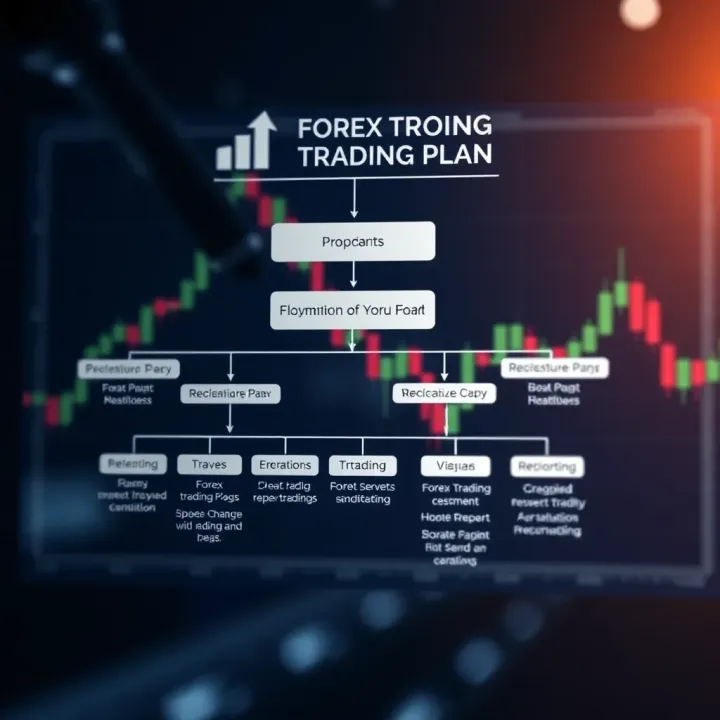
Maximise your ₦ profits with practical forex trading plans tailored for Nigerian traders 📈. Manage risks, handle naira volatility, and trade confidently even during unstable markets.
Based on 14 reviews