
Understanding Forex Trading for Nigerian Investors
📈 Learn how forex trading works for Nigerian investors 🇳🇬. Understand currency pairs, pips, brokers, risks, and tips to navigate local rules and market challenges.
Edited By
Thomas Grant
Forex trading in the US offers Nigerian investors unique opportunities and challenges. Unlike the Nigerian forex market, the US operates under strict regulatory oversight, which affects how you can trade and which brokers you can use. Understanding these differences is key if you want to explore trading on this international stage.
The US forex market is among the largest globally, drawing in a wide range of participants from banks and hedge funds to retail traders. For Nigerian investors, accessing US brokers opens the door to major currency pairs like EUR/USD, GBP/USD, and USD/JPY, among others. However, these brokers must comply with regulations by authorities such as the Commodity Futures Trading Commission (CFTC) and the National Futures Association (NFA).
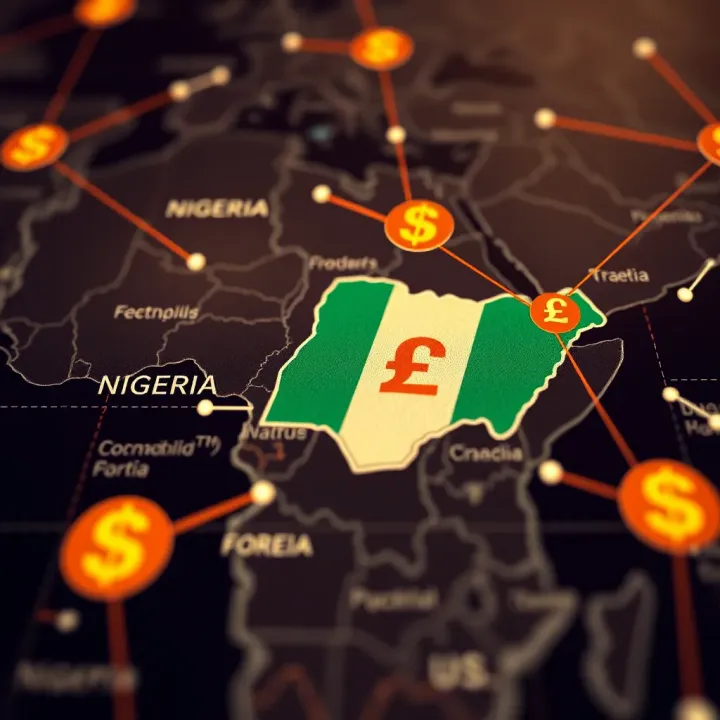
Nigerian traders should be aware that US regulations limit leverage significantly compared to Nigerian brokers. While Nigerian platforms might offer leverage up to 1:500 or more, US brokers generally cap leverage at 1:50 for major currency pairs and lower for others.
Accessing US forex brokers requires some paperwork and compliance, including identity verification through documents like International Passports or National Identification Numbers (NIN). Many US brokers are strict about Know Your Customer (KYC) rules and Anti-Money Laundering (AML) policies, which means you must provide accurate and verifiable information before trading.
Here are key points Nigerian investors should consider:
Regulation matters: Trading with a US-regulated broker reduces risk of fraud but limits some trading freedoms.
Leverage limits: Expect lower leverage and tighter controls, which can reduce risk but also potential gains.
Account funding: Wire transfers and approved digital payment methods like PayPal or Skrill are standard; Nigerian debit cards might not always be accepted.
Tax implications: Earnings from US forex trading may be subject to US tax laws and should be declared in Nigeria as part of personal income.
Being aware of these factors helps you navigate the US forex environment without surprises. It also ensures your money is safe, and your trades comply with international standards.
In the following sections, we'll explore the US regulatory framework more closely, compare it with Nigerian practice, and offer practical tips for Nigerians looking to trade across borders. Understanding this landscape sharpens your investment decisions and helps you avoid common pitfalls.
Grasping forex trading in the US market is vital for Nigerian investors who want to diversify beyond local platforms. The US is home to some of the largest and most liquid forex exchanges globally, with tighter regulations and different market dynamics compared to Nigeria. Knowing how the US forex market operates helps you avoid common pitfalls and spot better trading opportunities.
Forex trading in the US involves buying and selling currencies through brokers registered with regulatory bodies like the Commodity Futures Trading Commission (CFTC). Most trades are done electronically, using well-established platforms such as MetaTrader 4 or proprietary software offered by brokers. Unlike informal or loosely regulated markets, US forex trading requires transparency and adherence to strict rules designed to protect investors.
For example, leverage in the US market is capped at 50:1 for major currency pairs to reduce risk exposure, whereas Nigerian platforms sometimes offer higher leverage – which can lead to bigger losses if not managed carefully.
The US forex market centres on major currency pairs involving the US dollar, such as EUR/USD, USD/JPY, GBP/USD, and USD/CAD. These pairs attract the highest trading volumes and liquidity, leading to tighter spreads and lower transaction costs.
Market hours for forex in the US follow well-defined sessions: the New York session runs roughly from 8:00 am to 5:00 pm Eastern Time (ET). This overlaps with London’s session during early hours, creating more volatility and trading opportunities. Nigerian investors must adjust their schedules accordingly, keeping in mind the six-hour time difference between Nigeria and New York (WAT is UTC+1, ET is UTC-5/UTC-4 depending on daylight saving).
US forex trading differs significantly from Nigeria’s in regulation, trading conditions, and accessibility. For starters, US brokers operate under strict oversight from bodies like the CFTC and National Futures Association (NFA). This means Nigerian traders trading with US brokers enjoy stronger investor protection and clearer recourse against fraud.
Also, the US market offers limited leverage but better price transparency. Nigerian brokers often provide wider access to other financial instruments like cryptocurrencies alongside forex, but sometimes with less regulatory clarity.
Further, funding your US trading account can involve currency conversion fees and international bank transfers, which are less common in Nigerian platforms that often accept Naira deposits directly via local payment gateways.
Understanding these differences means you can better choose which market suits your investment style and risk appetite. For Nigerian investors, tapping into the US forex market isn’t just about chasing profits but also about navigating a more structured and stable trading environment.
In summary, familiarising yourself with the US forex market basics – including its operational style, peak trading hours, major currency pairs, and regulatory landscape – equips you to make smarter trading decisions across borders.
Understanding the regulatory framework behind US forex trading is vital for Nigerian investors eyeing this market. The US forex market is among the most regulated globally, with strict rules designed to protect investors and maintain market integrity. Unlike some other markets where oversight might be less rigorous, the US demands high levels of transparency, capital requirements, and compliance from brokers. This ensures Nigerian traders that firms operating there are accountable, offering a safer environment to trade.
The Commodity Futures Trading Commission (CFTC) acts as the primary federal agency overseeing forex trading in the US. It regulates the futures, options, and derivatives markets, including spot forex trading. The CFTC’s role focuses on preventing fraud, manipulation, and abusive practices. For instance, the Commission imposes strict reporting and record-keeping duties on brokers to monitor trading activity closely. This helps prevent the kind of malpractice often reported in less regulated settings and ensures fair treatment for Nigerian traders engaging with US brokers.
The National Futures Association (NFA) serves as the industry's self-regulatory organisation, operating under the authority of the CFTC. Brokers must be NFA members to legally offer forex trading in the US. This membership brings tight oversight on broker conduct, including capital requirements, adherence to compliance standards, and transparent business practices. For example, NFA enforces leverage limits on retail forex traders, capping it at 1:50 for major currency pairs—helping prevent excessive risk-taking. Knowing a broker is NFA-registered gives Nigerian investors confidence that the broker meets high safety and operational standards.
US forex brokers must obtain multiple licences and submit to comprehensive audits before operating. These licenses ensure brokers maintain adequate capital buffers, segregate client funds, and follow transparent business practices. Without these licences, brokers cannot legally solicit US clients. Nigerians seeking to trade via US brokers should verify licensing status directly with NFA databases. Engaging a licensed broker means reduced risk of sudden shutdowns or fraud, especially critical given the challenges of cross-border transactions and currency conversions.
Nigerian investors should prioritise brokers with robust US regulatory approval. This safeguards their funds and offers protections not always present in other jurisdictions.
By understanding the roles the CFTC and NFA play—plus the strict licensing rules—Nigerians can navigate the US forex market with better clarity and security. This forms the backbone of informed decision-making in a foreign trading environment where regulatory compliance can make all the difference.
Nigerian investors keen on venturing into the US forex market must understand practical ways to access this opportunity. Engaging with US-based brokers offers exposure to a broader range of currency pairs, tighter spreads, and regulated trading conditions compared to local options. However, this access involves knowing how to find reputable brokers, navigating account setup, and handling funding challenges — all vital steps before trading.
Not every US forex broker welcomes international clients, so Nigerians need to verify broker acceptance policies first. Some reputable brokers, regulated by the National Futures Association (NFA), allow Nigerians to open accounts, while others restrict access due to compliance hurdles. For example, well-known brokers like IG and OANDA often accept clients from Nigeria, but it is key to confirm this on their websites or through direct enquiry.
Using brokers with strong cybersecurity and transparent operations reduces risks. To add, Nigerians should check if brokers offer interfaces and customer service tailored for international users, including support for Nigerian clients. Having a US presence or partnerships with global payment providers can smooth withdrawals and deposits.
Opening a US forex trading account typically requires submitting proof of identity, proof of address, and sometimes tax residency forms like the W-8BEN to comply with US regulations. Nigerian investors must prepare valid international passports, utility bills, or bank statements for this process. The verification process can take days to a couple of weeks depending on the broker.
For example, one Nigerian trader recounted having to submit a sworn affidavit alongside standard documents as extra proof. This underscores the need to be thorough and patient. Brokers also require personal KYC (Know Your Customer) checks to prevent fraud and money laundering, which aligns with both US laws and global best practices.
Funding your US forex account from Nigeria involves navigating currency conversion and transfer restrictions. Nigerian banks typically convert naira to US dollars at prevailing rates before transferring funds abroad. However, limits on dollar sales by the Central Bank of Nigeria (CBN) and fluctuations in the official and black-market rates can affect costs significantly.
Common funding methods include international wire transfers, which may incur higher fees and longer processing times. Some brokers accept funding through international debit or credit cards, but Nigerian-issued cards sometimes face international merchant acceptance issues.
Recently, fintech platforms like Flutterwave and Paystack have begun facilitating cross-border payments more efficiently, though not all support direct forex account funding. Investors might need to explore intermediary steps, such as loading funds to digital wallets or using dollar-denominated accounts where possible.
Nigerians should plan funding carefully, always factoring in conversion rates and bank fees, as these can eat deeply into their trading capital. Staying updated on CBN forex policies will help avoid surprises during transaction.
By carefully choosing brokers that welcome Nigerian traders, preparing necessary documents diligently, and understanding funding barriers, Nigerian investors stand a better chance of thriving in the US forex market.
Trading forex in the US market carries its own set of risks and challenges, which Nigerian investors must fully understand before diving in. Unlike local trading, these challenges can significantly affect your returns and how you manage your investments. Being aware of these factors helps you avoid costly mistakes and trade smarter.
The US forex market is famously volatile, meaning prices can swing wildly within short periods. This volatility gives room for big profits but also for sizeable losses if you're not careful. To protect traders, US regulators strictly limit leverage—the loaned money brokers provide to trade larger positions. For example, the maximum leverage allowed on major currency pairs for US-based brokers is 50:1, much lower than some offshore brokers offering up to 500:1. This limitation reduces risk but also caps potential gains. Nigerian traders used to higher leverage from local or offshore brokers may find this restrictive, forcing a more conservative and disciplined trading approach.
Trading forex through US brokers involves legal and tax implications that Nigerian investors need to consider. The US Internal Revenue Service (IRS) taxes gains on forex trading differently depending on the trading method—either under Section 1256 contracts or as ordinary income. This can affect capital gain calculations and tax payment schedules. Additionally, Nigerian traders must declare overseas earnings to the Federal Inland Revenue Service (FIRS) to comply with Nigerian tax laws. Failing to report these earnings could lead to penalties. Keeping good records of trades and consulting with tax professionals both in Nigeria and the US is advisable to avoid complications.
Fraud is a concern in any market, but trading forex in the US offers some protection because brokers must register with the National Futures Association (NFA) and Commodity Futures Trading Commission (CFTC). However, Nigerian investors should be vigilant against unregulated entities posing as US brokers to lure investors with unrealistic promises. Always verify broker credentials through official US regulatory websites before funding your account. Watch out for red flags like guaranteed profits, pressure to invest quickly, or lack of clear contact information. Using established brokers such as OANDA, Forex.com, or Interactive Brokers reduces the chance of falling victim.
Understanding these risks is not just about caution; it’s essential for building a resilient forex trading strategy suited to the US environment but tailored for Nigerian investors. Your success depends on recognising market realities, regulatory requirements, and protecting yourself from scams.
Trading forex in the US market offers Nigerian investors opportunities, but success demands practical strategies. This section focuses on actionable steps Nigerian traders should take to navigate the market wisely. The realities of foreign exchange volatility, platform trustworthiness, and cross-border funding hurdles require deliberate planning to avoid costly mistakes.
Selecting a trustworthy broker is the first and most crucial step. Many Nigerian investors make the error of going for flashy ads or promising high leverage without checking regulation. Always verify whether the broker is registered with US authorities like the National Futures Association (NFA) or Commodity Futures Trading Commission (CFTC). For example, brokers such as OANDA and IG Group meet these criteria and provide fair trading conditions.
Apart from regulation, consider platform features such as user-friendly interfaces, real-time market data, and mobile app reliability. A platform glitch during peak volatility could mean lost profits or blown accounts. Given Nigeria’s often unpredictable internet connection, brokers offering robust mobile apps with offline access or automatic reconnection offer an edge.
Naira to US dollar conversions can erode potential gains if not managed well. Nigerian traders should watch the parallel market and official rates closely, as significant gaps can increase funding costs. Using stable international remittance solutions or fintech platforms like Paystack or Flutterwave may sometimes yield better rates and lower fees compared to direct bank transfers.
Consider funding your forex account during favourable Naira-USD exchange windows to minimise losses. For example, if the official rate drops from ₦750/$ to ₦720/$, it’s wiser to wait before adding funds. Also, keep track of CBN policy changes, as these often impact forex availability and pricing.
Keeping pace with US economic data releases, Federal Reserve announcements, and geopolitical developments is essential. Use tools like economic calendars, news alert apps, and market analysis newsletters from reputable sources such as Bloomberg or Reuters.
Leverage technology to automate trades or set stop-loss orders, helping you manage risk without constant screen monitoring. Considering Nigeria’s time zone difference with the US, setting alerts ahead of major American market events will help you prepare rather than react late.
Success in US forex trading from Nigeria combines choosing the right broker, controlling funding costs, and staying informed. Being deliberate in these areas reduces risk and increases your chances of consistent profits.
By focusing on these practical tips, Nigerian traders can confidently tap into the US forex market’s potential without falling into common pitfalls.
📈 Learn how forex trading works for Nigerian investors 🇳🇬. Understand currency pairs, pips, brokers, risks, and tips to navigate local rules and market challenges.
📘 Find the best forex trading book tailored to your level and goals. Practical tips and top picks for Nigerian traders aiming to master currency markets.
Securely access your forex trading account in Nigeria with expert tips on choosing brokers, handling logins, browser use, and managing multiple accounts safely 💹🔐🇳🇬
📈 Master forex trading with strategies tailored for Nigerian traders! Learn practical tips, risk management, and tech tools to boost your ₦ returns safely and smartly.
Based on 8 reviews