
Benefits of Forex Trading Explained
Explore the key benefits of forex trading 🌍💹—easy market access, high liquidity, profit potential, and smart risk management to boost your investment choices.
Edited By
Daniel Foster
Forex trading, or foreign exchange trading, is the process of buying and selling currencies to make profits from changes in their exchange rates. In Nigeria, this market has gained traction among investors looking for alternative avenues beyond stocks or real estate. However, understanding how forex works, especially within the Nigerian context, remains crucial for anyone eager to participate.
At its core, forex trading deals with currency pairs—like the US dollar against the Nigerian naira (USD/NGN) or the euro against the British pound (EUR/GBP). When you trade a pair, you’re simultaneously buying one currency and selling the other. Profits come from predicting whether a currency’s value will rise or fall relative to the other.
A typical unit of measurement in forex is called a "pip"—it represents the smallest price move in a currency pair, often the fourth decimal place. For example, if USD/NGN moves from 460.00 to 460.05, that’s a 5-pip movement. Understanding pips is key because your profit or loss depends on these tiny fluctuations.
In Nigeria, forex traders often work with brokers who provide the platform and access to the global currency markets. These brokers act as intermediaries, and choosing a reliable one is critical to avoid scams—a common challenge in the market. Notably, some brokers offer the option to trade directly through apps like MetaTrader, which is widely used for technical analysis and execution.
Remember: Forex trading carries significant risk. Leveraging too much can wipe out your capital quickly, so managing risk is vital.
Here are a few practical points Nigerian investors should keep in mind:
Regulation: Make sure your broker is regulated by bodies recognised internationally or by Nigerian authorities like the Securities and Exchange Commission (SEC).
Local restrictions: Currency controls and foreign exchange policies can affect liquidity and the ease of moving money in or out.
Volatility factors: Economic data releases, political developments, and naira exchange rate policies cause sharp price swings.
Capital: Start small, trading with money you can afford to lose, especially while learning.
Understanding these basics will help you build a solid foundation for more advanced strategies and insights. The Nigerian forex market has its quirks, but with patience and proper knowledge, it can become a viable addition to your investment toolkit.
Understanding the basics of forex trading is essential for any Nigerian investor serious about entering this market. It sets the foundation for successful trading by helping you grasp how currencies are bought and sold, what drives price movements, and the role of various market players. Without this foundation, jumping into forex trading could be like driving a danfo without knowing the routes—it might get you somewhere, but probably not where you want.
Forex trading involves exchanging one currency for another with the goal of making a profit from changes in their values. For example, if you expect the US dollar (USD) to strengthen against the Nigerian naira (₦), you might buy USD and sell naira. When the dollar rises as predicted, you can sell it back, making a gain on the change in exchange rate. This type of trading is global and happens 24 hours a day, allowing investors to take advantage of market moves anytime, including while you rest or attend to your daily activities.
Currency markets, unlike stock markets where shares are traded on central exchanges, operate through a network of banks, brokers, and financial institutions across the world. Prices change based on factors like economic data, political events, and central bank policies, including actions from the Central Bank of Nigeria (CBN). Trades in the forex market are conducted over-the-counter (OTC), meaning there is no single physical exchange. For instance, during the Nigerian election period, naira's exchange rate may become volatile, presenting both risks and opportunities for traders.
Currencies are traded in pairs, such as USD/NGN or EUR/USD. The first currency is the base, and the second is the quote currency. A forex quote tells you how much of the quote currency you need to buy one unit of the base currency. If USD/NGN is quoted at 460, it means you need ₦460 to buy one dollar. This price can fluctuate every second based on supply and demand. Traders focus on these movements, aiming to buy when prices are low and sell when they rise. For Nigerian traders, being aware of naira's local economic factors alongside global events is key to understanding why a pair like USD/NGN moves the way it does.
Starting with a solid grasp of these basics gives you the edge to navigate the forex markets effectively, especially in a complex environment like Nigeria's economy.
Remember, forex trading is not just guessing; it involves understanding the forces that drive currency values and using practical tools to analyse and seize opportunities.
Grasping the important terms and tools in forex trading is vital for anyone serious about succeeding in the currency market. These concepts explain how trades are measured, executed, and managed. Without understanding them, navigating forex can feel like trying to drive on Lagos roads without knowing the rules.
A pip is the smallest price move in forex, often representing 0.0001 of the currency pair's value. For example, if the USD/NGN rate moves from 460.2300 to 460.2400, it has changed by one pip. Knowing pips helps traders calculate profits or losses precisely.
Lots indicate the trade size: a standard lot equals 100,000 units of the base currency, while a mini lot equals 10,000 units, and a micro lot is 1,000 units. If you trade a micro lot of USD/NGN, you’re dealing with 1,000 US dollars indirectly through the exchange.
Leverage lets you control a larger position with a smaller amount of money. For instance, with 1:50 leverage, ₦20,000 can control ₦1,000,000 worth of currency. While leverage can magnify profits, it also raises risks significantly — losses can quickly outrun your initial deposit if you’re reckless.
Forex brokers act as intermediaries between you and the global forex market. Choosing a licensed broker—such as those registered by Nigeria’s Securities and Exchange Commission (SEC)—is non-negotiable to avoid scams and ensure smooth transactions. Brokers provide trading platforms, like MetaTrader 4 or proprietary apps, where you place trades, monitor prices, and set orders.
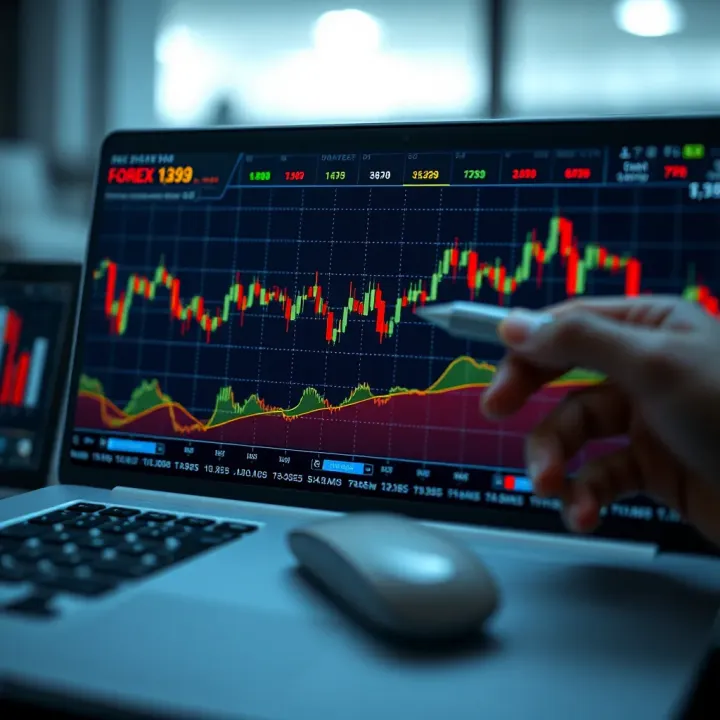
Trading platforms often come with tools for charting, technical analysis, and real-time news. These help you make informed decisions based on price movements or economic events affecting the naira and other currencies. For example, a sudden CBN policy shift might cause naira volatility, and watching live charts can help you react swiftly.
Successful traders often adopt specific strategies tailored to their goals and risk appetite. One common approach is scalping, involving making multiple quick trades targeting small profits, suitable for volatile pairs like USD/NGN during active market hours.
Another is swing trading, where positions are held for days or weeks to capitalise on broader currency trends. This requires patience but can reduce the stress of constant monitoring.
Trend following is also widely used, involving identifying and trading in the main direction of price movement. For instance, if the euro strengthens broadly against the dollar, you may decide to enter long positions aligning with that trend.
Knowing your key terms, working with trusted brokers, and selecting fitting strategies provide you the foundation to trade forex confidently and avoid common pitfalls in the Nigerian context.
Armed with these tools and terms, you can move beyond guessing to making calculated moves in the forex market.
Forex trading offers potential profits, but it comes with serious risks that every trader must understand. In Nigeria, where many are drawn by forex’s promise of quick gains, knowing these pitfalls helps investors avoid costly mistakes. Besides the regular market risks, local factors like naira volatility, regulatory gaps, and broker reliability make it even more crucial to manage risks carefully.
Forex markets are famously volatile, meaning currency prices can swing sharp and fast. For example, unexpected political events or economic news—like a sudden change in Central Bank of Nigeria (CBN) policies—can cause the naira to fluctuate wildly against the dollar. This volatility can work both ways: it presents chances to profit but also risks wiping out investments quickly. Traders who fail to monitor market trends or react timely may lose a significant chunk of their capital.
Volatility isn’t just about numbers; it influences Nigerian investors' daily decision-making, especially when local economic shifts rapidly affect exchange rates.
The lure of forex trading in Nigeria attracts numerous unregulated brokers promising huge returns with little risk. Unfortunately, many are fraudulent, disappearing with traders’ funds after short periods. Nigerian investors should look for brokers registered with bodies like the Nigerian Securities and Exchange Commission (SEC) or international regulators such as the Financial Conduct Authority (FCA) in the UK. Verifying broker credentials reduces the chance of falling victim to scams. Beware of brokers offering guaranteed profits or pressuring you to invest immediately—these are red flags.
Effective risk management is vital in forex, and tools like stop loss and take profit orders help you control possible losses and secure gains. A stop loss automatically closes your trade when the price moves against you by a set amount, preventing further losses. Conversely, a take profit triggers a close when a target profit level is reached. For example, if you buy the USD/NGN pair at ₦460/$1, you might set a stop loss at ₦455 and a take profit at ₦470. This approach prevents emotional decisions during sudden market swings and locks in profit when targets are met. Many Nigerian traders underestimate these tools, often exposing themselves to higher risks without limits.
Understanding and addressing these risks is the foundation for any successful forex trader in Nigeria. Awareness, due diligence, and solid risk management strategies protect your capital and improve your chances in the lively, sometimes unpredictable forex market.
Starting forex trading in Nigeria involves more than just signing up on a website. You need to proceed carefully and understand the practical steps to protect your capital and enjoy consistent profits. This section guides you through opening an account with a licensed broker, funding your account securely, withdrawing your profit, and selecting the right trading platform.
Opening a trading account with a licensed broker is the first step every Nigerian investor should take. Regulatory bodies like the Securities and Exchange Commission (SEC) Nigeria monitor and approve brokers to safeguard traders against scams. Using a licensed broker ensures your funds are protected and that the broker follows established industry standards.
For example, if you choose a brokerage like FXTM or HotForex, confirm their licence status on the SEC Nigeria website or the broker’s official channels before registering. The account setup typically involves providing identification documents, such as your National Identification Number (NIN) or International Passport, and sometimes proof of residence. This process can take between a day and a week depending on the broker’s verification speed.
Choosing an unregulated broker might mean frequent issues with withdrawals or manipulative trading conditions. Thus, always verify licensing credentials to start on the right footing.
Funding your forex account should be straightforward and affordable. Many Nigerian brokers accept naira funding via local bank transfers, USSD payments, or mobile money platforms like OPay and PalmPay. Consider transaction fees and the speed of deposit when selecting how you fund your account. For example, bank transfers may take longer but often have lower fees than card payments.
Withdrawals are equally important. Always test withdrawing smaller amounts first to check the broker’s payout reliability. Some brokers allow withdrawal to Nigerian bank accounts directly, while others may use international payment systems like Skrill or Neteller. Being aware of withdrawal charges and timelines helps avoid surprises, especially during ember months when cash flow tightens.
The trading platform is your main tool for buying and selling currencies. Popular platforms such as MetaTrader 4 (MT4), MetaTrader 5 (MT5), and cTrader offer features suitable for both beginners and advanced traders. When choosing a platform, consider ease of use, reliability, charting tools, and supported devices (desktop, Android, iOS).
In Nigeria, network stability can sometimes be an issue. Opt for platforms that perform well over intermittent internet connections and provide offline charting or analysis. Also, check if the platform supports your broker seamlessly and allows local payment integration.
Starting forex trading confidently in Nigeria requires a blend of due diligence and practical choices on brokers, payments, and software. Taking these steps seriously can protect you from common pitfalls and pave the way for long-term success.
For Nigerian traders, understanding local payment systems and regulatory dynamics alongside global forex practices is the best way to get started properly.
Navigating forex trading successfully in Nigeria means balancing practical skills with a deep understanding of local market dynamics. Nigerian investors face unique challenges such as naira fluctuations, regulatory shifts, and access to reliable brokers. This section addresses those realities alongside timeless strategies to improve your chances of profit.
Consistency in learning remains the backbone of forex success. Even experienced traders benefit from practising with demo accounts offered by most brokers. These simulated trading environments allow you to test strategies and understand market behaviour without risking real money. For instance, before risking ₦50,000 on a live trade, simulating that trade on a demo account can highlight potential pitfalls. Regular practice sharpens decision-making under pressure and builds confidence, which is crucial especially when market volatility is high.
The naira exchange rate significantly influences forex trades for Nigerian investors. Since the naira is relatively volatile compared to stronger currencies like the US dollar or euro, exchange rate swings can affect buying power and profitability. For example, sudden naira depreciation against the dollar might increase costs for local traders wanting to fund dollar-denominated accounts. Likewise, profits from forex trades in foreign currency may convert to fewer naira if the local currency weakens. Understanding Central Bank of Nigeria (CBN) policies, such as intervention in the foreign exchange market or changes in official rates, can help you anticipate naira movements and adjust your trading plans accordingly.
The Nigerian forex space lacks full regulation, which presents risks around fraudulent brokers and scams. The Securities and Exchange Commission (SEC) Nigeria supervises capital markets but not all forex brokers fall under its jurisdiction. To protect yourself, ensure you trade with brokers licensed by reputable international bodies like the Financial Conduct Authority (FCA) or Australian Securities and Investments Commission (ASIC). Locally, use brokers who observe Nigerian regulations and offer transparent funding methods. Also, verify their customer support responsiveness and avoid platforms promising guaranteed returns—these are often signs of scams.
Always approach forex trading cautiously. Practical education and choosing trusted brokers can shield you from common pitfalls in Nigeria’s forex market.
Use demo accounts actively to practise without financial risks.
Monitor naira exchange rates and CBN policies regularly.
Trade only with licensed and verified brokers.
Be wary of deals promising guaranteed profits or high returns with low risk.
Stay informed about local and global economic trends that influence currency markets.
Understanding these tips and considerations equips Nigerian investors with the tools needed to navigate forex trading smartly and sustainably.
Explore the key benefits of forex trading 🌍💹—easy market access, high liquidity, profit potential, and smart risk management to boost your investment choices.
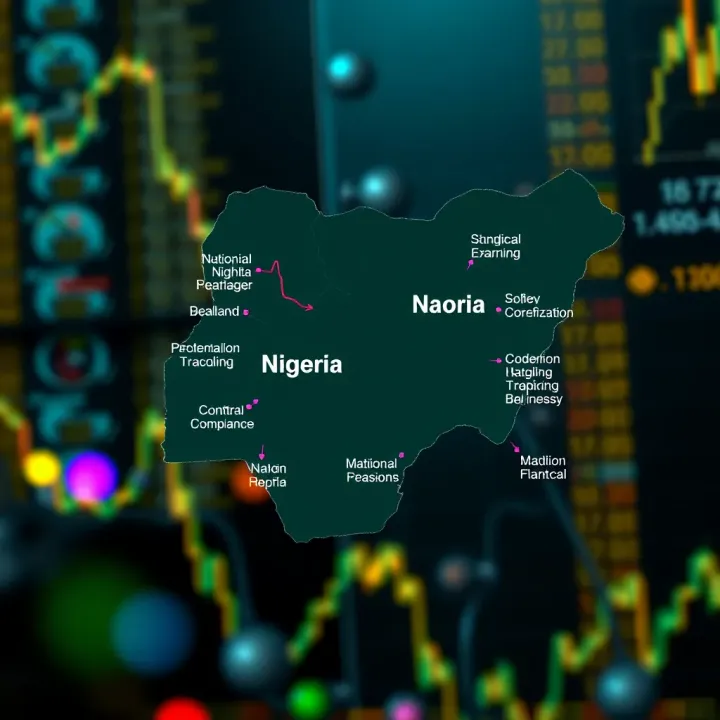
Discover how to choose the best forex trading platform in Nigeria 🇳🇬. Learn about key features, regulations, top local platforms, and smart tips for safer trading.

Explore how binary bots work in trading 🤖, their strategies, risks ⚠️, and legal tips 📜 for safer binary options trading in Nigeria's market.
Discover key tips for Nigerian investors to choose the best forex trading approach 💹. Learn market basics, broker selection, risk management, and avoid pitfalls for better trading outcomes.
Based on 12 reviews