
Forex Trading Insights for Nigerian Traders
📈 Understand forex trading essentials for Nigerian investors 🇳🇬. Learn how global and local factors affect currency movements, spot trends, and avoid common market pitfalls.
Edited By
Daniel Foster
Forex trading has become an attractive way for Nigerians to earn beyond traditional investments. However, success in forex requires a solid understanding of the market, strategies, and regulations specific to Nigeria. This section sets the stage by outlining fundamental concepts every trader should grasp before venturing into forex.
Forex, or foreign exchange trading, involves buying and selling currency pairs with the aim of profiting from price changes. For example, you might trade the US Dollar against the Nigerian Naira (USD/NGN), speculating whether the dollar will strengthen or weaken against the naira.
Unlike stock markets, forex operates 24 hours during weekdays, allowing traders to react to global events in real-time. This continuous operation can be both an advantage and a challenge, since market volatility demands timely decision-making.
Currency Pair: Two currencies traded against each other, e.g., EUR/USD.
Pip: The smallest price move in a currency pair, often 0.0001.
Leverage: Borrowing funds to increase trading position size. High leverage means higher risks.
Spread: The difference between the buying and selling price, often the broker’s fee.
Understanding these basics is key to avoiding costly mistakes.
Forex trading in Nigeria comes with unique challenges. The Central Bank of Nigeria (CBN) regulates forex activities, and knowing the legal framework protects you from scams and illegal operators. Most Nigerian traders start with limited capital, so choosing brokers with low minimum deposits and good platform usability is vital.
Remember, many Nigerian traders lose money due to poor risk management and trusting unregulated brokers. Always verify broker licences and consider user reviews from credible local sources.
Education: Invest time in learning through webinars, forums like Nairaland, or courses tailored for Nigerian markets.
Demo Accounts: Use practice accounts offered by brokers to hone skills without risking real money.
Capital Management: Start small, perhaps from ₦30,000, to manage risks effectively.
By keeping these points in mind, you build a strong foundation for your forex trading journey.
Grasping the fundamentals of forex trading is the foundation Nigerian traders need before delving into this fast-paced market. Without understanding how the forex market operates, what drives currency movements, and the terminology involved, it’s easy to get overwhelmed and make poor decisions. This section lays out the basics clearly, ensuring you can start trading confidently.
The forex market, also known as the foreign exchange market, is where currencies from around the world are traded against one another. Nigerian traders participate by buying one currency and selling another simultaneously. Unlike the stock market, forex operates as a global, decentralised market with no central exchange, enabling 24-hour trading across different time zones.
Trading forex is relevant because currency values affect everything from import and export business costs to travel expenses and inflation. For example, if the naira weakens against the US dollar, imported goods and fuel prices may rise, impacting everyday Nigerians. Understanding this market helps traders anticipate changes and position themselves for profit.
Currencies are always traded in pairs, such as USD/NGN or EUR/USD. This means when you buy one currency, you simultaneously sell the other. The first currency in the pair is called the base currency, and the second is the quote currency. For instance, if you trade USD/NGN, you’re essentially betting on whether the US dollar will strengthen or weaken compared to the naira.
Knowing how pairs work is vital. If you believe the US dollar will strengthen against the naira, you buy the USD/NGN pair. If successful, you profit from the change in exchange rate. Nigerian traders must pay special attention to pairs involving the naira and major currencies like USD, EUR, and GBP due to their direct impact on purchasing power.
The forex market runs 24 hours a day, five days a week, opening in Sydney and closing in New York. This continuous operation fits well with Nigerian traders’ schedules, allowing flexibility to trade at convenient times. Liquidity, or the ease of buying and selling currencies, is highest during overlaps of major financial centres’ trading hours, such as London and New York.
High liquidity means tight spreads and less price manipulation, which suits traders aiming for quick entries and exits. For example, forex spikes can occur during economic announcements or CBN policy statements, offering trading opportunities but also risks.
Understanding pips, lots, leverage, and margin is essential for trading safely. A pip is the smallest movement in currency price, usually the fourth decimal place. For example, if USD/NGN moves from 750.0000 to 750.0100, that’s a 1 pip change.
A lot represents the size of your trade. Standard lots are 100,000 units of currency, but many brokers offer mini or micro lots to allow smaller investments. Leverage lets you control a larger position with a smaller amount of money by borrowing from the broker. While this can increase profits, it also raises risks.
Margin refers to the funds you must have in your account to open a leveraged position. Managing margin carefully prevents margin calls and unexpected losses, which is critical given Nigeria’s currency volatility.
Currency pairs are often categorised as majors, minors, and exotics. Majors include pairs with the US dollar, like EUR/USD or GBP/USD, notable for their liquidity and lower spreads. Minor pairs exclude the dollar but involve strong currencies, such as EUR/GBP. Exotic pairs combine a major currency with one from an emerging or smaller economy, like USD/NGN or USD/TRY.
Nigerian traders should be cautious with exotic pairs like USD/NGN because these can have wider spreads due to lower liquidity but can offer unique profit chances if traded wisely.
Bid and ask are prices at which you can sell or buy a currency pair. The difference between them is the spread, which is effectively the broker's fee. Understanding order types—market, limit, stop-loss, and take-profit—is vital for trading discipline. For instance, stop-loss orders help minimise losses when the market moves against you, which is especially important during volatile periods like fuel scarcity or economic announcements affecting the naira.
Knowing forex basics is not just about jargon; it’s about using this knowledge practically to manage risks and seize opportunities in Nigeria’s dynamic currency environment.
Setting up properly for forex trading makes all the difference in your success journey. In Nigeria, the process involves choosing the right broker, opening and funding accounts legally and securely, and understanding local requirements like BVN and NIN verification. Clear steps at this stage prevent common pitfalls and avoid losses caused by scams or poor choices.
A regulated forex broker ensures your funds are protected and trading conditions are fair. In Nigeria, brokers registered under regulatory bodies like the Securities and Exchange Commission (SEC) or those compliant with international standards offer better security. You avoid falling prey to unscrupulous operators who vanish with your money or manipulate prices. A broker's licensing status should be among your top checks before committing funds.
Many global brokers accept Nigerian traders, including firms like XM, HotForex, and IG Markets. These brokers provide platforms tailored for Nigerian users, supporting NGN deposits and withdrawals. They also often offer local customer support, making communication easier. Choosing brokers known to Nigerians reduces risks and improves your trading experience.
Fees can seriously affect your profitability, especially if you trade frequently. Look for brokers with competitive spreads and low commission charges. For instance, brokers charging spreads around 1 pip on major pairs are generally affordable. Also, responsive, helpful customer service is vital since technical glitches or queries will arise. Brokers offering live chat or Nigerian-based support centres can save you frustration.
Using your Bank Verification Number (BVN) and National Identification Number (NIN) during account opening is essential. These enforce compliance with Nigeria’s anti-money laundering laws and protect your forex account from fraud. Brokers request these documents to verify you are a real trader, reducing chances of identity theft or unauthorised account access.
Funding your forex account should be easy and cost-effective. Local bank transfers through platforms like GTBank, Access Bank, or Zenith Bank remain common and reliable. USSD-based payments like *737# and *389 are also growing in popularity, offering quick deposits without internet access. Always pick funding methods that allow fast credit without extra charges.
Starting capital in forex need not be large, but it should cover your initial risks. Many brokers allow opening accounts with as low as ₦10,000, but realistically, ₦50,000 to ₦100,000 gives you more room for trades and risk management. Trading with a tiny amount might seem cheap, but it limits your leverage and potential returns. Plan your budget carefully and avoid borrowing just to begin trading.
Establishing a solid setup with a regulated broker, verified identity, and reliable funding options forms the foundation for sustainable forex trading success in Nigeria.
Mastering both fundamental and technical analysis helps traders make informed decisions in the volatile forex market. While fundamental analysis focuses on understanding the economic and political factors driving currency prices, technical analysis examines past price data to predict future movements. Nigerian traders who balance these two approaches can improve their timing and accuracy, reducing the risk of unexpected losses.
Economic indicators like GDP growth, inflation rates, and unemployment figures have direct effects on currency valuations. For instance, Nigeria’s inflation rate rising above 15% typically weakens the naira against major currencies like the US dollar because it erodes purchasing power. Tracking such data helps traders anticipate currency trends before they appear on charts.
Central Bank policies, especially the Central Bank of Nigeria’s (CBN) interest rate decisions, also sway forex markets. When the CBN increases interest rates, it tends to attract foreign capital seeking higher returns, boosting demand for naira. Conversely, rate cuts often lead to capital outflows and naira depreciation. Nigerian traders monitoring these moves can position themselves to profit or protect their investments accordingly.
News and major events like government budget releases, election outcomes, or global trade developments provide timely clues about market sentiment. For example, sudden shifts during ember months fuel volatility as investors react to political uncertainties or changes in oil prices—the key driver for Nigeria’s economy. Staying updated on such events allows traders to adjust their strategies swiftly.
Charts serve as a visual record of price action, showing trends and patterns that traders use to gauge momentum or reversal points. For example, a rising trendline on the USD/NGN pair may indicate strengthening naira against the dollar, signalling buying opportunities. Recognising setup patterns like head and shoulders or double tops helps predict likely price moves.
Common technical indicators Nigerian traders rely on include the Moving Average (MA), Relative Strength Index (RSI), and Bollinger Bands. The MA smoothens price data, highlighting direction. RSI measures overbought or oversold conditions, signalling potential reversals. Bollinger Bands depict market volatility by showing upper and lower bands around price movement. When combined, these tools refine entry and exit points.
Combining fundamental analysis with technical signals creates trading strategies that suit different styles and timeframes. For example, a trader might use fundamental news to set a long-term bias, then rely on technical patterns and indicators to select specific trade entries. This blend helps manage risk better and avoid trading solely on emotion or hearsay.
Effective forex trading hinges on understanding the underlying economic forces and reading price behaviour closely. Nigerian traders who bring these skills together tend to outperform those who rely on guesswork or pure speculation.
This approach is especially useful in Nigeria’s forex market, where unexpected policy shifts and global influences can shift trends quickly. Keep learning, practise often, and adapt your analysis to local and global realities.
Successful forex trading in Nigeria depends largely on choosing the right trading strategies that fit your goals, time availability, and risk appetite. Effective strategies help you navigate volatile market conditions, minimise losses, and improve chances of profits despite challenges like naira instability or restricted market hours. Adopting practical approaches like scalping, day trading, swing, or position trading can make a real difference, especially when aligned with disciplined risk management.
Scalping and day trading involve making many trades within a single day, often holding positions for minutes to a few hours. This approach suits traders who want quick results and can monitor the market closely. In Nigeria, such fast-paced trading can exploit sudden price moves influenced by local events or economic releases like CBN monetary policy announcements. For example, a trader might scalp on US dollar/naira pair when the naira weakens sharply amid forex scarcity.
Forex markets in Nigeria can be quite jittery due to factors like fuel subsidy changes, political events, or global market shifts. Scalpers and day traders need to make split-second decisions, quickly entering or exiting trades to avoid losses. Psychologically, this demands strong discipline and avoidance of panic selling. A trader might use real-time news feeds and alerts to catch sudden spikes in the NGN/USD pair and act decisively before the market reverses.
Certain trading platforms offer the speed and features necessary for scalping, such as MetaTrader 4/5 and cTrader, which support fast execution and advanced charting. Nigerian traders also rely on brokers offering low spreads and minimal slippage to maximise scalping gains. Tools like one-click trading, customizable indicators, and mobile alerts help traders stay ahead without missing critical entry or exit points.
Swing and position trading involve holding trades longer, from several days to weeks, aiming to profit from sustained trends. This strategy suits traders who cannot watch the market all day but still want to capture larger price moves. For instance, during election seasons, the naira might weaken over weeks, offering swing traders opportunities to benefit from gradual shifts.
Swing and position traders combine chart patterns and indicators (like moving averages or RSI) with fundamental events such as Central Bank interest rate changes or inflation reports. For example, a trader might buy the USDNGN pair expecting depreciation after a CBN policy shift, while confirming the trend with technical indicators before entering the trade.
Holding trades longer requires patience and clear risk management to avoid heavy losses. Nigerian traders should set stop-loss and take-profit points thoughtfully, considering local market volatility affected by events like fuel scarcity or import restrictions. This helps safeguard capital if markets suddenly reverse, preserving gains built over several days or weeks.
Effective strategies balance speed with caution, helping Nigerian traders navigate the often turbulent forex waters without losing their shirts. Choosing between scalping, day trading, swing or position trading depends on your schedule, temperament, and resources — but mastering any of these can bring solid returns with discipline and practice.
Managing risks is a fundamental part of successful forex trading, especially for Nigerian traders where market volatility and economic pressures can quickly eat into investments. Without proper risk controls, even the most promising trades can lead to heavy losses. Avoiding common mistakes helps traders maintain steady growth and protects capital, which is often limited for beginners in Nigeria.
Position sizing and leverage control are key to managing potential losses. Position sizing means deciding how much of your capital to risk on a single trade. For example, if you have ₦100,000 in your trading account, risking 1-2% per trade (₦1,000–₦2,000) can prevent quick wipeouts. Leverage allows you to control larger positions than your capital allows, but too much leverage magnifies losses. Nigerian traders should start with low leverage, say 1:10 or 1:20, rather than higher ratios, to limit exposure while gaining experience.
Using stop-loss and take-profit orders helps automate exit points, locking in gains or limiting losses. A stop-loss order closes a trade automatically if the price moves against you by a set amount. For instance, if you buy the USD/NGN pair at ₦410 and set a stop-loss at ₦405, the position closes before losses deepen. Take-profit orders secure profits once a target price is hit, helping traders avoid the temptation to hold too long when the market may reverse.
Keeping emotions in check while trading is crucial. Forex markets can be stressful, with prices shifting fast during Nigeria's ember months or amid political events. Emotional trading often leads to impulsive decisions like doubling down after losses or exiting winners too soon. Developing a disciplined strategy and sticking to it prevents rash moves. Some traders keep a journal to review decisions and spot emotional patterns, helping avoid costly mistakes.
Overtrading and chasing losses often drain the trader’s account. When faced with a losing streak, some traders try to recover quickly by opening many positions or increasing trade size recklessly. This behaviour usually worsens losses. Instead, pacing trades carefully and accepting small losses as part of the process preserves capital.
Relying on unverified tips or scams is another trap. Social media and messaging apps bustle with forex tips promising quick riches. Nigerian traders should be wary of such information without proper verification, especially offers demanding upfront payments. Sticking to regulated brokers and conducting independent analysis reduces vulnerability to scams.
Neglecting continuous learning and practice can stall progress. Forex markets change constantly, reacting to local and global events. Without ongoing education, Nigerian traders may miss shifts impacting currency pairs like USD/NGN or EUR/USD. Demo trading and learning from reputable sources keep skills sharp, enhancing profitability and risk awareness.
Sound risk management and avoiding avoidable errors separate successful traders from those who burn out quickly. Applying these principles ensures you can trade with confidence while protecting your hard-earned naira capital.
Understanding the legal and regulatory landscape is key for anyone involved in forex trading in Nigeria. This framework helps protect traders, ensures market integrity, and limits exposure to fraud. For Nigerian traders, a solid grasp of regulations can mean the difference between a smooth trading experience and falling victim to scams or unlicensed operators.
The Central Bank of Nigeria (CBN) traditionally views forex trading with caution. While the CBN does not regulate retail forex trading directly, it maintains strict control over foreign exchange policies relating to the official FX market. Its role focuses mainly on stabilising the naira and managing forex supply through authorised dealers and bureaux de change.
For Nigerian traders, this means forex trading platforms dealing with foreign currencies should operate within the official guidelines to avoid running afoul of monetary policies. The CBN's foreign exchange restrictions can affect how easily traders move money in and out of Nigeria, which influences trading strategies and capital management.
The SEC Nigeria plays a vital role in regulating investment schemes and capital markets, which includes oversight over certain derivatives and forex activities when conducted as investment products. Unlike the CBN's limited direct involvement in forex, the SEC licences brokers and fintech firms offering forex-related services.
For traders, working with SEC-licensed brokers means added security. These brokers must meet capital requirements, maintain transparent operations, and comply with anti-money laundering laws. SEC regulation curbs shady practices, providing Nigerian traders an official stamp of reliability.
Licensed brokers operating in Nigeria must follow SEC rules, which include:
Maintaining clear client fund segregation
Providing transparent fee and spread information
Offering dispute resolution mechanisms
These guidelines protect traders by ensuring brokers don't misuse client funds or mislead about trading costs. For example, traders dealing with a licensed broker can request proof of regulatory compliance, which is nearly impossible with unregulated operators.
Forex scams often promise huge returns with little risk, target naive traders, and use aggressive marketing. Nigerian traders should watch out for operators without SEC licences or CBN approval when offering forex services. Common red flags include unsolicited investment advice, pressure to invest quickly, and lack of verifiable contact details.
Being cautious saves you from losing hard-earned naira to fake platforms. Verify brokers via SEC Nigeria’s public register and seek feedback from reputable trading communities before committing funds.
Using secure, recognised payment channels reduces fraud risks. Prefer bank transfers, USSD payments, and well-known digital wallets when funding your trading accounts. Avoid making transactions via untraceable methods like direct mobile money transfers from unknown parties.
For instance, a trader funding through a Nigerian bank’s USSD code or an OPay wallet has records and receipts, which is valuable when resolving disputes or tracking fund movements.
If you encounter fraud, reporting it promptly to relevant agencies can help minimise losses and protect others. The EFCC (Economic and Financial Crimes Commission) and SEC Nigeria have dedicated channels for forex-related complaints.
Sharing your experience with these agencies might lead to investigations and possible closure of fraudulent platforms. Besides, staying alert and reporting suspicious activities contributes to a cleaner forex trading environment.
Knowledge of the legal landscape is your shield in forex trading. Trading on licensed platforms and following regulations may not guarantee profits but significantly lowers your risk of falling victim to scams.
📈 Understand forex trading essentials for Nigerian investors 🇳🇬. Learn how global and local factors affect currency movements, spot trends, and avoid common market pitfalls.
🤑 Want to trade forex in Nigeria? Learn how exchange rates affect profits, discover major currency pairs, manage risks, and pick the right platforms tailored for Naija traders.
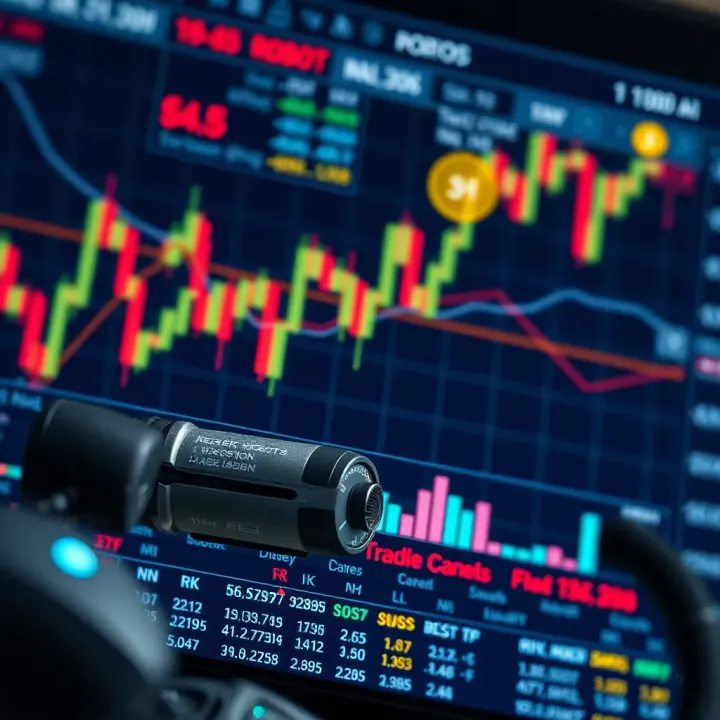
Discover how forex trading robots (Expert Advisors) can help Nigerian traders automate deals, manage risks, and boost profits in the ₦naira forex market 📉🤖
📈 Master forex trading with strategies tailored for Nigerian traders! Learn practical tips, risk management, and tech tools to boost your ₦ returns safely and smartly.
Based on 8 reviews