
Understanding Forex Trading for Nigerian Investors
📈 Learn how forex trading works for Nigerian investors 🇳🇬. Understand currency pairs, pips, brokers, risks, and tips to navigate local rules and market challenges.
Edited By
Liam Carter
Forex trading and gambling often get lumped together, especially by those outside the trading circle. But lumping them as the same thing misses some crucial differences. Understanding these differences helps Nigerian investors to make informed decisions and manage their risks effectively.
First, forex trading involves buying and selling foreign currencies based on economic fundamentals, political events, and market sentiment. Traders use analysis—both technical and fundamental—to predict currency movements. For example, a trader might study the Central Bank of Nigeria (CBN) monetary policy rate changes or crude oil prices, since these directly impact the naira exchange rate.
In contrast, gambling relies heavily on chance and luck without relying on a predictable pattern or economic indicators. Consider a casino game or betting on football matches; the outcomes are largely random or depend on uncertain events beyond the gambler’s control.
The key difference lies in risk management and strategy. Forex trading allows for setting stop-loss orders and applying trading plans, while gambling typically involves betting all in without control over odds.
Moreover, forex trading contributes to global economic functions by facilitating international trade and investment. Traders provide liquidity, helping businesses and governments move money across borders. Gambling, on the other hand, largely redistributes money without creating such economic value.
For Nigerian traders, recognising these distinctions matters. Forex trading demands continuous learning about economic news like the Nigeria Economic Recovery Plan or CBN policy updates. It also requires discipline and an understanding that losses are part of the process—not just blind chance.
To sum up, while both forex trading and gambling carry risk, forex is anchored in strategies based on real-world data and market behaviour. Nigerian investors who approach forex trading with adequate preparation and caution stand better chances of turning their ₦ investments into genuine returns, rather than leaving it to luck.
Understanding forex trading is foundational when distinguishing it from gambling. Forex, or foreign exchange trading, involves buying and selling currencies to capitalise on price movements. It is a highly liquid market, where actors range from central banks, commercial banks, hedge funds, corporations, to retail traders. Each participant approaches the market with unique motives—some hedge risks on international transactions, others seek profits from currency fluctuations.
Forex trading is the process of exchanging one currency for another, typically with the goal of making a profit. For example, a Nigerian trader might buy US dollars with naira, expecting the dollar to strengthen against the naira. Market participants include large institutions like the Central Bank of Nigeria (CBN), global banks, multinational companies, and retail traders who engage through online platforms.
Forex trading usually involves pairs, such as USD/NGN, EUR/USD, or GBP/USD. These pairs indicate how much of one currency (quote) is needed to buy a unit of another (base). Traders focus on widely traded pairs (majors) because of their liquidity and tighter spreads, but some also trade emerging market pairs like USD/ZAR or USD/NGN, which are more volatile but can offer profit potential. Understanding these pairs is vital since currency movements affect import/export prices, inflation, and investment decisions.
Profit or loss depends on the difference between the entry and exit prices. For instance, if a trader buys EUR/USD at 1.10 and sells at 1.12, they gain 0.02 per unit traded, multiplied by their trade size. However, if the price falls, the trader faces a loss. The use of leverage amplifies these outcomes. Therefore, knowing when to enter and exit, coupled with proper trade size, is crucial.
Technical analysis involves studying price charts and indicators to predict future movements. Tools like moving averages, Relative Strength Index (RSI), and candlestick patterns help traders identify trends and turning points. For example, spotting a resistance level repeatedly tested might indicate a potential reversal or breakout. Nigerian traders often combine these tools with local economic factors for better timing.
Fundamental analysis looks beyond prices to economic data such as interest rates, inflation, GDP growth, and political events. For a naira trader, CBN policy announcements, oil price shifts, or geopolitical developments significantly affect currency value. By assessing these factors, traders estimate whether a currency will strengthen or weaken over time.
No trading strategy is complete without risk management. Using stop-loss orders to limit downside, setting realistic profit targets, and managing trade size are common practices. For example, a trader might risk only 1-2% of their capital on a single trade to avoid wiping out their account from one bad decision. Careful risk control separates disciplined trading from reckless speculation.
Understanding these components of forex trading arms Nigerian traders with the knowledge to navigate the market realistically, distinguishing it from games of pure chance.
To draw a clear line between forex trading and gambling, it's necessary to understand what gambling truly involves. Recognising the characteristics and risks associated with gambling helps traders and investors appreciate why these two activities differ fundamentally. Gambling centres largely on chance and uncertainty, where the participant's control is minimal or nonexistent. Understanding this background sheds light on the risks one takes when engaging in betting activities.
Gambling primarily hinges on unpredictability, where outcomes depend heavily on chance rather than skill or analysis. For example, when you play a game like roulette in a casino, the result is determined by where the ball lands, a matter utterly out of your control. There is no way to predict or influence this outcome beyond luck. Similarly, lottery draws rely entirely on random number selection, making the chance element the dominant force.
This randomness is practical to understand because it means gamblers accept a high level of uncertainty every time they stake money. Unlike activities that rely on informed decisions, gambling's uncertainty is built-in and unavoidable.
In gambling, once a bet is placed, the participant loses control over the result. Whether it's spinning a slot machine or betting on a dice roll, the player cannot intervene to alter the outcome. This hands-off nature distinguishes gambling from activities where one's skill or strategy can affect results.
For instance, in poker, while luck plays a role, skilled players can still influence the game's direction through bluffing and betting strategies. But in pure games of chance like lotteries or roulette, no amount of skill changes the odds.
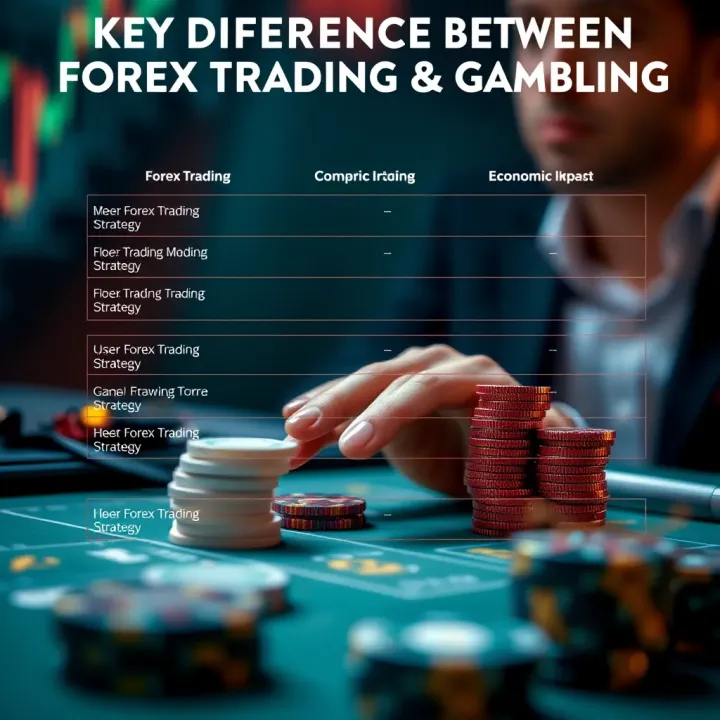
Common forms of gambling include casino games (roulette, blackjack), sports betting, lotteries, and betting on races. These usually happen in casinos, betting shops, or online platforms specifically designed to offer such games. Nigerian examples might include state lotteries or popular betting on football matches through local operators.
Understanding these examples helps clarify that gambling is structured around chance-based events with limited or no participant influence.
Gambling operators maintain odds that reflect the probability of various outcomes but always tilt conditions slightly in their favour. For example, in sports betting, odds are calculated so the bookmaker earns profit regardless of the event's result by adjusting the payout ratios.
This manipulation means gamblers are facing an uphill battle to win consistently. The odds are rarely fair in the player's favour, making losses statistically more likely over time.
While some gambling formats include elements of skill, luck remains a dominant factor. Games like slot machines are entirely luck-based, whereas poker blends skill and chance. Still, even skilled players cannot alter the inherent probability of the cards dealt.
This balance between luck and skill impacts how gamblers perceive their chances. Too often, people underestimate the role of luck and overestimate skill, leading to poor decisions.
Every gambling game carries a house edge – a built-in advantage for the operator ensuring long-term profit. In casinos, this might be a few percentage points but enough to guarantee profit across millions of bets.
For gamblers, this means the expected outcome is a gradual loss of money if they play for a long time. Knowing about the house edge helps explain why gambling isn't a dependable way to make money but rather a form of entertainment with financial risks.
Recognising the role of chance, lack of control, and built-in disadvantage in gambling underscores why it carries different risks compared to trading activities where research, analysis, and strategy can improve outcomes.
Understanding these core characteristics is essential for any trader looking to separate speculative forex trading from pure gambling. It also stresses the need for responsible behaviour when dealing with financial decisions.
The comparison between forex trading and gambling is more than a side discussion; it addresses common doubts that Nigerian investors face when considering whether to enter the forex market. Understanding their similarities and differences helps traders approach forex with the right mindset and strategies, preventing costly misconceptions.
Risk is at the heart of both forex trading and gambling, which leads many people to lump them together. Forex markets do involve significant risks, especially when traders speculate wildly without solid analysis. For example, some inexperienced traders might open multiple positions, chasing quick profits on volatile pairs like USD/NGN without a plan. This behaviour looks a lot like gambling, where chance overshadows strategy.
However, speculative trading doesn't define all forex activity. When traders apply risk management techniques—such as stop-loss orders or position sizing—they reduce pure speculation and manage potential loss. The line blurs because both activities can involve speculation, but forex allows for strategic decision-making based on data.
Forex markets move fast, and it’s common to see huge swings within minutes. This rapid change often confuses new traders, who might view quick losses or sudden wins as gambling outcomes rather than results of market mechanics. For instance, a trader who buys EUR/USD expecting a rise might see the price slip sharply before reacting, leading to losses.
In gambling, fast fluctuations in outcomes come purely from luck. In forex, these swings reflect reactions to economic releases, geopolitical news, or market sentiment shifts. Understanding these triggers separates trading from mere chance.
Nigerian media frequently reports forex trading tales where some individuals make quick ₦millions, while others lose heavily. These headlines fuel the perception that forex is like a lottery: unpredictable and based on luck. But these stories often hide the trader’s background—such as education level, market discipline, or the brokers used.
Failures usually stem from lack of knowledge or poor money management. Success generally follows continuous learning, proper analysis, and patience. This contrast highlights why forex should not be dismissed as simple gambling.
Forex trading relies heavily on research. Traders study charts (technical analysis), monitor economic indicators (fundamental analysis), and keep an eye on global events. A Nigerian trader might vigilantly track the CBN’s policy rates or Nigeria’s inflation figures to anticipate naira movements. This informed approach contrasts sharply with the randomness of gambling.
Moreover, trading platforms offer tools like live charts and economic calendars that help traders make reasoned decisions. This structure promotes informed strategies rather than blind bets.
The forex market operates under regulatory oversight, especially where brokers comply with authorities like the Nigerian Securities and Exchange Commission (SEC). Regulated brokers must meet standards on transparency, client fund protection, and fair trading.
Gambling, although legally regulated in certain formats, lacks the same continuous market supervision and transparent trading environment. Traders can verify the licence of their forex brokers, giving a level of credibility absent from informal gambling activities.
In gambling, outcomes depend mainly on fixed probabilities—the odds set by the casino or bookie don’t change based on player action. In contrast, forex pricing reflects constantly changing supply and demand worldwide. For instance, if more investors buy the USD against the naira following reports of foreign investments, the price adjusts accordingly.
This dynamic means skilled traders can influence their results by understanding patterns and reacting to market changes. Gambling outcomes remain mostly unaffected by skill or information, making the two fundamentally different.
Understanding these contrasts is not just academic—it aids Nigerian investors to approach forex trading with caution, discipline, and professionalism rather than viewing it as a lucky gamble.
By recognising these key points, traders can make smarter decisions, reduce unnecessary risks, and avoid falling victim to scams often lurking under the guise of quick gains.
This clear focus on differences and misconceptions equips readers with realistic expectations and helps distinguish trading opportunities from pure chance-based betting.
Trading forex in Nigeria comes with a set of unique challenges that every trader must understand to avoid costly mistakes. Unlike markets in developed countries, Nigerian forex traders must navigate issues like naira volatility, unreliable brokers, and infrastructure problems such as inconsistent power and internet. These factors deeply affect both the strategies you choose and your trading outcomes.
Naira volatility and its effects on trading
The naira’s exchange rate swings unpredictably against major currencies like the dollar. This volatility can either multiply profits or deepen losses swiftly. For example, if you trade with a broker denominating your account in dollars, a sudden naira depreciation can increase your gains in naira terms but also expose you to higher risks if the currency strengthens again. Traders need to constantly monitor foreign exchange impacts beyond basic market analysis.
Broker reliability and scams to avoid
The Nigerian forex scene has seen its fair share of rogue brokers promising sky-high returns but disappearing with traders’ funds. To protect yourself, always verify if a broker is regulated by credible bodies such as the Securities and Exchange Commission (SEC) Nigeria. Be wary of platforms that offer guaranteed profits or require large upfront payments without transparency. Reputable brokers often have a clear track record and responsive customer support.
Impact of power supply and internet connectivity
Frequent power outages and unstable internet connections can be a trader’s worst nightmare, especially if you're managing live trades on volatile currency pairs. Missing a crucial market move because your generator ran out of fuel or your data network dropped means potential losses. Many serious traders invest in backup power sources like inverters and make use of reliable mobile internet networks to maintain access during outages.
Setting realistic goals and limits
It’s tempting to aim for quick profits, especially hearing stories of big wins. However, setting achievable daily or weekly goals helps manage expectations and stress. Always decide on maximum loss limits per trade or day and stick to them. This discipline prevents emotional decision-making, which often leads to reckless positions and wipeouts.
Importance of education and market awareness
Forex trading is not a get-rich-quick scheme. Constant learning about market fundamentals, technical analysis, and global economic changes sharpens your ability to make informed trades. For Nigerian traders, understanding how local events, like CBN policy shifts or political developments, affect forex markets is particularly valuable. Attending workshops, reading updated reports, and following reputable financial news enhances your market savvy.
Using regulated platforms and tools
Choose trading platforms that are recognised by Nigerian financial regulators or have strong international licences. These platforms offer better security, transparent pricing, and customer protection measures. Tools such as demo accounts, stop-loss orders, and risk calculators should be standard in your trading arsenal to control exposures. Using unregulated or shady platforms increases exposure to fraud and unreliable executions.
Managing these practical risks decisively separates serious Nigerian forex traders from those who treat trading like gambling. A combination of awareness, discipline, and choosing trusted brokers will put you on the path to sustainable trading success.
This section has focused on ground realities faced by Nigerian traders, steering clear from theory to provide actionable ideas on reducing pitfalls and maximising chances of success.
Forex trading plays a much broader role than just offering chances for profit or loss. Beyond the everyday speculation many focus on, it serves core functions that sustain global and local economies. Understanding these helps demystify forex trading and shows why it shouldn't be equated with mere gambling.
Foreign exchange markets provide the essential liquidity that allows businesses and governments to convert one currency into another quickly. Imagine a Nigerian exporter selling agricultural products to Europe; the exporter receives payment in euros but needs naira to pay workers and suppliers locally. Forex trading ensures this currency conversion happens smoothly without delay or substantial cost, enabling trade to continue uninterrupted. Without such liquidity, cross-border transactions would slow down, causing inefficiencies and raising costs for all parties involved.
For investors, forex markets allow the movement of capital across countries. Foreign direct investment (FDI) into sectors like manufacturing or telecommunications in Nigeria depends on the ability to convert funds easily at fair market rates. Forex trading provides this service, making Nigeria an attractive destination for international capital.
Forex trading constantly adjusts exchange rates based on supply and demand factors, revealing the real-time value of different currencies. This price discovery is crucial because it reflects the relative economic health, inflation outlook, and policy expectations of countries involved. For instance, when the Central Bank of Nigeria (CBN) changes policies affecting naira, traders in the forex market quickly adjust prices to reflect this.
Transparent and efficient price discovery lets businesses plan better. A company preparing to import machinery can anticipate costs and hedge against adverse currency movements thanks to accurate exchange rate signals. Without active trading and its price-setting mechanism, markets become opaque, inviting manipulation and increasing uncertainty.
Companies engaged in international trade use forex markets not to speculate but to manage risk. By entering into contracts such as forward contracts or options, businesses lock in exchange rates to protect their cash flows from sudden currency swings. For example, a Nigerian airline buying fuel priced in dollars will hedge exposure to avoid losses if naira suddenly weakens.
This hedging preserves profit margins and keeps prices stable for consumers. Hedging strategies supported by forex markets encourage firms to expand operations confidently, knowing they can shield themselves from some risks inherent to international dealings.
Exchange rates and forex market trends often act as barometers for wider economic conditions. Movements in the naira's value against currencies like the dollar or euro can signal shifts in inflation, interest rates, or trade balances. Analysts and policymakers watch these signals closely to adjust fiscal and monetary policies.
Moreover, forex market data influences stock markets and bond yields. For example, a sharp drop in the naira might raise concerns about inflation or foreign debt servicing costs, affecting investor sentiment on the Nigerian Stock Exchange (NGX). Understanding these links helps traders and investors make informed decisions beyond the mere act of trading currencies.
Forex trading is more than high-risk speculation; it is a foundational element of a working economy, vital for trade, investment, risk management, and economic analysis.
This wider economic role highlights that forex trading connects the dots between local realities, like naira volatility and business needs, and global financial flows. Appreciating this dimension provides Nigerians a clearer view on how to engage with forex markets responsibly and with purpose.
📈 Learn how forex trading works for Nigerian investors 🇳🇬. Understand currency pairs, pips, brokers, risks, and tips to navigate local rules and market challenges.
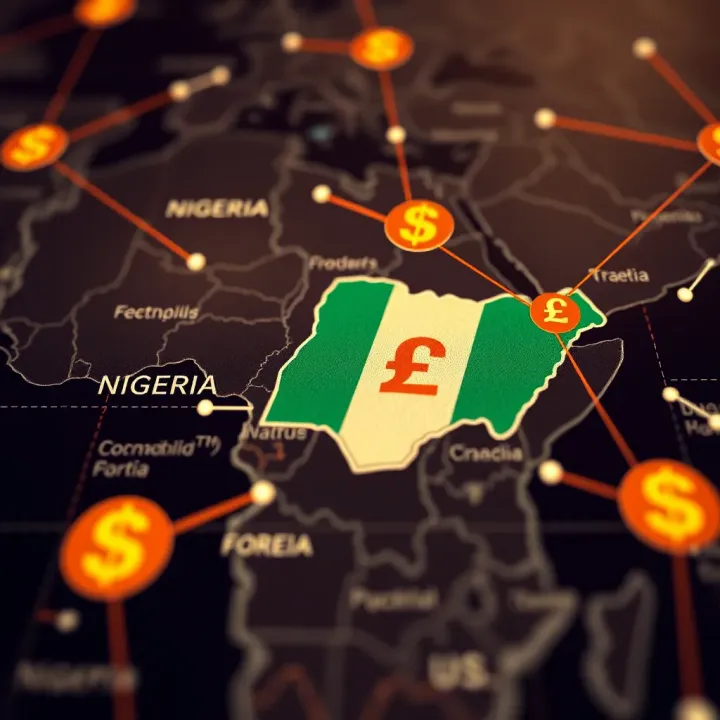
Learn how Nigerian investors can trade forex in the US market 🇺🇸. Understand regulations, access brokers, spot risks, and make smart moves abroad 💹.
📈 Understand forex trading essentials for Nigerian investors 🇳🇬. Learn how global and local factors affect currency movements, spot trends, and avoid common market pitfalls.
🤑 Want to trade forex in Nigeria? Learn how exchange rates affect profits, discover major currency pairs, manage risks, and pick the right platforms tailored for Naija traders.
Based on 13 reviews