
Forex Trading Insights for Nigerian Traders
📈 Understand forex trading essentials for Nigerian investors 🇳🇬. Learn how global and local factors affect currency movements, spot trends, and avoid common market pitfalls.
Edited By
Isabella Morgan
Automated trading bots have become a notable tool for forex traders in Nigeria looking to maximise their efficiency and reduce manual workload. These bots use computer programs designed to analyse forex markets and execute trades based on predetermined strategies. Instead of watching charts all day or reacting to market moves emotionally, traders rely on bots to follow rules consistently, which can be especially helpful given the 24-hour nature of the forex market.
The appeal of bot forex trading in Nigeria stems from its ability to process vast amounts of data and execute trades faster than any human trader could. For instance, a trader can configure a bot to spot price fluctuations between the USD/NGN and EUR/USD currency pairs, placing buy or sell orders within seconds to exploit small price differences. Such speed is crucial because currency rates can shift suddenly due to local factors like CBN policy changes or global events like oil price shocks.
However, bot trading is not a magic wand. Success depends heavily on the quality of the trading strategy coded into the bot and on the reliability of the data it uses. Poorly programmed bots can chase losses, enter bad trades, or suffer from connectivity issues that could cost real money. Nigerian traders should also consider the impact of internet stability and power supply, which are common challenges for automated trading setups here.
Using a trading bot requires careful setup and constant monitoring to avoid costly errors.
When choosing a bot, Nigerian traders must check compatibility with popular platforms such as MetaTrader 4 and 5 (MT4/MT5), widely used locally. It's also essential to assess the bot's backtesting capabilities, which allow traders to see how the bot would have performed on historical data before risking real ₦. This testing helps reveal how robust the bot’s strategy is under different market conditions.
Before deploying a bot, understanding the local regulatory environment is crucial. The Nigerian Securities and Exchange Commission (SEC) regulates financial services, including some aspects of automated trading. Traders should ensure their activities comply with SEC guidelines to avoid legal issues.
In summary, forex trading bots offer Nigerian traders a practical way to automate strategies and save time, but vigilance and sound knowledge remain key to making these tools work effectively.
Bot forex trading involves using specially designed computer programmes to buy and sell currencies automatically without constant human intervention. For Nigerian traders, this method offers a chance to operate in the fast-moving forex market without needing to watch charts all day. Bots work 24/7, reacting instantly to market moves, which is especially useful given the volatility of the naira against global currencies.
Understanding how bot forex trading works helps traders make informed choices about whether automation fits their goals and risk appetite. It’s not simply about switching on a programme; success depends on grasping how bots analyse data, decide when to trade, and manage risks.
Automated trading bots harness computer algorithms to interpret market data and trigger trades based on predefined parameters. Instead of manually entering orders, traders set rules—like when to buy or sell a currency pair—and the bot executes these instructions in real time. This system removes the need for constant oversight and can handle large volumes swiftly.
In Nigeria, busy professionals and those new to forex find bots appealing because they simplify trading by reducing manual steps. For example, a trader who cannot follow global markets overnight benefits from bots that never sleep.
Forex bots receive and process live market data—like price quotes, volume, and indicators—from trading platforms. They use algorithms to identify patterns or signals that meet their criteria. When conditions align, the bot sends orders to the broker’s server for instant execution.
Take the Moving Average Crossover strategy: a bot may track shorter and longer term averages. When the short-term average crosses above the long-term average, the bot initiates a buy trade, anticipating price rise. This automated, prompt action can catch trends faster than manual trading.
Most trading bots rely on technical indicators—mathematical calculations based on price and volume—to guide buy or sell decisions. Examples include Relative Strength Index (RSI), Bollinger Bands, and MACD. Bots apply algorithms to combine and interpret these indicators objectively.
This approach benefits Nigerian traders by removing emotional errors common in manual trading. For example, instead of reacting out of fear during market dips, the bot sticks to its algorithm, maintaining discipline.
Bots usually deploy specific trading strategies:
Scalping: Making rapid, small-profit trades by exploiting tiny price movements. Bots can open and close dozens of trades within minutes, ideal for active markets like forex.
Trend following: Bots identify and ride larger price movements, buying when uptrends appear and selling when downtrends start.
Arbitrage: Capturing price differences for the same currency pair across different brokers or platforms.
For Nigerian traders, selecting a strategy aligns with their capital, patience, and market understanding. Scalping demands constant execution and reliable internet, while trend following suits those willing to hold positions longer.
Automated forex bots are tools that can enhance trading by executing strategies efficiently, but they require understanding and proper configuration to work well under Nigerian market conditions.
In summary, bot forex trading means entrusting a programmed system to analyse market signals and act on trade opportunities swiftly. Grasping how bots operate and the common strategies they use allows Nigerian traders to leverage automation effectively while managing risks.
Forex trading bots offer distinct advantages that can change how Nigerian traders approach the forex market. Leveraging automated software helps cut down the manual effort and emotional strain often linked with trading. This technology can be particularly helpful in Nigeria’s fast-evolving forex scene, where quick decisions and uninterrupted market access matter.
Executing trades 24/7 without fatigue: Unlike human traders who need rest and breaks, bots operate non-stop. This means they can trade round the clock, exploiting opportunities even when you are asleep or busy with other activities. For Nigerian traders juggling day jobs or business ventures, bots handle trades while freeing up time to attend other responsibilities.
Reacting faster than manual trading: Markets can shift suddenly. Bots respond instantly by analysing data and executing trades within seconds, something no manual trader can match. For instance, if the naira suddenly weakens against the dollar during off-business hours, a well-programmed bot can lock in profits or cut losses much faster than a manual trader waking up to check the markets.
How bots remove fear and greed: Emotional biases like fear or greed often sabotage decisions. Bots follow set rules consistently, avoiding panic selling or impulsive buying. This can prevent costly errors, such as closing a trade too early during volatile moments common in Nigerian markets.
Maintaining discipline with preset rules: Bots strictly adhere to parameters set during configuration. This discipline ensures trades happen only when conditions match the strategy, reducing human temptation to deviate from plans. Nigerian traders often struggle with keeping to strategies during unpredictable market swings, but bots help maintain steady behaviour.
Simplifying trading for those with limited time: For many Nigerians with demanding schedules or limited forex knowledge, bots offer an easy entry point. Instead of watching charts daily, users can rely on the bot to manage trades, lowering the barrier to participation.
Potential for learning through bot settings and reports: These tools generate detailed reports that can educate users on market behaviours and bot performance. A trader in Lagos, for example, could improve technical understanding by reviewing analytics from the bot, gradually gaining insights to refine personal strategies.
Using forex trading bots in Nigeria blends technology with practicality, giving traders an edge while minimising time commitment and emotional pitfalls. However, success depends on choosing the right bot and responsible management.
Forex trading bots offer speed and automation, but Nigerian traders must understand the risks involved to avoid costly mistakes. These bots depend heavily on technology, so technical failures and market unpredictability can affect performance. Traders also face security issues from unreliable providers offering bots promising rapid profits. Being aware of these challenges can help you manage risks wisely.
Bots rely on stable internet and software functioning properly. In Nigeria, frequent power outages and fluctuating connectivity can cause downtime, leaving bots unable to execute trades when market conditions change sharply. For example, a brief network drop during high volatility could mean missed opportunities or unexpected losses.
Poor programming further raises risks. Bugs or poorly coded bots can misinterpret market signals, triggering wrong trades. A bot might enter trades repeatedly due to a glitch, quickly draining funds. That’s why choosing bots with strong technical support and running them first on demo accounts is essential before live trading.
Bots use historical data for decision-making, but sudden market shocks like geopolitical tensions or unexpected economic announcements can disrupt their strategies. During the recent naira devaluation phases, automated systems often lagged behind because they couldn’t adjust fast enough to such drastic changes.
Over-optimisation happens when a bot perfectly fits past data but fails in real markets. This is like memorising answers without understanding the test questions. It leads to poor performance when market patterns shift. Nigerian traders should watch out for bots marketed with claims based solely on past backtests without live track records.
The growing interest in forex bots has attracted many scams in Nigeria. Some providers sell bots promising guaranteed returns, but these often vanish after taking payment. Fake testimonials and no clear contact information are red flags. Always research the provider’s reputation and ask for verifiable user feedback.
Besides scams, data privacy and fund safety matter. Bots require access to trading accounts, potentially exposing account details. Poor encryption or unsecured platforms risk leaking your credentials. Nigerian traders should only use bots integrated with trusted brokers abiding by local regulations to safeguard funds and personal data.
Assessing these risks openly helps avoid pitfalls and fosters safer automated trading. Knowing when and how bots can fail lets you prepare backup plans, ensuring your forex trading journey in Nigeria remains on a solid footing.
Setting up the right forex trading bot could greatly impact your trading success in Nigeria’s dynamic forex market. There are many bots available, but not all fit well with the local trading environment or with the brokers Nigerians prefer. Choosing a bot that matches your needs and setting it up properly ensures you maximise potential while managing risks.
Your chosen bot must work smoothly with Nigerian brokers like FXTM, Alpari, or local platforms that Nigerians commonly use. Some bots only integrate with international brokers or specific trading platforms such as MetaTrader 4 or 5. Nigerian traders who mainly use these platforms need bots that plug in without trouble. For instance, if your broker only supports MT4, a bot designed for MT5 won't function right.
Checking compatibility also means considering the broker’s deposit and withdrawal mechanisms in Nigeria. A bot that works well but can’t connect payments easily to Nigerian banks or mobile money wallets might cause more hassle than benefit.
Before committing to any bot, looking up user reviews and hearing from Nigerian trading communities is vital. Traders sharing real experiences help reveal if a bot performs as promised or if issues like frequent crashes or poor support recur. Popular forums, Telegram groups, or fintech communities often discuss bots users tested in Nigerian conditions.
For example, some bots praised internationally appear less reliable here due to local internet instability or power supply challenges. Taking time to find bots recommended by Nigerian traders can save you from surprises.
Bots come in various pricing forms: one-time purchases, monthly subscriptions, or commission on profits. For Nigerian traders, cost matters because the forex market itself can be volatile, and upfront expenses must make financial sense.
Consider if the bot offers trial periods or demo versions before paying. Also, watch out for hidden fees or expensive renewals that might eat into your trading budget. Transparency about costs helps you plan your investment better.
Connecting your bot to your trading account requires secure methods to protect your funds and data. Most brokers provide API keys or passwords for this purpose. Always ensure you use official broker channels and avoid sharing sensitive details on unsecured platforms.
Using two-factor authentication (2FA) wherever possible adds a layer of protection. Nigerian internet users should be wary of phishing attempts that might target traders eager to set up bots quickly.
Once linked, the bot needs rules tailored to your trading goals and risk appetite. You select limits like maximum daily losses, trade sizes, and stop-loss levels. These settings prevent the bot from making reckless trades during unexpected market changes.
For instance, if your capital is ₦100,000, you might set your bot to risk no more than 2% per trade. This discipline helps guard your funds, especially in a market that can swing sharply, like the naira-dollar exchange.
Before risking actual money, run your bot on a demo account. This simulates live trading without financial risk, letting you check if the settings work as expected and identify glitches.
Many Nigerian traders skip this step and jump straight into live trading, often leading to losses. Testing also helps you understand how the bot reacts to various scenarios, from calm markets to volatile periods during announcements like CBN policy changes.
Automated trading doesn’t mean you set and forget. Regularly checking trade logs shows you how the bot performs, what trades it executes, and if it follows your risk limits.
Detailed reviews might highlight patterns where the bot underperforms, prompting changes. Nigerian markets may slow during holidays or pick up during ember months, so logging these experiences is key.
"A bot’s success depends not just on initial settings but on ongoing vigilance and adjustments in response to market realities."
Forex moves with many factors: economic data, political reports, global events. Nigerian traders should adjust bot parameters to reflect these changes. For example, increasing stop-loss buffers during high volatility can prevent unnecessary losses.
Some bots offer adaptive settings that change with volatility, but even these need your oversight. Staying alert to news from CBN, SEC, or geopolitical developments helps you fine-tune the bot.
Navigating the legal and regulatory landscape is a key step for Nigerian traders who want to use automated forex trading bots. Understanding these rules helps you avoid penalties, safeguard your investments, and trade transparently within the country’s financial system. This section breaks down the main regulatory bodies and compliance issues relevant for bot trading.
The Securities and Exchange Commission (SEC) Nigeria supervises capital market activities, including forex trading platforms operating in Nigeria. Although SEC primarily focuses on securities like stocks and bonds, it also monitors the activities of investment schemes and trading operators that offer forex services. This ensures that traders are protected from fraudulent schemes. For example, any platform offering forex trading services, including those integrating bots, must register with SEC to operate legally.
Being aware of SEC regulations helps traders distinguish between authorised brokers and illegitimate ones. This step is particularly important when connecting a bot to a broker’s platform, as unregistered brokers may expose your funds to risks.
The Central Bank of Nigeria (CBN) regulates foreign exchange policy, impacting how forex trading is conducted locally. For instance, the CBN restricts direct access to foreign currency for speculative trading, which influences how bots execute trades on international currency pairs. Nigerian forex traders mostly access the market via brokers approved by CBN or its authorised agents.
CBN’s occasional intervention in the forex market to stabilise the naira can generate volatility, which automated bots need to accommodate. Understanding CBN policies helps traders set realistic expectations for bot performance amid currency fluctuations caused by official monetary moves.
Not all trading bots available to Nigerian traders meet local legal standards. To ensure compliance, choose bots from providers with clear registration and who adhere to guidelines set by regulatory bodies. Legitimate bots should maintain transparency on how they operate algorithmically and must facilitate audit trails for all trades executed.
Using bots that meet Nigeria’s legal standards limits exposure to regulatory sanctions and offers reassurance that your trading follows established financial laws. For example, if a bot developer claims guaranteed returns without proper disclosure, it’s a red flag worth avoiding.
Nigerian traders must be cautious of unlicensed bot providers or forex operators who may indulge in scams. Many fraudulent schemes masquerade as automated bots, promising quick profits but with hidden terms or technical shortcomings.
Always verify the credentials of the bot provider, check user reviews, and confirm that the broker supporting the bot is licensed by SEC or CBN. An example is avoiding providers claiming to bypass local forex restrictions or manipulate exchange rates, since such promises are often too good to be true.
Profits made from forex trading, automated or not, are taxable under Nigerian tax law. The Federal Inland Revenue Service (FIRS) expects traders to report gains as part of their annual income returns. Failure to declare trading profits can lead to penalties or audits.
For Nigerian traders using bots, it is wise to set aside a portion of earnings for tax purposes. Keeping clear records of income and losses also simplifies compliance when filing.
Maintaining detailed records of all trades made through your bot is essential not just for tax reporting but also for evaluating bot performance. Transaction histories should include entry and exit points, lot sizes, and profit or loss from each trade.
This documentation aids transparency and helps when disputes arise with brokers or tax authorities. Practical tools like spreadsheets or brokerage account statements can serve this purpose well.
Staying informed about local laws and ensuring compliance protects your investments and builds a foundation for sustainable forex trading with bots in Nigeria.
By understanding this legal framework, Nigerian traders can confidently use automated trading software without falling foul of regulations or fraudulent schemes. Clear record-keeping also means better control over tax obligations and trading outcomes.
📈 Understand forex trading essentials for Nigerian investors 🇳🇬. Learn how global and local factors affect currency movements, spot trends, and avoid common market pitfalls.
🤑 Want to trade forex in Nigeria? Learn how exchange rates affect profits, discover major currency pairs, manage risks, and pick the right platforms tailored for Naija traders.
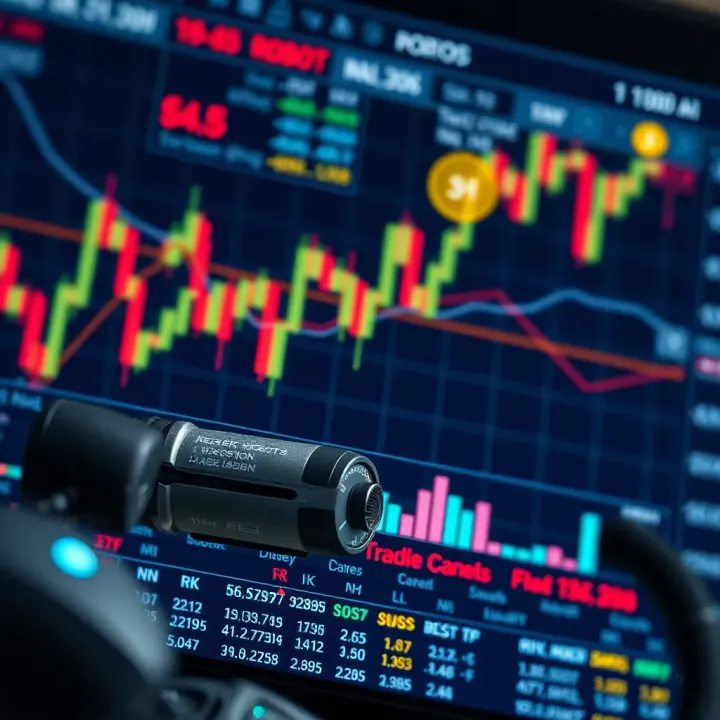
Discover how forex trading robots (Expert Advisors) can help Nigerian traders automate deals, manage risks, and boost profits in the ₦naira forex market 📉🤖
📈 Master forex trading with strategies tailored for Nigerian traders! Learn practical tips, risk management, and tech tools to boost your ₦ returns safely and smartly.
Based on 11 reviews