
Understanding Pips in Forex Trading for Nigerian Traders
📊 Understand pips in forex trading and how they shape your profits and losses in Nigeria. Learn to calculate and use pip value for smarter trades in ₦ markets.
Edited By
Sophie Bennett
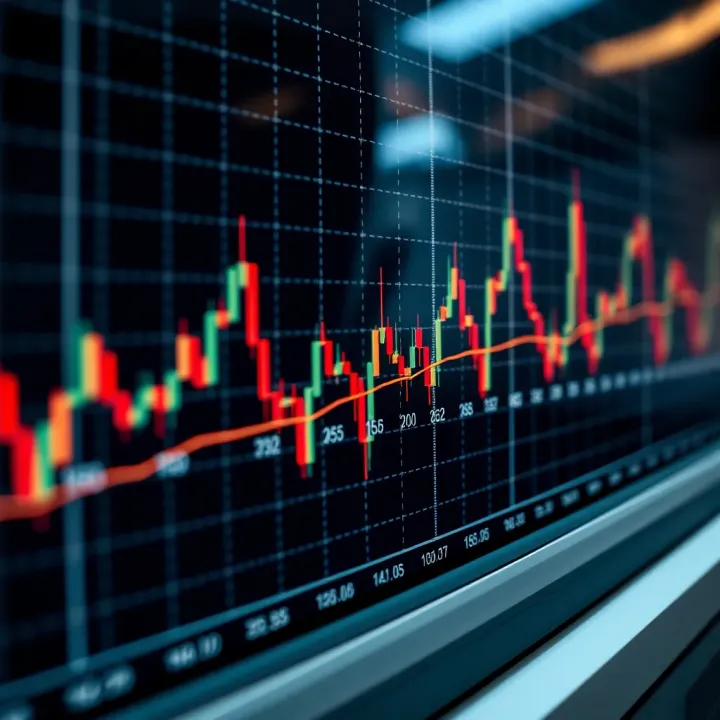
Forex trading often feels like a complex puzzle, especially when you're staring at heaps of numbers and abstract data. Visual tools like forex trading pictures help simplify those complexities by turning raw market information into clear, easy-to-read graphics. For Nigerian traders, these visuals are more than just colourful charts—they serve as practical guides for making better trading decisions with the ₦-dollar or other currency pairs.
At the core of forex trading visuals are charts that display currency price movements over time. These include line charts, bar charts, and candlestick charts, each offering unique advantages for technical analysis. Candlestick charts, for example, pack detailed info about opening, closing, high, and low prices in a compact visual, making them especially popular with traders throughout Lagos, Abuja, and beyond.
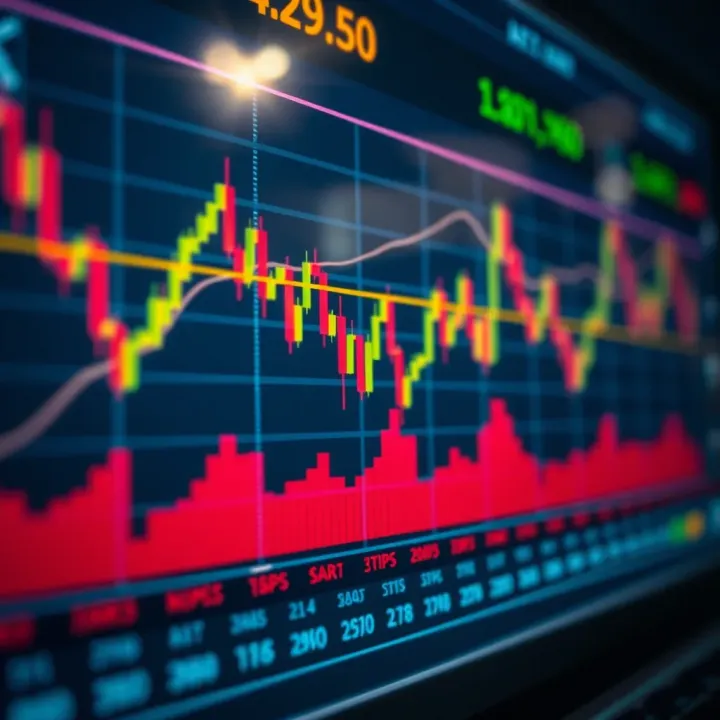
Trading signals, trend lines, support and resistance zones often appear on these pictures to highlight potential entry and exit points. A visual might show how the naira’s value dips against the dollar at certain resistance levels before bouncing back—information that helps to plan when to buy or sell. Seeing this plotted out prevents guesswork and keeps traders disciplined.
Charts and graphs clarify market sentiment and price actions, transforming complex data into actionable insights.
For Nigerian traders facing fluctuating exchange rates and sudden market changes caused by economic policies or fuel price shifts, forex trading pictures become crucial. They allow rapid assessment of trends without digging into hours of numeric data. Picture-based tools support understanding of volatility, liquidity, and momentum in the forex market, especially when markets react to news from the Central Bank of Nigeria or NGX announcements.
Here are some visual tools Nigerian traders often rely on:
Candlestick charts: Show price action with colour-coded bars for quick trend detection.
Moving averages: Smooth out price data to spot trend direction.
Relative Strength Index (RSI) graphs: Indicate overbought or oversold conditions.
Volume histograms: Highlight how much trading activity is happening.
In short, forex trading pictures bridge the gap between theory and practice. They give you a confident edge in Nigeria’s vibrant forex environment by making data more digestible and decisions clearer.
Forex trading can feel like a complex puzzle, especially when faced with endless numbers and charts. Using pictures simplifies these complexities by turning abstract ideas into tangible visuals. For instance, a simple line chart illustrating the exchange rate of the naira against the dollar over a month immediately shows trends and turning points that raw numbers alone cannot convey. This visual approach makes understanding basics like price movements and market behaviour more accessible, particularly for beginners or even seasoned traders trying to spot quick market changes.
Visuals serve as a bridge between theory and practice, making it easier to connect concepts. When you see a candlestick chart, for example, you immediately grasp open and close prices, highs and lows, and market sentiment for the day. This practicality is why images form the backbone of forex education — they break down hard-to-swallow data into bite-sized pieces that traders can act on confidently.
Charts and graphics act like the map to a city you’ve never visited. They show the roads and junctions clearly, helping you avoid wrong turns. Instead of trying to crunch numbers mentally, traders see how currencies fluctuate over time. For example, showing a side-by-side comparison of bullish and bearish candlestick patterns photo help traders instantly identify market sentiment without confusion.
In Nigeria’s volatile forex market, where news and policy shifts can rapidly change trends, visuals can quickly highlight shifts—like sudden spikes or drops—making complicated information easier to digest in moments. This is especially valuable when quick decisions can mean either profit or loss.
People remember images much better than text or numbers alone, a fact proven by cognitive studies. For Nigerian traders juggling market data, brand news, and economic updates, pictures help lock information into memory. Visual aids create mental shortcuts, so once you identify a familiar chart pattern, you recall its implications more swiftly during trading.
For example, a forex trader who has learnt the "head and shoulders" pattern through clear pictures will recognize it immediately on live charts. That recognition often triggers timely decisions, improving both confidence and performance.
Market movements can be fast and overwhelming. Visual tools speed up understanding because they summarise large amounts of data instantly. Where a table might hide recent price trends, a chart reveals them at a glance. Nigerian traders using mobile platforms like OPay or GTBank’s trading apps find that graphical presentations help them track currency fluctuations without needing to interpret raw numbers or technical reports repeatedly.
Seeing the big picture quickly means acting faster. A trader noticing a sharp downward trend on a candlestick chart during ember months, for example, knows to adjust their positions before bigger losses hit.
Patterns in forex charts—like double tops, flags, or triangles—signify probable future moves. Visual learning sharpens a trader’s eye to spot these signs without delay. Instead of relying on instinct alone, traders trained with images can practise identifying nuanced formations.
In the Nigerian context, where market behaviour sometimes responds to policy shifts like CBN’s monetary decisions or fuel subsidy talks, recognising these patterns visually helps traders prepare for anticipated currency reactions. As traders mature in skill, they can combine visual cues with economic news, sharpening their strategies over time.
Pictures in forex trading provide more than decoration—they act as vital tools that translate raw data into actionable insights. This visual clarity is especially beneficial when market speed and accuracy determine the difference between gain and loss.
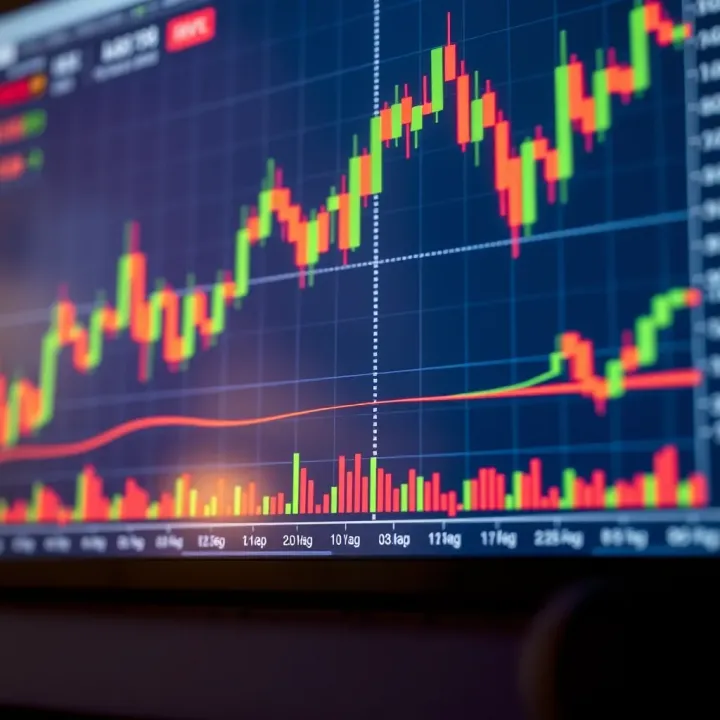
Using well-chosen forex trading pictures improves learning, speeds decision-making, and strengthens strategy development, making them indispensable assets for any trader in Nigeria’s bustling currency market.
Charts are the backbone of forex trading, giving you a visual snapshot of currency price movements over time. For Nigerian traders, understanding these charts is not just academic; it directly influences trading decisions that can impact your ₦-portfolio. Each type of chart offers unique insights, helping you spot trends, volatility, and possible turning points in the market.
Line charts connect closing prices over a set period, creating a simple line that reflects the general direction of a currency pair. They strip away complexity, showing you the overall trend without distractions. For example, if you’re observing the USD/NGN rate over one month, a line chart helps highlight whether the naira is gaining strength or losing ground.
These charts are particularly useful when you want a quick overview without diving into granular details. New traders use line charts to understand market direction before exploring more complex visuals.
Line charts are best for spotting long-term trends and simplifying initial market analysis. When Nigerian traders monitor changes in cross-border trade currencies or global market influences on local forex rates, line charts provide a clear, easy-to-follow picture.
They also come handy in presentations or reports where simplicity matters. Instead of overwhelming an audience with technical jargon, a line chart communicates fluctuations straightforwardly.
Bar charts break down price movements within a trading period by displaying the open, high, low, and close (OHLC). This detail captures the full trading range, rather than just the closing price. Each vertical bar represents the price range, with horizontal ticks showing the open (left) and close (right).
For instance, in a volatile session for GBP/USD, the bar chart reveals how far prices swung compared to where they started and ended. This helps traders understand price pressure during the day.
Volatility is a key consideration for traders, especially in Nigeria where global economic shifts can cause sharp currency movements. Bar charts visibly expose the day's price range variation, making it easier to judge risk.
When you notice long bars, it indicates strong buying or selling pressure. That insight assists you in timing your entry and exit from trades, especially around events like CBN policy announcements or market openings.
Candlestick charts display the same OHLC data as bar charts but in a more visual and colour-coded form. Each candle shows whether prices closed higher or lower than they opened, packed with patterns that traders use to forecast market direction.
Patterns like the 'Doji' or 'Engulfing' signal potential reversals or continuations, offering practical clues in fast-moving forex markets.
Candlesticks are widely favoured among Nigerian traders because they combine clear visual cues with rich information. Given the naira’s sensitivity to political events and oil price changes, these charts help traders quickly adapt to sudden market moves.
In daily trading on platforms like MT4 or local apps, well-understood candlestick patterns assist traders in making smarter decisions that protect their ₦-investments during uncertain times.
Mastering these charts gives Nigerian forex traders a solid edge: they can read the market’s story, adjust strategies fast, and improve trade outcomes.
Graphical tools and indicators form the backbone of technical analysis in forex trading. They help traders interpret raw price movements, providing clearer insight into trends, market strength, and potential reversals. Nigerian traders, in particular, find these tools invaluable as they pair them with live charts and market news to make quick yet informed decisions within volatile markets.
Moving averages smooth out price data to help you identify the underlying trend without all the day-to-day noise. The two common types are the Simple Moving Average (SMA) and the Exponential Moving Average (EMA). SMA calculates the average price over a set number of periods, giving equal weight to all data points. Meanwhile, EMA gives more weight to recent prices, making it more responsive to the latest market action.
Traders use these averages to spot trend direction—if prices are above the moving average, the market tends to be bullish; below it signals bearish trends. For example, in the Nigerian forex market, a trader observing the 50-period SMA crossing above the 200-period SMA often spots a promising buying opportunity, known as a "golden cross." Visualising this crossover on the chart helps confirm momentum shifts clearly.
Support and resistance are critical levels where price tends to pause or reverse. Drawing these lines visually on charts enables traders to recognise barriers to price movement. Support lines mark zones where buying interest prevents further price falls, while resistance lines show where selling pressure caps price gains.
Spotting these levels requires observing past price reactions on a chart—for instance, if the US dollar against the naira repeatedly bounces up near ₦460, that level forms a strong support. Traders can set entry points just above support or prepare to exit as price nears resistance.
Volume indicators highlight the number of trades or contracts at a given time, with spikes often signalling increased trader interest. Visualising volume spikes on Nigerian forex charts can warn traders about upcoming sharp moves, helping them avoid getting caught on the wrong side.
Momentum indicators, such as the Relative Strength Index (RSI), show the speed at which prices change. When chart illustrations depict momentum dropping while price climbs, it suggests weakening strength and potential reversal. Nigerian traders often use these visual clues to time entries and exits, especially during high volatility periods influenced by global and local events.
Mastering these graphical tools allows traders to translate numbers into actionable insights, improving both strategy development and risk management.
Visual aids play a key role in shaping forex trading strategies. Pictures and charts help traders spot patterns, trends, and price action details that words alone cannot fully capture. For strategy development, these visuals simplify complex data and offer a clearer roadmap for making trading decisions in real time.
Forex traders watch for common patterns like "head and shoulders," "double tops and bottoms," and "triangles," which suggest potential market moves. Identifying these patterns on charts signals when to enter or exit trades, helping to reduce guesswork. Using pictures to recognise these shapes strengthens a trader’s ability to read market sentiment quickly.
For Nigerian traders, applying pattern recognition means understanding local market rhythms alongside global forex movements. For instance, during periods of political announcements or oil price shifts — factors driving the naira-dollar pair — recognising reversal or continuation patterns visually can signal profitable trades. Such skills help traders avoid costly mistakes during volatile periods common in Nigerian forex markets.
Reviewing previous trades using historical chart data allows traders to see how their strategies would have played out. Chart histories reveal whether predicted patterns actually led to expected price movements. This visual backtesting uncovers strengths and weaknesses without risking real money.
Both novice and experienced traders benefit from this approach. Novices learn faster by comparing their trades directly with visual trends, correcting errors early. Experienced traders refine strategies by spotting subtle visual cues missed before, such as failed breakouts or fake signals. This continuous learning process, guided by pictures, boosts confidence and improves trading outcomes over time.
Using visual tools for strategy development provides concrete evidence of how markets behave, enabling traders to make informed decisions based on real data rather than guesswork.
In summary, forex trading pictures are more than just illustrations; they are vital instruments that help traders develop, test, and sharpen strategies specific to Nigerian forex conditions. With proper use, they enhance pattern recognition and enable smarter, more profitable trading.
In Nigeria's fast-growing forex market, accessing the right visual tools is key to making informed trading decisions. Forex trading images—charts, graphs, and pattern illustrations—offer a clear window into market behaviour. Nigerian traders can leverage these visuals to understand currency trends amidst local economic shifts like naira fluctuations and CBN policy updates. This section explores where to find quality forex visuals locally and offers practical advice on interpreting them accurately.
Popular Nigerian forex websites with visuals provide an excellent starting point. Platforms like Nairametrics and Proshare regularly publish market analyses complete with current forex charts focusing on the NGN against major currencies like the US dollar and euro. Such charts help traders spot patterns crucial for timing buy or sell moves. These websites typically update their visuals in real-time, which is vital in Nigeria's sometimes volatile environment where sudden fuel subsidy changes and political events can sway markets quickly.
Mobile apps offering charting tools have also become indispensable. Applications like MTN Mobile Money and OPay provide users with integrated charts for currency price tracking. More specialised apps, such as TradingView and MetaTrader 4, popular among Nigerian forex traders, offer detailed interactive charts that allow plotting indicators and drawing support and resistance lines. These tools can be used on the go, fitting well with Nigeria’s often irregular power supply and busy lifestyles. They enable traders to practise technical analysis from their phones, a must-have in Lagos traffic or when away from a desktop.
How to interpret images under local market conditions is crucial. Nigerian forex markets sometimes react less predictably than international ones due to factors like multiple exchange rates or Central Bank interventions. Traders should consider context behind chart movements—such as naira devaluation rounds or election cycles—before making moves. Visual indicators might show trend reversals that coincide with local events, so combining charts with current news is essential for smarter trading.
Avoiding common mistakes when relying on visuals involves recognising their limitations. Forex images show past and current market data but don't guarantee future results, especially in an economy with structural issues like Nigeria’s. Relying solely on pictures without understanding underlying fundamentals or external shocks can lead to losses. Additionally, poor-quality or outdated charts, commonly found on some informal Telegram or WhatsApp trading groups, should be avoided. Always cross-check visuals with trusted sources and never skip risk management simply because a pattern looks promising.
Visual tools are powerful, but Nigerian traders must read them with local realities in mind—combining charts with solid research keeps trading from becoming mere guesswork.
📊 Understand pips in forex trading and how they shape your profits and losses in Nigeria. Learn to calculate and use pip value for smarter trades in ₦ markets.
📈 Discover how live forex trading works for Nigerian traders 🇳🇬, including tips on choosing trusted brokers, managing trades, and navigating market risks effectively.
🤖 Discover how forex trading robots automate currency trades, their pros, cons, and risks. Learn smart ways Nigerian traders can manage them safely in the fast forex market.
Discover how MajalahTaujih guides Nigerian traders through forex trading risks, tips, and market insights for secure profits in Nigeria's forex scene 📈₦
Based on 6 reviews