
How to Choose the Best Forex Trading Platform in Nigeria
Discover how to choose the best forex trading platform in Nigeria 🇳🇬. Learn about key features, regulations, top local platforms, and smart tips for safer trading.
Edited By
Oliver Davis
Forex trading charts are the backbone of making decisions in the foreign exchange market. For Nigerian traders, whether you’re just starting out or already have experience, mastering these charts is essential to spot trends, understand price action, and manage risks effectively.
Charts display the history of currency price movements visually. Instead of staring at numbers, you get patterns, signals, and levels where the market may turn or continue. This helps you anticipate what might happen next rather than purely guessing.
Line charts: Drawn by connecting closing prices. Simple, but they might miss intra-day details.
Bar charts: Show opening, closing, high, and low prices for each time period, giving more context.
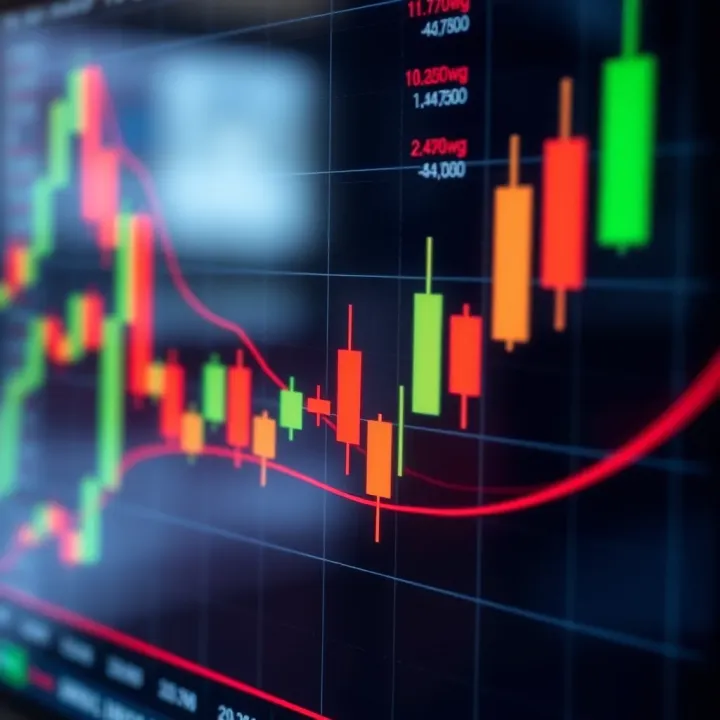
Candlestick charts: Like bar charts but with coloured bodies representing gains or losses. Popular among Nigerian traders for their clarity.
Understanding how to read these charts saves you from costly errors. For instance, a candlestick with long wicks but a small body suggests indecision in the market.
Besides types, key indicators help analyse market movements. Common ones include:
Moving Averages (MA): Averages prices over time, smoothing out noise to spot trends.
Relative Strength Index (RSI): Measures how fast prices change to indicate overbought or oversold conditions.
Bollinger Bands: Show volatility by surrounding price with bands that expand or contract.
Selecting the right charting platform matters too. Many Nigerian traders use local-friendly platforms like MT4, MT5, or even apps from brokerages offering easy access, live data, and integrated indicators. Choosing one that fits your style and device improves trading efficiency.
To wrap up, forex charts are practical tools that turn complex market data into manageable insights. Nigerian traders who invest time to understand charts can make better decisions, improving chances of profit and reducing unforced errors.
Next, we'll explore how to read charts step-by-step and integrate them into your trading strategies.
Forex traders in Nigeria depend heavily on charts to understand market movements and make informed decisions. Different types of forex trading charts serve distinct purposes, offering varied levels of detail and insights. Choosing the right chart type is essential to match your trading style and strategy.
Line charts provide a straightforward view of price action by connecting closing prices over a specific period. They are ideal for traders who want to focus on the overall trend without distractions from minor fluctuations. For instance, if you are monitoring the naira-dollar exchange rate over days or weeks, a line chart will clearly show the general upward or downward trend.
Although line charts lack detailed price information such as opening, high, or low values, their simplicity makes them useful for beginners or traders aiming to spot basic trend directions quickly. For example, if the line consistently rises over a week, it indicates bullish sentiment, signalling a potential buy opportunity.
Bar charts give more information by displaying opening, high, low, and closing prices (OHLC) for each time period. Each vertical bar represents the trading range within that timeframe, with small horizontal ticks showing open and close prices.
This format helps traders see market volatility and price action more clearly. For instance, if a bar has a long upper shadow, it suggests the price reached a high point but then fell back, possibly signalling resistance. Nigerian traders who follow market hours carefully may find bar charts beneficial for intraday trading or spotting specific price patterns around economic announcements.
Candlestick charts are the most popular among forex traders worldwide, combining the features of bar charts with clear colour-coded bodies that highlight market sentiment. A filled (often red or black) candle shows prices closed lower than they opened, indicating selling pressure. In contrast, an unfilled or green candle means buying momentum.
Candlestick patterns like doji, hammer, or engulfing help traders predict possible reversals or continuations, making them invaluable for tactical decision-making. For example, in Nigeria’s volatile market, where news about CBN policies or oil prices can shift trends quickly, candlestick charts deliver detailed insights to act promptly.
Tip: Most Nigerian trading platforms like MT4, MT5, and some fintech apps support these chart types. Experiment with them to find which aligns best with your trading style.
In summary, understanding these chart types and their uses can help you navigate forex trading more effectively. Line charts offer clarity; bar charts reveal detailed price ranges, and candlestick charts provide rich information on market sentiment. Using them appropriately boosts your chance to spot opportunities and manage risks in Nigeria’s forex market.
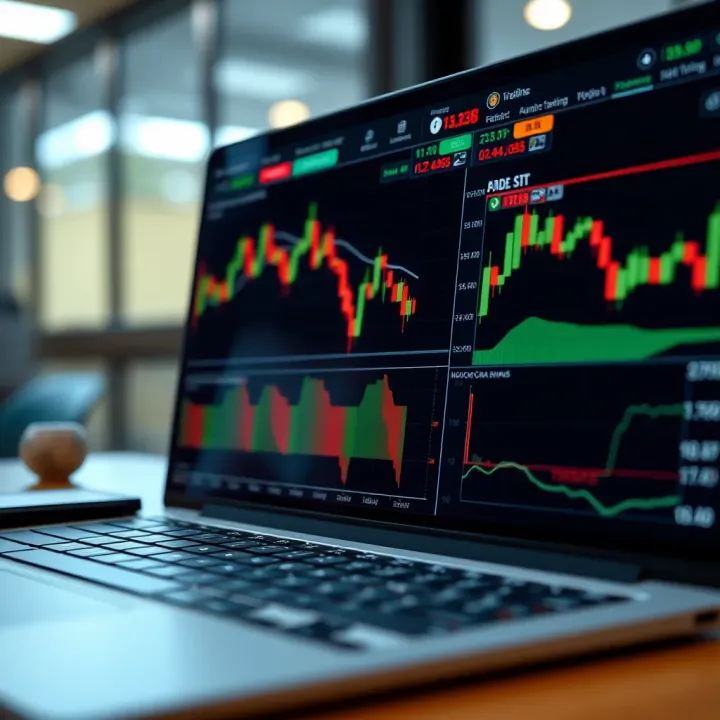
Reading forex trading charts properly is essential for Nigerian traders to make informed decisions. Charts condense vast market information into visual data, showing price movements and trends over time. If you learn to interpret these visuals well, you can spot trading opportunities and avoid costly mistakes.
Timeframes shape how you view the market. Forex charts display prices over different periods — minutes, hours, days, or weeks. Day traders in Lagos might prefer 15-minute or 30-minute charts to catch quick price moves. Longer-term investors, on the other hand, usually focus on daily or weekly charts to identify broader trends.
Choosing the right timeframe depends on your trading style and goals. For instance, a scalper hunting for small profits will rely on shorter timeframes and fast decision-making. Meanwhile, a swing trader may examine daily charts to hold positions for days or weeks.
Recognising how timeframe affects price action helps you avoid missing the forest for the trees. Sometimes a price dip on a 15-minute chart is just noise within a strong upward trend on the daily chart.
Trend lines are simple straight lines drawn along price highs or lows on a chart to indicate the direction of the market. An upward trend line connects successive low points and signals rising prices. A downward trend line does the opposite.
For example, if the USD/NGN pair consistently touches but bounces off a rising trend line over several days, this suggests buying support. Traders often use trend lines to decide when to enter or exit trades, expecting prices to continue along the trend.
Support and resistance are key price points where the market often reverses direction. Support is a lower level where buying interest prevents price from falling further. Resistance is an upper level where selling pressure limits price rises.
Consider the NGN/USD exchange rate hitting ₦750 and pulling back several times. ₦750 becomes a resistance level. Breaking above it may hint at a bullish move. On the flip side, ₦720 could be support if prices bounce from it repeatedly.
These levels act like barriers and help traders set stop-loss and take-profit orders effectively.
Price patterns provide clues about market direction. Reversal patterns, such as the head and shoulders or double top, signal that a current trend may end and reverse. Continuation patterns like flags or triangles suggest the existing trend will resume after a short pause.
For instance, spotting a double bottom pattern in the price of oil-related forex pairs could warn Nigerian traders of an upcoming upward shift, ideal for planning entry points.
Mastering these chart reading skills enables you to align your trades with market momentum and manage risk better, turning charts into powerful allies in your forex journey.
Key indicators are essential tools that help Nigerian traders make sense of the noisy forex market. They boil down complex price movements into understandable signals for making trading decisions. By using indicators, you can spot trends, measure momentum, and identify volatility more clearly — all critical for timing your entries and exits effectively.
Moving averages (MAs) smooth out price data to highlight the overall direction of a currency pair over a chosen period. For instance, the 50-day moving average shows the average price over the last 50 days, which helps reveal whether the market is trending up, down, or sideways. When the price stays above the MA, it generally signals an uptrend; below, a downtrend.
For Nigerian traders dealing with the NGN/USD or EUR/NGN pairs, observing moving averages over daily or weekly charts helps avoid reacting to short-term market noise, especially during volatile ember months when naira liquidity can fluctuate.
The Relative Strength Index (RSI) indicates whether a currency is overbought or oversold by measuring the magnitude of recent price changes. Its value ranges from 0 to 100 — readings above 70 suggest an overbought condition (potential sell opportunity), while below 30 indicates oversold (potential buy signal).
Suppose you notice the RSI of USD/NGN climbing above 70 after a strong rally. This could warn that the upward momentum is running out of steam, signalling caution before new buy positions. Conversely, a drop below 30 might suggest the pair is undervalued, possibly setting the stage for a bounce.
Bollinger Bands consist of a moving average with two bands placed above and below at a set number of standard deviations. These bands expand and contract depending on market volatility. When the bands tighten, it usually signals lower volatility and a likelihood of a significant price move soon. When they widen, it indicates high volatility.
For example, during periods of political uncertainty in Nigeria, you might notice Bollinger Bands widen sharply on the forex chart of the naira, reflecting increased price swings. Traders can use this signal to adjust their risk management or prepare for breakout trades.
Understanding how to interpret these indicators effectively can significantly improve your chance of trading success in the Nigerian forex market. They provide clarity in an otherwise turbulent trading environment.
By combining these key indicators, you build a versatile toolkit to read market conditions more clearly. Moving averages confirm trends, RSI spot momentum peaks, and Bollinger Bands indicate volatility shifts — all helping you take better trading decisions with less guesswork.
Selecting the right charting platform is a game-changer for Nigerian forex traders. The platform you use shapes how you see market trends, plan your trades, and respond to price movements. Besides basic chart displays, a good platform offers fast updates, reliable data, and useful tools tailored for the Nigerian market. Access to local currency pairs like USD/NGN or EUR/NGN and integration with Nigerian payment solutions can make trading more seamless. Traders who settle for less risk falling behind as the market moves fast.
Nigerian traders often rely on popular online platforms such as MetaTrader 4 (MT4), MetaTrader 5 (MT5), and TradingView. MT4 and MT5 remain favourites due to their user-friendly interface and extensive community support. They provide real-time price updates, custom indicators, and expert advisors (automated trading bots). While MT4 is great for beginners with its simplicity, MT5 adds more charting tools and order types that suit experienced traders.
TradingView stands out with its social trading aspect, allowing Nigerian traders to see and share chart analyses publicly. It also offers easy access through web browsers without demanding software installation—a practical choice where limited internet speed can be an issue. What sets these platforms apart is their ability to support multiple currency pairs, including naira pairs, and offer in-depth analytical tools.
In Nigeria, internet connectivity and power supply can be unpredictable, so having both mobile and desktop versions of charting platforms matters. Mobile apps like the MT4 or MT5 app let traders check price movements and manage trades on the go, whether they are in traffic in Lagos or relaxing at a mama put. These mobile versions come with most functionalities of the desktop software but tailored for smaller screens and touch navigation.
Desktop platforms offer more advanced features for detailed chart analyses, useful for traders spending longer hours studying market movements. Having access to both means you can switch easily between quick checks on your phone and thorough reviews on your laptop or desktop. This flexibility helps you avoid missing out on trading opportunities, especially during volatile periods common in the embers months or around major economic announcements.
Choosing the right forex charting platform that fits your lifestyle, trading style, and Nigeria-specific market needs will increase your chances of success and save you from costly mistakes.
To sum up, assess platforms by their real-time data quality, chart tools, access to Nigerian currency pairs, and whether they provide convenience across devices. This way, you’re well-placed to respond to market shifts and trade confidently.
Integrating forex charts into your trading strategy sharpens decision-making and improves your odds of success in the volatile forex market. Charts offer visual snapshots of price movements and trends, allowing you to spot opportunities and risks more clearly. Nigerian traders can combine chart reading with local market realities—such as naira fluctuations and economic reports—to make sound trades.
Chart patterns show what the price has done, but fundamental analysis reveals why it moved that way. Pairing these gives you a fuller picture. For example, if a candlestick chart signals a potential uptrend but the Central Bank of Nigeria (CBN) announces a hike in the monetary policy rate, that could actually slow down the rally. Insights like these matter for timing your entries and exits.
Let’s say you notice a “double bottom” pattern on the USD/NGN chart, suggesting a reversal from a downtrend. Confirming this with economic data, such as improving trade balances or recent oil export figures, makes your trade setup stronger. Nigerian traders often miss this step, relying solely on charts without checking fundamental factors like CBN policies or market liquidity.
Charts are not just about grabbing profits—they help you control losses too. Support and resistance levels, for instance, guide where to place stop-loss orders. If the price drops just below a key support line, that signals a possible bigger fall, so cutting losses early protects your capital.
Risk management also involves knowing when not to trade. If the chart shows sideways movement with no clear pattern, it's often wiser to stay out rather than guess. For Nigerian traders facing currency volatility and fuel supply shocks affecting market activity, having discipline to rely on chart signals can prevent rash decisions leading to losses.
By combining chart patterns with solid fundamental context and using chart signals to manage risk, you create a balanced trading approach. This practical blend suits both beginners and seasoned traders aiming to navigate Nigeria’s forex market with confidence.
Using charts alongside economic news and clear risk limits transforms guesswork into informed trading. Every trader in Nigeria who masters this integration gains a competitive edge.
Integrating forex charts into your strategy takes practice, but it pays off by aligning technical insight with real-world factors and sound money management.
Discover how to choose the best forex trading platform in Nigeria 🇳🇬. Learn about key features, regulations, top local platforms, and smart tips for safer trading.
Discover key tips for Nigerian investors to choose the best forex trading approach 💹. Learn market basics, broker selection, risk management, and avoid pitfalls for better trading outcomes.
Discover how Nigerian traders can spot reliable forex trading signals 📈. Learn to choose signal providers wisely and manage risks for better profits 💡.
📈 New to Forex trading in Nigeria? Learn key terms, how markets work, top strategies, best platforms & tips to manage risks confidently & safely. 🇳🇬
Based on 11 reviews