
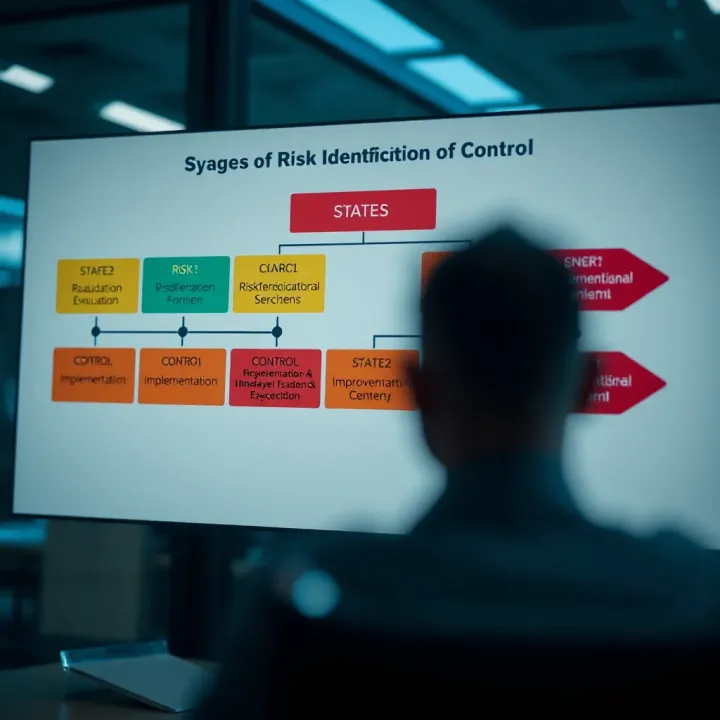
Key Steps in Risk Management for Nigerian Businesses
Learn how Nigerian businesses can spot, assess and manage risks that threaten ₦ resources or daily goals. Practical steps help reduce losses and boost control 🛡️📊
Edited By
Edward Williams
Risk management is not just a checkbox exercise for Nigerian businesses—it’s a vital practice that safeguards your operations and profits. Especially in Nigeria, where unpredictable factors like power fluctuations, forex instability, and regulatory changes occur frequently, managing risk well can be the difference between thriving and surviving.
The first step in risk management is identification. This means actively spotting threats before they escalate—think about how fluctuating fuel prices can affect transport costs for your supply chain or how political unrest might disrupt customer access in key markets. To spot these risks, businesses should engage staff and stakeholders regularly, review past incidents, and keep an ear on local news and industry trends.

Once risks are identified, the next step involves assessment. You measure how likely a risk is to happen and what its impact would be. For example, if your bakery relies on imported flour, you would assess how naira depreciation could increase input costs and delay delivery times. This helps you prioritise which risks must be tackled immediately and which ones can be monitored.
After assessing, the business moves to decision-making on how to handle these risks. Options often include avoiding, reducing, transferring, or accepting the risk. Transferring risk might mean getting an insurance policy against theft or flood—a common challenge for many Nigerian SMEs during the rainy season.
Next is implementation of control measures. Suppose you decide to reduce risk related to power outages; installing solar panels or investing in inverters can provide stable electricity, thus keeping production steady even during NEPA/DISCO outages.
Lastly, risk management does not end with implementation. It requires monitoring and review to ensure controls remain effective and to catch new risks early. Using simple dashboards or regular team meetings can help track performance and adjust strategies, especially as market conditions evolve.
Effective risk management lets Nigerian businesses protect what matters most, stay resilient through uncertainties, and improve profitability without guesswork.
By following these key steps, businesses can move from reacting to crises, to anticipating and managing threats wisely. This proactive stance is what keeps Nigerian enterprises competitive in an ever-changing environment.
Identifying risks is the first step Nigerian businesses must take to protect themselves from unforeseen challenges. This process involves recognising factors that could disrupt operations, affect profits, or damage reputation. By clearly understanding what risks apply specifically to your business, you prepare better strategies to face them head-on before they escalate.
The Nigerian economy has faced various ups and downs, with the naira’s value often swinging sharply. For example, local manufacturers dependent on imported raw materials may suddenly find costs soaring because of naira depreciation. This volatility can erode profit margins and make budgeting difficult. Traders who buy goods in foreign currencies risk losing money if exchange rates worsen unexpectedly.
Understanding this economic risk helps businesses build financial buffers or hedge through forward contracts where possible. It’s practical to monitor the Central Bank of Nigeria (CBN) policies and forecasts, as these often influence currency movements.
Nigeria’s political environment is sometimes unpredictable. New government policies or sudden changes in regulations can affect sectors without much warning. For instance, a change in import tariffs could raise costs drastically for import-dependent businesses overnight. Also, shifts in tax laws from agencies like the Federal Inland Revenue Service (FIRS) or state tax authorities can pose compliance challenges.
Businesses that stay aware of upcoming elections, government announcements, and SEC regulations avoid surprises that could disrupt operations. Proactively engaging with trade associations can also provide early warnings about regulatory changes.
Power outages remain a common headache for Nigerian businesses. Many rely on generators, which increase operational costs due to rising fuel prices. This unpredictability slows production and delays service delivery, frustrating customers. Logistics struggles also plague many firms, with bad roads, traffic, and unreliable courier services causing delivery delays and increased transport costs.
Spotting these risks early helps businesses plan for alternative power solutions, negotiate better contracts with logistics providers, or adjust delivery timelines realistically.
Regular internal audits expose weaknesses in processes or controls before they become serious problems. For example, reviewing financial records can uncover inconsistencies or fraud risks. Audits of operational workflows might reveal inefficient steps that waste resources or increase error rates.
Many Nigerian firms employ quarterly audits or set up internal control committees. This practical approach reduces surprises and strengthens the business foundation.

Employees on the ground see daily challenges and possible threats better than top management sometimes. Encouraging open communication lets staff report risks related to customer complaints, supplier issues, or emerging market trends.
Regular team meetings or anonymous suggestion boxes can collect these insights. Nigerian organisations that listen to their staff find it easier to capture risks that might otherwise go unnoticed until it’s too late.
Keeping an eye on market news, competitor movements, and technological upgrades helps Nigerian businesses anticipate changes. For example, if a major player in the telecom sector introduces a new service, others must evaluate how it affects their own market share.
Setting Google Alerts, subscribing to trade newsletters, or following reliable Nigerian business media delivers timely updates. This vigilance can trigger early actions that keep a business competitive and secure.
Identifying risks early protects your business from costly surprises. It allows you to adapt plans, reduce losses, and seize opportunities that others may miss.
By knowing where potential threats come from and using practical methods like audits, staff input, and market monitoring, Nigerian businesses can better safeguard their operations and profits.
Managing risks effectively begins with assessing and prioritising the threats your business faces. This step helps you direct limited resources to the risks that can cause the most damage. Ignoring this phase can lead to wasted efforts or, worse, catastrophic losses — especially in Nigeria’s fast-changing market where risks like naira volatility or regulatory changes can hit unexpectedly.
Understanding risk probability means estimating how likely a particular risk is to occur. For Nigerian businesses, an example would be the chance of power outages disrupting production. If your factory operates in Lagos, a city notorious for sporadic power supply, the probability is high unless you invest in reliable generators. Assessing this probability enables you to prepare accordingly, preventing sudden downtime.
Estimating financial and reputational damage involves quantifying how much a risk could cost your business if it happens. Suppose a trader relies on consistent import shipments; delays due to customs policy changes can stall operations, causing direct losses from delayed sales and indirect damage to reputation as customers seek more dependable providers. Calculating these figures helps prioritise risks that can compromise both cash flow and brand trust.
Using risk matrices is a practical way to visualise risks by plotting their likelihood against their potential impact. Imagine a simple 3x3 grid where you list risks such as currency fluctuations, theft, or unstable supply chains in different boxes. This visual helps you see instantly which risks fall in the 'high likelihood, high impact' square, demanding immediate action, and which reside in lower-risk zones where monitoring suffices.
Categorising risks by urgency means sorting threats based on how soon they might affect your business. For instance, political unrest during election season requires immediate attention and contingency planning, while risks like market trends changing over years can be addressed more gradually. This sorting ensures your team tackles critical issues first, avoiding surprises that could throw operations off balance.
Proper assessment and prioritisation empower Nigerian businesses to face uncertainty with clear strategy, reduce waste on minor issues, and protect their bottom line from avoidable shocks.
By applying these steps firmly, you’ll be better placed to safeguard your investments and maintain steady growth even in the face of Nigeria’s unique challenges.
Deciding on how to respond to risks is a critical step for Nigerian businesses aiming to protect their operations without wasting resources. After identifying and assessing risks, companies need to select practical ways to handle them — whether by avoiding, reducing, sharing, or accepting risks. This decision-making process helps businesses focus efforts on areas that could cause serious problems while balancing costs and benefits.
Avoiding risks means steering clear of activities or conditions that expose the business to harm. For example, a Lagos-based retailer might avoid stocking goods prone to frequent smuggling disruptions or unreliable suppliers. While avoidance can minimise potential losses, it could also limit growth opportunities, so it requires careful evaluation of trade-offs.
Implementing controls and policies involves setting up clear rules and procedures to lessen the chance or impact of risks. Nigerian firms could enforce strict cash handling policies to prevent theft or install backup power systems to combat erratic electricity supply. These controls create a safer business environment and ensure smoother daily operations.
Staff training and capacity building equip employees with the knowledge and skills to recognise, manage, or avoid risks. For instance, training staff on cybersecurity best practices can reduce data breaches for fintech companies. Regular workshops and drills help build a risk-aware culture, making the whole organisation resilient.
Insurance options in Nigeria provide a way to transfer financial risks to insurers. Businesses can choose general liability, fire, or cargo insurance relevant to their sector. However, careful consideration is vital given Nigeria’s unique insurance market challenges, such as limited coverage scope and claims delays.
Partnerships and contracts allow risk sharing by allocating responsibilities and consequences among parties. A construction company working with a subcontractor on a project might include clauses that hold each accountable for specific risks, reducing exposure for both. Well-drafted contracts protect businesses from unforeseen liabilities.
Recognising acceptable risk levels means understanding which risks the business can tolerate without serious harm. For example, a small enterprise may accept some currency fluctuation risks knowing the cost of hedging outweighs potential losses.
Preparing contingency plans involves having backup strategies ready in case accepted risks materialise. A logistics firm might develop alternative delivery routes or hold buffer inventory to handle road closures or fuel shortages. Such plans ensure continuity and quick reactions when problems occur.
Deciding on the best risk response blends caution with pragmatism, helping Nigerian businesses stay afloat while seizing growth chances.
Putting risk controls into action means transforming plans into daily routines that shield your business from likely threats. For Nigerian businesses facing issues like erratic power supply, fluctuating naira value, or security challenges, this step ensures risks don’t just stay on paper but are managed practically. Effective risk controls reduce losses, protect investment, and build confidence among investors and partners.
Documenting processes is essential for consistency and accountability. When businesses clearly write down how tasks, decisions, and controls should happen—say, how to handle cash during ember months or how to manage supplier vetting—it removes uncertainty. A Lagos-based SME dealing with multiple suppliers can avoid delays by documenting procurement checks properly. This clarity also speeds up training and helps spot where weaknesses exist.
Communicating guidelines to staff ensures everybody knows their role in managing risks. It’s not enough to have policy documents gathering dust; workers from the security guard to the finance officer must understand what to do and why. Banks like GTBank and Access Bank invest in staff training and communication, which reduces fraud and operational slip-ups. Using meetings, memos, and digital platforms helps embed these guidelines in everyday challenges, keeping risk awareness high.
Using software tools for monitoring risks helps businesses stay ahead of trouble. In Nigeria’s fintech space, platforms like Paystack or Flutterwave regularly use dashboards to flag unusual transactions instantly, stopping fraud before it escalates. Even small traders can adopt simple accounting tools like QuickBooks or Excel templates for inventory and sales monitoring—alerting them early to cash flow or stock issues.
Data security measures become crucial as Nigerian companies expand digital footprints. Theft of customer data or financial information can paralyse trust and invite regulatory fines. Firms must install firewalls, update antivirus software, and encrypt sensitive information. For instance, banks and telecoms apply multi-factor authentication to secure accounts, reducing hacking risks. Educating staff on phishing scams or insecure networks also blocks common cyber threats.
Regular workshops prepare teams to face risks with confidence. Organising sessions on topics like fraud detection, emergency response, or compliance helps sharpen staff skills. For example, oil companies in Port Harcourt run routine safety workshops to cut accident rates. These gatherings keep risk management top-of-mind and encourage employees to share practical issues they face.
Scenario-based drills take training a step further by simulating real problems. Nigerian retailers, particularly during busy ember months, practise how to handle power outage emergencies or customer unrest. This hands-on practice exposes gaps in plans and boosts team responsiveness. When crises hit for real, staff react quicker and with less confusion, protecting assets and morale.
Putting risk controls into action is not a one-off task; it’s an ongoing effort that cements resilience. Nigerian businesses succeed by turning policies, technology, and training into everyday shields against threats that lurk in a complex environment.
Regularly monitoring risks and reviewing management strategies is essential for Nigerian businesses to stay ahead of potential threats and adapt to a dynamic market. This process ensures that the risk management system remains effective and aligns with the evolving business environment. Neglecting this step could mean missing early signs of trouble or clinging to outdated controls that no longer serve their purpose.
Periodic risk assessments are scheduled reviews of identified risks to check if their nature, likelihood, or impact has changed. In Nigeria’s fast-shifting markets, this is especially helpful. For instance, a business dealing in imported tokunbo goods must reassess risks regularly due to fluctuating exchange rates and changing import policies. These assessments might take place quarterly or biannually, allowing companies to update their understanding and prepare accordingly.
Early warning signs act as alert systems that detect subtle changes which may signal emerging risks. These signs could include unusual delays in supplier deliveries, a spike in power outages impacting operations, or sudden policy announcements by government agencies. Spotting these early indicators allows businesses to respond before small issues escalate into bigger problems. For example, a spike in fuel prices or extended power outages might prompt a company to accelerate its investment in alternative energy solutions.
Learning from incidents means reviewing actual risk events or near-misses to extract lessons. When a warehousing firm in Lagos experiences theft despite controls, management should study how the breach happened, which controls failed, and what could be done differently. This feedback loop sharpens the business strategy, preventing repetition of the same mistakes and building resilience in operations.
Updating controls and policies involves modifying existing measures to reflect new realities or learnings. If increased cyber-attacks target fintech startups in Nigeria, a company must revise its data security protocols, perhaps integrating multi-factor authentication or staff awareness training. Regular policy updates ensure that risk management remains practical and relevant, rather than leaving the business exposed due to obsolete procedures.
Risk management is not a set-and-forget activity. Continuous surveillance and flexible adaptation keep Nigerian businesses protected and competitive in a fast-moving environment.
By embedding such vigilance, businesses can respond swiftly to changes, safeguarding assets, reputation, and profits effectively.
Learn how Nigerian businesses can spot, assess and manage risks that threaten ₦ resources or daily goals. Practical steps help reduce losses and boost control 🛡️📊
Learn how Nigerian businesses can identify, assess, and control process risks 🔍 to avoid ₦loss and disruptions, boosting resilience and compliance in daily operations.

Strategic risk management helps Nigerian businesses tackle currency swings, power cuts, and policy shifts for steady growth and long-term success 🚀📊

Discover how Enterprise Risk Management (ERM) helps Nigerian businesses tackle risks, boost profits, and stay strong amid market challenges 🇳🇬📊
Based on 15 reviews