
Forex Trading in the US: Guide for Nigerian Investors
Learn how Nigerian investors can trade forex in the US market 🇺🇸. Understand regulations, access brokers, spot risks, and make smart moves abroad 💹.
Edited By
Charlotte Dawson
Forex trading, short for foreign exchange trading, involves buying and selling currencies against one another in the global market. Traders seek to profit from fluctuations in exchange rates. For Nigerian investors, understanding how forex trading works is essential before committing any capital, given the unique financial environment in Nigeria.
At its core, forex trading operates through currency pairs, such as USD/NGN (US Dollar to Nigerian Naira) or EUR/USD (Euro to US Dollar). When you buy one currency, you simultaneously sell the other. For example, buying USD/NGN means purchasing US Dollars by selling Nigerian Naira, hoping the Dollar strengthens against the Naira.
The forex market is the largest financial market worldwide, with over $6 trillion traded daily. Unlike stock exchanges, forex is over-the-counter (OTC), running 24 hours from Monday to Friday, enabling traders to open or close positions any time the market is active.
Forex trading is about timing and understanding currency movements influenced by economic indicators, geopolitical events, and market sentiment.
Nigerian traders often access the forex market through online brokers specialising in serving local clients. These brokers provide platforms like MetaTrader 4 or 5, allowing international forex market participation with as little as ₦10,000. However, traders must choose brokers regulated by credible authorities to avoid scams.
Key aspects Nigerian investors should note include:
Leverage: Brokers offer leverage, sometimes up to 1:500, amplifying potential gains but also risks. Using high leverage without proper risk management can erode capital fast.
Volatility: Currency pairs involving the Naira tend to be more volatile due to naira's exchange rate fluctuations and government policies. That can present opportunities but also sudden losses.
Trading Hours: Forex market overlaps with Nigerian working hours during London and New York sessions, creating good liquidity periods for active trading.
Costs: Brokers charge spreads or commissions. Look out for hidden fees, especially on currencies with wider spreads like NGN pairs.
Regulations: The Nigerian Securities and Exchange Commission (SEC) recently started regulating forex brokers targeting Nigerians. Ensure your broker complies to safeguard your investments.
Understanding these basics sets a foundation for practical, informed forex trading in Nigeria’s financial landscape. The following sections will cover strategies, market structure, and risk management tailored for you.
Understanding the fundamentals of forex trading is essential for any Nigerian investor aiming to participate effectively in the foreign exchange market. This knowledge helps you make informed decisions, manage risks, and seize opportunities presented by currency fluctuations. Without grasping the basics, you could easily be swayed by market noise or fall trap to scams.
What forex trading means: Forex trading involves the buying and selling of currencies in pairs, such as the US dollar versus the Nigerian naira (USD/NGN). Unlike stock trading where you own a piece of a company, in forex trading you speculate on the rising or falling value of one currency against another. For example, if you believe the naira will weaken against the dollar, you may sell naira and buy dollars to benefit from the expected change.
Why people trade currencies: People trade forex primarily to make profits from the changes in currency exchange rates. Also, businesses and banks engage in forex trading to manage their international payments and currency risk. For Nigerian investors, forex trading offers a path to diversify their portfolio, hedge against naira depreciation, or even earn extra income. Traders often aim to capitalise on short-term moves in rates to generate returns.
Currency pairs and quotations: Forex transactions always involve two currencies expressed as a pair, for example, EUR/USD or GBP/NGN. The first currency is called the base, while the second is the quote currency. The quoted price shows how much of the quote currency you need to buy one unit of the base currency. For instance, if USD/NGN is quoted at 460, it means ₦460 is required to buy $1.
This setup allows investors to speculate on whether one currency will strengthen or weaken relative to the other. For Nigerians, pairs involving the naira offer direct exposure, but you can also trade global majors like EUR/USD through brokers.
Market hours and liquidity: The forex market operates 24 hours a day across different time zones, starting in Asia, moving to Europe, and then the Americas. This continuous cycle means you can trade at any time of your choosing, which suits the often unpredictable Nigerian market hours and busy lifestyles.
Liquidity in major currency pairs is very high, meaning you can enter and exit positions quickly without wide price gaps, reducing trading costs. However, pairs involving the naira might have lower liquidity, which could increase spreads and impact trade execution.
Knowing when the forex market is most active helps you plan trades when prices move more predictably and volumes are higher. For Nigerian traders, overlapping sessions like the London and New York overlap tend to have the most action.
This section gives you a strong foundation on what forex trading is and how it works, setting you up to explore more advanced trading concepts in later sections.
Grasping key concepts in forex trading is not just helpful; it is essential for any Nigerian trader aiming to succeed. These fundamentals shape how you interpret market moves, manage risks, and execute trades effectively. Without a solid understanding, even the sharpest trader might struggle to navigate Nigeria’s volatile forex environment.
The Nigerian Naira (₦) doesn’t typically feature as a major currency in global forex markets. However, its pairing with major currencies like the US dollar (USD/NGN) or euro (EUR/NGN) is highly relevant, especially because these pairs influence how Nigerians import goods, invest abroad, or send remittances. For instance, the USD/NGN rate impacts the cost of importing electronics or paying for education overseas.
Besides major pairs, minor currency pairs involving other African currencies (like ZAR/NGN for South African rand to naira) also affect regional trade and investment flows. Traders watch these pairs closely to speculate or hedge against local economic shifts.
Currency pairs determine how you make profits or losses in forex trading. Essentially, trading is betting on one currency's rise or fall relative to another. For example, if you expect the dollar to strengthen against the naira, you might buy USD/NGN, aiming to sell later at a better rate. Understanding the characteristics of each pair—such as volatility and market hours—is crucial since some pairs move vigorously while others are steadier.
Leverage in forex trading allows you to control a larger position size than your actual capital. If a broker offers 100:1 leverage, you can trade ₦100,000 worth of currency with just ₦1,000 in your account. This amplifies your potential gains but also magnifies possible losses.
For Nigerian traders, leverage is a double-edged sword. On one hand, it lets you enter the market with limited funds, which is useful given fluctuating naira value and limited capital. On the other hand, misusing leverage can wipe out your investment quickly, especially in Nigeria’s sometimes unstable economic setting. Therefore, understanding how much margin you need and managing leverage carefully is vital.
A pip is the smallest price movement in a currency pair, usually the fourth decimal place (0.0001). For instance, if USD/NGN moves from 415.2000 to 415.3000, that's a 10-pip move. Pips help traders measure profits and losses precisely.
Lots refer to the size of your trade. A standard lot is 100,000 units of the base currency. If you trade a smaller 'mini lot' or 'micro lot', you're dealing with less currency, which reduces risk.
The spread is the difference between the buy and sell price quoted by your broker. It's effectively a transaction cost. In Nigeria, spreads may widen during periods of naira volatility, increasing trading costs. Being aware of spreads helps you pick cost-effective brokers and plan trades accordingly.
Mastering these basic terms clarifies what happens in your trading account daily. Without this, it’s like trying to drive a danfo without knowing how to handle the steering wheel and brakes.
Understanding these concepts positions you better to approach forex trading with confidence and respect for the risks involved, especially within the Nigerian financial ecosystem.
Starting forex trading in Nigeria requires careful planning and understanding of several crucial steps. Knowing how to begin not only helps you avoid common pitfalls but also maximises the chances of trading success. From selecting a trustworthy broker to efficiently managing your trading account, this section covers essential practical details tailored for Nigerian investors.
Finding a broker that suits Nigerian traders means looking out for specific features. You want a broker with a proven track record, transparency in fees, and strong customer service that can respond to local challenges such as internet fluctuations or currency restrictions. Additionally, consider brokers that offer easy deposit and withdrawal options in naira to avoid excessive conversion costs.
Regulation is a key factor. The Securities and Exchange Commission (SEC) Nigeria oversees brokers operating in the country. Trading with SEC-regulated brokers ensures compliance with local laws and helps protect your investments from fraud. Some brokers may also be regulated internationally, but SEC approval is crucial for addressing disputes and enforcing investor rights within Nigeria.
When it comes to funding your forex trading account, Nigerian platforms play a big role. Payment options like Paystack, Flutterwave, and OPay offer straightforward ways to deposit naira directly into your trading account, often with minimal charges. These local payment gateways make it easier to fund your account quickly without waiting on complex international bank transfers.
Understanding account types is also important. Most brokers offer different accounts such as standard, mini, and ECN accounts. Nigerian traders should pick an account that fits their capital and trading style. For instance, a mini account with a low minimum deposit suits beginners eager to learn, while ECN accounts generally offer tighter spreads for experienced traders who require faster execution and lower transaction costs.
Platforms like MetaTrader 4 and MetaTrader 5 are favourites among Nigerian traders due to their user-friendly interfaces and advanced tools. OANDA is another platform gaining traction because of its simplicity and strong market analysis features. These platforms offer essential functions like charting, technical indicators, and automated trading options, helping traders make informed decisions.
Accessing these platforms is convenient through mobile apps and desktop versions. Since many Nigerian traders rely on smartphones due to occasional power outages and internet access issues, mobile apps provide flexibility to trade anywhere, even on the go. Desktop platforms, on the other hand, suit traders who prefer detailed analysis and multiple screen setups.
Starting forex trading in Nigeria is not just about buying and selling currencies—it’s about using the right tools, partnering with trusted brokers, and navigating payment systems smartly to protect your capital and boost your trading confidence.
Forex trading is not just about spotting opportunities; it comes with significant risks that traders must understand and handle wisely. For Nigerian investors, dealing with forex means facing market swings and currency fluctuations that can quickly turn gains into losses if not managed properly. Recognising these risks and applying the right strategies keeps you in control and improves your chances of success.
The forex market is known for its price swings, sometimes occurring suddenly and sharply. These movements can affect traders by creating both opportunities and threats. For example, a quick rise in the US dollar against the naira might bring profits to a trader who went long on USD/NGN, but the same rapid shift can lead to substantial losses if on the wrong side. Hence, managing exposure becomes critical, especially when volatility spikes.
Naira volatility adds another layer of complexity for Nigerian traders. The naira often experiences sudden depreciation due to economic events, policy changes, or oil price shocks. If you hold positions in currency pairs involving the naira, unexpected shifts in exchange rates can significantly impact your trading outcomes. That’s why keeping an eye on local economic news and CBN policies is a practical must for anyone trading forex in Nigeria.
Using stop-loss orders is a key tool every forex trader should master. A stop-loss automatically closes your trade at a predetermined price to limit losses. For instance, if you buy EUR/USD at 1.1500, placing a stop-loss at 1.1450 means your position closes once the price drops to that level, stopping further losses. This method helps Nigerian traders protect their capital, especially when market fluctuations are steep or during the ember months when volatility tends to rise.
Position sizing and diversification also form the backbone of solid risk management. Avoid putting all your funds into a single trade or currency pair. Instead, allocate only a small portion of your capital to each trade and spread investments across different pairs or strategies. This approach reduces the chance that one sudden market move wipes out your gains. By practising disciplined position sizing and diversification, you lower your exposure to unforeseen market moves, which is particularly important given naira’s unstable nature and global forex market shifts.
Effective risk management is not about avoiding risks entirely but handling them so you can stay in the game longer and trade smarter.
By understanding how volatility impacts your trades and by using tools like stop-loss orders alongside careful position sizing, you prepare yourself to face the ups and downs of the forex market with more confidence. For Nigerian investors, this balance between risk and control is essential to keeping your trading journey steady and profitable.
Understanding the legal and regulatory framework is essential for any Nigerian investor looking to engage in forex trading. This framework ensures that trading activities are conducted transparently and securely, protecting traders from fraudulent schemes and unscrupulous brokers. Without proper regulation, your hard-earned naira could be at risk, especially in a market where scams and unlicensed operators sometimes surface.
Licensing requirements for brokers are a key part of the SEC’s role in Nigeria. Any broker operating within Nigeria must be licensed by the SEC, meaning they must meet specific criteria related to capital adequacy, operational standards, and ethical conduct. This is practical because it filters out brokers who are not serious or capable of protecting investors’ funds. For example, Nigerian traders are encouraged to choose brokers that appear on the SEC’s registered list to avoid unregulated entities. This licensing helps maintain confidence and order in the forex market.
In addition, the SEC enforces investor protection rules to safeguard traders. These include requirements for brokers to segregate client funds from their operational funds, ensuring that investors’ money is safe even if the broker faces financial troubles. The SEC also requires brokers to disclose relevant information and risks clearly, so traders can make informed decisions. This protects you from hidden costs and unfair trading terms, crucial in a market known for high risk.
The CBN plays a significant role in shaping Nigeria’s forex market by influencing currency liquidity and stability. Through monetary policies and foreign exchange interventions, the CBN attempts to stabilise the naira against foreign currencies. For instance, during periods of naira volatility, the CBN may inject dollars into the market or adjust interest rates to curb excessive swings. This directly impacts forex traders because exchange rate movements reflect these policies.
However, the CBN also imposes restrictions on forex access and repatriation to protect foreign reserves and control capital flight. Nigerian traders face limits on the amount of forex they can officially buy or transfer abroad, especially for profit repatriation from forex trading. Such restrictions mean you must navigate these regulatory boundaries carefully; using authorised platforms that comply with CBN rules is vital to avoid legal issues. These policies influence liquidity, trade volumes, and the overall ease of converting naira to other currencies.
Navigating the legal and regulatory environment is not just about compliance—it directly affects how and where you trade forex in Nigeria. Choosing SEC-licensed brokers and understanding CBN policies will help you trade smarter and safer.
To summarise, regulatory oversight by SEC and CBN protects investors, maintains market order, and supports currency stability. Nigerian forex traders benefit by working within this framework and avoiding unregulated players who might promise quick profits but often leave clients with huge losses.
Learn how Nigerian investors can trade forex in the US market 🇺🇸. Understand regulations, access brokers, spot risks, and make smart moves abroad 💹.
📈 Learn how forex trading works for Nigerian investors 🇳🇬. Understand currency pairs, pips, brokers, risks, and tips to navigate local rules and market challenges.

📘 Find the best forex trading book tailored to your level and goals. Practical tips and top picks for Nigerian traders aiming to master currency markets.
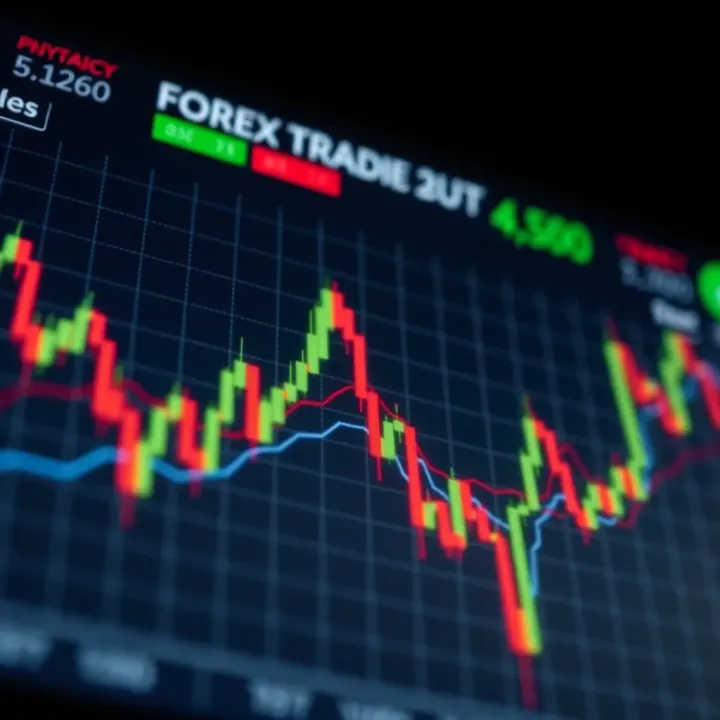
📈 Understand forex trading essentials for Nigerian investors 🇳🇬. Learn how global and local factors affect currency movements, spot trends, and avoid common market pitfalls.
Based on 11 reviews