
Forex Trading Insights for Nigerian Traders
📈 Understand forex trading essentials for Nigerian investors 🇳🇬. Learn how global and local factors affect currency movements, spot trends, and avoid common market pitfalls.
Edited By
Isabella Grant
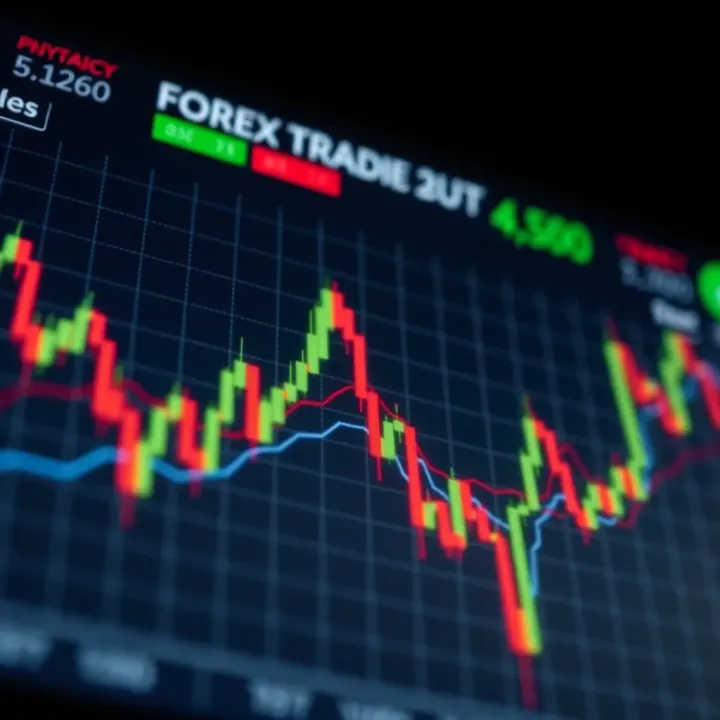
Forex trading in Nigeria continues to grow as more people seek to make returns from the foreign exchange market. One powerful tool traders rely on for better decision-making is the forex candlestick chart. Unlike simple line charts, candlestick patterns provide deeper insight into market behaviour and trader sentiment within specific timeframes.
A candlestick shows the open, high, low, and close prices for a currency pair over a selected period. The body of the candle represents the price range between open and close, while the shadows (or wicks) reveal the extremes. Colours—typically green for bullish (price rising) and red for bearish (price falling)—help traders quickly identify market direction.
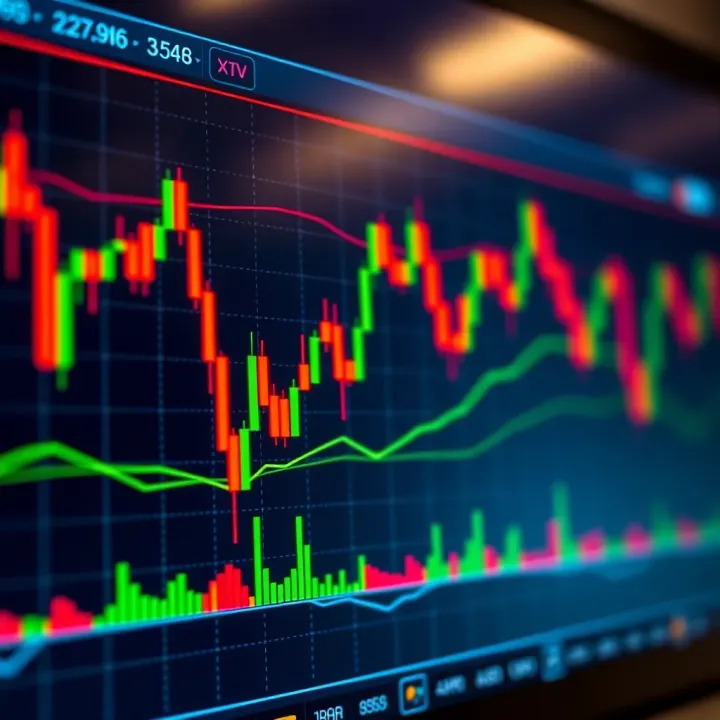
Understanding key candlestick patterns is crucial because they often signal potential price reversals or continuations. For instance, a hammer pattern, recognised by a small body with a long lower wick, suggests buyers are stepping in after sellers pushed prices down. Such signals help traders decide whether to enter or exit trades with more confidence.
Candlestick patterns come in different forms:
Single candle patterns: Examples include doji, hammer, and shooting star.
Double candle patterns: Such as engulfing, harami, and tweezer tops/bottoms.
Triple candle patterns: Like morning star, evening star, and three white soldiers.
Each pattern carries its own implication and reliability. Nigerian traders should always consider the broader market context, such as support and resistance levels, economic news, and overall trend, alongside these patterns. Blindly following candlestick signals without context can lead to poor trading outcomes.
Successful forex trading blends technical tools like candlestick patterns with sound judgment and risk management. Learning to spot reliable patterns sharpens entry and exit points, helping traders reduce guesswork.
In the next sections, we will break down these common candlestick patterns with real examples tailored for the Nigerian forex environment. You'll also get practical tips to recognise valid signals and avoid false alarms, no matter if you're using MT4, MT5, or local trading platforms.
This knowledge aims to sharpen your trading edge, turning you into a more confident and precise forex trader in Nigeria's vibrant financial market.
Understanding how forex candlestick charts function is key to making smarter trading decisions. Candlestick charts represent price movements over specific time frames, offering a detailed view of market sentiment. Unlike simple line charts, these charts capture the opening, closing, high, and low prices, giving traders a richer picture of how price fluctuates within each period. For instance, a trader looking to buy the EUR/USD pair at 1-hour intervals can use candlesticks to identify when buyers or sellers are in control, rather than relying solely on price closing trends.
The opening price marks where the market starts in a given period, while the closing price shows where it ends. These two points define the body of the candlestick and are fundamental in understanding market direction. For example, if the closing price is higher than the opening price, the candle is often hollow or green, indicating buying pressure. Conversely, a closing price lower than the opening price usually forms a filled or red candle, signalling selling pressure. Nigerian traders can observe these details to judge whether bulls or bears dominated a session, helping to anticipate the next move.
The highest and lowest prices reached during the period are shown by the shadows, or wicks, extending from the candlestick body. These extremes reveal market volatility and the strength of price moves. For example, a long upper shadow suggests sellers pushed the price down after a rally, possibly signalling resistance. Similarly, a long lower shadow might indicate buying interest after a dip, perhaps pointing to support. In the often-volatile Nigerian forex market, recognising these patterns can alert traders to potential reversals or continuations.
The candle body visually represents the range between the opening and closing prices, while the shadows indicate price movements beyond this range within the same period. A long body with short shadows typically reflects strong momentum in one direction. On the other hand, small bodies with long shadows can show indecision or a tug of war between buyers and sellers. For instance, during an ember months trading session, such signals can help Nigerian traders decide whether to hold their positions or take profit.
Candlestick charts are prized because they simplify complex price action into an easy-to-read format. They make spotting trends, reversals, and indecision clearer than many other chart forms. For example, during the NGX market open, traders can quickly see if buying interest is rising or if the bears are taking over, all from the shape of candlesticks. This visual clarity makes it easier to make timely decisions rather than relying solely on numerical data.
Compared to line or bar charts, candlestick charts display more information within a single unit of time. Line charts merely connect closing prices and miss intraday price swings, while bar charts show similar data but often appear less intuitive. Candlesticks combine both, allowing traders to grasp the psychology behind price action instantly. For Nigerian forex traders, this means reacting more confidently to market signals, especially during volatile periods affected by factors like fuel scarcity or sudden regulatory changes.
Analysing candlestick charts enables you to understand the story behind the numbers, offering an edge when navigating forex markets, particularly in Nigeria’s dynamic trading environment.
Single candlestick patterns form the foundation of forex price analysis. For Nigerian traders, recognising these basic signals helps spot potential market changes quickly without the need for complex setups. This section breaks down key individual formations that often signal indecision, trend shifts, or market strength.
A Doji candle appears when opening and closing prices are almost identical, creating a tiny or absent body with upper and lower shadows. There are different Doji types, such as the standard Doji, where the shadows are roughly equal, the Gravestone Doji with a long upper shadow, and the Dragonfly Doji featuring a long lower shadow. Each type captures a specific market psychology — for instance, a Gravestone Doji suggests strong selling pressure after buyers tried to push prices higher.
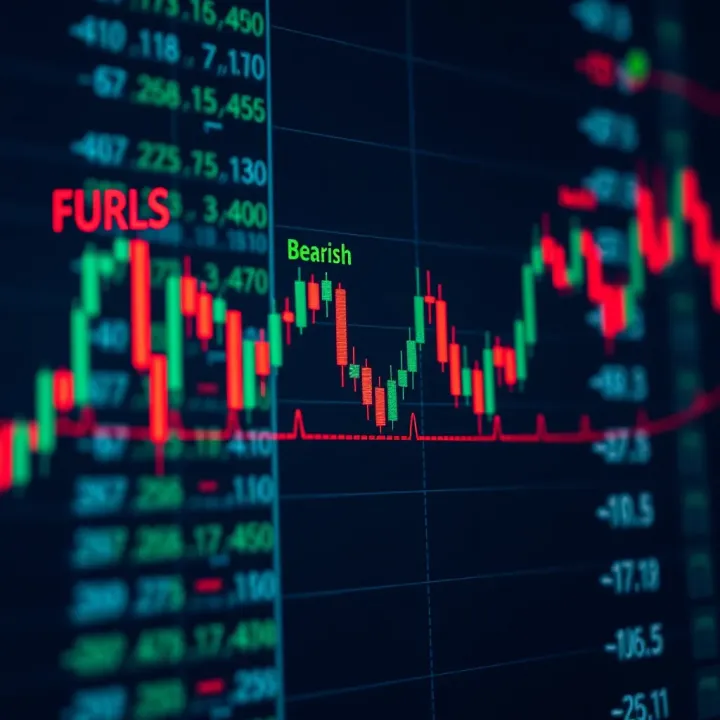
Doji candles often indicate market indecision. When they appear after a strong upward or downward move, they hint that momentum might be losing steam. Traders should watch for confirmation the following day to anticipate possible reversals or sideways consolidation. For example, if a Doji shows up on the daily chart of EUR/USD after a prolonged rally, it might signal cautious profit-taking by traders, urging you to prepare for potential dip or sideways trading.
Both the Hammer and Hanging Man have small bodies and long lower shadows, usually at least twice the size of the body, with little or no upper shadow. The Hammer appears after a downtrend and signals a possible reversal, while the Hanging Man shows in an uptrend, warning about a possible top. Identifying them involves spotting these shapes clearly on your candlestick charts — for instance, on MTN’s forex price charts during a downtrend, a Hammer’s appearance could mark a temporary price support.
Context matters here. A Hammer in a downtrend suggests buyers started pushing prices back before closing near the opening price, meaning bulls may be gaining strength. Conversely, a Hanging Man in an uptrend shows that despite a day’s rally, sellers challenged prices significantly. Traders need to combine these signals with volume or confirmation patterns to avoid false alarms—especially in volatile markets like the NGX forex segment.
The Shooting Star is a bearish reversal pattern found after an uptrend, defined by a small body at the lower end of the candle with a long upper wick. It illustrates failed attempts by buyers to maintain higher prices. The Inverted Hammer, appearing after a downtrend, has a similar shape but signals potential bullish reversal since buyers started testing prices higher.
For instance, if you spot a Shooting Star on USD/NGN daily charts during a rally, it warns traders to tighten stop-losses or consider short entries as sellers may take over. Likewise, the Inverted Hammer can indicate buying interest after a dip—like in oil-price influenced forex pairs affected by NNPCL announcements—offering traders a chance to join a reversal early with proper risk controls.
Single candlestick patterns might look simple but offer sharp clues about price action when interpreted correctly, especially in fast-moving markets like Nigerian forex. Keeping an eye out for Doji, Hammer, Hanging Man, Shooting Star, and Inverted Hammer can add real precision to your trading decisions.
Double candlestick patterns are a key tool in analysing forex price action. They provide more reliable signals compared to single candlesticks because they reflect interaction between two trading sessions, often indicating a potential shift in market sentiment. For Nigerian forex traders, recognising these patterns can sharpen entry and exit decisions, minimise guesswork, and improve timing.
Bullish vs Bearish Engulfing
A bullish engulfing occurs when a small bearish candle is followed by a larger bullish candle that completely covers or “engulfs” the previous one’s body. This pattern suggests buyers have taken control, signalling a possible upside reversal after a downtrend. Conversely, the bearish engulfing shows a small bullish candle followed by a larger bearish candle engulfing it, indicating sellers overpower the buyers and a potential downward shift.
For example, if the USD/NGN pair has been dropping steadily, spotting a bullish engulfing pattern at a strong support level like ₦460 might signal a bounce. Nigerian traders often watch these patterns closely around local market-moving events, such as Central Bank of Nigeria (CBN) policy announcements.
Reliability in Nigerian Forex Markets
Engulfing patterns tend to be quite reliable when combined with other analyses, such as trend lines or volume changes. Nigerian forex markets can be volatile, affected by factors like naira fluctuations, global oil prices, and political developments. In such a context, engulfing patterns are most trustworthy when they appear near known support or resistance zones rather than in isolated price swings.
Remember, these patterns are not fool-proof but provide valuable clues. Pairing engulfing pattern detection with Nigerian-specific market indicators, such as NSE trends or CBN policy rates, can enhance decision-making and reduce the risk of false signals.
Formation Details
The piercing line pattern happens during a downtrend when a bearish candle is followed by a bullish candle opening below the prior low but closing over half of the bearish candle's body. This suggests buyers are gaining strength, potentially marking a bullish reversal. The dark cloud cover is the opposite: during an uptrend, a bullish candle is followed by a bearish candle that opens above the previous high but closes well within the bullish candle's body, hinting at a bearish reversal.
These patterns reflect tug-of-war between buyers and sellers, providing early warnings about trend exhaustion. Nigerian traders can spot these formations on pairs like EUR/USD or GBP/USD while factoring in local events such as trade policy shifts or inflation reports.
Trading Strategies Around These Patterns
When you see a piercing line or dark cloud cover, consider confirming signals before making trades. Look at overall trend direction, volume increases, or momentum indicators like RSI. Placing stop-loss orders just below support (for bullish signals) or above resistance (for bearish ones) helps manage risk.
For instance, if a dark cloud cover appears on USD/JPY after a rally but the CBN has raised benchmark rates, the bearish clue may strengthen, inviting short positions. Alternatively, a piercing line near a major weekly support can offer traders a chance to enter long positions, especially if reinforced by good volume.
Double candlestick patterns like engulfing, piercing line, and dark cloud cover offer actionable insights, but Nigerian forex traders must always consider broader market dynamics and use proper risk controls to boost confidence and improve outcomes.
By mastering these patterns and applying them alongside local market context, traders can gain sharper perspectives and make smarter decisions in Nigeria’s active forex scene.
Triple candlestick formations offer deeper insights into market sentiment and potential trend shifts than single or double candlestick patterns. Traders often consider these formations as stronger signals because they reflect sustained momentum over three consecutive sessions. In the Nigerian forex market, recognising these patterns can help traders avoid fakeouts common during volatile periods such as ember months or forex naira fluctuations.
The Morning Star pattern is a bullish reversal signal, usually appearing after a downtrend. To spot it, first look for a long bearish candle indicating selling pressure. This is followed by a smaller-bodied candle—either bullish or bearish—that gaps down, reflecting market indecision. The third candle is a long bullish one that closes well within the first candle’s body, signalling buyers taking control. The Evening Star is the opposite, signalling a bearish reversal after an uptrend, starting with a strong bullish candle, followed by a small indecisive candle, and then a long bearish candle.
These patterns mark a potential shift in momentum. For instance, if the Morning Star appears on a forex pair like USD/NGN after a series of declining closes, it suggests the bulls are gaining steam to push prices up. This reversal often convinces traders to enter long positions, betting on a trend change. Conversely, an Evening Star signals sellers are entering the market strongly, warning traders to either close longs or consider shorts. In practice, these patterns serve as a clear indication for traders to reassess their position, especially when backed up by other indicators like RSI or volume.
The Three White Soldiers pattern consists of three consecutive long bullish candles, each with a higher close and minimal or no shadows. It depicts steady buying interest over three trading periods, often after a downtrend or consolidation. The counterpart, Three Black Crows, features three successive bearish candles with progressively lower closes and small upper shadows. This pattern signals persistent selling pressure.
Traders use these formations to confirm strong and lasting trend momentum. If you see Three White Soldiers forming on pairs like EUR/USD or GBP/USD against the backdrop of a breakout, it suggests robust buying that may continue for several days. Similarly, Three Black Crows confirm the likely start of a bearish run. However, traders must watch out for volume confirmation; without sufficient volume, these patterns could fizzle out. Integrating these signals with trendlines, moving averages, or even fundamental news can make trading decisions more reliable.
Triple candlestick patterns hold weight because they capture sustained sentiment shifts. Nigerian forex traders who master recognising these can improve timing and confidence in entering or exiting trades wisely.
Understanding these triple formations alongside market context reduces the risk of chasing false moves, a common pitfall on NSE or NGX-listed forex stocks during volatile trading sessions.
In the Nigerian forex market, applying candlestick patterns effectively requires more than just recognising shapes on the chart. Context, confirmation, and risk control make the difference between guessing and informed decisions. These tips focus on blending candlestick insights with other tools used by Nigerian traders to improve reliability and protect capital.
Candlestick patterns rarely tell the whole story without considering the bigger market environment. For instance, a bullish engulfing pattern during a strong downtrend might simply be a short pause rather than a trend reversal. Nigerian traders should assess if the overall trend aligns with the pattern's signal to avoid jumping on false hopes. This means looking at moving averages, trendlines, or recent high and low points to confirm the general direction.
False signals are common when relying solely on candlesticks. Nigerian forex markets, known for occasional spikes and volatility due to news or local factors, can throw misleading patterns. To counter this, traders should wait for confirmation, such as a candle close beyond a key level or corroborating indicators like RSI or MACD. Ignoring these checks often leads to entering trades that quickly reverse against the trader.
Volume shows the strength or weakness behind price moves. In Nigeria’s forex scene, which is heavily influenced by retail traders, high volume confirming a pattern reinforces its credibility. Low volume during a pattern formation raises caution. For example, a hammer formed on thin volume might not have the same impact as one with a significant spike in trade activity.
Consider how candlestick patterns played out during notable events with MTN Nigeria’s stock or naira exchange rate fluctuations. When MTN’s shares showed a bullish harami pattern with increased volume after a regulatory scare, traders took it as a sign of recovery. Similarly, naira volatility near oil price changes can be tracked with volume-based indicators to pinpoint entry or exit points. NGX indices sometimes reveal clearer trends when volume confirms candlestick reversals, helping investors time their trades better.
Even the strongest patterns can fail, especially under unexpected market shifts. Nigerian traders should place stop-loss orders just beyond the pattern’s critical price points to limit losses. For instance, after identifying a shooting star pattern, setting a stop-loss slightly above the candle’s high keeps risk manageable if the reversal doesn’t hold.
Adjusting the size of trades based on confidence in the pattern and overall market conditions safeguards capital. In unstable periods – say during ember months with usual higher volatility – it pays to reduce position size even if patterns appear promising. Conversely, during stable trends confirmed by multiple indicators, traders might increase exposure but always within a disciplined risk framework.
Solid risk management and combined analysis help Nigerian traders convert candlestick patterns from mere shapes into practical trading signals with real potential for profit.
📈 Understand forex trading essentials for Nigerian investors 🇳🇬. Learn how global and local factors affect currency movements, spot trends, and avoid common market pitfalls.

🤑 Want to trade forex in Nigeria? Learn how exchange rates affect profits, discover major currency pairs, manage risks, and pick the right platforms tailored for Naija traders.

Discover how forex trading robots (Expert Advisors) can help Nigerian traders automate deals, manage risks, and boost profits in the ₦naira forex market 📉🤖
📈 Master forex trading with strategies tailored for Nigerian traders! Learn practical tips, risk management, and tech tools to boost your ₦ returns safely and smartly.
Based on 7 reviews