
Learn Forex Trading in Nigeria: A Practical Guide
Learn forex trading from scratch with practical steps, trusted Nigerian platforms, and smart risk management. Start your trading journey and grow your ₦ wallet! 📈🇳🇬
Edited By
Emily Carter
Forex trading has gained traction among Nigerian traders seeking alternative income streams and investment opportunities beyond traditional options like stocks or real estate. With the forex market clocking over $6 trillion in daily turnover globally, Nigeria’s growing internet penetration and fintech innovations provide ample opening for local participation.
At its core, forex trading involves buying one currency while simultaneously selling another, aiming to profit from changes in exchange rates. For example, a trader may buy the US dollar against the Nigerian naira (USD/NGN) if they expect the dollar to strengthen.
Starting forex trading requires grasping several key concepts:
Currency pairs: These show which two currencies are traded, such as EUR/USD or GBP/NGN.
Pips: The smallest price move in a currency pair, usually the fourth decimal place (e.g., 0.0001).
Leverage: A tool to control larger trade sizes with smaller capital but with increased risk.
Spread: The difference between buying and selling prices — a cost to traders.
For Nigerian traders, understanding the impact of local market factors like central bank policies, naira volatility, and foreign exchange controls is equally vital. Nigerian traders face unique conditions such as intermittent access to stable FX rates and the prevalence of official and parallel market quotations.
Success in forex trading hinges less on guesswork and more on clear strategy, disciplined risk management, and continuous learning.
Before venturing in, you should:
Study reliable forex trading PDFs and Nigerian-focused tutorials from trusted sources to build solid basics.
Open demo accounts with reputable brokers recognised by Nigerian regulatory bodies to practice without risking real funds.
Set realistic profit targets and loss limits to protect capital, especially given forex’s rapid price movements.
Besides financial gain, forex trading educates about global economics, interest rates, and geopolitical events—knowledge essential for analysing price action.
By taking measured steps and staying informed, Nigerian traders can develop methods tailored to local realities while accessing the vast opportunities forex trading offers worldwide.
Grasping the basics of forex trading is essential before putting in real money. Without a clear understanding, many traders fall into avoidable errors that drain their capital. This section lays the foundation for Nigerian traders by simplifying how forex—the global currency market—works and why certain currencies matter more than others.
The foreign exchange market, or forex, is where currencies from different countries are bought and sold. It’s actually the largest financial market worldwide, with an average daily turnover exceeding US$6 trillion. For Nigerian traders, forex offers access to global trade flows and economic events beyond local markets, allowing you to trade pairs like the US dollar against the euro or the Nigerian naira against the British pound.
Understanding the foreign exchange market helps you see the bigger picture—exchange rates fluctuate constantly due to supply and demand, central bank policies, and geopolitical news. For example, if the United States hikes interest rates, the US dollar may strengthen, affecting pairs like USD/NGN.
Within the forex market, a handful of currencies dominate trading volume and liquidity. These include the US dollar (USD), euro (EUR), Japanese yen (JPY), British pound (GBP), Swiss franc (CHF), Canadian dollar (CAD), and Australian dollar (AUD). These major pairs, such as EUR/USD, USD/JPY, and GBP/USD, are highly liquid, meaning trades execute faster with tighter gaps between buying and selling prices (spreads).
For Nigerian traders, focusing on major pairs improves your chances of finding better prices and more reliable information. While pairs involving the naira (NGN) exist, they are less liquid and can have higher spreads, increasing trading costs. Suppose you’re trading USD/NGN; unexpected local policy changes or naira volatility can suddenly widen the spread or cause price gaps.
Forex trading is a 24-hour market, divided into major sessions based on global financial hubs: Sydney, Tokyo, London, and New York. Nigerian traders must adjust their activities according to these meetings. The London session, starting around 8 am WAT (West Africa Time), is particularly important because it overlaps with New York’s afternoon session and the end of the Tokyo session. This overlap produces the highest trading volumes and volatility.
Traders in Nigeria often find the London and New York sessions most suitable for trading because of better market activity and tighter spreads. For instance, if you wake up at 7 am to catch the London open, you’re positioned to exploit movements in major pairs like GBP/USD or EUR/USD.
Liquidity is key in forex, referring to how easily assets can be bought or sold without affecting the price much. During peak market hours—when two or more sessions overlap—liquidity is at its highest, and trading costs are lower. Outside these times, spreads widen, and price movements may be sluggish or erratic.
As an example, during the early hours before the London session opens, markets can be quite thin, making it risky to enter large trades because prices might jump suddenly. To avoid this, many Nigerian traders prefer to focus on times between 8 am and 4 pm WAT, when global activity is at its peak.
Remember: Understanding when the market is most active helps you plan trades better and manage risks more effectively.
In summary, having a solid grasp of the foreign exchange market, major currency pairs, and daily trading rhythms is vital for any Nigerian trader ready to engage the forex scene confidently. This knowledge not only helps you choose when and what to trade but also sets the stage for developing effective trading strategies later on.
Understanding key forex trading terms is essential for any trader aiming to navigate the currency markets confidently. These terms aren't just jargon; they're the foundation on which successful trading strategies are built. Knowing them helps you interpret market data correctly and make smarter decisions with your money.
Pips, lots, and leverage form the backbone of forex trading calculations. A "pip" is the smallest unit of price movement in a currency pair, typically 0.0001 for most pairs. For example, if USD/NGN moves from 460.00 to 460.10, that’s a 10-pip change. Understanding pips allows you to measure profits or losses accurately. "Lots" refer to the size of your trade. One standard lot equals 100,000 units of the base currency. Trading smaller sizes like mini lots (10,000 units) or micro lots (1,000 units) is common for beginners to manage risk better.
Leverage lets you control larger positions with a smaller amount of your own money. In Nigeria, brokers often offer leverage up to 1:100 or more. This means with ₦10,000, you could control ₦1,000,000 in the market. While this amplifies profits, it also increases risk—losses can exceed your initial deposit if you’re not careful, so managing leverage is critical.
Bid, ask, and spread are basic but vital concepts for understanding how trades execute. The "bid" price is what buyers are willing to pay for a currency, while the "ask" price is what sellers want. The spread is the difference between these two prices — that’s essentially your cost to enter a trade. If the USD/NGN bid is 460.00 and the ask is 460.05, the spread is 5 pips. Brokers with tighter spreads make trading cheaper, which adds up, especially if you trade frequently.
There are different ways to enter the forex market: market orders and pending orders. A market order executes your trade immediately at the current market price. This is useful when you want to jump into action without delay, say when a significant news release spikes volatility. Pending orders, on the other hand, let you set specific prices to buy or sell later. For instance, if you expect USD/NGN to rise but only want to buy when it hits 470.00, you can place a pending buy order at that level.
Stop loss and take profit orders help protect your capital and lock in gains automatically. A stop loss instructs your broker to close your trade if the price moves against you by a certain amount. This limits potential losses. For example, if you buy USD/NGN at 460.00 and set a stop loss at 455.00, the trade will close if the pair drops 500 pips, preventing deeper losses. Take profit works similarly but closes the trade once your target profit is reached. Using these orders reduces emotional trading and ensures you stick to your risk management plan.
Mastering these key terms makes a real difference. They are the tools that help you avoid common blunders and trade with greater confidence in the Nigerian forex market.
Starting forex trading without a clear, stepwise plan is like setting out on a trip without a map—it often leads to costly mistakes. This section lays out the essential steps Nigerian traders must take before real money enters the market. From picking a suitable broker to funding your account, each stage demands careful attention because the right choices here build your trading foundation.
A regulated broker offers Nigerian traders peace of mind, especially since forex markets can be risky. Brokers recognised by regulatory bodies such as the Nigeria Securities and Exchange Commission (SEC) or international firms with transparent licensing help protect your funds. For example, brokers who keep client money in segregated accounts reduce the chances of misuse. Without regulation, you risk dealing with fraudulent platforms, which have exploited many unsuspecting traders over the years.
Choosing a broker also means looking at the platforms they provide. MT4 and MT5 remain popular in Nigeria due to their reliability and range of tools. These platforms give you access to price charts, technical indicators, and automated trading features that help you analyse the markets seriously. A good platform must work smoothly on desktop and mobile to suit Nigeria's internet conditions, where power outages sometimes limit device usability. Features like one-click trading, risk management tools, and quick order execution can make the difference between profit and loss.
Before trading with real naira, opening a demo account allows you to practise without risking money. Demo accounts let you experience live market prices using virtual funds, which means you can test strategies, get familiar with market behaviour, and learn how to place orders. This trial period builds confidence while you discover what works best for you without the stress of losing real cash.
While demo accounts are valuable, they won’t perfectly mimic live trading conditions. The emotional pressure of handling actual money is missing, and sometimes execution speeds or spreads differ. For instances, liquidity might be tighter in real markets during volatile periods, not reflected on demo platforms. Recognising these limits helps you transition more smoothly to live trading, adjusting your expectations accordingly.
Funding your account should be straightforward and efficient. Nigerian traders often use bank transfers, USSD codes, or payment platforms like Paystack, Flutterwave, and OPay for deposits. E-wallet options such as Neteller and Skrill are increasingly accessible. Choosing funding methods with quick processing times and minimal fuss helps you enter the market fast, especially when timing matters.
Funding your forex account involves foreign currency exchanges, usually into US dollars or euros, which can eat into your trading capital. Be mindful of conversion rates and hidden charges from banks or payment services. For example, using dollar-linked cards sometimes lowers costs. Also, compare brokers' accepted deposit currencies and withdrawal fees to avoid avoidable deductions. Over time, managing these costs protects your returns and keeps your trading more profitable.
Taking these structured steps ensures you're not jumping into forex trading blind. A careful start builds a stronger footing for Nigerian traders, cutting out guesswork and limiting losses before they happen.
Developing a solid forex trading strategy is essential for Nigerian traders aiming to succeed in the volatile currency market. A well-crafted plan not only guides trading decisions but also helps manage risks and improves consistency. Nigerian traders who rely solely on gut feelings or hear-say often find themselves with erratic results or heavy losses. Therefore, understanding the key elements of effective strategies—fundamental analysis, technical analysis, and risk management—is critical.
Economic indicators provide valuable clues about currency movements. For instance, when Nigeria's inflation rate spikes or the Central Bank of Nigeria (CBN) adjusts interest rates, these events influence the naira's strength against other currencies. Traders who monitor GDP growth, unemployment figures, and inflation gain insight into whether the currency is likely to strengthen or weaken. For example, a rise in oil prices can boost Nigeria's export revenue, typically strengthening the naira, while adverse inflation figures may signal depreciation.
Besides numbers, tracking news and geopolitical events is equally important. Political stability or unrest, trade agreements, and elections in major economies like the USA or the Eurozone can shift forex markets quickly. A Nigerian trader aware that Nigeria’s political climate is calm while the US Federal Reserve signals rate hikes can better anticipate USD/NGN movements. News events act like a weather forecast for traders – being ahead helps avoid nasty surprises.
Charts and technical indicators form the backbone of identifying entry and exit points in forex trading. Candle charts, moving averages, and oscillators like the Relative Strength Index (RSI) help traders spot trends and momentum. For example, if the EUR/USD chart shows a consistent upward movement crossing a moving average, it could suggest a buying opportunity. Using these tools, Nigerian traders can translate raw price data into actionable signals rather than guessing.
Support and resistance levels mark price points where currencies tend to stall or reverse. By spotting these zones, traders can plan when to buy or sell. Suppose the USD/NGN rate struggles to rise above ₦460 but finds strong support around ₦455. In that case, a trader might buy at ₦455 and sell near ₦460, minimising risk while locking profits. Recognising these patterns helps avoid getting caught in price swings without a clear plan.
Setting stop-loss limits protects your capital by automatically closing trades if the market moves against you beyond a set level. This prevents small losses from snowballing into significant financial damage. For instance, a Nigerian trader entering a USD/NGN trade at ₦458 might set a stop-loss at ₦454 to cap potential loss at ₦4 per dollar. Without this, unexpected market shifts could wipe out gains or more.
Position sizing and managing leverage are equally vital. Leverage amplifies both profits and losses, so using it wisely prevents ruin. A beginner should start with small positions, risking only a tiny fraction of their total trading capital per trade — say 1-2% —instead of overexposing themselves. For example, if you have ₦100,000 in your account, risking ₦1,000 per trade limits damage and helps you stay in the game longer.
Effective forex trading is not about quick wins but building a strategy that offers consistent, disciplined gains while protecting your funds against the inevitable market swings.
Having a practical strategy combining fundamental insight, technical reading, and solid risk control forms the foundation for any Nigerian trader serious about forex. With these tools, you can approach trading with more confidence and less guesswork.
Accessing reliable learning materials is essential for anyone serious about forex trading. Quality resources help traders avoid costly mistakes and build a clear understanding of market dynamics, especially for Nigerians who face unique challenges such as exchange rate volatility and regulatory changes. Practical guides, well-curated PDFs, and trusted local content allow traders to learn at their own pace and apply knowledge effectively.
Local courses and webinars play a significant role in forex education within Nigeria. Institutions and trading experts often organise sessions that address the specific hurdles Nigerian traders face, such as managing naira fluctuations and local regulatory environments. These courses provide hands-on demonstrations and real-life case studies, making them more relevant than generic online classes. Often, firms like the Nigerian Stock Exchange (NGX) or fintech companies also host webinars to update traders on market trends.
Alongside formal courses, recommended Nigerian forex communities offer invaluable peer learning and support. Groups on platforms like Telegram, WhatsApp, and dedicated forums enable traders to exchange insights, share market signals, and discuss strategies tailored to Nigerian realities. However, joining communities with verified reputations is key to avoiding misinformation and scam schemes common in social trading circles.
Numerous online libraries and educational sites offer free or affordable PDFs curated for forex learners. For Nigerian traders, choosing resources aligned with local market conditions enhances relevance. For example, Nigerian educational portals and financial blogs sometimes publish step-by-step tutorials on forex basics and intermediate trading techniques. Utilizing these lets traders access well-structured knowledge anytime without internet reliance.
Knowing how to verify credibility and avoid scams is critical given the flood of unreliable content online. Trusted PDFs usually come from established financial educators, recognized brokers regulated by Nigeria’s Securities and Exchange Commission (SEC Nigeria), or respected platforms like the Central Bank of Nigeria (CBN). Red flags include promises of guaranteed returns, suspicious download sites, and materials requiring upfront fees without clear support or reviews.
Using mobile apps for practising forex trades offers a practical dimension to learning. Apps like MetaTrader 4 or 5, which many Nigerian brokers support, allow both demo and live accounts to track price movements and test strategies risk-free. Practising on mobile helps traders familiarise themselves with quick decision-making and order execution in real-time conditions.
Furthermore, news apps and economic calendars are must-haves for staying updated on global events impacting currencies. Apps from Bloomberg, Reuters, and Nigerian financial news outlets, combined with economic calendars showing events such as CBN monetary policy announcements and US Federal Reserve decisions, guide traders in anticipating market moves. Regularly monitoring these sources sharpens fundamental analysis skills and keeps traders alert to market-changing developments.
Well-chosen learning resources and tools build confidence, reduce errors, and equip Nigerian traders to navigate forex markets more strategically.
Learn forex trading from scratch with practical steps, trusted Nigerian platforms, and smart risk management. Start your trading journey and grow your ₦ wallet! 📈🇳🇬
Master forex trading in Nigeria with this step-by-step guide 📈 Learn market basics, pick trusted brokers, manage risks smartly, and trade with confidence in ₦.
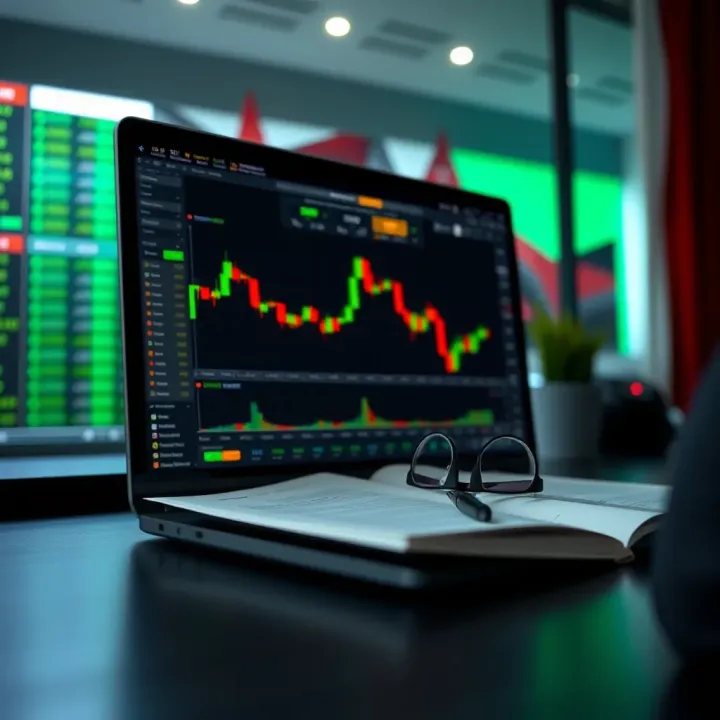
📚 Learn forex trading easily with trusted PDFs tailored for Nigerians. Get practical tips on basics, risk management & using Nigerian platforms to trade confidently at low cost.
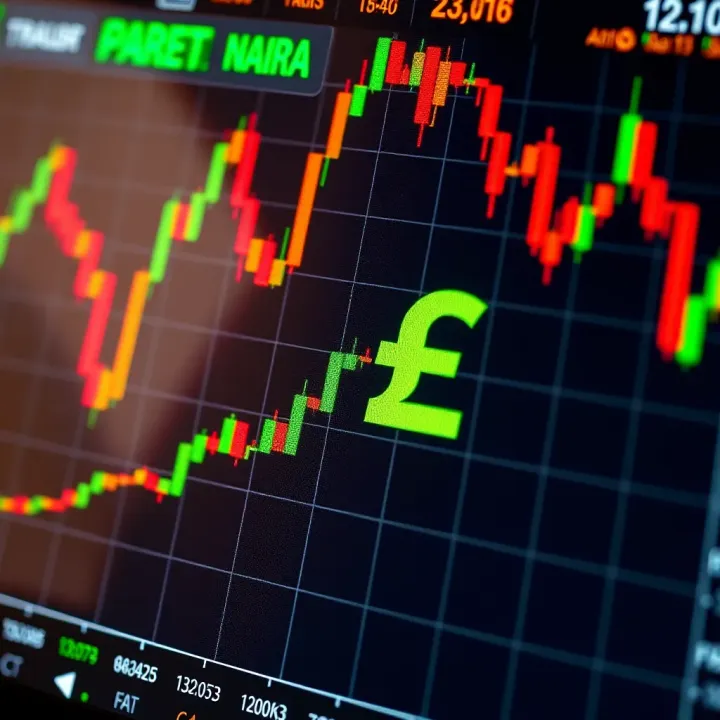
📈 Learn practical forex trading steps tailored for Nigerian traders 🇳🇬. Master strategies, manage risks, and navigate the market to grow your ₦-wallet confidently.
Based on 5 reviews