
How to Choose the Best Forex Trading Platform in Nigeria
Discover how to choose the best forex trading platform in Nigeria 🇳🇬. Learn about key features, regulations, top local platforms, and smart tips for safer trading.
Edited By
Sophie Mitchell
Forex trading has gained serious attention among Nigerians looking to grow their income or diversify investment portfolios. But stepping into this market without a clear plan can quickly drain your wallet. Learning forex trading effectively means understanding what drives currency movements, how brokers operate within Nigeria, and how to manage risks like naira volatility.
Start by getting familiar with the basics. Forex, or foreign exchange, involves buying one currency while selling another simultaneously. For example, trading USD/NGN means you're exchanging US dollars against the Nigerian naira, betting on which currency’s value will rise or fall. This market runs 24 hours on weekdays, a feature that appeals to busy Nigerians juggling multiple income streams.
Before opening any live account, practise with demo accounts offered by legitimate platforms. This allows you to test trading strategies without risking real naira.
Knowing where to learn counts too. There are Nigerian-focused online courses, webinars, and financial blogs that explain forex fundamentals with local context, such as the influence of CBN policies on currency. YouTube channels like "Naira Trading School" and forums like Nairaland's forex section provide practical clues and community support.
Some key steps to begin:
Choose a registered broker with access to the Nigerian market.
Open a demo trading account to experiment with real-time data.
Study trading charts, learn how to read candlestick patterns.
Develop a trading plan that clearly defines your risk limits.
Use trusted Nigerian payment options (like bank transfer or USSD) to fund your accounts.
Staying updated on geopolitical events, naira fluctuations, and economic reports from the National Bureau of Statistics directly impacts your trade decisions. It also helps to connect with local forex traders through seminars or social media groups.
To avoid costly mistakes, remember that forex trading is not a get-rich-quick scheme. Success comes through deliberate learning, disciplined practice, and constant improvement. By building a solid foundation with trusted information tailored to the Nigerian market, your trading journey can be more confident and rewarding.
This guide will walk you through practical tips, real brands, and risk controls that suit Nigeria’s forex scene, helping you grow your naira wallet smartly and safely.
Understanding forex trading matters because it forms the backbone of your success in this venture. Knowing how forex works, who participates, and why it attracts Nigerians provides a solid foundation before any money changes hands. Without this clarity, it's easy to fall into traps or make decisions based on hearsay rather than facts.
At its core, forex trading is the buying and selling of currencies against one another. The foreign exchange market is where currencies from all over the world are exchanged. For instance, when a trader expects the US dollar to strengthen relative to the euro, they might buy USD and sell EUR. This market runs 24 hours on weekdays, making it accessible any time, including during Nigerian market hours.
The practical relevance here is that forex trading is a global market unaffected by the traditional stock exchange hours. If you consider Nigeria's power outages or unstable internet, knowing that you can trade when conditions allow gives an edge.
Currency pairs are central to how forex works. They represent the price of one currency in terms of another. For example, the pair USD/NGN shows how many Nigerian Naira it takes to buy one US dollar. If the rate moves from ₦415 to ₦420, it means the naira has weakened, which affects importers and exporters directly.
Understanding these pairs helps you spot opportunities. Say you predict the naira will weaken further due to economic policy changes; buying USD/NGN before that happens can yield profit when you sell back.
Key players in the forex market include central banks, commercial banks, financial institutions, hedge funds, corporations, and retail traders like you. The Central Bank of Nigeria (CBN) often intervenes to stabilise the naira, impacting price and volume in the forex market.
Knowing these players helps you appreciate that the market is not just a playground for individual traders but is also shaped by big money and policy decisions. This awareness can prevent frustration when sudden shifts happen.
Naira's volatility in recent years has made forex attractive as a way to protect and grow savings. When naira weakens against hard currencies like the US dollar or euro, traders can capitalise on rate differences. For example, a trader who bought dollars when the rate was ₦380 and sold at ₦415 gained substantial profit.
Another reason is accessibility. Compared to buying property or stocks, forex trading requires a relatively small initial capital—sometimes as low as ₦50,000. Plus, with smartphones and apps like OPay or MTN Mobile Money, Nigerians can easily open and fund accounts.
That said, the Nigerian market poses unique challenges. Notably, unreliable power supply can disrupt trading sessions. Also, some brokers are unregulated, increasing the risk of fraud. Aside from infrastructural challenges, knowing the impact of CBN’s sometimes sudden foreign exchange policies can help you adjust your strategies.
While forex offers exciting opportunities, it demands continuous learning and cautious approach, especially in Nigeria's distinctive financial environment.
By grasping these basics and local factors, you prepare yourself to trade responsibly and seize real opportunities in the forex market.
Starting forex trading without a solid foundation is like trying to build a house on sand—it might stand for a while, but it won’t last long. For Nigerians stepping into forex, laying down the right groundwork helps avoid costly mistakes and builds confidence. This stage focuses on acquiring quality knowledge and practising skills without risking real money.
Recommended online courses and tutorials help beginners grasp forex trading basics in an organised way. These courses often break down complex topics like currency pairs, leverage, and chart analysis into bite-sized lessons. For example, platforms like Babypips offer free structured tutorials that are widely trusted worldwide, which Nigerian beginners can complement with local context from Nigerian teaching sites. Practical exercises integrated into these courses allow you to apply concepts right away.
Books and written materials with practical insights remain invaluable for deepening understanding. Unlike fast-paced videos, books let you study at your own pace and revisit concepts whenever needed. Titles such as "Currency Trading for Dummies" or "Forex Patterns and Probabilities" provide practical strategies and examples. For a Nigerian trader, couple this with analysis of Nigeria’s economic climate, such materials build a strong mental framework for trading decisions.
Following credible Nigerian forex educators and platforms is essential to stay connected with realities in the local market. Social media handles or YouTube channels of experienced Nigerian traders like Solomon Jones or Boaz Balle enrich your knowledge with first-hand experiences and advice tailored to challenges like naira volatility and CBN policies. They also spotlight scams to avoid, which is key given Nigeria’s crowded online forex space.
Choosing a reputable broker offering demo accounts is your next practical step. Demo accounts let you trade with virtual money, mimicking real market conditions without risking your naira. Pick brokers registered with Nigerian regulators or international bodies for safety. For instance, brokers like Alpari or FXTM are well-known for user-friendly demo platforms.
The benefit of practising with virtual money lies in testing strategies and understanding emotional discipline without financial pressure. You can experience how trades behave under different market events, learn to set stop-loss orders, and measure your reaction to market swings. This builds discipline, which is critical before committing real funds.
Beware of common mistakes to avoid during practice: using unrealistic trade sizes, ignoring trading plans, or rushing in without reviewing outcomes. Many traders treat demo accounts too casually, missing the chance to develop consistent strategies. Treat your demo trades as if real, recording your decisions and analysing losses and profits to improve step-by-step.
Starting forex trading well calls for choosing trusted learning tools and practising smartly. In Nigeria’s forex landscape, combining reliable resources with hands-on demo trading is the best way to build solid, sustainable skills.
Choosing the right forex broker and setting up a trading account are important steps for Nigerians interested in forex trading. A broker acts as the bridge between you and the currency markets, so making an informed choice reduces risks and improves your trading experience. Similarly, understanding account requirements and the funding process ensures smooth access to your trading capital.
Selecting a regulated broker is key to safeguarding your funds and ensuring fair trading practices. In Nigeria, the Securities and Exchange Commission (SEC) oversees many investment firms, but not all forex brokers fall under its jurisdiction. Check if the broker is regulated by reputable global bodies like the Financial Conduct Authority (FCA) or Australian Securities and Investments Commission (ASIC). This regulation implies the broker must follow strict rules, like segregating client funds and offering dispute resolution mechanisms.
For example, a trader who uses an unregulated broker risks losing funds if the broker suddenly disappears. Trusted brokers with proper licences often publish proof of audits and keep client funds separate from company money. This transparency builds confidence, especially for Nigerians trading in volatile markets.
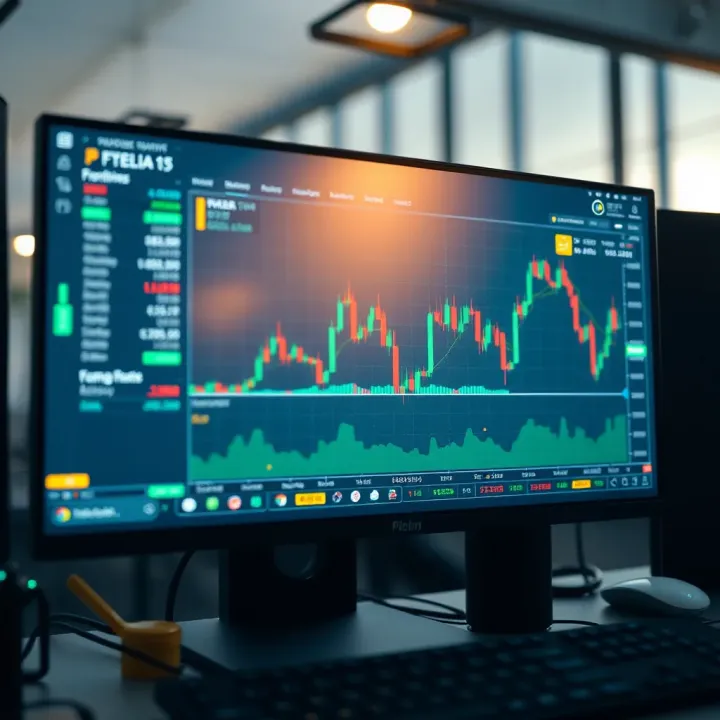
User-friendly platforms with reliable performance matter because they let you execute trades quickly and follow market changes. Many brokers offer popular platforms like MetaTrader 4 (MT4), MetaTrader 5 (MT5), or proprietary apps tailored for smartphones and desktops.
Good platforms provide clear charts, technical indicators, and easy order execution. For Nigerians dealing with intermittent internet issues, lightweight and mobile-optimised apps improve your chances of staying connected. For instance, OANDA and FXTM offer platforms with detailed charts and mobile apps that work well even with moderate network speeds.
Choosing a broker with intuitive interfaces reduces the learning curve and helps you respond faster to price moves, which can make a big difference to your profits.
The charges you pay influence your profitability. Brokers usually earn from spreads—the difference between the buying and selling price—and sometimes commissions per trade.
In Nigeria, some brokers advertise zero commissions but have wider spreads. Others offer tighter spreads but may charge a small fixed commission. You need to weigh which model suits your trading style. For scalpers or day traders making many trades daily, even small savings on fees matter.
Also, watch for hidden fees like withdrawal charges or inactivity fees. For example, broker A might charge a fixed ₦500 per withdrawal, while broker B’s fees depend on the payment method. Ensure the broker’s cost structure aligns with your trading plan.
Due to Nigerian regulatory guidelines and anti-money laundering rules, brokers require verification documents before you can trade. Typically, you’ll need a valid National Identification Number (NIN) and Bank Verification Number (BVN) for proof of identity and to link your trading account with your bank.
This verification protects you and the broker from fraud and unauthorized transactions. Some brokers might also ask for a recent utility bill to confirm your address. Completing this step upfront avoids delays when you want to fund or withdraw from your account.
Funding your trading account should be convenient and cost-effective. Look for brokers that accept local Nigerian payment methods such as bank transfers via local banks (GTBank, Zenith, First Bank), USSD payments, or payment gateways like Paystack and Flutterwave.
Avoid brokers that insist on foreign wire transfers only, as these can incur high fees and take several days to process. For example, using a local bank transfer can credit your account within hours at a minimal cost.
Having multiple funding options makes topping up your trading wallet easier, especially in cases of emergency when you need to act fast in the market.
Your funds' safety is paramount, especially in an environment with rising cybercrime. Always trade with brokers who use SSL encryption for their websites, two-factor authentication (2FA), and secure withdrawal procedures.
Confirm if your broker’s platform offers account activity logs and alerts for suspicious logins. For instance, receiving notifications for login attempts from unusual locations lets you act fast to prevent breaches.
Besides, consider brokers who provide negative balance protection, ensuring you don’t lose more than your deposited capital during volatile market swings.
Choosing a trustworthy broker and understanding local account opening procedures help protect your investment and set a solid foundation for successful forex trading in Nigeria.
By paying attention to these factors—regulation, platform usability, cost, verification, funding, and security—you ensure a smooth start and avoid common pitfalls faced by new Nigerian traders.
In forex trading, practising smart means more than just making trades; it’s about being deliberate in building your skills while protecting your capital. For Nigerian traders, where currency volatility and market unpredictability are common, having a clear strategy pays off. Without a solid plan and risk control, you easily fall victim to losses, especially when market swings are sharp or sudden.
A trading plan starts with defining what you want to achieve. This could be earning a fixed monthly amount or mastering certain trading techniques. Setting a timeframe, like three months or six months, helps you track progress and adjust your approach. For example, if your goal is to grow your account by 10% in six months, seeing steady progress keeps you focused and prevents impulsive decisions.
Forex trading styles vary widely—from scalping (quick trades in minutes) to swing trading (holding positions for days). Pick one that fits your daily routine. If you work a full-time job or attend school, scalping might be too demanding. On the other hand, swing trading allows some flexibility but requires patience. A trader in Lagos juggling a 9-to-5 could find swing trading more practical than sitting in front of the screen all day.
Technical analysis involves reading charts and indicators to spot patterns, while fundamental analysis considers economic data like Central Bank policies or inflation rates. Start with simple tools: moving averages or support and resistance levels can guide your trade entries. Also, following CBN announcements or global economic news like US interest rate decisions helps anticipate market moves. Combining both approaches improves your chances of making informed trades.
Stop-loss orders are your safety net. They close trades automatically once losses hit your set limit, preventing runaway losses. Take-profit orders lock in gains by closing positions when targets are reached. For example, setting a stop-loss at 2% below your entry price and take-profit at 4% above manages risk while aiming for reasonable returns. It’s wise to stick to these limits strictly, even when emotions run high.
Leverage lets you control larger trade sizes with a smaller capital outlay, but it can be a double-edged sword. While 1:100 leverage might sound attractive, it also amplifies losses. Nigerian brokers offer various leverage ratios, but using high leverage without experience often leads to wiping out accounts fast. Be sure you fully grasp how margin calls work and only use leverage levels that feel comfortable.
Overtrading happens when traders make too many trades in a short time, often to recover losses or chase profits. This behaviour usually drains funds and causes stress. Instead, quality matters more than quantity—wait for high-confidence setups rather than forcing trades. For instance, if market signals aren’t clear, it’s better to stay on the sidelines than risk reckless losses.
Practising smart is about discipline, patience, and control. Nigerian traders who develop solid trading plans and respect risk management rules are more likely to grow their capital steadily rather than gamble away their funds.
By integrating these elements, you build trading skills that last and avoid costly mistakes common in forex markets. Always remember: your best trade is a well-planned and carefully managed one.
Forex trading is dynamic—what works today may fail tomorrow if you don’t keep up with changes. Continuing to learn and staying updated on market moves is essential for Nigerian traders seeking to protect their investments and spot new opportunities. This involves tracking both local economic policies and global events that influence currency values.
The Central Bank of Nigeria (CBN) sets many rules that directly impact forex trading. For instance, changes in the monetary policy rate influence the naira's strength against other currencies. If the CBN raises interest rates to curb inflation, it often strengthens the naira, but might reduce market liquidity. Traders who understand these shifts can adjust strategies quickly, avoiding losses when policies tighten or capitalising when conditions loosen.
Additionally, CBN's foreign exchange interventions, such as managing supply via the official market or introducing restrictions, can create big swings. For example, past currency restriction policies compelled many traders to rely on parallel markets, which offer different rates. Keeping tabs on CBN announcements helps traders anticipate volatility unique to Nigerian forex markets.
Forex markets do not operate in isolation. Events like geopolitical tensions, US Federal Reserve interest rate decisions, or oil price fluctuations affect currencies worldwide—including the naira. Nigeria, heavily dependent on oil exports, sees its currency value closely tied to global oil prices. When prices drop sharply, naira often weakens, affecting forex trading opportunities.
Moreover, global economic crises or trade agreements also shift forex markets. During the COVID-19 pandemic, for example, many emerging market currencies, including the naira, faced severe pressure. Nigerian traders informed about these global developments had an edge to either hedge risks or exploit price swings.
Quality sources matter. Platforms like the Central Bank of Nigeria website provide official data and policy updates. Nigerian financial news outlets such as BusinessDay, Vanguard, and Nairametrics offer local economic analysis.
For real-time market data and global news, Bloomberg and Reuters are valuable. You can also follow reputable Nigerian forex educators or analysts on Twitter and LinkedIn for insights tailored to the local market. Staying connected to these sources helps you avoid outdated or misleading information that can cost you dearly.
Joining forex communities allows you to learn from others’ successes and mistakes. Sharing experiences with fellow Nigerian traders gives local context often missing in generic forex guides. For instance, specific challenges like navigating local payment channels or managing local brokerages come up naturally in these groups.
Peer learning sharpens your understanding of market sentiments and helps you spot scams or fake signals. Experienced members can offer tips on technical analysis tools or caution against risky trades based on recent trends among Nigerian traders.
Communities on platforms like Telegram, WhatsApp, and Facebook, such as “Nigeria Forex Traders Hub” or “Forex Naija,” are active with thousands of members. These groups discuss strategies, share live trade alerts, and post educational content.
Nigerian-specific forums often highlight nuances like the impact of fuel scarcity on market hours or how ember months affect liquidity. However, participation requires caution—stick to groups with verified admins and positive track records to ensure meaningful engagement.
Scams are rampant in Nigerian forex circles. Fraudsters promise guaranteed returns or insider tips to lure unsuspecting traders. Being part of trusted communities helps you spot red flags like unrealistic profit claims or requests for upfront payments.
Verify claims independently by cross-checking with reputable sources. Avoid sharing personal details such as BVN or account passwords in public forums. Adopt a healthy scepticism: if something sounds too good to be true, it usually is.
Staying informed and connecting with genuine local peers are two of the best ways to build confidence and minimise risks as you grow in forex trading.
Continuing your education beyond initial learning and being plugged into market news can make a real difference in how you trade. It’s not just about knowing technical charts but understanding the bigger economic picture that shapes currency moves, especially in Nigeria’s unique forex environment.
Discover how to choose the best forex trading platform in Nigeria 🇳🇬. Learn about key features, regulations, top local platforms, and smart tips for safer trading.
Discover key tips for Nigerian investors to choose the best forex trading approach 💹. Learn market basics, broker selection, risk management, and avoid pitfalls for better trading outcomes.
Discover how Nigerian traders can spot reliable forex trading signals 📈. Learn to choose signal providers wisely and manage risks for better profits 💡.
📈 New to Forex trading in Nigeria? Learn key terms, how markets work, top strategies, best platforms & tips to manage risks confidently & safely. 🇳🇬
Based on 10 reviews