
How to Choose the Best Forex Trading Platform in Nigeria
Discover how to choose the best forex trading platform in Nigeria 🇳🇬. Learn about key features, regulations, top local platforms, and smart tips for safer trading.
Edited By
Amelia Price
Getting started with forex trading in Nigeria can seem like navigating Lagos traffic during rush hour—confusing and challenging at first, but manageable once you learn the right routes. Forex, short for foreign exchange, is the market where currencies are bought and sold. It operates 24 hours a day, five days a week, making it accessible even if your other commitments keep you busy.
To begin, understand that forex trading is about speculating on currency price movements. For example, you might predict that the US dollar (USD) will strengthen against the Nigerian naira (₦), allowing you to buy USD at a lower rate and sell it later at a higher rate, making a profit. However, the market can be volatile, especially with naira fluctuations influenced by factors like CBN policies or oil price swings.
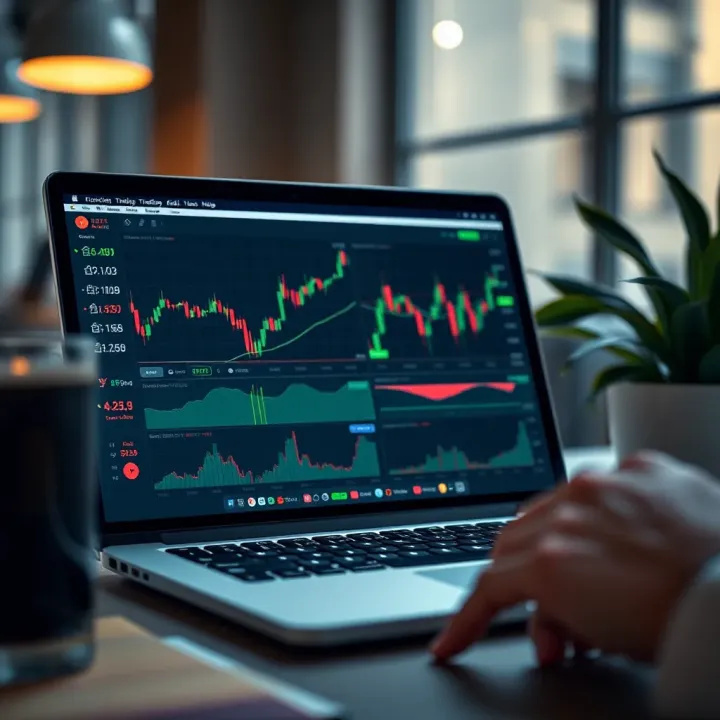
Choosing a reliable broker is vital. Many Nigerians opt for platforms like FXTM, HotForex, or Alpari, which are regulated and support naira deposits and withdrawals. Avoid brokers without proper regulation or those promising unrealistic returns—these are red flags.
Having a well-crafted trading plan is your compass. Set clear goals, decide how much capital you're ready to risk, and define entry and exit points. For instance, don’t put all your money on one trade; risk 1-2% of your trading capital per trade to manage losses effectively.
Risk management can't be overemphasised. Use stop-loss orders to protect yourself from sudden market moves. For example, if you buy USD/₦ at 460 and set a stop-loss at 455, your loss is limited if the price slides down. Avoid chasing losses, which can wipe out your account quickly.
Technology also plays a big role. Apps like MetaTrader 4 or 5 give you real-time price updates and tools for technical analysis. Nigerian fintech platforms increasingly offer integrated deposit and withdrawal options, helping you move funds conveniently.
Starting forex trading in Nigeria demands more than just luck—it requires education, discipline, and adapting to the local financial landscape.
In the next sections, expect detailed guidance on understanding market basics, selecting brokers, and building a practical strategy that suits Nigerian traders’ realities.
Grasping the fundamentals of the forex market is the cornerstone of successful trading, especially for Nigerian traders navigating a unique economic environment. Understanding these basics helps you make informed decisions, manage risks effectively, and identify opportunities that align with the naira’s behaviour and global currency trends.
Forex trading involves buying one currency while simultaneously selling another in the global marketplace. This means traders speculate on the price movements between currency pairs to make a profit. For instance, if you expect the US dollar to strengthen against the naira, you might buy USD/NGN with the hope of selling it at a higher rate. Forex attracts traders because it’s highly liquid and operates 24 hours every day, allowing flexibility to trade outside regular business hours.
Unlike stocks or commodities, forex does not involve ownership of a physical asset but focuses purely on currency value fluctuations. This makes it easier for beginner Nigerians to get started since trading forex primarily requires understanding exchange rates and market signals rather than company fundamentals or physical storage.
Forex markets are the largest and most liquid in the world, with daily transactions surpassing $7 trillion. This scale is far above the Nigerian Stock Exchange (NGX) or commodities markets like oil and gold. Also, forex operates continuously from Sunday evening to Friday night (WAT), unlike stock exchanges which have fixed opening hours.
This nonstop nature means economic events in the US, Europe, or Asia can instantly impact currency movements. Nigerian traders must keep an eye on global developments, such as US Federal Reserve rate changes or Eurozone economic data, since these influence the naira’s positioning against stronger currencies.
The most traded currency pairs include USD/NGN, USD/EUR, and GBP/USD. USD/NGN is particularly relevant for Nigerian traders since the naira-dollar rate directly affects import costs, foreign investments, and daily transactions.
USD/EUR and GBP/USD are considered major pairs due to their liquidity and influence in global markets. Understanding these pairs helps traders spot trends beyond domestic borders, allowing for diversified trading strategies.
In any currency pair, the first currency is the base currency—the one you buy or sell—while the second is the quote currency, which shows its value against the base. For example, in USD/NGN, the USD is the base currency, and the NGN is the quote. If the pair is trading at ₦460, it means ₦460 is needed to buy one dollar.
Knowing this helps traders calculate potential profits or losses and decide entry and exit points in the market.
Forex trading covers several sessions based on global time zones. For Nigeria, key market hours fall within the London (8 am–4 pm WAT) and New York (1 pm–9 pm WAT) sessions. These sessions see the highest trading volume and volatility, presenting the most opportunities.
Most retail Nigerian traders deal with the spot market, where currencies are exchanged immediately at the current price. However, forwards and futures contracts allow buying or selling currencies at predetermined prices on future dates, offering ways to hedge against future exchange rate changes.
For example, an importer expecting to pay for goods in dollars in three months might use a forward contract to lock in the current rate, protecting against naira depreciation.
Getting these forex basics right empowers you to make logical trades, understand price movements, and adapt to global influences affecting your money in Nigeria. It’s the first step toward building a solid trading foundation.
Setting up to trade in the forex market is the first real step towards turning interest into action. This phase ensures you have the right structure, tools, and support to trade effectively and safely. For Nigerian traders, careful selection of brokers, opening accounts properly, and understanding trading platforms can make the difference between steady progress and costly mistakes.
Regulatory oversight matters a lot in forex trading to protect you from fraud and unfair practices. In Nigeria, brokers regulated by the Securities and Exchange Commission (SEC) and monitored by institutions like NAFDAC provide an added layer of safety. These regulators ensure brokers meet certain standards, operate transparently, and handle clients’ funds responsibly. For example, a SEC-registered broker might offer more secure deposit procedures and fair trading conditions, giving you confidence when investing your naira.
When it comes to local versus international brokers, both have their pros and cons. Local brokers tend to understand Nigeria’s market specifics better, such as naira volatility or power supply interruptions affecting trading hours. They may also accept local payment methods directly, like bank transfers or USSD. International brokers often provide a wider range of currency pairs and advanced trading tools, but can sometimes charge higher fees or complicate deposits due to foreign exchange restrictions. It's common for Nigerian traders to use a mix — starting with well-regulated local brokers while exploring international platforms for specialised services.
Opening a trading account starts with straightforward registration. You’ll typically provide identification (such as your National Identification Number, NIN), proof of address, and sometimes a source of income. This process helps brokers comply with anti-money laundering rules and protect your account. Some platforms allow online registration within minutes, while others require more detailed verification depending on their regulatory environment.
Funding options are where convenience meets practicality. Nigerian traders can fund accounts through bank transfers, which are reliable but might take longer during weekends or public holidays. USSD services provided by banks enable quick, low-cost deposits without internet access—quite useful where mobile data might be unstable. Fintech wallets like OPay or Flutterwave also offer smooth deposits directly from mobile money, making it easier to start trading anytime even from smaller towns.
Choosing the right platform is essential because it impacts your trading speed, analysis, and overall experience. MetaTrader 4 (MT4) and MetaTrader 5 (MT5) remain the most popular globally due to their robustness and wide broker support. Olymp Trade and some local platforms cater more to beginners, with simpler interfaces and helpful customer support tuned to Nigerian users. Picking a platform depends on your comfort with technology and specific trading needs.
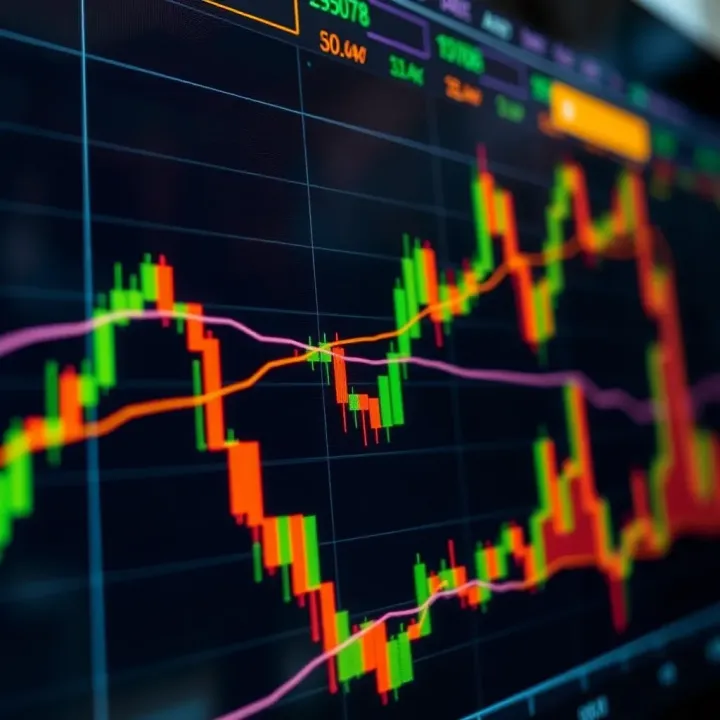
Important features to look for include clear charts that track currency movements in real-time, technical indicators like moving averages or Bollinger Bands, and various order types such as market, limit, and stop-loss orders. These tools help you make informed decisions and manage risk effectively. For instance, setting a stop-loss order protects your capital during sudden market shocks, which can happen often given Nigeria’s exposure to global economic changes.
The right broker, smooth account funding, and a reliable platform form the backbone of a successful forex trading journey in Nigeria. Once these basics are set, you can focus fully on refining your strategies and managing risks smartly.
Building your skills is the foundation for any forex trader aiming to succeed in Nigeria's dynamic market. Mastering key trading concepts equips you with the tools to make informed decisions rather than relying on guesswork. Whether you plan to trade part-time or full-time, understanding how charts move, what drives currency values, and common strategies will sharpen your edge.
Candlestick charts are the bread and butter of technical analysis. Each candlestick represents price movement over a chosen time frame—say, one hour or one day. The body shows opening and closing prices, while the wicks indicate the highest and lowest points. For example, if a candlestick has a long upper wick but a small body, it signals selling pressure at higher prices, which might warn of an impending reversal.
Nigerian traders benefit enormously from learning to spot candlestick patterns like 'doji' and 'hammer'. These signals help predict when the market might turn, enabling timely buying or selling. Without this skill, traders risk buying high and selling low.
Moving averages smooth out price fluctuations to show the market's direction clearly. A commonly used type is the simple moving average (SMA). For instance, if the 50-day SMA crosses above the 200-day SMA—a golden cross—it often indicates an upward trend is starting. Support and resistance levels mark where price tends to stop falling or rising. Imagine the price bouncing off ₦460/$ for the USD/NGN pair several times; ₦460 becomes a support level. Knowing these areas allows traders to set better entry and exit points.
Currencies don't move in isolation; they're influenced by economic data like inflation rates, interest rates, and employment figures. In Nigeria, the Central Bank’s monetary policy decisions can cause the naira to appreciate or depreciate significantly. For example, a hike in interest rates often attracts foreign investment, strengthening the currency.
Understanding these indicators helps you anticipate market moves. Instead of reacting to price changes blindly, you know whether data releases justify a surge or slump.
Local economic conditions hold particular sway on the naira and related currency pairs. For example, Nigeria’s balance of trade, foreign reserves, and crude oil production data are closely watched. When oil output drops unexpectedly, naira often weakens due to reduced foreign earnings.
Staying current with Nigerian economic news puts you ahead of market moves affecting the naira. This knowledge helps limit losses or seize opportunities, especially when trading pairs like USD/NGN.
Each beginner must understand diverse trading styles to find what suits them best. Trend following involves riding longer market moves, aiming to profit as a currency pair moves steadily up or down. Scalping, in contrast, seeks small profits by opening and closing trades within minutes.
Swing trading falls in between, holding positions for a few days to catch short-term price swings. For example, a trader spotting a rally in EUR/USD may hold for a couple of days before selling. Experimenting with these lets a trader align their activity with available time and patience.
Forex trading is not one-size-fits-all. If you work a full-time job, scalping may be tough unless you trade during breaks. A swing or trend-following approach might fit your busy schedule better. Similarly, risk tolerance matters. Scalping usually involves tight stops and quick decisions, requiring nerves of steel.
A trader nervous about sharp moves might prefer trend following, taking fewer trades but with wider stops. Deciding your style early reduces stress and improves performance, especially in Nigeria where market volatility can be high.
Successful forex trading in Nigeria starts with solid skills—knowing the charts, understanding market drivers, and fitting strategies to your life keeps you from flying blind in unpredictable markets.
Managing risk and having a clear trading plan are key for anyone serious about forex trading, especially in Nigeria’s fast-moving market. Without them, traders risk wiping out their capital quickly. A good plan helps you navigate price swings and unexpected news, while risk management limits your losses when trades don’t go your way.
Leverage lets you control large positions with little money, but it can be a double-edged sword. For example, using 100:1 leverage means a ₦10,000 margin controls ₦1,000,000 worth of currency. While this can multiply gains, it also magnifies losses — a small price move against your position can wipe out your account. That’s why managing your margin is crucial. Always set maximum leverage that suits your risk appetite and avoid overtrading, especially with shaky brokers or poor connectivity.
Forex markets often react sharply to economic announcements, political events, and global happenings. For instance, sudden changes in CBN policies or petrol subsidy adjustments can cause the naira’s value to swing within minutes. Traders caught off-guard risk heavy losses. Staying updated on local and global economic news, and avoiding large trades right before key announcements, helps reduce exposure to these unpredictable movements.
It’s common for beginners to expect quick profits, but forex trading demands patience and discipline. Setting achievable goals, like targeting a 2–3% monthly return instead of aiming for huge wins, keeps your expectations in check. Also, define your daily loss limit — say, no more than 1% of your trading capital per day — so you stop trading before losses spiral out of control. This prevents emotional decision-making and preserves your capital for long-term success.
Position size decides how much you risk on each trade. If your account has ₦100,000 and you risk 2% per trade, your maximum loss should be ₦2,000. Before entering a trade, calculate the position size based on your stop-loss distance, which is a fixed price level where you’ll exit to prevent further loss. For example, if you buy USD/NGN at 460 and set stop-loss at 455, your risk per unit is ₦5. Position size ties directly to these levels, keeping losses manageable.
Writing down each trade’s details — entry and exit points, reasons for trade, profit or loss — is invaluable. Over time, patterns emerge that help you understand where you succeed or stumble. A simple Excel sheet or journal app works fine. Nigerian traders can track how local events influence their trades and fine-tune strategies accordingly.
Don’t just celebrate wins or ignore losses. Review them critically: Was your analysis correct? Did emotion cause premature exits? For instance, if you repeatedly lose on trades opened during volatile news, reconsider that strategy. This honest analysis sharpens your skills, turning mistakes into learning opportunities for better decisions next time.
Effective risk management paired with a disciplined trading plan ensures you survive the forex market challenges and grow steadily as a trader. In Nigeria, where market shocks are common, these tools are your best defence and guide.
By understanding these concepts clearly, you create a solid foundation that improves your chances of success in forex trading.
Technology has made forex trading far more accessible and manageable for Nigerians. Leveraging the right tools can save you time, reduce errors, and improve your trading decisions. With mobile apps, online communities, and demo accounts, you get a practical edge that was once reserved for professional traders with expensive setups.
Mobile trading apps compatible with popular Nigerian payment solutions like OPay and MTN Mobile Money have become essential. These apps allow quick deposits and withdrawals, removing the usual barriers of bank transfers or card payments. For example, brokers that support OPay make it easier to fund your account instantly with just a few taps, which matters in a market where timing is everything.
Besides payment convenience, using mobile apps ensures you can track markets and place trades from anywhere, whether you're at home, commuting by danfo, or waiting in line at the bank. Reliable internet and affordable data plans are vital here. Without a stable connection, price feeds can lag or orders may fail, resulting in losses. Many traders use data plans from providers like MTN or Airtel that offer good coverage in Nigerian cities and towns.
Free courses, YouTube tutorials, and forex blogs tailored for Nigerian traders provide practical insights that textbooks often miss. These resources cover local market nuances, such as how naira volatility affects currency pairs. Topics like how CBN policies influence trading opportunities get real attention in these formats. For example, watching updated tutorial videos from well-known Nigerian forex educators helps reinforce concepts better than reading alone.
Joining local trading groups and attending webinars gives you a chance to interact with experienced traders and ask questions relevant to the Nigerian context. These communities often share live trade examples, broker reviews, and warnings about scams that target Nigerians. Being part of such groups helps you stay updated and avoid costly mistakes.
Using demo accounts lets you experiment with trading strategies without risking real money. It's an opportunity to understand platform features and how orders execute. When practising, treat the demo account as if you're using real funds to develop discipline. For instance, test different stop-loss levels or entry points to see what suits your style best.
Transitioning from demo to live trading should be gradual. Start by trading small amounts to manage emotional reactions to wins and losses. Keep in mind, real trading involves unexpected factors like slippage and psychological pressure, which demos don't replicate fully. Gradual exposure helps build confidence and sharpens decision-making under actual market conditions.
Technology and community resources are not just nice to have–they are critical tools to succeed in forex trading in Nigeria. Use them wisely to build your knowledge and stay ahead.
Navigating forex trading without recognising common pitfalls can quickly lead to losses. Nigerian traders often face challenges such as scams, emotional impulses, and unrealistic expectations, which undermine their chances of success. Understanding these mistakes and learning to avoid them is essential for building a sustainable trading career.
Red flags in broker selection
Many Nigerians fall prey to unscrupulous brokers claiming guaranteed profits or offering suspiciously high leverage. A clear warning sign is a broker lacking proper regulation from Nigerian authorities like the Securities and Exchange Commission (SEC) or international bodies such as the Financial Conduct Authority (FCA). Brokers that push aggressive marketing, demand upfront payment without transparency, or offer deals too good to be true should be treated with caution. Carefully checking for client reviews and licensing can help you steer clear of such pitfalls.
Protecting personal and financial information
Forex trading requires sharing sensitive details, including your Bank Verification Number (BVN) and bank account information. Passing these to unreliable platforms risks identity theft or financial fraud. Always use brokers with solid data protection policies and secure encryption protocols. Avoid sharing your login credentials, passwords, or withdrawing funds through unknown third parties. Using official bank channels and trusted fintech wallets like OPay or Kuda reduces exposure to scams.
Avoiding impulsive decisions
Trade decisions driven by emotions often lead to costly mistakes. For instance, after a losing streak, some traders might double their bet to recover losses quickly—a behaviour called "revenge trading." This rarely ends well. Instead, pause and review why a trade went wrong. Practising patience and waiting for clear trading signals reduces impulsiveness and helps maintain your trading account.
Sticking to your trading plan
A well-crafted trading plan sets entry, exit, and stop-loss points based on analysis rather than feelings. Despite market excitement, following your plan prevents rash moves. For example, if your strategy limits losses at 2% per trade, abandoning that limit out of frustration risks bigger damage. Discipline in sticking to your plan builds consistency and long-term gains.
Understanding realistic profits and losses
Forex is not a get-rich-quick scheme. It’s common for new traders to expect daily huge returns, but the market does not work that way. Realistically, experienced traders target steady growth, often between 5–10% monthly. Also, losses are part of the process—accepting them as lessons rather than failures helps maintain confidence and promotes better decision-making.
Adapting to changing market conditions
Nigeria’s naira exchange rate, oil prices, and global events can swiftly shift forex market dynamics. Successful traders continuously update their strategies to reflect such changes. For example, during times of high volatility around election seasons or CBN monetary policy shifts, refraining from high-risk trades can save losses. Staying informed through news sources and trading communities strengthens your ability to adapt quickly.
Avoiding common forex mistakes is less about avoiding failure altogether and more about managing risks with clear strategies and emotional control. A patient, informed approach goes a long way in helping Nigerian traders succeed.
Discover how to choose the best forex trading platform in Nigeria 🇳🇬. Learn about key features, regulations, top local platforms, and smart tips for safer trading.
Discover key tips for Nigerian investors to choose the best forex trading approach 💹. Learn market basics, broker selection, risk management, and avoid pitfalls for better trading outcomes.
Discover how Nigerian traders can spot reliable forex trading signals 📈. Learn to choose signal providers wisely and manage risks for better profits 💡.
📈 New to Forex trading in Nigeria? Learn key terms, how markets work, top strategies, best platforms & tips to manage risks confidently & safely. 🇳🇬
Based on 7 reviews