
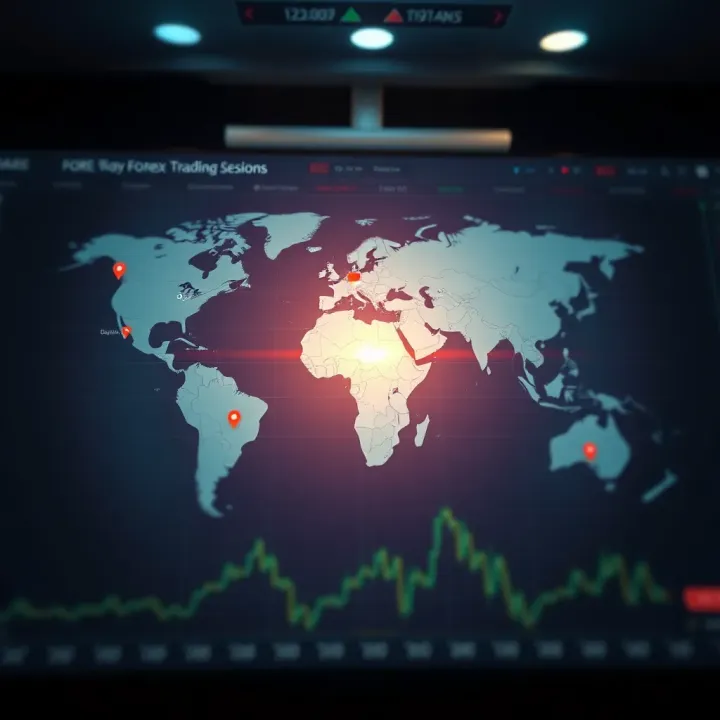
Understanding Forex Trading Sessions
🌍 Discover how forex trading sessions work and learn to time your trades well. Perfect guidance for Nigerian traders aiming to navigate the ₦ market smartly and manage risks effectively.
Edited By
Emily Clarke
Forex trading never sleeps the way you might think. Unlike stock markets confined to specific hours, the foreign exchange market operates globally 24 hours a day from Monday to Friday. This continuous cycle is possible because forex involves trading currencies across different time zones, allowing activity to roll seamlessly from one financial centre to another.
The weekly forex cycle begins with the Sydney session on Monday morning and winds down with the New York market closing on Friday evening, all times based on local market hours. Nigerian traders, for instance, should note that when it’s daytime in Lagos (West Africa Time), major markets like London or New York are either closing or yet to open, affecting market liquidity and volatility.
Understanding these trading days and sessions is essential, as timing your trades alongside high-activity periods can improve price execution and reduce the risk of slippage.
Forex markets open at 5 pm EST on Sunday (10 pm WAT in Nigeria) when Sydney kicks off trading. The market then follows the Asian, European, and American trading sessions, overlapping at times to create spikes in liquidity and price movement.
Monday to Friday: Trading runs continuously except weekends.
Weekends: Forex markets close Friday evening and reopen Sunday evening, resulting in a break that traders must consider.
Public Holidays: National holidays in major financial hubs (USA, UK, Japan) can cause sudden liquidity drops and price gaps.
For Naija traders, it’s vital to track when global markets open and close relative to WAT. For example, London and Frankfurt open around 8 am WAT, aligning with the start of the Lagos business day. The most active forex trading hours often fall between 8 am and 4 pm WAT when European and US sessions overlap.
To maximise profit chances and reduce risks:
Avoid trading during weekend gaps or right before public holidays.
Use economic calendars highlighting events from the US, UK, or EU that affect market moves.
Be aware that during low liquidity periods (e.g., late Friday), spreads widen, increasing transaction costs.
Mastering forex trading days and market sessions helps you better time entry and exit points. Nigerian traders who grasp this can navigate the market confidently, aligning efforts with peak activity periods observed historically for better trade performance.
Understanding when the forex market operates is fundamental for anyone involved in currency trading. Knowing the market hours helps traders identify the most active periods, manage risks, and plan effective strategies. For instance, Nigerian traders can schedule trades during the busiest sessions to benefit from tighter spreads and improved liquidity.
The forex market revolves around key centres: London, New York, Tokyo, and Sydney. London leads with the largest share, chiefly because the British pound and euro are heavily traded. It typically operates from 8 am to 4 pm GMT. Tokyo caters to Asian trading hours, opening roughly between 12 am and 9 am GMT. New York runs from 1 pm to 10 pm GMT, influencing USD pairs strongly. Sydney opens first among these at around 10 pm to 7 am GMT.
Major forex centres and their operational times directly affect market behaviour. For example, during London’s open hours, trading volumes surge, especially on weekdays, offering opportunities to trade pairs like GBP/USD, EUR/USD, and USD/CHF.
The forex market runs nearly 24 hours daily due to the global time differences across major financial hubs. While Sydney’s markets close, Tokyo’s start, and when Tokyo closes, London opens. This continuous flow ensures that currency trading is possible almost any time. Nigerian traders can exploit overlaps, such as London-New York hours, typically around 2 pm to 4 pm WAT, where volatility and liquidity peak.
The forex market officially runs Monday through Friday, closing each weekend. The week starts with the Sydney session on Monday morning and ends with New York’s close on Friday. This schedule avoids the weekend when market liquidity drastically drops due to the closure of major international banks and financial institutions.
Standard trading days from Monday to Friday matter because forex relies on global banking networks. Trades often require counterparties backed by banks; weekends slow down these operations, leading to reduced activity and increased price gaps.
Forex closes over the weekend because global financial centres shut down, and the volume drops to negligible levels. This pause allows for system maintenance and risk reassessment. However, weekend gaps can lead to price jumps when markets reopen on Monday, so Nigerian traders must be cautious when holding positions through the weekend.
Traders who understand the nuances of market hours and weekly schedules can better plan trades, manage exposure, and take advantage of market liquidity.
By keeping to these trading days and times, traders in Lagos, Abuja, or any Nigerian city can align their activities with peak forex sessions, increasing chances of profitable trades while avoiding low liquidity periods that raise risks and costs.
The forex market is divided into different trading sessions, each with unique traits that affect market behaviour. Understanding these sessions helps traders identify when liquidity peaks, which currencies move most, and when volatility spikes. These insights enable better timing of trades and risk management.
The Asian trading session usually starts around 7 pm West Africa Time (WAT) and runs until 4 am the next day. Major players during these hours include banks and financial institutions in Tokyo, Singapore, and Sydney. Currency pairs linked to the Japanese yen (JPY), Australian dollar (AUD), and New Zealand dollar (NZD) see heightened activity. For instance, trading the USD/JPY or AUD/USD pairs tends to be more active due to market participants in these regions.
Volatility during the Asian session tends to be lower compared to other sessions, but there are exceptions. For example, when Japan releases economic data or when the Reserve Bank of Australia makes policy announcements, sudden price swings can occur. Trading volume is often subdued overall, which means spreads might widen, requiring traders to be cautious, especially with larger orders.
The European session overlaps with the end of the Asian session and later with the start of the US session, roughly from 8 am to 5 pm WAT. This overlap creates periods of high liquidity and volatility, giving traders more opportunities. The overlap between London and New York sessions, for example, is known for some of the largest and fastest market moves.
During Europe’s active hours, currencies like the euro (EUR), British pound (GBP), and Swiss franc (CHF) dominate trading activity. These currencies react strongly to economic news from Europe and the UK. For Nigerian traders, paying close attention to announcements from the European Central Bank or Bank of England during these hours can provide timely trading opportunities.
The US session runs approximately from 1 pm to 10 pm WAT, marking the final major trading period of the forex day. It is known for its high activity and deep liquidity, especially in USD-related pairs. Periods around the US market open and economic reports release see surges in volume and volatility.
For Nigerian traders, the US session is particularly important because many trades involve the US dollar (USD) against the naira (NGN) or other currencies. As the naira is heavily influenced by USD trends and CBN policies, monitoring this session helps traders anticipate market moves, manage risks, and time their entries better. For example, when the US Federal Reserve announces interest rate decisions, the ripple effects impact USD/NGN rates promptly during this period.
Recognising the key characteristics of each trading session empowers traders to align their strategies with market rhythms, optimise timing, and manage exposure effectively.
Public holidays and weekends significantly affect forex trading by influencing market liquidity and price behaviour. Since forex is a global market, national holidays in major economies can reduce participation, leading to thinner trading volumes and sometimes erratic price movements. Understanding how these periods impact trading helps investors and traders manage risks, avoid unexpected costs, and strategise entry and exit points effectively.
Key forex countries such as the United States, United Kingdom, Japan, and the European Union observe public holidays that often trigger lower market activity. For instance, when the US celebrates Thanksgiving or Independence Day, trading volumes in USD pairs typically drop. Similarly, UK public holidays like Boxing Day and Japan’s Golden Week see reduced forex participation during their respective periods. Nigerian traders closely tracking USD, GBP, or JPY pairs should anticipate lower liquidity around these days.
Lower liquidity means fewer participants to absorb trades, which can widen bid-ask spreads and increase transaction costs. In real terms, this means that buying or selling currencies might become pricier, reducing profit margins especially for day traders or scalpers who rely on tight spreads. Therefore, it's wise to avoid initiating large trades during these holidays unless prepared for potential slippage.
When market activity falls, brokers sometimes widen spreads to protect themselves against volatility. This risks turning normally lucrative trades into losing ones if wider spreads and lower volume affect execution prices unfavourably. For Nigerian traders using platforms like Kuda or Flutterwave-linked forex services, monitoring liquidity conditions during holidays can prevent unexpected losses.
Furthermore, reduced volumes lead to less reliable technical signals. Price patterns may become distorted without strong participation, making standard analysis tools less effective until normal market conditions return after holidays.
Forex markets close every weekend, typically from Friday 9 pm WAT to Sunday 9 pm WAT, giving traders a predictable rest period. The reason for the break is largely operational; banks and financial institutions halt interbank forex activities to perform necessary clearing and settlement processes. This downtime also allows traders and brokers to review positions and prepare for the week ahead.
Although the markets are closed, events happening in these off-hours—such as political developments or economic announcements—can cause price gaps when trading resumes on Monday. Nigerian traders must account for these "weekend gaps," which can lead to sudden losses or gains. For example, unexpected news over the weekend might shift the USD/NGN rate significantly at market open.
The primary risk of weekend gaps lies in price gaps opening orders at unfavourable levels compared to Friday’s close. Stop-loss orders placed during the week may not execute at intended prices if prices jump. To manage this, traders should consider closing volatile positions before the weekend or using guaranteed stop-loss features where available.
Using smaller position sizes heading into weekends is a common risk-reducing tactic. Also, staying informed on geopolitical or financial developments scheduled during weekends helps traders anticipate potential moves. Nigerian traders who rely on USD/NGN or EUR/NGN pairs should particularly watch for announcements from the Central Bank of Nigeria (CBN) or major foreign markets that can impact opening prices.
"Knowing when markets close and how holidays or weekends impact liquidity can save you from surprise losses and help you plan trades better around periods of low activity."
Understanding these factors ensures Nigerian traders can navigate forex market pauses easily, protecting capital while adapting strategies for smoother trading outcomes.
For Nigerian forex traders, planning trading activities with a clear understanding of market hours and local factors is vital. The global forex market runs across different time zones, which can be confusing without proper scheduling. Nigerian traders often face unique challenges such as naira volatility, local economic events, and varying liquidity during holidays. This section gives concrete advice to help you align your trading hours effectively with global sessions, while also managing risks linked to local economic developments.
Converting global market hours to West Africa Time (WAT) is the first step for Nigerian traders. The forex market operates 24 hours between Monday and Friday but runs on global sessions: Asian, European, and US. Nigeria is on West Africa Time which is UTC+1. For example, the London session typically runs from 8 am to 4 pm GMT, translating to 9 am to 5 pm WAT. Similarly, the New York session starts 1 pm to 9 pm WAT, while the Tokyo session is 8 pm to 5 am WAT. Understanding these conversions helps you decide when to focus on particular currency pairs, especially those involving the naira (₦) and USD.
Suggested hours for active trading sessions from Lagos or Abuja depend on liquidity and volatility. The European and US sessions offer the most active trading hours, especially between 9 am and 9 pm WAT. During this period, the naira-related currency pairs like USD/NGN and EUR/USD tend to have better liquidity and narrower spreads. Trading during these hours is usually more profitable, with frequent price movements reflecting high market participation.
Trading outside these hours risks low liquidity, causing wider spreads and possible slippage.
For Nigerian traders, starting the trading day around 9 am and wrapping up by 9 pm WAT captures the major market action while avoiding the sluggish overnight hours.
Tracking CBN announcements and naira-related events is crucial. The Central Bank of Nigeria often releases policies or interventions that directly affect the naira exchange rate. For instance, intervention in the parallel market or adjustments to the monetary policy rate can prompt significant price swings in forex. Staying alert to such announcements scheduled during weekdays ensures you can anticipate volatility spikes or potential market gaps. It also helps to avoid trading immediately before or after such releases, as unexpected movements may wipe out small gains.
Using trading days effectively around ember months and festive periods can improve your risk management. The last quarter of the year, especially September through December (the ember months), often sees increased market volatility due to higher import demands, holiday spending, and fiscal activities. Nigerian traders should monitor these periods closely, as naira liquidity may fluctuate with changes in foreign exchange supply and demand.
Similarly, festive seasons like Christmas and Sallah may bring lower liquidity as market participants take time off. Wider spreads and erratic price behaviour can occur during such quieter trading days. Adjusting your trading size or taking fewer trades during these times helps avoid unnecessary losses.
By aligning your trading schedule with global market hours and anticipating local economic influences, you position yourself to trade forex more confidently and profitably from Lagos, Abuja, or anywhere in Nigeria.
🌍 Discover how forex trading sessions work and learn to time your trades well. Perfect guidance for Nigerian traders aiming to navigate the ₦ market smartly and manage risks effectively.
Explore the key benefits of forex trading 🌍💹—easy market access, high liquidity, profit potential, and smart risk management to boost your investment choices.

Discover how forex trading began and its rise to a ₦trillion-dollar global market 🌍. Learn the key milestones shaping currency exchange today 💱.
📈 Learn practical forex trading steps tailored for Nigerian traders 🇳🇬. Master strategies, manage risks, and navigate the market to grow your ₦-wallet confidently.
Based on 11 reviews