
Benefits of Forex Trading Explained
Explore the key benefits of forex trading 🌍💹—easy market access, high liquidity, profit potential, and smart risk management to boost your investment choices.
Edited By
Isabella Grant
Forex trading operates 24 hours daily, divided into sessions based on business hours across major financial centres worldwide. Understanding these sessions helps traders to pinpoint the most active and liquid periods in the currency market.
The forex market starts each day in the Asia-Pacific region, then flows to Europe and finally to North America before closing. These sessions reflect the local banking hours in cities such as Tokyo, London, and New York, which are global hubs for currency trading.
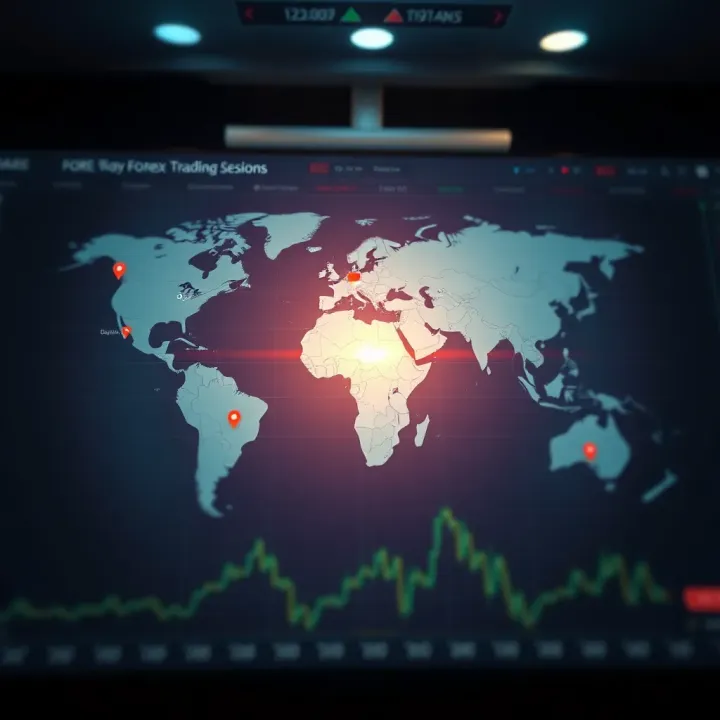
Each session carries unique characteristics. For instance, the Asian session tends to be quieter with reduced volatility, suitable for cautious traders focusing on stable pairs like USD/JPY. Conversely, the London session sees heightened activity and volatility, especially when it overlaps with New York’s open, producing attractive trading opportunities but also increased risk.
For Nigerian traders dealing in naira pairs or global currencies like USD, EUR, and GBP, timing trades around these active sessions can optimise outcomes and risk management.
Some practical points to consider:
Tokyo session (00:00–09:00 WAT): Generally less volatile. Good for monitoring price trends and setting positions ahead of bigger moves.
London session (08:00–17:00 WAT): Peak liquidity and volatility. Ideal for momentum traders ready to capitalise on price swings.
New York session (13:00–22:00 WAT): Volume remains high, particularly in the first few hours. News releases from the U.S. often trigger strong market reactions here.
Successful forex trading depends not only on strategy but also on knowing when to trade. Recognising the rhythm of trading sessions empowers you to enter and exit the market at the most beneficial times.
Understanding these trading windows also helps you avoid periods of low liquidity that could widen spreads or cause unpredictable price moves, something to beware of given the naira’s occasional volatility.
By aligning your trading activities with session dynamics, you position yourself to react swiftly to market movements and manage your risk more effectively.
Forex trading operates continuously across different periods known as trading sessions, aligned with the working hours of major financial hubs worldwide. Understanding these sessions helps traders like you pinpoint active market hours and plan trades for maximum impact.
Each forex trading session reflects the business hours of key financial centres, such as Tokyo, London, and New York, each bringing different levels of activity and currency pair popularity. For instance, the Asian session often sees higher movement in yen and Australian dollar pairs, while the European session generates significant liquidity around euro and pound trades.
Knowing when each session opens and closes, and their overlaps, can help you avoid times of low liquidity, which typically leads to unpredictable price movements, or catch periods where volatility spikes, offering more trading opportunities.
A forex trading session is defined by the operating hours of a particular financial centre in the currency market, dictating when markets are most active in that time zone. These sessions are typically segmented into the Asian, European, and North American sessions reflecting Tokyo, London, and New York respectively.
The start and end times of these sessions are set by local business hours, usually from 9 am to 5 pm local time, but exact times can vary due to holidays or daylight saving adjustments. Traders refer to these sessions to identify when particular currencies will likely be most volatile or stable.
For example, the London session usually opens around 8 am GMT, coinciding partially with the end of the Tokyo session and the start of the New York session, creating a period of intense trading activity called an "overlap."
Session timing in forex is crucial because it shapes market liquidity and volatility. Trades placed during active sessions generally experience tighter spreads and better execution. In contrast, outside active hours, markets can be thin, causing price gaps and slippage.
Take the Nigerian trader working with the West Africa Time (WAT). The London session overlaps with Nigerian business hours, making it the best time to trade pairs like GBP/USD or EUR/USD. Trading during these periods increases chances of smoother transactions and clearer market direction.
Plus, timing your trades well helps in managing risk. Volatile sessions can bring rapid price swings; without proper strategy, such moves might wipe out profits or increase losses quickly.
In summary, familiarising yourself with forex trading sessions allows you to align trading activities with market rhythms, improving effectiveness and risk control in your strategies.

Understanding the key global forex trading sessions helps traders spot when the market is most active and when to expect price shifts. Each session corresponds to major financial centres around the world, dictating trading volumes and volatility. For instance, knowing when the Asian, European, or North American sessions are open allows traders to time their moves better and avoid sitting through quiet market periods with low liquidity.
The Asian session primarily revolves around Tokyo's financial markets, kicking off trading around 12:00 am to 9:00 am West Africa Time (WAT). This session sees moderate liquidity, as many currency pairs involving the Japanese yen (JPY), Australian dollar (AUD), and New Zealand dollar (NZD) gain traction. For example, pairs like USD/JPY or AUD/USD show notable activity. Nigerian traders focusing on these pairs might find this a quieter time compared to later sessions, but there are still opportunities, especially during economic data releases from Japan, China, and Australia.
London is the heartbeat of the forex market, marking the start of the European session from about 8:00 am to 5:00 pm WAT. This session commands the highest volume, involving the euro (EUR), British pound (GBP), and Swiss franc (CHF). Nigerian traders often find this session rich in trading opportunities, as volatility picks up and spreads tighten thanks to deep liquidity. Moves in EUR/USD or GBP/USD tend to be sharper. The overlap with the Asian session in the morning can create dynamic market conditions.
Starting roughly at 1:00 pm and lasting till 10:00 pm WAT, the New York session represents the largest economy's forex activity. The US dollar (USD) dominates here, alongside other major currencies. Economic news from the US, such as Federal Reserve announcements or jobs reports, can cause swift market swings. For example, the USD/NGN pair also reacts during this window. Nigerian traders active during the afternoon and evening find this session important to monitor because of its price-driving potential.
The moments when sessions overlap are generally the most active and volatile periods. The Asian-European overlap from 8:00 am to 9:00 am WAT often sees higher liquidity compared to the Asian session alone. However, the European-North American overlap between 1:00 pm and 5:00 pm WAT is when the market really heats up. During this time, major currency pairs record significant price movements and tighter spreads. Nigerian traders looking to scalp or trade breakouts favour these overlaps for their improved trading conditions.
Knowing the timing and characteristics of global forex sessions helps you spot when the market will be lively or calm. This makes it easier to plan trades that align with expected volatility, so you’re not caught off-guard by sudden price spikes or shifts in liquidity.
In summary, aligning your trading activities with these sessions means you can seize the best opportunities while sidestepping quiet, low-volume periods. For Nigerian traders juggling daily responsibilities, this knowledge supports smarter timing and better risk management in the forex market.
Understanding forex trading sessions offers Nigerian traders a solid advantage in a market that never truly sleeps. Since forex operates 24 hours, the day's activity divides into distinct sessions timed around global financial hubs. Aligning trading strategies with these sessions helps maximise opportunities and avoid pitfalls, especially given Nigeria's West Africa Time (WAT) zone and its unique market conditions.
Nigerian traders must convert global trading hours to WAT to effectively participate. For example, the London session runs roughly from 8:00 am to 4:00 pm WAT, while the New York session takes place from 1:00 pm to 9:00 pm WAT. The Asian session, centred in Tokyo, covers the night from 1:00 am to 9:00 am WAT. This alignment helps traders plan their day, avoiding times when markets are quiet and liquidity is low.
By knowing these session times, a trader in Lagos can choose to be active during peak liquidity hours when price movements are more predictable and spreads are narrower. For instance, participating in the London-New York overlap between 1:00 pm and 4:00 pm WAT often presents high volatility and better trade execution.
Certain currency pairs show increased activity during specific sessions. Nigerian traders focusing on the US Dollar (USD), British Pound (GBP), or Euro (EUR) would find the London and New York sessions more lucrative, as these currencies move actively around those hours. Meanwhile, pairs like USD/JPY or AUD/USD peak during the Asian session.
For example, if you trade the EUR/USD pair, concentrating on the London and New York overlap provides more trading signals and better price action. Conversely, if your strategy involves Asian markets, tuning in to the Tokyo session can capture moves missed during the day. Carefully timing trades around these preferences helps in reducing unnecessary exposure to low volatility periods and optimises profit potential.
Volatility increases during session overlaps, but it brings both opportunity and risk. Nigerian traders should deploy solid risk management techniques during these hours. Setting stop-loss orders and adjusting position sizes according to session volatility are key. For example, a trader entering the London-New York overlap must accept that while price swings can be large, the chance of slippage and sudden reversals is also higher.
Managing risks means not just focusing on when to enter but also planning exits. It’s wise to reduce exposure during illiquid hours, such as the period between the New York close and the Asian open, when spreads widen and price jumps can happen unpredictably. Using session knowledge alongside trusted Nigerian trading platforms like MTN, GTBank markets or local brokers can help execute timely trades and better risk control.
Knowing when to trade is just as important as knowing what to trade. For Nigerian forex traders, syncing local time with global markets and recognising session behaviour directly influences success and capital preservation.
In short, mastering forex session timings aligned with Nigerian local time provides:
Better market entry and exit timing
Increased access to high-liquidity currencies
Effective risk management during high-volatility periods
This knowledge reduces guesswork and positions Nigerian traders to engage the currency market smartly and confidently.
Tracking forex trading sessions accurately is vital for successful decision-making, especially amid the currency market's constant movement. Knowing when the Asian, European, or North American sessions open or close enables traders to time their entries and exits with precision. Using the right tools cuts through confusion, helping to spot potential liquidity surges or volatility spikes in real time.
Online forex session clocks display global market hours adjusted to your local time, such as West African Time (WAT) for Nigerian traders. These clocks provide instant visibility into which major financial centres like Tokyo, London, or New York are active at any moment. For example, when the London and New York sessions overlap, the clock alerts you to a high liquidity period that often offers better trading opportunities. Such tools often come with countdowns for session openings and closings, helping traders prepare ahead. MetaTrader 4/5 platforms, popular among Nigerian traders, sometimes feature built-in session timers, while dedicated websites offer free, customisable forex clocks.
Economic calendars list upcoming reports and data releases—like US Non-Farm Payrolls or European Central Bank announcements—that can cause sudden market swings. Linking these calendars with session timings lets traders anticipate volatility bursts tied to specific markets. For instance, Nigeria-based traders tracking the European session might monitor Germany’s GDP release to predict euro-related currency moves. Trading platforms or apps like Investing.com and Forex Factory provide live economic calendars with alerts tailored to your chosen time zone. Integrating calendar alerts with session clocks ensures you don’t miss key events impacting your preferred currency pairs.
Nigeria’s forex community leans on several platforms renowned for session insights and advanced tools. MetaTrader remains a favourite, offering session-based indicators and customised expert advisors to automate strategies around active sessions. Additionally, platforms like TradingView offer intuitive charts where traders apply session filters and observe volume patterns distinctly per market hour. Local fintech solutions such as OPay and Flutterwave also provide market news feeds and price alerts, although they focus more on payments than in-depth technical analysis. Choosing a platform depends on your style: MetaTrader for automated session-based trading, TradingView for visual analysis, or economic calendar apps for staying updated.
Staying equipped with well-designed tools to track forex sessions can significantly improve how you position yourself in the currency market. This knowledge helps avoid trading during low liquidity periods and capitalises on times when price moves are more predictable and pronounced.
In short, combining reliable session clocks, economic calendars, and robust trading platforms can much better your timing and increase your chances of profit in the competitive forex environment.
Many traders new to the forex market fall into traps caused by myths about trading sessions. Understanding and clearing up these misconceptions helps you avoid wasted effort and bad choices.
Traders often search for the "best" or "perfect" forex session to trade, expecting it to deliver consistent profits. However, no single session suits everyone. What works for one trader may not work for another due to differing strategies, currency pairs, and risk tolerances. For example, a scalper focusing on quick moves around London/New York overlap won’t find the same opportunities during the quieter Asian session. Meanwhile, a position trader might prefer less volatile times to hold trades longer.
Additionally, regional time differences matter. Nigerian traders operate on West Africa Time (WAT), so their active hours might not align perfectly with all forex sessions. Instead of chasing an ideal session, focus on aligning your trading style with market conditions at specific hours. Flexibility and understanding your personal strengths help you choose when to trade, not generic session labels.
It’s common to hear that periods of high market volatility, like the London-New York overlap, automatically produce profits. While turbulence brings opportunities, it’s often akin to navigating busy Lagos traffic: you need skills, patience, and planning to avoid crashes.
Volatility increases risk and potential reward, but jumping in without a solid strategy can lead to losses. For instance, during high-volatility sessions, price spikes may trigger stop-loss orders or false breakouts. Successful traders use techniques like tight risk management, clear entry and exit rules, and staying informed about economic events impacting currency pairs.
In practice, Nigerian traders should combine session knowledge with forex tools, such as economic calendars and technical indicators popular on platforms like MT4 or MetaTrader 5. This increases chances of making smart moves rather than relying on session volatility alone.
Trading forex sessions is less about chasing perfect time slots and more about matching market behaviour to a well-thought-out plan.
By debunking these myths, traders can concentrate on building skills, managing their risks wisely, and adapting to market rhythms, which leads to better chances of success in the ₦ forex market and beyond.
Explore the key benefits of forex trading 🌍💹—easy market access, high liquidity, profit potential, and smart risk management to boost your investment choices.
Discover how to choose the best forex trading platform in Nigeria 🇳🇬. Learn about key features, regulations, top local platforms, and smart tips for safer trading.
Discover key tips for Nigerian investors to choose the best forex trading approach 💹. Learn market basics, broker selection, risk management, and avoid pitfalls for better trading outcomes.
Discover how Nigerian traders can spot reliable forex trading signals 📈. Learn to choose signal providers wisely and manage risks for better profits 💡.
Based on 8 reviews