
Choosing a Forex Trading Website in Nigeria
Discover how to choose and use reliable forex trading websites in Nigeria 🇳🇬. Learn key features, risk management, and legal tips to trade confidently online 💹.
Edited By
Sophie Walker
Forex trading in Nigeria has seen a sharp rise thanks to smartphones and new apps that put currency deals in your pocket. These forex trading apps make it easier for traders and investors to buy, sell, and monitor forex pairs anywhere, without the need for bulky desktop setups.
A good forex trading app is not just about convenience. It must offer real-time price updates, fast execution, and security features that protect your funds and data. Nigerian traders often look for apps that support local deposit methods, including bank transfer and USSD codes, reflecting our unique market challenges.
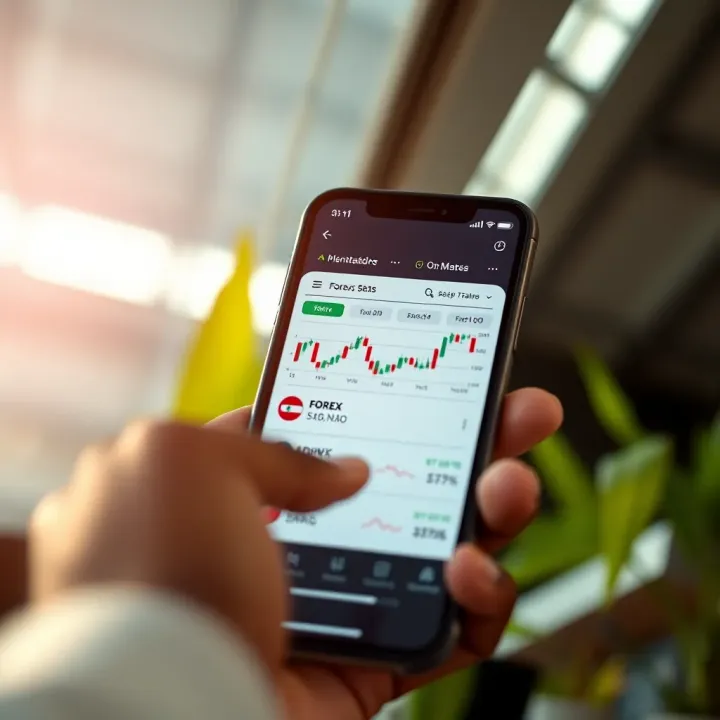
Choosing the right app can mean the difference between making smart trades and losing your money to delays, hidden fees, or scams.
The Nigerian market has some solid options like Binance, MetaTrader 4 (MT4), and FXTM. Each brings something different to the table: MT4 offers advanced charting tools, Binance integrates crypto and forex, while FXTM provides managed account options ideal for less experienced traders.
When selecting an app, Nigerian users should check:
Regulation and licence: Ensure the app is authorised by reputable bodies such as the Nigerian Securities and Exchange Commission (SEC).
Ease of use: The app should have a clear interface since complicated layouts can cost you precious seconds in a fast-moving market.
Local payment support: Supporting naira deposits and withdrawals simplifies fund management.
Customer service: Responsive support is crucial, especially when trading live.
Trading forex through apps also means you must be aware of risks like volatile exchange rates, especially with the naira’s well-known fluctuations. Using apps with strong security like two-factor authentication (2FA) reduces chances of hacking.
Understanding the market and your trading strategy remains vital. Start small, monitor your trades regularly, and use demo accounts when available to practise without risking real money.
This article will guide you through the practical steps to make these apps work best for your trading goals in Nigeria.
Grasping how forex trading apps function is vital for Nigerians keen on tapping into currency markets confidently. These apps put the power of global forex trading right in your pocket, cutting out the need for bulky software or specialised equipment. Understanding them helps you pick the right tools that match your trading style, reduce risks, and seize market moves swiftly.
A forex trading app is a software application designed to let users buy and sell foreign currencies via their smartphones or tablets. The app connects individual traders directly to forex markets, enabling them to place trades, monitor currency prices, and manage their portfolios in real time. For instance, a Lagos-based trader can conveniently trade USD/NGN pairs while commuting or at home.
Unlike traditional forex trading, which often requires a desktop platform at a fixed location or dealing through brokers exclusively via calls or emails, the app approach is mobile and instant. It removes geographical barriers, allowing Nigerians from anywhere—be it Abuja, Kano, or Port Harcourt—to engage in forex trading without delay or complex setups.
Accessibility is a game changer here. With just a smartphone and internet connection, individual traders can enter the forex market, which was once reserved for banks or large institutions. Many apps offer beginner-friendly interfaces and demo accounts, making it easier for new traders to learn by practise before risking real ₦.
Forex trading apps serve as a bridge, linking users directly to global currency markets. When you log into an app, it connects through brokers or liquidity providers to access live price feeds and execute orders on your behalf. This immediate connection enables Nigerian traders to respond quickly to market shifts.
Different order types—market, limit, stop-loss—are available within the app to help control entries and exits. For example, a trader anticipating a drop in EUR/USD can set a limit order to sell at a preferred price without constantly monitoring the screen. The app handles execution once conditions are met.
Real-time data is a standout feature. Continuous price updates, chart movements, and news alerts keep traders informed. In Nigeria, where power outages and internet fluctuations occur, apps optimise data flow to maintain steady updates as much as possible. This instant access to information means traders can make timely decisions rather than relying on delayed reports.
Using a forex trading app effectively means staying connected to the pulse of the market wherever you are. It turns your phone into a trading centre that fits your day-to-day lifestyle without missing critical moments.
Overall, understanding these basics enables you to choose apps that align with your needs and trade smarter in Nigeria’s growing forex ecosystem.
Choosing the right forex trading app goes beyond just picking one with flashy names or countless downloads. You want features that make your trading experience smoother, safer, and more effective. In Nigeria, where internet speed can be iffy and security is a top concern, certain app qualities matter more than ever. Whether you’re a professional trader monitoring the ₦/US$ fluctuations or a beginner testing the waters, understanding what to look for will save you time and losses.
An intuitive navigation system is critical. A well-designed app allows you to find your way around quickly—no one wants to waste precious minutes hunting for order settings or portfolio views. Think of it like an okada rider who knows the quickest pothole-free routes; the app should guide you effortlessly through trading menus, charts, and account management. Simple icons, clear labelling, and logical layouts reduce errors, especially when you need to react fast during market swings.
Since many Nigerians rely on smartphones with varying performance abilities, your forex app must work well on different devices and data speeds. An app that is responsive adjusts smoothly between devices like an MTN SIM working on a Nokia and a latest Samsung phone. Slow-loading pages or lag in executing trades can cause missed opportunities or losses. Good compatibility ensures you can trade on the go, even with limited data or spotty connection, critical for Lagos commuters or traders outside major cities.
Charts reveal market trends, and a top-notch app offers varied types like candlestick, line, and bar charts. These tools help you spot patterns to decide when to buy or sell. For example, an app with adjustable time frames and drawing tools makes it easier to analyse support and resistance levels. Nigerian traders, especially those watching dollar rates, benefit from apps that provide clear, detailed charts that update in real time.
Having access to key economic events from Nigeria and global markets—such as CBN monetary policy announcements or US inflation data—is essential. An integrated economic calendar alerts you ahead of important dates, helping you prepare for volatility. Live news feeds within the app deliver relevant info without switching to other sources, preventing missed signals during the busy ember months.
Look out for apps offering stop-loss and take-profit settings, which help limit losses or lock in gains automatically. Some apps provide margin call alerts to warn when your leverage is overstretched—a useful feature in Nigeria, where high leverage often catches traders off guard. These tools protect your capital and encourage disciplined trading, essential in volatile markets.
Forex apps collect sensitive info, including BVN and financial details. Apps must use encryption protocols like SSL/TLS to secure data during transmission. In the Nigerian context, where cybercrime is rising, data protection shields you from identity theft or account hacking. An app with robust security reassures users it takes privacy seriously.
Always pick apps licensed by reputable bodies, such as the Securities and Exchange Commission (SEC) Nigeria or international authorities like FCA or CySEC. Regulatory oversight demands fair practices and protects traders from unscrupulous brokers. Nigerian traders should verify if the app supports compliance with local laws, ensuring your funds and profits are guarded.
This extra security step requires a second verification—usually a code sent to your phone or email—besides your password. Two-factor authentication is a must-have feature because it blocks unauthorised access even if your password is compromised. Especially for Nigerian traders using shared or public networks, it adds a critical layer of safety.
Strong security, user-friendly design, and smart trading tools form the backbone of any forex trading app in Nigeria. Paying attention to these key features can significantly improve your trading outcomes and protect your investment in a challenging market.
Choosing the right forex trading app is key for Nigerian traders who want smooth access to global currency markets. Popular apps blend functionality, reliability, and support tailored to Nigeria’s unique market conditions, such as banking channels and data connectivity. Exploring local and international options, along with fees and payment methods, helps traders pick what suits their style and budget.
Apps with strong Nigerian support offer benefits that go beyond just the trading platform. Such apps typically provide customer service with local agents who understand Nigerian regulatory nuances and the naira’s frequent fluctuations. For example, platforms like Chaka FX and Investing.com’s Nigerian version offer seamless integration with local banks and make depositing and withdrawing naira relatively straightforward. This local backing often saves traders from frustrating delays or extra charges common with foreign platforms.
Apps commonly used worldwide such as MetaTrader 4 (MT4), MetaTrader 5 (MT5), and Interactive Brokers bring global liquidity and advanced features. These platforms attract Nigerian traders who seek more sophisticated tools and access to a wider range of currency pairs. However, users should be aware of potential challenges like currency conversion fees or limited customer support tailored to Nigerian users. Still, their broad acceptance and proven track record make them a staple for serious forex traders.
Comparison of fees and user experience is a practical consideration since trading costs eat into profits. Local apps often charge lower commission and zero withdrawal fees for naira transactions, but might have fewer features. On the other hand, international apps may offer advanced technical analysis tools but come with higher spreads or account inactivity charges. User interfaces also differ: platforms like MT4 are feature-rich but can overwhelm beginners, while Nigeria-focused apps prioritise simplicity for ease of use.
Nigerian bank integration is vital for quick, secure fund transfers. Apps connected to Nigeria's banking system using the NIBSS Instant Payments (NIP) infrastructure allow users to fund accounts directly from banks such as GTBank, Zenith, or Access Bank. This reduces time lost in manual transfers and eases currency conversion worries. Integration also lowers reliance on third-party services that might charge hefty fees.
Mobile money and wallet options add flexibility, especially where bank accounts aren’t always used. Platforms accepting payments via wallets like OPay and PalmPay cater to the growing cashless economy, helping traders deposit and withdraw with ease. These options are especially useful for younger traders who prefer app-based wallets over traditional banks, avoiding long queues and paperwork.
Withdrawal processing times directly affect trader confidence. Nigerian-focused apps often process withdrawals within 24–48 hours, matching local expectations for speed. International apps might take several business days, depending on the intermediary banks and currency conversions involved. Traders should factor this into their strategy, especially during high volatility when timely cashout matters a lot.
Opt for apps that combine strong Nigerian payment support with low fees to maximise your trading efficiency and minimise hassles. With the right platform, you can spend less time worrying about funds and more time reading market trends.
Using forex trading apps opens up opportunities, but it also comes with significant risks that every Nigerian trader should understand. Being aware of these challenges helps you make better decisions, protect your funds, and build a more sustainable trading practice.
Currency price fluctuations represent one of the most immediate dangers in forex trading. Currency values can swing wildly in short periods due to geopolitical events, economic data releases, or sudden global shocks. For example, the naira often weakens sharply against the dollar during periods of fuel scarcity or changes in CBN foreign exchange policies. If your position moves against you, losses can build up quickly.
Leverage effects magnify both gains and losses. Many forex apps allow traders to borrow multiple times their initial capital, sometimes up to 100 times or more. While leverage can boost profits, it also exposes you to losing more than your invested capital. For instance, putting ₦10,000 with 50x leverage means you trade ₦500,000 in the market, so a small price move against you can wipe out your entire stake fast.
The impact on traders in Nigeria is especially pronounced because of the country’s volatile economic environment and currency risks. Many Nigerian traders face currency devaluation pressures and unstable monetary policies that heighten these risks. Additionally, internet reliability and sudden power outages can interrupt trading activities, adding operational risk compared to stable markets abroad.
Identifying fake apps and brokers is crucial to protect yourself. Scam apps often mimic popular platforms but lack proper regulation or sound infrastructure. They may offer unrealistic returns or guarantee profits, which is a red flag. For example, some unregulated brokers advertise on social media promising quick ₦-million gains without any trading experience.
Common scams targeting Nigerian traders include phishing schemes to steal login credentials, fake withdrawal delays to trap funds, and impersonation of legitimate firms. There have been cases of traders losing funds to bogus apps that disappear overnight or refuse withdrawal requests.
To safeguard your money, precautions to avoid fraud include verifying brokers with Nigeria’s Securities and Exchange Commission (SEC), checking app store reviews carefully, and using two-factor authentication. Avoid sharing sensitive details over email or WhatsApp and always use official app sources. Practising with demo accounts first also helps spot suspicious behaviour or technical flaws before risking real money.
Being alert to these risks helps you trade wiser, avoid costly mistakes, and keep your investment safe in Nigeria’s dynamic forex trading scene.
Successful forex trading on mobile apps in Nigeria hinges on understanding both the technical and practical sides of trading. The app makes access easy, but it's the trader's responsibility to manage risks and set clear goals. Unlike jumping into trading blind, following smart strategies ensures better control over your funds and reduces exposure to losses.
Practising without risking real money is essential for beginners. A demo account simulates real market conditions using virtual funds, allowing you to test trade executions, understand currency pairs, and experience the app interface fully without risking actual ₦. For instance, if you're cautious about diving straight into using real money, demo mode helps build confidence and reduces costly errors.
Understanding app features in demo mode means getting to grips with all the tools before committing real funds. This includes trying out charts, placing different order types, and exploring risk management options available on the app. For an app like MT4 or MT5, demo mode lets you familiarise yourself with various indicators and navigation, reducing the risk of making costly mistakes when live.
Using stop-loss orders is one of the most practical ways to limit losses. Setting a stop-loss means your trade will automatically close when losses hit a defined point, protecting your capital from unexpected market swings. This is especially useful in volatile periods, such as events affecting the naira exchange rate.
Limiting leverage controls how much you borrow to increase your trading position. While high leverage can amplify profits, it can quickly wipe out your account if the market moves against you. Many Nigerian traders make the mistake of maxing out leverage on apps, only to suffer heavy losses. Keeping leverage moderate helps mitigate such risks.
Tracking performance actively is crucial for growth. By regularly reviewing your trades and analysing what worked or failed, you can adjust strategies to improve. Most apps provide performance reports—use these to identify patterns, profitable pairs, or the impact of news on your trades.
Following Nigerian economic indicators like inflation rates, Interest Rate decisions by the Central Bank of Nigeria (CBN), and foreign exchange reserves offers essential context for trading decisions. For example, during periods of naira depreciation, currency pairs involving the naira can move unpredictably.
Using app notifications for news keeps you aware of market-moving events without constant checking. Many apps integrate news feeds and economic calendars that send alerts about upcoming releases or geopolitical events affecting forex markets. This allows timely decision-making.
Adjusting strategies as needed means not sticking rigidly to one plan regardless of market reality. If you notice rising volatility or changes in economic indicators, adapting your approach—like tightening stop-loss or reducing trade size—can prevent unnecessary losses. Flexibility is a decisive factor among seasoned Nigerian traders.
Being deliberate and cautious in using forex apps safeguards your ₦ and increases your chances of making sustainable profits. Remember, the app is just a tool; how you use it counts most.
Discover how to choose and use reliable forex trading websites in Nigeria 🇳🇬. Learn key features, risk management, and legal tips to trade confidently online 💹.
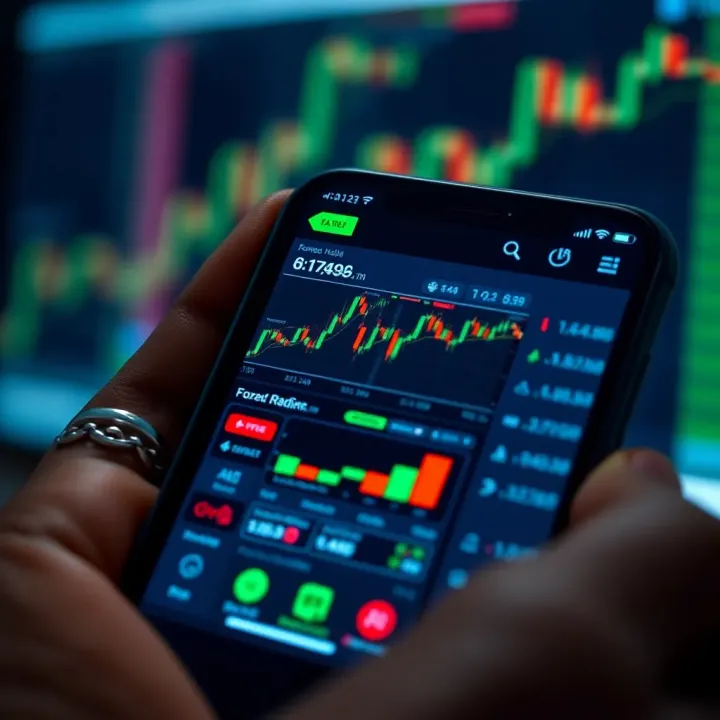
Explore top forex trading apps in Nigeria 📱, focusing on security, usability, and key features for smarter trades. Get practical tips to boost your trading game!

📈 Looking to start trading with low deposit in Nigeria? Learn how to pick trading apps with affordable fees, solid security, and smart tips to grow your ₦ safely.

Explore how to choose the right forex trading platform in Nigeria 🇳🇬. Learn about reliable options, regulatory tips, risks, and ways to safeguard your ₦ investments wisely.
Based on 8 reviews