
Choosing the Right Forex Trading Apps in Nigeria
Explore top forex trading apps in Nigeria 📱, focusing on security, usability, and key features for smarter trades. Get practical tips to boost your trading game!
Edited By
Isabella Grant
Forex trading in Nigeria has grown rapidly, attracting investors keen to earn from currency fluctuations. But jumping in without picking a reliable forex trading website can lead to losses or security risks. This section sets the stage on how you can spot a trustworthy platform and use it effectively to trade forex.
Online forex trading platforms serve as your gateway to the international currency market. They provide tools to analyse price movements, execute trades, and manage funds in real-time. Unlike traditional banks or brokers, these websites offer faster access and lower fees. However, the Nigerian market has seen many scams and unstable platforms. Selecting a credible website safeguards your capital and ensures smooth trade execution.
Trading forex is as much about your platform as your strategy — a poor choice means you’re fighting odds from the start.
To avoid pitfalls, Nigerian traders should vet forex websites carefully:
Regulation and Licence: Confirm the platform is regulated by recognised authorities such as the Nigerian Securities and Exchange Commission (SEC) or internationally respected bodies like FCA (UK) or CySEC (Cyprus). This reduces risk of fraud.
Ease of Use: The interface should be straightforward, supporting local payment methods like bank transfers, USSD, or mobile money.
Trading Tools: Look for charts, indicators, and automated trading features to improve decision-making.
Customer Support: Responsive, local-language support can help resolve issues without delay.
Security Features: Two-factor authentication (2FA) and encrypted data safeguards are non-negotiable.
Once you find a suitable website, open a trading account by providing your Bank Verification Number (BVN), valid ID, and proof of address. Most sites offer demo accounts — use this to practise without risking real money. Fund your account with affordable deposits, often ₦5,000 or more, depending on the site.
From there, you can trade popular forex pairs like USD/NGN, EUR/USD, or GBP/USD. Always track market news and Central Bank of Nigeria (CBN) announcements as they influence currency movements.
With the right platform and awareness, you’re ready to trade forex confidently in Nigeria’s vibrant market.
Understanding forex trading and the platforms where it happens is vital for any Nigerian eager to tap into this market. Forex involves buying and selling currencies, where success hinges on timely decisions and access to reliable tools. Knowing the basics helps you identify opportunities without falling victim to scams common in unregulated corners.
Forex trading is the exchange of one currency for another at fluctuating rates. This global market operates 24 hours on weekdays with a daily turnover exceeding $6 trillion. In Nigeria, traders participate primarily through online platforms, aiming to profit from changes in exchange rates caused by economic events, interest rates, or geopolitical factors.
The practical relevance lies in grasping terms like "pip" (the smallest price move), "lot size" (amount of currency traded), and "leverage" (borrowed funds to increase position size). Knowing these helps you manage risks and enhance strategy.
Currencies are traded in pairs, such as USD/NGN or EUR/USD. The first currency (base) is bought or sold against the second (quote). For example, if you trade USD/NGN, you speculate on how many naira one dollar can buy. Movements in this pair reflect Nigeria’s economic conditions and US dollar trends.
Understanding pairs is crucial for Nigerian traders who might focus on majors like USD/NGN or popular crosses. This helps in targeting pairs with good liquidity and manageable spreads, reducing trading costs.
Though forex is a 24-hour market, its activity peaks during specific sessions: Asian (Tokyo), European (London), and American (New York). Nigerian traders operate primarily during London and New York sessions, roughly 8am to 4pm WAT, when the market is most liquid.
Trading at these times ensures better price quotes and less volatility. For instance, naira pairs tend to move more predictably during London hours due to Nigeria’s close economic ties with Europe.
Traditional forex trading involved face-to-face dealings and phone orders, limiting access mainly to institutions or wealthy individuals. The rise of online platforms has democratised access, enabling anyone with internet and minimal capital to join.
For Nigerian traders, this shift means the ability to trade conveniently from smartphones or laptops. Platforms like MetaTrader and brokers supporting Nigerian payment options have made trading more accessible.
Online forex platforms offer several advantages: instant account funding, real-time price updates, and advanced charting tools. Nigerians can trade from anywhere—even while waiting in traffic or at a mama put—unlike years ago when in-person interactions were necessary.
Moreover, demo accounts let beginners practice without risking naira, while live chat support helps resolve issues quickly. These features boost trader confidence and skill development.
Despite advantages, Nigerians face hurdles like unstable internet, unreliable power supply, and difficulties with local deposit or withdrawal methods. These can delay trades or access to funds, exposing users to market risks.
Also, scam websites and unregulated brokers target Nigerians due to low awareness. Hence, verifying platform legitimacy and prioritising regulated brokers is critical before committing.
Remember: A solid understanding of forex basics combined with choosing the right online platform can significantly improve your trading experience and profitability in Nigeria.
Selecting a trustworthy forex trading platform is essential for anyone looking to invest in Nigeria’s growing forex market. The right website ensures your funds are secure, transactions are transparent, and trading tools are reliable. Given the number of options available, some with dubious credentials, Nigerian traders must pay attention to key factors like regulation, user experience, and support services to avoid scams and maximise their chances of success.
Regulation by Securities and Exchange Commission (SEC) Nigeria and other financial watchdogs is a non-negotiable factor in choosing a platform. Regulatory approval means the platform follows set rules to protect traders’ interests. For example, platforms registered with SEC Nigeria must adhere to strict transparency and operational standards. Without this, you risk dealing with unlicensed brokers who may disappear with your money or manipulate trades unfairly.
Security is equally critical. Look for forex sites that use strong encryption protocols—usually SSL (Secure Socket Layer)—to protect sensitive data like passwords and bank details. Nigerian traders should confirm that the website employs two-factor authentication (2FA) to add another layer of defence against unauthorised access. A platform lacking these features puts your account and personal information at risk, which can quickly lead to financial loss.
Most Nigerian traders rely heavily on mobile devices because they offer flexibility and convenience. Choosing a website with a fully functional mobile app or a responsive mobile site is vital. This ensures you can monitor and execute trades quickly even during Lagos traffic jams or while commuting on an okada. Platforms like MTN’s Momo and OPay also show the growing expectation for seamless mobile integration.
Navigation and account management should be straightforward. An intuitive interface reduces the chance of costly mistakes when placing orders or withdrawing funds. For instance, a well-organised dashboard where you can view your trading history, open positions, and balance at a glance is a huge advantage. Avoid sites cluttered with confusing menus or slow-loading pages that frustrate you and waste precious trading time.
Having responsive customer support available during Nigerian business hours (usually 9 am to 6 pm WAT) can make a big difference when issues arise. Whether you need help fixing a login problem or clarifying a trade, fast and helpful support reduces downtime and stress. Some platforms even offer WhatsApp or call centre contact options tailored to Nigerian users, making communication easier.
Trading education is often overlooked but crucial. Look for platforms that provide localised tutorials, webinars, and articles that build your skills and knowledge. For example, a beginner trader in Abuja may benefit from materials explaining how Central Bank of Nigeria (CBN) policies affect forex rates or how to use leverage safely. Educational resources empower you to make smarter decisions rather than relying on guesswork or hearsay.
Choosing a reliable forex website in Nigeria is about more than just fees; it’s about security, ease of use, dependable support, and building your competence for long-term success.
This approach ensures you protect your investments while navigating the forex market with confidence.
When selecting a forex trading website, understanding the core features is essential to trade efficiently and securely. These features determine your access to the market, cost of trading, and ease of managing your funds—critical factors for Nigerian traders who must navigate exchange rates and local payment challenges.
Popular currency pairs for Nigerians often include the USD/NGN pair because the US dollar remains central to Nigerian trade and investments. Pairs involving the euro (EUR), British pound (GBP), and South African rand (ZAR) also attract interest due to Nigeria's economic ties with Europe and Africa. Having access to these pairs allows traders to speculate or hedge based on familiar economic indicators and political events.
Beyond currencies, many forex platforms offer commodities like gold and crude oil, which resonate with Nigerians because oil is a significant part of Nigeria's economy. Access to indices such as the S&P 500 or Nigeria’s NGX All-Share Index can diversify traders’ portfolios. Likewise, cryptocurrencies like Bitcoin attract a growing number of Nigerian investors seeking alternative markets amid naira volatility. A good platform should provide a clear range of these instruments with real-time pricing.
Understanding transaction costs in naira is crucial because these expenses directly affect profitability. Platforms typically charge spreads—the difference between the buy and sell price—expressed in pips. Narrow spreads reduce costs, making trading more affordable. Additionally, some sites charge commissions per trade or fees for currency conversion, which Nigerians need to watch closely due to fluctuating forex rates.
Leverage lets traders control larger positions with smaller capital but comes with heightened risk. Nigerian traders should note typical leverage limits—often ranging from 1:20 to 1:100 depending on the platform and regulation. High leverage increases potential profit but amplifies losses, especially in volatile markets. Choosing a platform with adjustable leverage and clear risk warnings helps maintain responsible trading.
Platforms integrated with Nigerian payment methods simplify funding and withdrawals. Bank transfers and USSD codes from providers like GTBank, Access Bank, or Zenith Bank are popular because they are widely accessible and familiar. When a trading website supports these channels, it reduces delays and technical frustrations common with international transfers.
Withdrawal speed and charges also matter. Some platforms process payments within 24 hours, while others take several days, causing delays in accessing funds. Additionally, withdrawal fees can range from free to ₦2,000 or more per transaction, which eats into profits. Traders should prioritise platforms offering prompt, low-cost withdrawals to maximise liquidity and reduce unnecessary expenses.
Choosing a forex platform with a solid mix of accessible currency pairs, reasonable fees, flexible leverage, and convenient payment options is key for Nigerian traders to navigate the forex market confidently and efficiently.
Starting your forex trading journey on a website is the first critical step to accessing global currency markets from Nigeria. This phase involves setting up a verified account, funding it securely, and understanding how to execute your initial trades. Getting these right builds a solid base, so you avoid early pitfalls like account delays or costly mistakes.
In Nigeria, forex trading platforms often require the Bank Verification Number (BVN) and National Identification Number (NIN) during registration. These help confirm your identity and match your trading account to your Nigerian bank profile. For example, when opening an account on popular platforms like XM or HotForex, including your BVN reduces fraud risk and ensures compliance with Nigerian regulations.
Apart from BVN and NIN, you typically submit government-issued IDs such as a passport, driver’s licence, or voter’s card. This process confirms your identity and residency. The verification helps prevent identity theft and allows smooth withdrawals since trading platforms comply with Know Your Customer (KYC) rules. A verified account usually receives faster withdrawal approval.
Funding your trading account in Nigeria is convenient through local bank transfers, USSD codes, or payment apps like Opay and Flutterwave. These options avoid high foreign exchange fees and delay. For example, sending ₦50,000 from your GTBank account to your trading account via a standard bank transfer can be processed within the day, enabling timely trades.
Most forex websites set minimum deposits to start trading. Some allow as low as ₦10,000, while more advanced platforms may require ₦50,000 or higher. Knowing the minimum helps plan your capital, especially since margin requirements depend on the leverage ratio you choose. Starting with the platform's minimum deposit lets you test the waters without risking too much upfront.
Understanding order types is essential before placing trades. The main types include:
Market order: Buys or sells currency immediately at the current price.
Limit order: Sets a target price to buy or sell later if reached.
Stop-loss order: Automatically closes a trade to limit losses.
For instance, if you expect the USD/NGN rate to rise, a market order lets you buy instantly, while a limit order allows you to wait for a better price.
Most platforms offer demo accounts with virtual funds to practice without risking real money. Demo trading familiarises you with platform features, order placements, and market behaviour. This practice is vital to build confidence before risking actual funds. Many Nigerian traders use demos for weeks until they understand how to read charts and manage their trades effectively.
Starting forex trading online involves clear steps — verifying your identity, funding your account responsibly, and practising trading with demo accounts — all of which help you trade confidently in the Nigerian market context.
Successful forex trading in Nigeria hinges not just on selecting the right platform but also on managing risks effectively. The volatile nature of forex markets means Nigerian traders must be cautious and well-prepared to safeguard their investments.
Market volatility is a defining trait of forex trading. Currency values can change sharply within minutes due to global events or local developments, such as shifts in CBN monetary policy or international trade news. For Nigerian traders, this unpredictability can lead to quick profits but also sudden losses if trades are left unmanaged. For example, naira exchange rate fluctuations often trigger unexpected market swings that require attention.
Leverage misuse is another pressing concern. Many Nigerian forex platforms offer leverage up to 1:500, tempting traders to take larger positions than their capital permits. Though leverage can magnify gains, it also increases losses. A ₦50,000 trade with 100:1 leverage can turn into a ₦5 million exposure, which is risky for traders without proper experience or risk controls. Overleveraging has caused many novice traders to wipe out accounts quickly.
Scams and fraudulent schemes remain widespread in Nigeria's fast-growing forex space. Fake websites, unrealistic guarantees, and unlicensed brokers lure unsuspecting Nigerians. Losing funds to these scams undermines trust and damages the wider market. Nigerian traders must verify broker licenses with SEC Nigeria or other recognised bodies and avoid platforms promising guaranteed returns or requiring hefty upfront fees.
Stop loss and take profit orders are essential tools to control losses and secure gains automatically. Setting a stop loss instructs the platform to exit a trade once losses hit a specific threshold, preventing large drawdowns. Similarly, a take profit order locks in profits when a target price is reached. For Nigerian traders managing tight budgets, these features reduce the stress of monitoring trades around the clock.
Risk management and diversification strategies further shield investments. Traders should avoid putting all capital in one currency pair or instrument. Diversifying across major pairs like USD/NGN, EUR/USD, and commodities such as gold can spread risk. Moreover, limiting each trade to a small percentage of the total account balance – typically 1-2% – helps preserve funds during downturns. Sound strategies like these keep trading sustainable in the long run.
Following CBN policies and global forex news is crucial for Nigerian traders. Central Bank of Nigeria announcements on interest rates or foreign exchange controls often affect naira liquidity and exchange rates. International news — including US Federal Reserve decisions and geopolitical developments — also shapes currency movements. Staying updated through reliable financial news sources equips traders to anticipate and react wisely.
Utilising indicators and analysis on trading platforms empowers traders to make data-driven decisions. Most platforms offer tools like moving averages, Relative Strength Index (RSI), and Fibonacci retracements to spot trends and potential reversal points. Nigerian traders who learn to interpret these signals can enter and exit trades at better times, improving their chance for profit and reducing unnecessary risk.
Managing risks is not about eliminating losses but about controlling exposure. Nigerian traders who combine knowledge, tools, and discipline position themselves for more consistent success in forex trading.
Understanding the legal and financial landscape is key for anyone trading forex in Nigeria. Knowing what rules apply, how taxes work, and spotting scams can protect you from losses and legal troubles. This section sheds light on these essential areas, giving you confidence as you navigate the forex market.
The Securities and Exchange Commission (SEC) and the Central Bank of Nigeria (CBN) oversee forex trading activities in Nigeria. SEC Nigeria regulates capital market activities, ensuring that trading platforms comply with the law and maintain fair trading standards. Meanwhile, CBN controls foreign exchange policies and oversees currency regulations. Together, they create an environment to protect traders and the economy.
For example, platforms operating without SEC approval may not meet security or transparency standards, exposing users to greater risk. Therefore, trading on SEC-registered websites helps ensure your investments are safer and disputes are more easily handled.
Regarding legality, forex trading itself is legal in Nigeria, but it must comply with existing financial laws. The CBN discourages unauthorised forex exchanges outside approved dealers or platforms. Traders should avoid dealing in black market forex or unregulated brokers, as such practices can lead to legal penalties or loss of funds.
Profits made from forex trading are subject to taxation by the Federal Inland Revenue Service (FIRS). Nigerian traders must declare their gains as part of personal income tax filings. Keeping up with this responsibility avoids future penalties or interest that may arise from tax under-declaration.
Maintaining accurate records is crucial for tax and financial management. This includes documenting all trades, deposit and withdrawal receipts, and any fees paid. Such records support proper tax filing and serve as evidence if disputes arise. Platforms with good account statements simplify this task, so look for websites that provide detailed transaction histories.
Keeping clear, chronological trade records not only helps with taxation but also improves your trading strategy, allowing you to analyse past moves and adjust accordingly.
The forex space in Nigeria has seen many fake platforms and schemes promising high returns with little risk. Recognising these scams is vital. Signs include promises of guaranteed profits, unsolicited sales calls, lack of verifiable regulatory information, and poor-quality websites with limited contact details.
To verify legitimacy, traders should:
Check for SEC registration and CBN compliance certificates.
Read reviews from credible Nigerian financial news sources and forums.
Confirm customer service responsiveness, especially during Nigerian business hours.
Avoid platforms that request unusually large minimum deposits upfront or push aggressive marketing tactics.
By carefully vetting a platform’s credentials and track record, traders can avoid wasting money and falling for fraud. Trustworthy websites often provide clear terms and conditions, plus education resources to empower users.
Navigating the forex market successfully in Nigeria depends not just on skill but also on understanding the rules and protecting yourself financially and legally. Paying attention to these considerations sharpens your edge and shields you from common pitfalls.
Explore top forex trading apps in Nigeria 📱, focusing on security, usability, and key features for smarter trades. Get practical tips to boost your trading game!
Discover how to choose the best forex trading platform in Nigeria 🇳🇬. Learn about key features, regulations, top local platforms, and smart tips for safer trading.
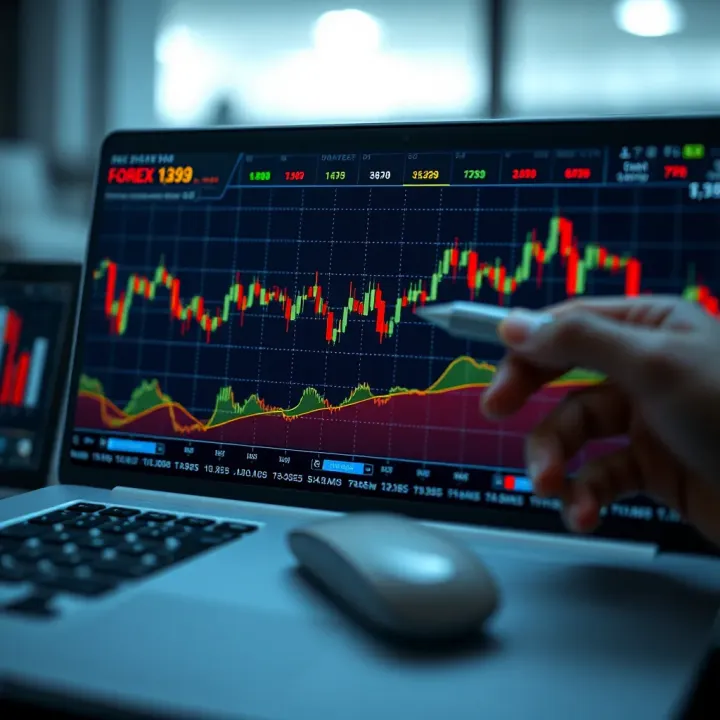
Discover key tips for Nigerian investors to choose the best forex trading approach 💹. Learn market basics, broker selection, risk management, and avoid pitfalls for better trading outcomes.
Discover how Nigerian traders can spot reliable forex trading signals 📈. Learn to choose signal providers wisely and manage risks for better profits 💡.
Based on 6 reviews