
Understanding Binary Gender and Its Impact in Nigeria
Explore binary gender's history, cultural impact, and the growing acceptance of non-binary identities in Nigeria 🌍👥 Gender beyond the binary.
Edited By
Liam Foster
The gender binary is the classification of people strictly as male or female, based on biological sex at birth. This system often assumes that everyone fits clearly into these two categories, shaping expectations around behaviour, roles, and identity. In Nigeria, as in many other societies, these rigid categories influence personal decisions, social interactions, and even policy measures.
The roots of the gender binary trace back to both biological observations and cultural traditions. For example, most traditional Nigerian communities assigned distinct roles to men and women, such as men being the primary breadwinners while women managed domestic tasks. These clear divisions reinforced the idea that only two genders exist and must conform to specific norms. However, this outlook overlooks the diversity of gender experiences, especially for those who do not fit neatly into male or female roles.

The gender binary limits personal freedom and excludes people who identify outside of the conventional male-female divide, often leading to social stigma and exclusion.
In recent years, the discussion has widened to include non-binary, transgender, and gender-nonconforming individuals. These groups experience unique challenges in Nigeria, where social and legal recognition is limited. For instance, Nigerian laws and institutions predominantly operate under the binary assumption, affecting access to healthcare, education, and employment opportunities for those who do not conform.
Understanding the gender binary means recognising its impact on multiple levels:
Personal identity: How individuals see themselves and express who they are.
Social expectations: Pressure to behave according to assigned gender roles.
Policy decisions: Laws and regulations that assume and enforce the binary model.
For traders and investors, awareness of the gender binary's implications matters because social stability and inclusivity influence market dynamics and talent utilisation. Educators and analysts benefit from understanding these factors to support inclusive learning and promote equitable economic participation.
Looking closely at Nigerian society reveals the limits of traditional binaries and points toward more inclusive approaches. As awareness grows, new narratives and policies may emerge that better reflect the realities of gender diversity, helping to foster a fairer and more productive society.
Understanding the gender binary is essential for grasping how society classifies and expects individuals based on their perceived gender. The gender binary divides people strictly into male and female categories, shaping personal identities, roles, and social interactions. This classification influences everything from workplace dynamics to public policy, making it relevant for traders, investors, educators, and policymakers alike.
A clear grasp of the gender binary helps identify systemic patterns that affect economic participation, educational opportunities, and legal frameworks. For example, in many Nigerian workplaces, roles and expectations often align with these binary categories, affecting hiring, promotion, and leave policies. Recognising how the gender binary operates can also help organisations develop more inclusive practices that respect diversity beyond customary male-female distinctions.
The gender binary refers to the classification of gender into two distinct and opposite forms: male and female. These categories are generally linked to biological differences such as chromosomes, reproductive organs, and hormonal profiles. In practical terms, most societies, including Nigeria, use these categories to assign social roles and responsibilities, from domestic expectations to career paths.
This binary system simplifies complex human experiences into two boxes, often ignoring the nuances within personal identities. For instance, though a person assigned male at birth may be expected to exhibit strength and leadership, and a female to be nurturing and caring, these expectations do not always reflect individual realities. Recognising this distinction is necessary for challenging stereotypes and promoting equity.
Several Nigerian and African cultures traditionally embrace a gender binary, often reinforced by longstanding customs and religious beliefs. Colonial influence also implanted Western binary gender norms through legal systems and education, which persist in modern governance and social institutions. These layers have combined to entrench the male-female divide as the default understanding of gender.
For example, the patriarchal structure common in many Nigerian communities assigns leadership to men and caretaking to women, perpetuating binary roles. However, prior to colonial interference, certain ethnic groups recognised roles or statuses that blurred or transcended these binaries, though these have largely been suppressed or forgotten.
The gender binary is maintained through everyday social expectations that dictate how men and women should behave, look, and even interact. In Nigeria, boys are encouraged to be assertive and independent, while girls often face pressure to be modest and family-oriented. These norms affect education choices, career ambitions, and personal freedoms.
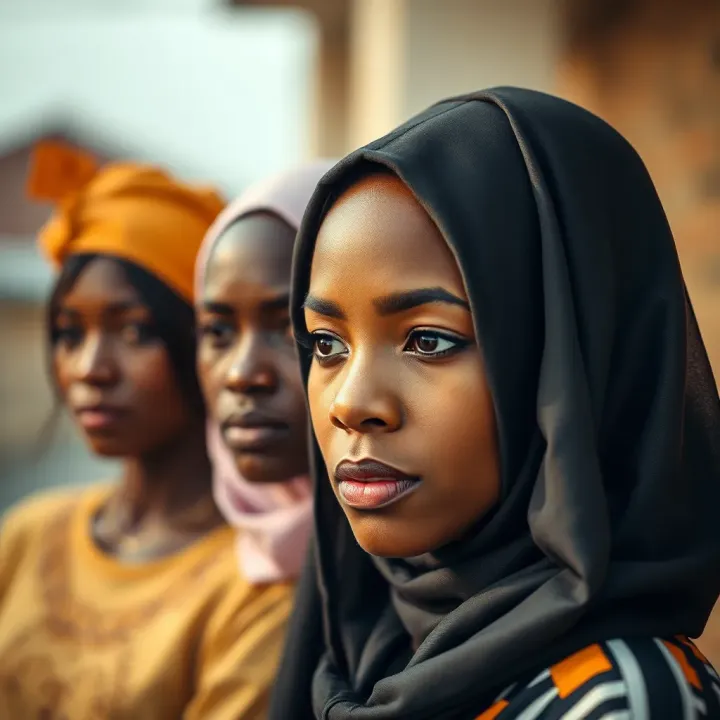
Such expectations limit individuals to predefined roles, which can discourage deviation or exploration of different gender identities. This rigidity impacts mental health and social mobility, as people struggle to fit into narrow boxes that may not represent their true selves.
From primary school teaching materials to popular Nollywood films, narratives frequently reflect and enforce the gender binary. Textbooks may depict men as active decision-makers, while women appear in supportive domestic roles. Television shows and adverts similarly reinforce gendered stereotypes through characterisation and storylines.
Families also play a critical part; parents often socialise children into binary roles through toys, chores, and discipline styles. This early conditioning supports societal norms and makes acceptance of non-binary or fluid gender identities more difficult. For example, girls may routinely be tasked with cooking lessons, while boys undertake outdoor chores, reinforcing divisions that last into adulthood.
The gender binary shapes much more than identity; it influences economics, social policy, and everyday interactions. Recognising how it operates helps create space for more inclusive practices that respect all Nigerians, regardless of gender identity or expression.
By understanding these dimensions, stakeholders across sectors can better appreciate the implications and begin adapting systems to be more flexible and just.
The gender binary framework, categorising individuals strictly as male or female, overlooks a broad spectrum of gender identities. This simplistic model sharply curtails understanding and excludes those who do not fit neatly into these categories. Recognising these limitations is crucial, especially for sectors like education and human resource management, where rigid gender norms can hinder personal development and workplace inclusivity.
Non-binary and gender fluid identities challenge the traditional binary by existing outside or between the male-female divide. For example, some Nigerians identify as 'Agender' or reject fixed gender entirely, which the binary model fails to acknowledge. This invisibility can restrict access to appropriate healthcare, legal recognition, and social acceptance, making it harder for such individuals to express their identities openly.
Traditional African cultures also reveal more complex gender understandings beyond the western binary. In some Nigerian communities, roles assigned by gender are fluid or linked to social functions rather than strict biological sex. Amongst the Igbo, some spiritual roles were historically open regardless of gender, illustrating that rigid gender norms are not universal but imposed through colonial and contemporary influences. These perspectives provide practical insights for rethinking gender inclusivity in modern Nigeria.
Transgender and non-conforming individuals frequently face unique challenges in Nigeria due to entrenched binary perceptions. Accessing gender-appropriate healthcare, such as hormone therapy or counselling, remains difficult with limited specialised services. This lack often worsens mental health issues, including anxiety and depression, which are common within these groups. For investors or policymakers, ignoring such challenges can mean overlooking critical social determinants affecting workforce stability and productivity.
Stigma and discrimination further deepen social exclusion. Instances of verbal abuse, workplace harassment, or family rejection for gender non-conforming people are widely reported. This social marginalisation fuels a cycle of isolation and economic disadvantage, particularly since legal protections for LGBTQ+ Nigerians are minimal and often unenforced. Understanding these harsh realities can help businesses and educators create safer environments that promote equity and harness diverse talents.
Societies that stick rigidly to the gender binary risk sidelining vast groups of people, ultimately constraining social progress and economic growth.
Expanding legal and institutional recognition to cover diverse gender identities
Developing inclusive healthcare policies addressing specific needs
Promoting education reforms that embrace gender diversity for social cohesion
By acknowledging these limitations, stakeholders can begin to dismantle barriers, fostering a society more accommodating to everyone’s identity and potential.
The concept of the gender binary holds deep roots in Nigerian society. It influences social interactions, economic roles, and legal definitions, shaping how individuals and institutions understand gender. In a nation as diverse as Nigeria, with over 250 ethnic groups, the binary model often intersects with cultural traditions and religious teachings, affecting daily life from family arrangements to workplace expectations.
Traditional Nigerian societies often assign distinct roles and responsibilities based on gender. For example, among the Yoruba, men typically hold leadership and decision-making positions within the family and community, while women are often caretakers and responsible for domestic tasks. These roles are not just social but carry economic weight, influencing who inherits property or controls family resources. Such customs have persisted for generations, promoting a clear male-female division that aligns with the gender binary.
These cultural expectations shape behaviour and opportunities. In northern Nigeria, Hausa communities often emphasise masculinity through public leadership and land ownership, while women's roles focus on home management and child-rearing. This cultural demarcation under the gender binary affects educational access and career choices, often limiting women's participation in formal economic sectors.
Religion also plays a pivotal role in reinforcing the gender binary in Nigeria. Christianity and Islam, which together represent the majority faiths, both advocate distinct roles for men and women as perceived divine order. For instance, many Christian denominations in Nigeria teach male headship in family and church leadership, while women are encouraged to focus on nurturing roles.
Similarly, Islamic teachings in Nigeria often stress the protection of women within specific gender roles, emphasising modesty and family duties. These religious frameworks influence community norms, affecting policy and social attitudes towards gender non-conformity. For example, places of worship may not accept transgender individuals, reinforcing exclusion and limiting public discourse on gender diversity.
Nigerian labour laws predominantly recognise the gender binary, defining workers as male or female, with specific legal protections and rights accordingly. For instance, maternity leave policies are explicitly designed for women, while paternity leave provisions remain minimal or non-existent. This binary approach can exclude non-binary or transgender workers, denying them appropriate workplace recognition or protections.
Moreover, workplace dress codes and expectations often assume traditional gender presentation, which may put non-conforming employees at a disadvantage. Such legal arrangements reinforce gender divisions and affect employment equity.
Nigeria’s legal environment remains largely unfriendly to LGBTQ+ individuals, reflecting societal adherence to the gender binary. The Same-Sex Marriage (Prohibition) Act 2014 criminalises same-sex relationships, limiting recognition and protection for non-cisgender identities. This legal stance perpetuates stigma and restricts access to justice for gender-diverse Nigerians.
Nonetheless, there are growing voices advocating for change within Nigerian civil society and among some policymakers. Realising the need for inclusion, some organisations push for awareness campaigns and legal reforms to protect gender minorities from discrimination and violence.
The gender binary in Nigeria is deeply entwined with cultural, religious, and legal institutions. Understanding these influences is essential to address the challenges non-conforming individuals face and to explore pathways for social and legal inclusion.
In summary, the Nigerian context reinforces the gender binary not just as a social idea but as an institutional practice with real-world implications. Whether in markets, family settings, or public policies, gender roles remain sharply defined, impacting individual freedoms and societal progress.
Understanding evolving views and alternatives to the gender binary is essential for grasping how societies worldwide are shifting from rigid male–female categories towards a more inclusive appreciation of gender diversity. This shift has practical benefits, from reducing discrimination to fostering environments where all individuals can thrive without being confined to narrow expectations. Particularly for Nigerian contexts, recognising these changes invites fresh conversations about policy, workplace culture, and education.
Globally, the adoption of inclusive language and policies signals growing awareness that gender is not just male or female. Countries across Europe and North America have begun updating official documents to include options beyond "M" or "F", recognising identities such as non-binary or genderqueer. Institutions now often use gender-neutral pronouns and provide inclusive facilities to accommodate this diversity. These moves reflect practical steps towards ensuring all people feel acknowledged and protected under the law.
In Nigeria, discussions on gender inclusion face more complexity due to cultural and religious factors. Yet, there are Nigerian voices advocating for change, often through civil society organisations, human rights groups, and creative platforms. Figures like Nigerian LGBTQ+ advocates and some progressive academics challenge harmful stereotypes and push for broader recognition of gender diversity. Their work highlights the need for Nigeria to consider more flexible approaches to gender, especially as younger generations seek spaces where they can express authentic identities openly and safely.
Education and awareness campaigns play a vital role in shifting perceptions around gender in Nigeria. These campaigns, often organised by NGOs or social activists, aim to inform the public about gender diversity beyond traditional binaries. By using relatable stories and culturally sensitive messaging, they reduce stigma and encourage empathy. For example, community workshops explaining that gender is a spectrum rather than fixed categories help break down longstanding misconceptions.
In the workplace, inclusion efforts are equally critical. Nigerian companies and organisations that implement anti-discrimination measures promote equity by protecting employees from bias based on gender identity. Some firms have started revising their policies to allow for preferred pronouns, dress codes, and equitable bathroom access. These practical steps contribute to safer, more respectful environments, which improve employee productivity and morale. Investors and financial analysts keen on ESG (Environmental, Social, and Governance) factors should note that workplaces embracing gender inclusion often experience better brand reputation and talent retention.
Recognising and implementing alternatives to the gender binary is not just a human rights matter but also a business and social imperative in today's interconnected world.
Evolving from strict gender binaries towards diverse gender recognition involves a combination of global influence and local activism, supported by education and policy change. Nigeria’s path forward will depend on how these elements interact within its unique cultural landscape.
Explore binary gender's history, cultural impact, and the growing acceptance of non-binary identities in Nigeria 🌍👥 Gender beyond the binary.

📊 Interested in binary trade? Discover how Nigerian investors can navigate this simple yet risky market, weigh benefits, and trade smart for ₦ gains safely.

📊 Discover how binary signals simplify trading decisions in Nigeria. Learn their pros, cons, reliable sources, and tips to boost your ₦ trading success today!

Explore how the binary system powers computing, digital security, and telecommunications in Nigeria's tech scene 💻. Understand binary basics vs decimal, plus arithmetic.
Based on 5 reviews