
Understanding Binary Bots for Trading in Nigeria
Explore how binary bots automate trading in Nigeria 🇳🇬. Learn their pros, risks, features, and legal points to trade smarter and safer 💡📈.
Edited By
Sophie Mitchell
Binary signals simplify trading decisions by offering clear, straightforward advice on when to buy or sell financial assets. Unlike complex chart patterns or technical indicators that require deep analysis, binary signals distil market movements into actionable calls, allowing traders to react faster.
At its core, a binary signal is a recommendation often presented as "buy" or "sell" based on specific market conditions or algorithmic findings. For example, a binary signal might indicate that the price of a stock on the Nigerian Exchange (NGX) is likely to rise within the next hour, prompting a buy, or that a forex pair will drop, suggesting a sell.
In Nigeria, where many retail traders and even some small-scale investors are still learning the ropes, binary signals provide accessible entry points. Platforms like Binomo Nigeria or international brokers catering to Nigerian clients often incorporate these signals into their services. However, understanding how to evaluate their reliability is crucial, given the prevalence of unverified signal providers.
Traders should treat binary signals as one tool among many, not a guaranteed solution. Blindly following signals without context or proper risk management can lead to losses.
Binary signals usually originate from:
Algorithm-driven platforms: Automated systems analyse historical data and current market trends to generate signals.
Experienced analysts: Professionals who combine technical and fundamental analysis provide recommendations.
Community-driven sources: Traders share signals on social media or forums, although these can be less trustworthy.
To make the most of binary signals, Nigerian traders should:
Verify the source's track record over a reasonable period.
Avoid providers promising unrealistic returns.
Combine signals with personal research and risk controls.
Setting stop-loss limits and managing trade size helps mitigate risks from false signals.
Given the volatility of the Nigerian market, influenced by factors like naira fluctuations, power outages, and geopolitical events, relying solely on binary signals without understanding local dynamics is risky. Combining signals with awareness of Nigerian economic context boosts chances of profitable trades.
This article will explain these aspects in detail. We'll cover how binary signals work, where to find them, their pros and cons, and tips tailored for effective use in Nigeria's trading environment.
Understanding binary signals is a key starting point for any trader looking to simplify decisions in the fast-moving world of binary options. These signals act as alerts or trading hints that suggest favourable moments to buy or sell an asset, based on certain market conditions or indicators. For Nigerian traders, grasping this concept can improve timing and reduce guesswork, which is invaluable given the volatility in local currency exchange and global markets.
Binary signals are concise buy or sell prompts generated from analysing market data. They tell you whether an asset’s price is likely to go up (call signal) or down (put signal) within a set period. Rather than juggling multiple charts and readings, these signals package technical assessments into simple actions, making them accessible even for traders who may be relatively new or trading part-time.
Imagine you’re trading oil prices during a period of geopolitical tension; a binary signal might alert you that prices are primed to surge soon due to supply concerns. This signal comes from evaluating patterns rather than just relying on news, providing a faster, clear-cut decision framework.
By converting complex market analysis into straightforward guidance, binary signals help you avoid emotional or impulsive choices common among traders. Instead of second-guessing whether to buy or sell, you receive a direct call to action. This is particularly useful during ember months when market fluctuations can be unpredictable.
For example, if a signal indicates a call option on a currency pair like USD/NGN given market momentum, you can act promptly instead of trying to decode multiple indicators manually. It reduces mental load and can improve your win rate when combined with sensible money management.
Manual signals come from human analysts or traders who study the market and share their insights. This allows for intuition and contextual knowledge to influence recommendations, such as local political developments impacting oil prices. However, manual signals can be slower and sometimes biased by the analyst’s subjective view.
Automated signals, in contrast, are generated by software algorithms that process large amounts of data quickly. These include AI-driven models that scan price movements and identify trade opportunities instantly. Automated signals are faster and can operate 24/7, important for active markets like foreign exchange, but they might miss nuances a human analyst would catch.
Many binary signals are based on technical indicators like moving averages, RSI (Relative Strength Index), or Bollinger Bands. These indicators measure market trends, overbought or oversold conditions, and price volatility to forecast potential price movements.
For example, if the RSI shows an asset is oversold, a signal may suggest a call trade expecting prices to rebound. This method relies purely on past and current price data, removing emotional biases and providing systematic guidance that traders can test and refine over time.
Mastering the different types of binary signals lets you combine their strengths. A Nigerian trader might use automated signals for speed but also follow manual calls during major local events affecting the markets.
With this understanding, you build the foundation for strategic binary trading tailored to real market behaviour, reducing guesswork and improving your trading outcomes.
Binary signals are the beat of quick decision-making in trading, especially when milliseconds matter. Understanding how these signals work in practice helps traders use them effectively rather than blindly following them without context. A practical grasp of signal generation and interpretation can save you from losses in Nigeria's volatile markets.
Using Technical Analysis Tools: Technical analysis tools form the backbone of many binary signal systems. Traders use charts, moving averages, Relative Strength Index (RSI), and Bollinger Bands to spot market trends or reversals. For example, when the RSI indicates an overbought asset, a signal to "put" (sell) may be triggered. These tools digest market data into clear signals that guide entry and exit points without requiring complex manual calculations.
In Nigeria’s markets, where sudden fluctuations occur due to economic and political factors, relying on tried and tested technical tools can stabilise trading decisions. For instance, during the ember months when market activities spike, technical indicators provide timely cues on price momentum.
Role of Algorithms and AI in Signal Creation: Algorithms and artificial intelligence (AI) have modernised signal generation. They process massive real-time data to spot subtle patterns beyond what human analysis might find. AI-powered signals adapt swiftly to changing market conditions, useful in fast-moving forex pairs like USD/NGN.
For Nigerian traders, algorithmic signals can mean fewer human errors and the potential for better timing. However, it’s important to remember algorithms depend on the quality of input data. Poor data or sudden market shocks, like fuel subsidy adjustments, can throw AI signals off course. Always combine AI signals with market context.
Call and Put Signals Explained: Binary signals often boil down to two choices: "call" (buy) or "put" (sell). A call signal suggests the trader expects the asset price to rise within a given timeframe, while a put signal indicates a price decline is anticipated. These straightforward signals allow even beginners to execute trades quickly.
For example, if a binary signal service sends a "call" on a particular stock like Dangote Cement, it means price is expected to climb shortly. Nigerian traders use these indications to decide where to put their money, often combining them with news items on the stock’s performance for confirmation.
Timing and Expiry in Binary Trading: Timing defines success in binary trading. Signals always come with an expiry time, such as 5, 15, or 60 minutes, after which the trade closes. Understanding when to act and how long to hold the trade is crucial. A signal without proper timing can lead to loss despite correct direction prediction.
In Nigeria’s markets, where power outages and internet glitches are common, timely execution is even more critical. Traders must plan to enter trades immediately after receiving signals and be mindful of expiry times to avoid missing out. This need for speed means pairing signal alerts with reliable connectivity solutions like MTN or Airtel broadband is key.
The practical use of binary signals hinges not just on their generation but how promptly and accurately traders interpret and act on them amid Nigeria's unique market challenges.
Understanding these practicalities equips Nigerian traders to better harness binary signals and make smarter trading choices.
Knowing where to get quality binary signals and how to use them matters a lot. Traders in Nigeria face unique challenges like volatile naira exchange rates and inconsistent power supply, so picking the right source can save time and money. Signals come from various providers and platforms, each with pros and cons depending on accuracy, cost, and ease of integration with your trading setup.
Subscription-Based Signal Services offer paid access to curated signals generated by experts or algorithms. These services, such as SignalHive or BinaryOptionsPro, usually provide real-time alerts via email or app notifications. Paying for signals often means better vetting, clearer explanations, and performance histories you can verify before committing your funds. However, subscription fees vary, with popular providers charging anywhere from ₦10,000 to ₦50,000 monthly, so traders should weigh costs against potential returns.
Free Signals via Social Media and Chat Groups are abundant on platforms like Telegram, WhatsApp, or even Twitter. Nigerian traders often gather in groups where signals are shared openly, sometimes from amateur analysts or community members. While these groups offer no-cost entry, their quality varies widely, and some signals may lack verification or come from unreliable sources. Still, they can be useful for learning patterns or testing strategies without initial investment, especially when cross-checked with other data.
Common Brokerage Platforms Supporting Signals include popular Nigerian-friendly brokers like IQ Option, Binomo, and Olymp Trade. These platforms often allow traders to import signal alerts or connect with third-party tools. Integration helps you act on signals directly without switching apps, cutting down reaction time during fast market moves. Before choosing a broker, check if they support signal syncing and confirm the security of such integrations.
Using Mobile Apps for Signal Alerts has become essential given Nigeria's high mobile usage. Several apps, including MetaTrader 4/5 and specialised signal apps, provide push notifications straight to your phone. This system keeps traders updated wherever they are, essential for Nigeria’s fluctuating power and internet conditions. If your mobile data is unstable, some apps offer offline caching or SMS alerts, ensuring you won't miss critical calls to act.
Choosing appropriate sources and platforms isn’t just about convenience. It directly affects your ability to respond promptly and profitably in the binary market. Ensure you balance affordability, reliability, and ease of use that matches your trading style and environment.
Key points to remember:
Paid subscription services often give higher-quality signals with proven track records.
Free social media signals require cautious vetting; treat them as supplementary.
Pick brokers that smoothly integrate signals to avoid lag in execution.
Mobile alerts keep you agile, especially in Nigeria’s unpredictable network and power context.
Evaluating the reliability of binary signals is a vital step for any trader, especially in Nigeria's dynamic market environment. A reliable signal can mean the difference between profit and loss, while poor signals may lead to wasted capital and frustration. It's crucial to assess signals critically before putting your money on the line.
A clear performance history shows how a signal provider has fared over time. You want to look beyond flashy adverts to evidence of consistent, real-world results. For example, a signal provider claiming a 70% win rate over a six-month period with verified trades provides more assurance than one without data. However, keep in mind that past performance isn't a guarantee of future success, but it certainly offers a practical benchmark.
In the Nigerian context, where volatility in the naira exchange rate and market liquidity can influence outcomes, a provider with a proven track record during both stable and turbulent periods is preferable. Some traders maintain their own journals to compare signals against actual market movements, allowing them to identify which providers or methods consistently yield quality advice.
Transparency means the signal provider openly shares their methodology, performance data, and identity. Credible sources often use clear communication channels and are responsive to questions. If a provider hides key details or refuses to explain how signals are generated, it's a red flag.
For instance, some brokers or fintech firms in Nigeria offer signals as part of their services and can be more trustworthy simply because of regulatory oversight by the Securities and Exchange Commission (SEC) or the Nigerian Stock Exchange (NGX). Signals derived from algorithmic models with accessible explanations also tend to inspire more confidence.
The trading signal space—especially binary options—has its share of scams. Providers promising guaranteed profits or extremely high success rates without any legitimate proof should be avoided. Many scams target Nigerian traders by exploiting the desire for quick gains during the ember months or festive seasons.
Fraudsters may offer free trial periods to lure users, only to push expensive subscriptions later or harvest personal data. Trader beware: always verify claims, avoid upfront large payments without trial evidence, and watch out for signals that don't align with market realities.
Binary signals are tools, not crystal balls. Relying solely on them without your own market knowledge or risk assessment can be dangerous. Nigerian traders who follow signals blindly risk losses when unexpected events happen, like sudden CBN rate changes or fuel scarcity impacting market sentiment.
Successful traders combine signals with their understanding of the local market, fundamental economics, and risk management rules—such as only risking a small percentage of capital per trade. This balanced approach helps avoid the pitfall of chasing signals and encourages more sustainable, informed decision-making.
Evaluating the reliability of binary signals safeguards your investments and helps you build a more disciplined trading routine suited to Nigeria's unique financial environment.
By paying close attention to track record, transparency, and potential risks, you can better navigate the fast-moving world of binary trading and avoid costly mistakes.
Trading binary options in Nigeria brings unique challenges and opportunities that every trader needs to consider carefully. Practical tips tailored to the Nigerian market conditions can enhance decision-making and help manage risks effectively. Nigerian traders must adapt their strategies to local realities like exchange rate fluctuations and power supply issues, while also combining binary signals with sound local analysis.
The naira is known for its volatility against major currencies, significantly impacting trading outcomes especially on foreign assets. When binary signals suggest a call or put option on assets priced in dollars or euros, shifts in exchange rates could erode potential profits or deepen losses. For example, if a signal advises buying a US stock option but the naira weakens sharply before expiry, your effective returns may decline despite correct market timing.
Traders should factor exchange rate trends into their trading plan. Keeping an eye on CBN monetary policies or parallel market rates helps gauge likely currency movements. It’s also wise to use signals on assets traded in naira or those less sensitive to FX fluctuations to manage this risk.
Reliable electricity and internet access remain a challenge in many parts of Nigeria. Power outages or slow internet during critical trade moments can cause missed signals or delayed trades, leading to poor results. Traders using signal alerts on mobile apps or platforms must have backup power solutions like generators or UPS to ensure continuous connectivity.
Additionally, choosing signal services with offline notification options or SMS alerts can reduce dependency on constant internet. Traders in Lagos or Abuja, who enjoy relatively better infrastructure, still face these issues during ember months when outages spike, so proper preparation is essential.
Binary signals often focus on technical indicators, but Nigerian markets demand a blend of local insights and fundamentals. For instance, political events such as election announcements or fuel subsidy decisions can impact market sentiment abruptly. Combining signals with news analysis or sector-specific events helps avoid blind reliance on automated calls or puts.
A trader spotting a bullish signal on Nigerian bank stocks might pause to consider recent Central Bank statements or inflation data that could influence share prices. This combined approach reduces the risk of fake signals and supports more informed trades.
Signals are guides, not guarantees. Managing your trading capital with clear stop-loss limits and avoiding over-investment on one trade are critical. Many Nigerian traders fall into the trap of chasing losses or putting disproportionate funds on “sure” signal trades.
A practical rule is to risk only a small portion of your capital per trade, often 1–3%, and use signals as one input among multiple factors. This way, even if the signals underperform, you preserve your capital to trade another day. Keeping a trade journal can also help track which signal sources prove most reliable over time.
Adapting binary signals to Nigeria’s unique market conditions and blending them with fundamental knowledge will improve your chances of success. Careful money management keeps you in the game even when the market swings against expectation.
With these practical tips, Nigerian traders are better equipped to use binary signals effectively and navigate the nuances of local trading realities.
Explore how binary bots automate trading in Nigeria 🇳🇬. Learn their pros, risks, features, and legal points to trade smarter and safer 💡📈.
Learn how crypto trading works in Nigeria 🇳🇬, including buying Bitcoin & Ethereum, key trading methods, top Nigerian platforms, risks, and handling naira volatility ₦.
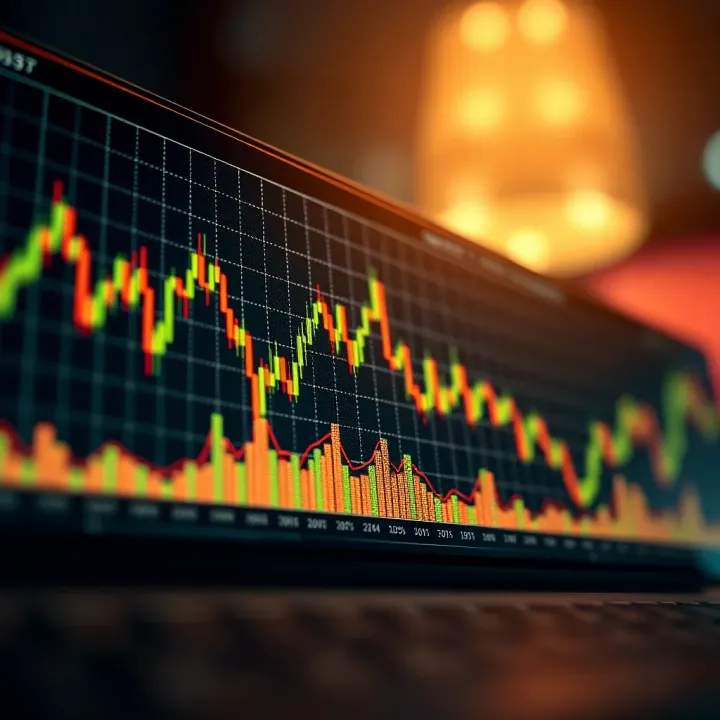
📊 Interested in binary trade? Discover how Nigerian investors can navigate this simple yet risky market, weigh benefits, and trade smart for ₦ gains safely.

Explore how binary bots work in trading 🤖, their strategies, risks ⚠️, and legal tips 📜 for safer binary options trading in Nigeria's market.
Based on 7 reviews