

Understanding Binary Format in PDF Files
📄 Discover how binary format shapes PDF files—covering structure, storage, and compatibility to help users and developers work smarter with PDFs.
Edited By
Oliver Davis
Understanding forex chart patterns is a vital skill for any serious trader. These patterns reveal the recurring price movements in currency markets, helping traders predict potential direction changes or continuations. In Nigerian forex trading, where market volatility and global economic influences are keenly felt, spotting chart patterns can enhance decision-making and risk management.
Forex traders encounter various chart patterns — from simple formations like Head and Shoulders to more complex ones like Triangles and Flags. These formations provide clues about market sentiment, guiding entries and exits without relying solely on indicators or news.
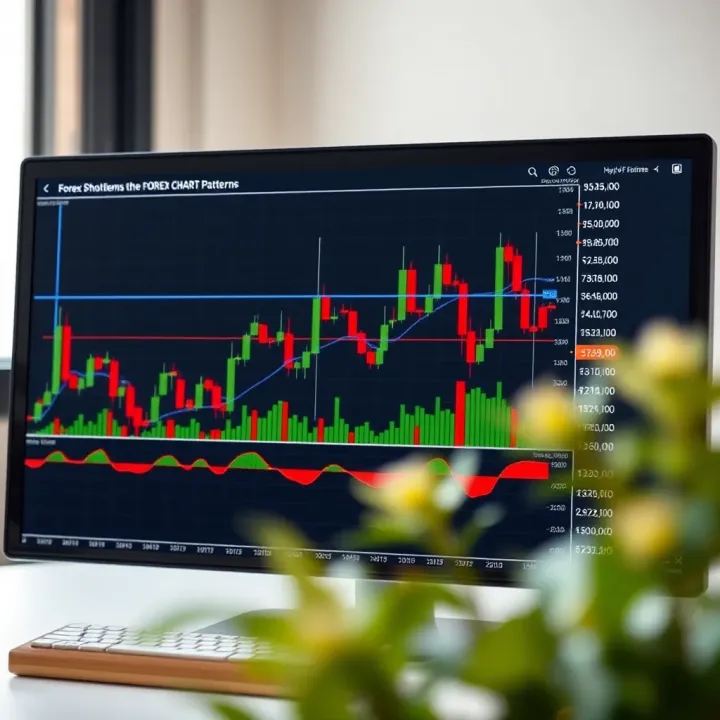
Recognising chart patterns is not just about memorising shapes; it's about understanding the psychology behind price moves and how buyers and sellers interact.
For instance, a Double Top pattern often points to a market reversal after an uptrend, signalling to a trader that selling pressure might increase soon. On the other hand, a Bullish Flag suggests temporary consolidation before the price resumes an upward trend, useful for timing buy positions.
Using PDF guides can significantly boost your grasp of these patterns. Unlike scattered online articles, a well-organised PDF offers structured content and detailed charts you can study offline. Many Nigerian traders find downloadable PDFs handy, especially in areas with inconsistent internet access. These resources often include:
Clear illustrations of each pattern
Step-by-step strategies on identifying and confirming patterns
Examples of how patterns played out in real market scenarios
Tips on integrating patterns with risk management
To get the most from PDF guides, don't just skim through. Mark important sections, practise recognising patterns on your trading platforms, and revisit the examples regularly. Combining this study with live market observation — either on MT4, MT5, or Nigerian platforms like FXTM Nigeria — deepens your understanding and sharpens your instincts.
In sum, mastering forex chart patterns and leveraging PDF guides effectively can move you from guessing to confident trading. This practical knowledge, adapted for Nigerian market conditions, can be your edge amid forex market uncertainties.
The ability to read forex chart patterns is a fundamental skill for any trader, investor, or analyst aiming to make informed decisions in the fast-moving currency markets. In this section, we'll clear the fog around what forex chart patterns are, why they matter, and how they help predict currency price movements. Connecting this understanding with practical examples ensures you don’t just see lines on a graph but recognise signals that influence real trades.
Forex chart patterns refer to distinctive shapes or formations visible on price charts that technical analysts study to forecast future price actions. These patterns develop due to repeated price behavior caused by traders’ collective psychology responding to market pressures. For example, the "head and shoulders" pattern signals a potential trend reversal, hinting traders might soon switch from buying to selling.
Their role in technical analysis is to provide visual clues about supply, demand, and momentum shifts without relying on fundamental economic data. Rather than guessing, traders use these patterns as a language of price action to confirm or question their market assumptions, which adds rigour to decision-making.
Chart patterns matter because they condense complex market data into understandable signals. A trader spotting a "double bottom" pattern on the Naira/USD chart, for example, might foresee a support level and prepare to enter a buy position. These patterns help traders identify entry and exit points, manage risk more effectively, and avoid emotional reactions based on guesswork.
Predicting price movements with chart patterns involves recognising formations that historically precede price increases, decreases, or consolidations. Traders often treat these patterns as forecasts—they expect, for instance, that a breakout from a symmetrical triangle signals upcoming volatility and a directional price shift. By anticipating these moves, traders can plan buy or sell orders in advance.
However, patterns alone aren’t foolproof. Combining chart patterns with other indicators like volume, moving averages, or Relative Strength Index (RSI) sharpens their predictive power. For instance, a flag pattern followed by increasing trading volume offers stronger confirmation of a continuation move than the pattern alone. This multi-tool approach reduces false signals and improves the chance of profiting.
Understanding forex chart patterns is like reading a map before a journey—they guide, but you don't drive blindly. Supplement them with other tools to navigate the forex market confidently.
In summary, this introduction sets the stage to grasp why mastering forex chart patterns is key for any trader. It links the theory to everyday trading scenarios, helping you apply these concepts to real charts, including those of Nigerian currency pairs affected by local market events.
Understanding common forex chart patterns is a key step for traders looking to make informed decisions. These patterns provide visual clues about potential price movements, helping you anticipate whether a currency pair might reverse direction or continue its trend. Recognising these signals gives you an edge, especially in volatile markets like the Nigerian naira forex scene where price swings can be sudden.
The head and shoulders pattern signals a possible trend reversal from bullish to bearish or vice versa. It consists of a peak (head) between two slightly lower peaks (shoulders). For example, on the USD/NGN chart, spotting this pattern after a strong upward move could suggest the naira might gain strength soon, indicating you may want to close long positions or prepare to short. The opposite, inverse head and shoulders, hints at a move from a downtrend to an uptrend.
This pattern’s practical value lies in identifying exit and entry points. Traders often set a ‘neckline’ — a support or resistance level connecting the pattern’s troughs or peaks — as a trigger for confirmation. When price breaks this neckline, it usually confirms the reversal, giving a clear signal.
These patterns occur when price hits the same level twice but fails to break through, suggesting exhaustion of the current trend. A double top typically forms after an uptrend and signals a bearish reversal. Conversely, a double bottom appears after a downtrend, signalling bullish reversal.
For instance, if the naira/dollar pair forms a double top around ₦415 and then drops below the support level, it’s a sign selling momentum is building. Many Nigerian traders use this signal to enter or exit trades effectively, often pairing it with volume analysis to avoid false signals.

Triangles represent a pause in the market where prices consolidate before resuming the previous trend. An ascending triangle has a flat top with rising bottoms, hinting at an upward breakout. A descending triangle features a flat bottom with falling tops, often leading to a downward breakout. Symmetrical triangles show converging trendlines, signifying possible breakout in either direction.
These patterns are handy for gauging when a strong move might happen next. For Nigerian forex traders, spotting an ascending triangle in the NGN/USD pair could mean the naira is about to weaken further, allowing proactive trade planning.
Flags and pennants appear after sharp price movements and resemble short-term consolidations. Flags look like small rectangles slanting against the trend, while pennants form small symmetrical triangles. Both signal continuation of the previous strong price move.
In practice, when you spot a flag or pennant on your forex charts, it suggests the current trend is likely to extend. Nigerian traders watching the forex market during high-impact economic announcements can use these patterns to catch quick, reliable trades.
Wedges are similar to triangles but slope against the prevailing trend, indicating a potential reversal or weakening momentum. A rising wedge in a bullish trend often warns of a coming downturn, while a falling wedge during a downtrend suggests a possible rise.
For example, if the naira weakens steadily but forms a falling wedge, it might be bubbling up for a rally. Recognising wedges aids traders in timing trade exits or entries early.
These are longer-term patterns signalling trend reversals or continuation. The rounding bottom unfolds as a gentle curve showing price stabilisation before an uptrend. The cup and handle resembles a rounded bottom (cup) followed by a small consolidation (handle), usually preceding a bullish breakout.
These patterns take time to form but offer solid signals. Nigerian investors might identify a cup and handle on long-term USD/NGN charts around significant policy shifts, signalling a potential sustained move.
Recognising these chart patterns helps you read the market’s intentions and act before the crowd. Combine them with volume, momentum, and related indicators for better accuracy.
These practical, clearly identifiable patterns are the backbone of technical analysis. Mastering them supports confident decision-making in the fluctuating Nigerian forex market.
Using PDF guides for forex chart patterns offers Nigerian traders practical ways to deepen understanding without being tied to a physical location. These guides pack structured lessons, clear illustrations, and detailed explanations into documents you can carry around on your phone or laptop. For instance, a trader travelling through Lagos traffic or waiting at a mama put stall can flip through their PDF notes or revisit examples to reinforce learning.
Accessibility and portability make PDFs ideal for busy traders. You can download them once and use offline, which is handy when data bundles run low or network quality is poor, a common situation in many parts of Nigeria. This flexibility means you can study during your daily commute on an okada or while resting from a long day, turning pockets of free time into valuable learning sessions.
Structured learning materials help take the guesswork out of mastering complex chart patterns. Unlike scattered online articles, PDFs often present concepts in a logical sequence—from simple patterns like double tops to more complex wedges and flags. An example is a well-designed guide that opens with pattern identification, then moves to signal interpretation, finally covering risk management tips. This stepwise approach keeps you from skipping essential details, making your study more thorough.
Looking at the author’s credibility and experience is crucial before relying on any guide. Skilled traders or recognised financial educators usually offer insights grounded in practice, not just theory. For example, a PDF written by a Nigerian forex expert familiar with local market quirks provides more relevant advice than a generic guide written abroad. Always check for credentials or trading history to ensure the guide's content is trustworthy.
Also important is ensuring updated content and examples relevant to current markets. Forex markets change rapidly with new regulation, economic events, or CBN policy shifts affecting price behaviour. Guides published over the last year incorporating recent naira volatility give sharper, more actionable lessons than outdated materials. Updated PDFs might also include screenshots of live charts showing how patterns play out amid current market noise.
Highlighting and note-taking transform reading from passive to active learning. Use digital tools or print out your PDFs to mark key signals or jot down questions as you study. For example, highlight the head and shoulders pattern section and make notes on its confirmation points, helping you recall this pattern during live trading. This way, the material sticks better, and you build your personalised quick-reference resources.
Moreover, don’t just rely on theory; combine your reading with live chart practice. Open an MT4 or MT5 app alongside your PDF to identify patterns in real time. Spotting an ascending triangle while reviewing your notes repeatedly strengthens pattern recognition skills. Nigerian brokers like FXTM or OctaFX offer trial accounts where you can test pattern-based strategies without risking real money. This hands-on approach solidifies learning and sharpens decision-making under live market conditions.
To master forex chart patterns, blending quality PDF guides with consistent, practical chart analysis forms the best path. This combination makes the learning both efficient and effective in Nigeria's dynamic forex market.
Forex chart patterns are vital tools for any trader, but applying them in the Nigerian market demands a good grasp of local conditions. The naira’s volatility and the unique economic landscape shape how reliable these patterns are. This section explores how chart patterns interact with these local realities, offering practical insights Nigerian traders can act on.
Naira volatility stands as one of the key challenges in Nigeria’s forex trading scene. Sudden swings in the naira-dollar rate, often driven by shifts in commodity prices or foreign exchange supply constraints, can disrupt even well-established chart patterns. For example, a head and shoulders pattern signalling a price reversal might fail if an unexpected policy adjustment triggers sharp market moves. Traders need to consider these rapid changes when interpreting patterns.
Liquidity in the Nigerian forex market is another factor that influences pattern reliability. The supply and demand for foreign currency aren’t always steady due to factors like foreign investor activity and remittances. Low liquidity can cause erratic price movements that distort patterns, resulting in false signals. Nigerian traders should combine chart pattern analysis with an understanding of volume and liquidity to improve accuracy.
Economic developments often lead to abrupt market shifts in Nigeria. Announcements related to oil prices, inflation rates, or government borrowings tend to affect forex rates significantly. For instance, if the Central Bank of Nigeria (CBN) introduces new policies regarding forex restrictions or adjusts interest rates, the market can react strongly, overriding patterns on the charts.
CBN policies, such as the implementation of multiple exchange rates or interventions in the interbank market, can create short-term price distortions. Traders relying solely on chart patterns without accounting for these policy moves risk misreading the market. Monitoring CBN statements and macroeconomic indicators alongside chart patterns helps Nigerian traders time entries and exits more effectively.
Consider a situation where the NAIRA/USD pair forms a double bottom pattern on the daily chart. This pattern often signals a bullish reversal, indicating that the naira might strengthen against the dollar. However, if the CBN simultaneously announces tighter forex controls, the usual behaviour of this pattern might not hold. Traders who spot this pattern but ignore the policy change could enter prematurely.
In another example, a triangle pattern forming amid relatively stable market conditions could suggest a breakout opportunity. Yet, during periods of naira instability, this breakout could easily become a false signal. Pairing chart patterns with real-time news and market sentiment is crucial for Nigerian forex traders.
Timing is often the make-or-break factor in forex trading. Nigerian traders should observe that chart patterns form differently during periods of naira stability compared to times of economic stress. For instance, during stable periods, a breakout from a flag pattern might safely indicate a continuation of trend, giving traders confidence in entering positions.
Conversely, when the market is jittery, it pays to wait for confirmation signals such as volume spikes or momentum indicators before acting on patterns. By doing this, traders avoid getting caught in false breakouts or whipsaws that are common during volatile phases shaped by local economic events.
Effective application of forex chart patterns in Nigeria requires blending technical insights with a keen understanding of market fundamentals and policy shifts. This approach helps traders navigate the naira’s quirks and improves trade timing for better results.
In summary, Nigerian forex traders gain an edge by weaving together chart pattern knowledge with awareness of local market behaviour and CBN interventions. This strategy helps to filter noise, sharpen predictions, and build disciplined trading habits aligned with homegrown market factors.
Understanding the common pitfalls in using forex chart patterns helps traders avoid costly errors, especially in volatile markets like Nigeria’s. Chart patterns alone don't guarantee success; many traders fall into the trap of relying exclusively on these visual cues without validation from other tools or market conditions. This section explores common mistakes traders make and offers actionable strategies to improve accuracy and results.
Chart patterns often suggest potential price movements, but confirmation is key before committing capital. Volume and momentum indicators serve as vital confirmation tools. Volume indicates the strength behind a price move—a breakout on low volume is often suspect, while strong volume reinforces legitimacy. For example, a head and shoulders pattern signalling reversal should be confirmed by rising volume on the breakout to verify seller interest.
Momentum indicators like the Relative Strength Index (RSI) or Moving Average Convergence Divergence (MACD) reveal underlying strength or weakness in the trend. If a bullish pattern lacks momentum support, the anticipated uptrend may fail, causing traders to enter prematurely. Combining these indicators reduces risks and enhances the probability of successful trades.
False breakouts are common in forex trading, especially when the market is choppy. These occur when price moves past a pattern boundary briefly before reversing sharply. Without confirmation, traders may mistime entries and face losses. For instance, a double bottom pattern might appear to complete, but a quick breakout followed by a fall traps uninformed traders.
To avoid false breakouts, watch for clear volume spikes and wait for candle closes beyond pattern lines rather than immediate moves. Setting stop-loss orders tightly helps limit damage when price reverses unexpectedly. In Nigeria's fast-moving forex market, patience and confirmation protect capital better than impulsive actions.
Forex chart patterns do not operate in a vacuum. Economic data releases, central bank policies, and political happenings can wipe out conventional pattern signals easily. For Nigerian traders, announcements like CBN’s intervention rates, inflation updates, or changes in FX supply heavily influence naira pairs.
Ignoring such fundamentals means pattern-based trades might be undone as sentiment shifts abruptly. For example, even a textbook ascending triangle suggesting bullish continuation might fail just before a major economic report that causes sudden volatility.
Integrating fundamental analysis alongside technical chart reading balances the approach. Knowing when key data points are due helps you avoid entering trades just before unpredictable market swings. You can use fundamental filters to narrow down the best times for pattern-based trades, reducing exposure during high-risk moments.
Successful traders blend chart patterns with awareness of market news and economic context. This combined approach guards against surprises and builds consistent trading edge.
By avoiding overdependence on patterns alone and factoring in volume, momentum, and economic context, you sharpen your trading skills substantially. This pragmatic blend is essential for thriving in Nigeria’s dynamic forex environment.
📄 Discover how binary format shapes PDF files—covering structure, storage, and compatibility to help users and developers work smarter with PDFs.

Explore the basics of binary numbers and their role in computing 💻. Learn conversion methods and find helpful PDF resources for learners in Nigeria 🇳🇬.

Master powerful candlestick patterns 📈 for better trading decisions. Get a detailed guide plus a handy PDF with 35 key patterns to boost your strategy.

Learn how binary fission drives rapid growth in bacteria and other single-celled organisms 🔬. Understand its stages, role in biology, and medical impact.
Based on 13 reviews