
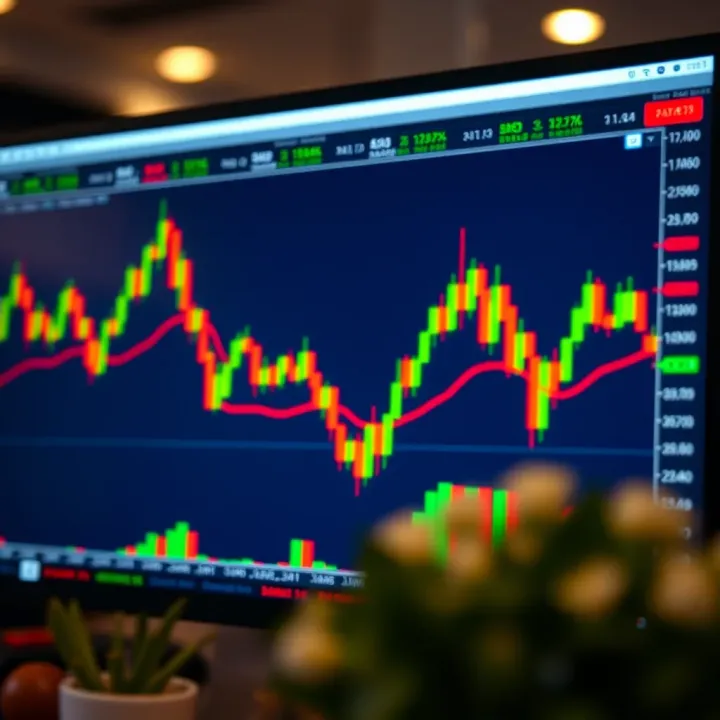
Candlestick Patterns Guide with PDF Resources
Discover key candlestick patterns 📊 and learn how Nigerian traders can use detailed PDF guides 📄 to improve market analysis and trading skills effectively.
Edited By
Rachel Morgan
Understanding the language of the market is like learning to read a new kind of script, and candlestick patterns are one of the clearest ways to do that. These little charts, simple at a glance yet packed with meaning, can reveal what traders are thinking, the possible direction of prices, and when it's time to make a move.
Thousands of traders rely on these patterns to steer their choices on everything from stocks and forex to commodities. But not all candlestick signals are created equal. Some carry more weight, and others might just be noise. This guide digs into the most impactful ones, explaining what makes them tick and how you can spot them in real time.

The journey here isn’t just about listing patterns — it’s about making sense of them, helping you connect the dots and apply these signals wisely. By the end, you will have a powerful PDF resource at your fingertips, featuring 35 key candlestick formations that are especially handy for anyone looking to boost their trading strategy.
Whether you're scanning charts in Lagos or crunching numbers in Abuja, the principles are the same. This guide is crafted to give you practical, no-nonsense insights and tools you can use right away.
"Candlestick patterns offer a snapshot of market sentiment, often reflecting a tug-of-war between buyers and sellers. Recognizing these patterns can be the difference between riding a winning trade or missing the boat."
Next up, we’ll break down the basics before moving into the patterns that matter most — so put on your trading hat and let’s get started.
Candlestick patterns are more than just fancy charts with colorful bars—they’re like the language markets speak every day. Knowing how to read them can give traders an edge, showing not only what the price did but often hinting at what might come next. In trading, where timing and insight can mean the difference between a win or a loss, candlestick patterns serve as a vital tool.
Imagine spotting a hammer pattern after a drop in price. This small shape on the chart might tell you buyers are stepping back in, pushing prices up. Understanding patterns like this helps traders anticipate reversals, trends, and potential turning points.
Every candlestick has four main parts: the open, close, high, and low prices for a specific period. The thick part, called the 'body,' shows the difference between opening and closing prices. If the close is higher than the open, the body usually appears empty or green; if it’s lower, the body is filled or red. Thin lines extending from the body, known as 'wicks' or 'shadows,' illustrate the extremes reached during the period.
Understanding these parts is key because they tell you who’s winning buyers or sellers. For example, a long lower wick suggests buyers fought back after sellers pushed prices down.
Candlesticks are a snapshot showing more than just final price values—they reveal the fight between bulls and bears during a timeframe. Unlike a simple line chart, they illustrate the volatility, momentum, and sentiment within that period.
Say a long green candlestick follows a series of small red ones; this can hint at growing buying pressure. By combining multiple candlesticks, traders spot patterns that signal continuation or reversal of trends.
Candlestick patterns act like signposts on the market’s path. Traders use them to guess where prices might head next—not as absolute facts but useful clues. For instance, a 'Morning Star' pattern after a downtrend suggests a possible bullish reversal.
While no pattern guarantees success, when combined with other tools like volume or moving averages, they improve the odds. Experienced traders often look for confirmation signals before making moves based on candlestick patterns alone.
Knowing the right moment to step in or out of a trade can maximize profits and limit losses. Candlestick patterns fine-tune this timing by highlighting shifts in momentum.
For example, spotting a 'Shooting Star' near a resistance level warns of a likely downtrend starting, signaling it may be time to lock in profits or tighten stops. With practical experience, traders get better at reading these subtle cues and managing risk.
Candlestick patterns aren’t crystal balls, but they help traders see the market’s mood more clearly, assisting in making smarter, timely decisions.
In summary, mastering candlestick patterns adds another level of insight to your trading toolbox. It empowers you to read between the lines of price moves, giving you a practical approach tailored to real market conditions.
Candlestick patterns play a major role in anticipating market behavior and making informed trading decisions. Knowing the key patterns that point toward potential market reversals or continuations can help traders get ahead instead of chasing the price blindly. This section breaks down some of the most popular and reliable patterns identified by seasoned traders worldwide, making it easier for you to spot entry and exit points without second-guessing.
Bullish reversal signals are patterns that typically indicate a shift from downward to upward momentum in the market. Recognizing these patterns can equip traders to capitalize on fresh buying interest.
The hammer is a classic signal suggesting the end of a downtrend. Characterized by a small body near the top of the trading range and a long lower wick, it shows that sellers pushed prices considerably lower during the session, but buyers regained strength and closed near the open price. On a chart, a hammer could look like a fishing hook catching a catch just as the tide turns out – signaling a potential bullish bounce.
An inverted hammer has a similar implication but with a long upper wick and a small body near the bottom. It’s often found after a decline and indicates that buyers tried to push up the price but met resistance, though enough buying pressure exists to hint at a potential reversal.
For example, if you spot a hammer on the daily chart of Nigerian Stock Exchange-listed companies like Dangote Cement after a slide, it might suggest buyers are stepping in, and the price could start climbing.
The morning star is a three-candle bullish reversal pattern that appears at the bottom of a downtrend and signals a potential upturn. It begins with a long bearish candle, followed by a short candle that gaps lower, reflecting indecision, and finally a long bullish candle that closes well above the midpoint of the first one.
This pattern is like a sunrise after a long night, showing uncertainty followed by a clear buying opinion. Traders often see this as a strong signal to go long or reduce short positions.
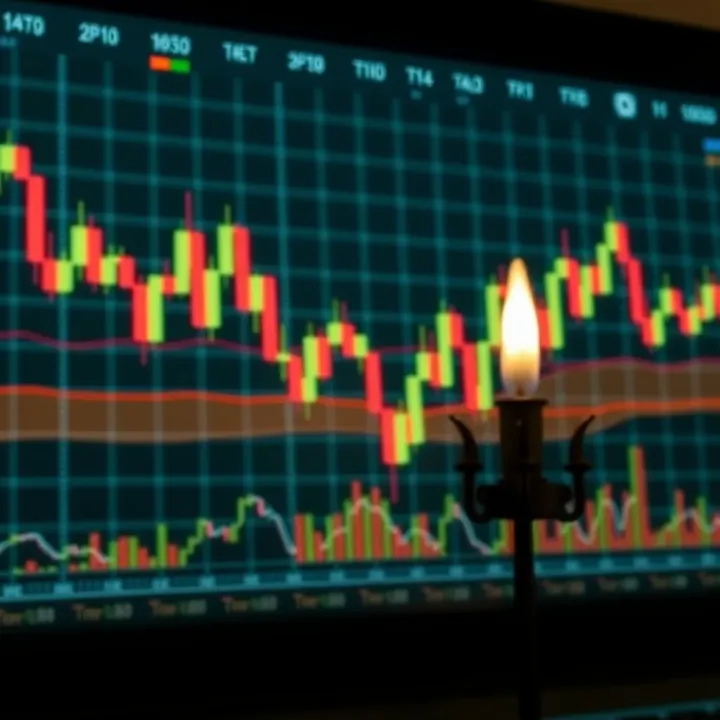
On the flip side, bearish reversal patterns warn of a potential price drop after an uptrend. Spotting them early can help traders avoid losses or profit from downward trends.
A shooting star looks like a star with a long upper shadow and a small real body near the day’s low. It usually appears after an uptrend and suggests that buyers pushed prices up initially but sellers took over by the close, signaling a potential downturn.
The hanging man, though identical in shape to the hammer, comes after an uptrend and indicates that selling pressure is building up. Despite buyers managing to bring the price back near the open, the long lower wick warns of weakness.
Think about a stock like Access Bank Plc showing a shooting star on its hourly chart after sustained gains — this could mean it’s about to correct.
The evening star is a three-candle bearish reversal pattern that starts with a long bullish candle, followed by a small-bodied candle that gaps higher, reflecting uncertainty, and ends with a long bearish candle that closes below the midpoint of the first candle.
This pattern resembles the sunset signaling day’s end, warning traders that the bullish momentum is fading and the bears may take control soon.
By keeping a close eye on these reversal signals, traders can sharpen their timing for entering or exiting trades, which is especially useful amidst volatile markets such as the Nigerian equities or forex market.
In summary, these key bullish and bearish reversal patterns offer practical clues about market shifts. When combined with smart risk management and other indicators, they become powerful tools that every serious trader should have in their toolkit.
Recognizing patterns that signal a continuation in a prevailing trend is just as important as spotting reversals. These continuation patterns help traders avoid premature exits and confirm the strength of ongoing market momentum. Whether it’s a bullish or bearish trend, knowing how to identify these patterns equips you to ride the wave longer and more confidently.
The rising three methods pattern is a classic bullish continuation signal that usually appears during an uptrend. Picture this: there’s a tall bullish candle followed by a few small bearish or neutral candles that stay within the range of the first green candle. Then, boom—a strong bullish candle breaks upward, confirming the trend.
This pattern shows market hesitation, but the bulls aren’t giving up. It’s like a brief pause before the uptrend charges ahead. Traders rely on this pattern to confirm that the buyers still have control and that it’s safe to stay long or enter new positions. For example, if the Naira/USD currency pair shows a rising three methods pattern on the daily chart, it might be wise to hold on or add to your position.
The dragonfly doji is a more subtle but powerful bullish continuation indicator. It features a very long lower shadow with the open, close, and high prices all clustering near the top of the candle. This setup suggests that sellers pushed prices down during the session, but buyers stepped in strong by the close, keeping it near or at the open.
When this pattern shows up in an uptrend, it’s a sign buyers are ready to keep the party going. It’s a cue to watch for strength in the market, especially when confirmed by volume increases or supportive indicators like moving averages. For traders operating on stocks or forex markets in Nigeria or globally, spotting a dragonfly doji can provide a tactical edge in timing entries.
The falling three methods is the bearish counterpart to the rising three methods. It occurs within a downtrend and starts with one long bearish candle. Following that, several small bullish or sideways candles form inside the range of the big candle, until another long bearish candle closes lower than the first.
Think of it as a brief setup where buyers try to step in but never quite gain control. The final bearish candle confirms sellers are still in charge and the downtrend will likely roll on. Traders use this to affirm short positions or avoid buying too soon. In practical terms, if the Nigerian Stock Exchange index shows this pattern, it warns investors the sell-off isn’t over yet.
The gravestone doji is an ominous candle in a downtrend, signaling continuation. It has a long upper shadow with the open, close, and low prices all near or at the bottom of the candle. Essentially, buyers try to push prices up, but sellers overpower them by the session’s end.
In a falling market, this pattern confirms selling pressure remains strong. If you spot a gravestone doji forming on a currency pair or stock chart, it’s a reliable hint that the current downtrend is intact. Savvy traders combine this with volume spikes or resistance levels to make informed decisions.
Key takeaway: Continuation patterns like these help traders confirm when momentum is likely to persist. Ignoring them can mean missing out on profitable trades or exiting a position too early.
Understanding these patterns within the broader market context increases your chances of making smarter moves. Always look for additional confirmation signals before committing, and remember that no pattern guarantees success, but using them wisely improves your odds appreciably.
Interpreting candlestick patterns effectively means looking beyond just the shapes and formations on the chart. Volume and other technical indicators are like the supporting actors in a play—without them, the story might not make full sense. Combining these tools adds muscle to your trading signals and helps avoid false alarms.
Volume, for example, can either confirm or question what a candlestick pattern suggests. Imagine spotting a bullish engulfing pattern in a stock like Zenith Bank but with weak volume—you might want to think twice before jumping in. On the other hand, if the volume spikes alongside the pattern, that’s a stronger sign the bulls are really stepping up.
Similarly, moving averages add perspective by smoothing out price action over time, helping traders see the bigger trend behind the noise. When a candlestick pattern aligns with a crossover in the 50-day and 200-day moving averages, it’s like a double thumbs up for your trading decision.
Altogether, these tools create a fuller picture. Here’s a closer look into how you can confirm candlestick patterns with volume and combine them with moving averages.
Volume analysis is a straightforward yet powerful method to back up what candlestick patterns indicate. A pattern without meaningful volume behind it is like shouting in an empty room—it lacks impact.
Take the hammer pattern, a classic bullish reversal signal. If this shows up on a chart of Nigerian Breweries with unusually high trading volume, it indicates genuine buying interest, making the signal more likely to hold water.
Watch for these volume cues:
Volume spike at the pattern formation: Confirms the strength of the price move.
Volume increase during a breakout: Suggests sustainability of the move.
Divergence between volume and price action: Could signal a weakening trend.
For instance, if a shooting star forms with low volume, the bearish warning might not be as serious. But a shooting star accompanied by a 30% volume increase compared to the previous day? That’s a red flag worth heeding.
Traders should include volume bars on their charts or use indicators like On-Balance Volume (OBV) to get more nuanced insights.
Moving averages help smooth out price fluctuations and highlight the trend’s direction. When paired with candlestick patterns, they create a smart, layered approach for timing trades better.
Consider the case of Guaranty Trust Holding’s stock: spotting a morning star pattern near the 50-day moving average support level can reinforce confidence, signaling a bounce upwards might be on the cards.
Some practical tips:
Use crossovers to validate patterns: A candlestick reversal near a moving average crossover can point to a robust entry or exit.
Look for alignment: A bullish pattern in an uptrend (prices above the 200-day MA) is more reliable.
Beware of moving average bounces: Sometimes price may bounce off a moving average without a true reversal, so pat attention to confirmatory patterns.
For better visibility, many traders use a combination of short-term (20 or 50-day) and long-term (100 or 200-day) moving averages together.
Remember, no single indicator or pattern is foolproof. When candlestick patterns come together with volume and moving averages, you’re stacking the deck in your favour, getting a clearer signal in the sometimes noisy market.
In the end, interpreting candlestick patterns with volume and other indicators isn't about chasing every little signal but about finding strong, well-backed opportunities. This strategy helps cut through market noise and keeps your trading decisions sharp and on point.
Understanding candlestick patterns is just the beginning for any trader, whether you're a newbie or a seasoned pro. The tricky part lies in applying this knowledge correctly without falling into common traps. Making mistakes like ignoring the overall market context or relying solely on isolated candlestick signals can lead you astray, turning what should be a helpful tool into a confusing ordeal.
Candlestick patterns don’t exist in a vacuum. One of the biggest blunders traders make is to focus purely on the shape of the candlestick without considering the broader market context or the prevailing trend. For example, spotting a bullish hammer might seem like a signal to buy, but if it's appearing in the middle of a strong downtrend without other confirming indicators, it's risky to act on this pattern alone. Think of the candlestick pattern as a passenger in a car: it’s important, but the direction the car is moving (the trend) matters even more.
Ignoring context can lead to misinterpretation. Patterns like shooting stars or hanging men carry different meanings depending on whether the market is in an uptrend, downtrend, or sideways movement. Before taking a position, always check supporting evidence such as trend direction, support and resistance levels, or volume trends to add weight to what the candlestick pattern suggests.
Another common pitfall is leaning entirely on one pattern without seeking confirmation. Single candlesticks such as dojis or engulfing candles might appear promising, but they’re often more reliable when combined with other technical indicators or price action signals. For instance, a morning star pattern in isolation may hint at a bullish reversal. However, if volume is low or the moving averages still strongly indicate bearish momentum, betting solely on this pattern may lead to a premature entry and potential losses.
To avoid this, consider confirmation methods such as:
Checking volume spikes that coincide with the pattern's formation
Waiting for follow-through candlesticks that confirm the expected move
Using moving averages or RSI to support your decision
Without confirmation, single candlestick patterns risk becoming false alarms instead of reliable signals.
Practical trading isn’t about jumping at every signal but about methodically combining pieces of the puzzle to forecast price moves with higher confidence. So, keep your eyes peeled for additional clues, and don’t rush into trades based on one candlestick alone.
Avoiding these mistakes isn’t just about being cautious; it’s about improving your odds and preserving your capital. When you consider the bigger picture and require confirmation, you’re less likely to be caught off guard by sudden reversals or fake breakouts. It’s simple: patience and context often pay off better than quick, unconfirmed actions.
Understanding candlestick patterns is one thing, but having a handy reference like the 35 Powerful Candlestick Patterns PDF can really sharpen your edge in trading. This PDF isn’t just a list; it’s a practical toolkit designed to make pattern recognition quicker and more reliable when you're in the thick of trading. Using this resource properly can save time, reduce guesswork, and help you spot opportunities that might slip by if you're relying on memory alone.
Getting your hands on the PDF should be straightforward: make sure you download it from a trusted source or a reputable trading education site. Once downloaded, open it on a device that's easy to carry around or accessible during your trading hours—smartphones, tablets, or your laptop all work well.
Don’t just skim through the patterns. Instead, spend some time familiarizing yourself with each one. For example, review the Hammer and Shooting Star patterns side by side to understand how they signal reversals differently. Use the PDF alongside live charts to practice spotting these patterns in real time rather than just in theory.
Print a copy if you prefer something tangible; placing it near your trading station can serve as a quick glance guide when markets move fast. The goal is to make the PDF a natural part of your decision-making process.
Integrating the PDF daily means setting it as a foundational tool before starting your trading session. Spend a few minutes reviewing the patterns that align with the current market trend. Say, if you're focusing on a bullish trend, double-check for bullish reversal or continuation patterns using the PDF to ensure you’re reading the market right.
Another tip is to use the PDF when journaling your trades. After you close a position, quickly reference which pattern was in play and how the market responded. Over time, this habit sharpens your pattern recognition to the point where you begin instinctively spotting important signals without needing constant referral.
Moreover, mix the PDF with other analysis tools like volume indicators or moving averages, which helps confirm the pattern's validity and reduces false signals. For instance, the Rising Three Methods bullish continuation pattern gains much more weight if paired with increasing volume, and the PDF helps remind you to look for those confirming factors.
Pro tip: Treat the PDF as a living document in your trading life — update your notes, highlight patterns you've mastered, and note those that still puzzle you. This active engagement turns static information into real trading wisdom.
In short, the 35 Powerful Candlestick Patterns PDF is a practical resource. Download it safely, study it actively, and embed it within your trading day to turn candlestick analysis from a task into a seamless part of your trading confidence and success.
Discover key candlestick patterns 📊 and learn how Nigerian traders can use detailed PDF guides 📄 to improve market analysis and trading skills effectively.

📊 Learn all key candlestick patterns used by traders! Explore how these signals reveal market moves and boost your trading success in Nigeria and beyond.
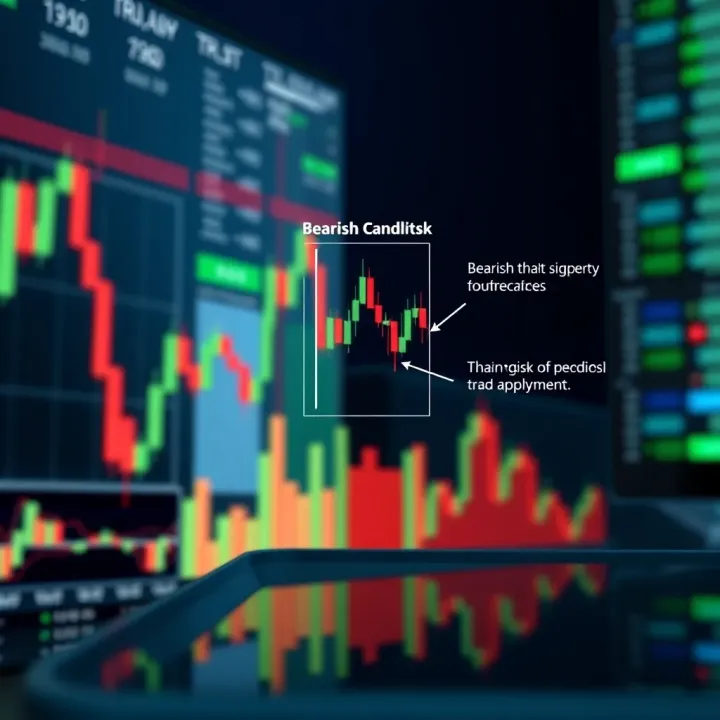
Learn to spot bearish reversal candlestick patterns 📉 for smart trading decisions in Nigeria's stock market. Master key signals & risk management tips.
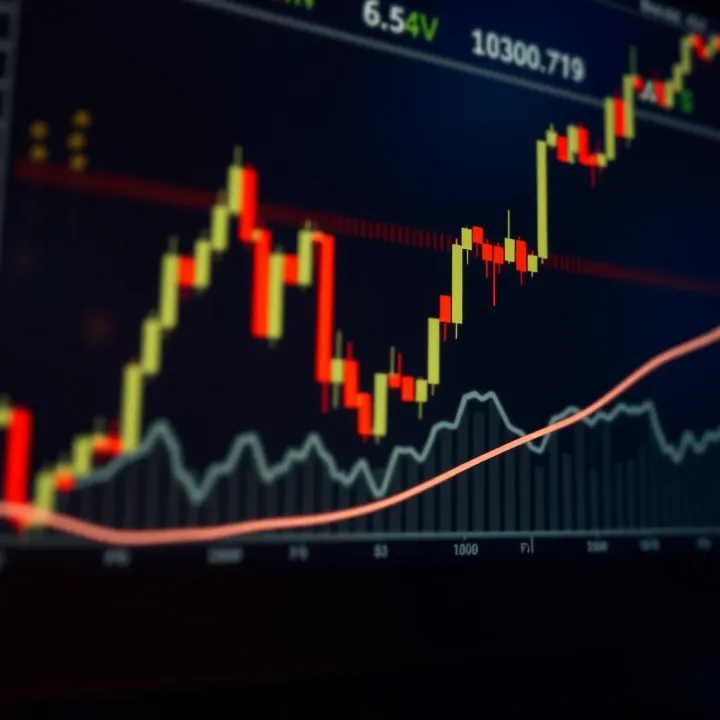
📉 Learn to spot bearish candlestick patterns signaling price drops in markets. Discover tips to avoid errors and combine with other tools for smart trades.
Based on 6 reviews