
Practical Forex Trading Guide for Nigerian Traders
📈 Learn practical forex trading steps tailored for Nigerian traders 🇳🇬. Master strategies, manage risks, and navigate the market to grow your ₦-wallet confidently.
Edited By
Sophia Mitchell
Forex trading in Nigeria has gained significant attention, attracting many who hope to turn a profit from the currency markets. Understanding how profitable forex trading can be requires looking beyond hearsay or quick success stories. Profitability hinges on a mix of market knowledge, risk management, suitable strategies, and an understanding of Nigeria's unique economic landscape.
Unlike the straightforward buying and selling in local markets such as those for okada or suya, forex involves trading currencies against each other in a global marketplace. For instance, the exchange rate between the US dollar (USD) and the Nigerian naira (₦) can fluctuate daily based on global and local economic events. Traders can profit if they predict these movements correctly.
However, it’s not just about luck or chasing trends. Profitability demands:
Clear grasp of forex fundamentals: How pips, lots, leverage, and spreads work.
Awareness of macroeconomic factors: CBN policies, naira devaluations, inflation rates, and geopolitical events affecting currency values.
Solid risk management: Using stop-loss orders, limiting leverage, and avoiding overtrading.
Take the naira-dollar pair as an example. If the naira weakens from ₦460/$1 to ₦470/$1, a trader holding US dollars gains when converting back to naira. But sudden government interventions like FX market restrictions can tighten access to dollars, impacting trading strategies.
Successful forex trading in Nigeria combines technical skills with understanding local financial realities, including fuel scarcity effects on economic activity and the impact of ember months on market behaviour.
To make consistent profits, traders often rely on strategies like momentum trading during peak market volatility or carry trade exploiting interest rate differentials. Using local platforms such as OPay or Paystack for funding accounts helps overcome banking bottlenecks.
In summary, while forex trading in Nigeria offers genuine opportunities for profit, it requires more than intuition. Sound education, disciplined trading habits, and adaptability to Nigeria's evolving financial environment shape long-term success.
Understanding how forex trading operates and what influences its profitability is key for anyone serious about making money in Nigeria's forex market. Knowing the fundamentals helps you make smarter decisions, manage risks properly, and spot real opportunities amid the market's ups and downs.
Currency pairs and exchange rates are the building blocks of forex trading. Trading involves buying one currency while selling another, like trading the US dollar against the Nigerian naira (USD/NGN). The price you see represents how much one unit of the base currency costs in the quote currency. For example, if USD/NGN is 460, it means 1 US dollar is worth 460 naira. Since currency values constantly change due to economic and political factors, traders aim to profit from these shifts.
In practice, understanding currency pairs helps you align your trades with the Nigerian economy's realities. For instance, when naira weakens due to inflation or central bank policies, the USD/NGN rate typically rises, offering opportunities if you anticipate these moves correctly.
Trading sessions and market hours are important because forex operates 24 hours a day across different time zones. The main sessions—Asian, European, and North American—overlap at times, creating periods of higher activity and better liquidity. Nigerian traders, typically active during the London and New York sessions, benefit from these overlaps since price movements become more pronounced, increasing profit potential.
For example, you might find tighter spreads and more trading opportunities during the London-New York overlap between 2 pm and 4 pm WAT. Knowing when markets are most active helps you plan your trades better instead of trading blindly at odd hours with less liquidity.
Role of forex brokers in Nigeria cannot be overstated. They act as intermediaries, giving you access to international currency markets via online platforms. Reliable brokers offer competitive spreads, smooth execution, and localised customer support. They also help with deposit and withdrawal in Nigerian banks, making fund management easier.
However, choosing the wrong broker—especially unregulated or scammy ones—can turn trading into a money pit. Always confirm their regulation status with authorities like the Nigerian Securities and Exchange Commission (SEC) and check reviews from other traders.
Impact of leverage and margin plays a huge role in profitability but comes with risks. Leverage allows you to control a large position with a small capital deposit (margin). For example, with 50:1 leverage, ₦10,000 allows control of a ₦500,000 trade. This magnifies gains but also losses, so Nigerian traders must be cautious and avoid overleveraging, which can wipe out accounts quickly.
Volatility and liquidity affect how easy it is to enter or exit trades at desired prices. Volatility means how sharply prices swing. While higher volatility can create profit chances, it also increases risk. Liquidity refers to how many buyers and sellers are in the market. Major currency pairs like USD/NGN usually have decent liquidity, but exotic pairs may have wider spreads and less predictable moves.
In Nigeria, periods of economic announcements or political events can spike volatility. Experienced traders keep an eye on such events to make timely moves. For example, CBN policy changes often cause quick naira movements.
Spread and transaction costs directly reduce your profits. The spread is the difference between the buy (ask) and sell (bid) price on a currency pair. If the spread is wide, you pay more upfront, pushing the price in your favour to break even.
Some brokers charge commissions on top of spreads, so Nigerian traders should choose brokers offering tight spreads and reasonable fees, especially if they trade frequently. Lower costs mean more trades can be profitable.
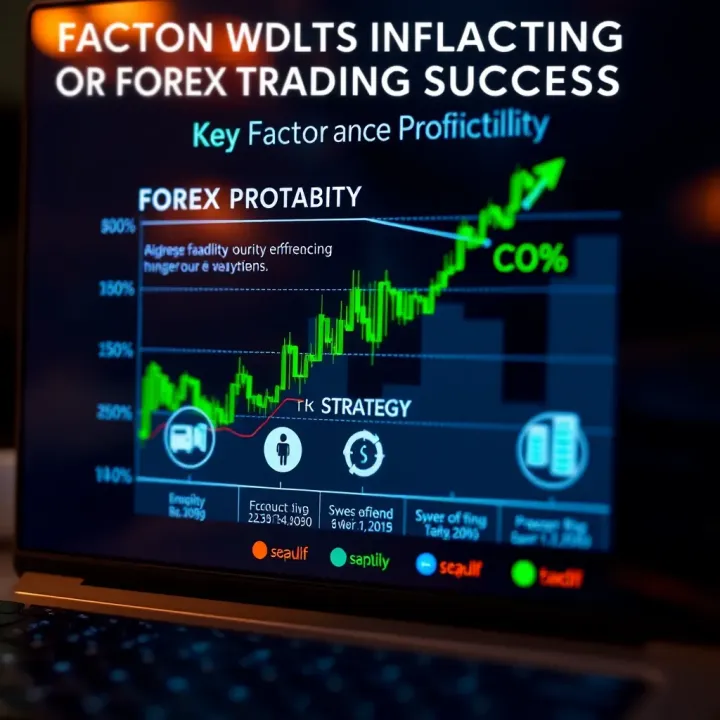
In summary, mastering these basics determines your edge in forex trading. Knowing how currency pairs behave, timing your trades with market hours, picking good brokers, and managing leverage, volatility, and costs are all vital to growing your forex profits sustainably.
Forex trading profits don't come without risks, especially in the Nigerian context where market dynamics and operational environments carry unique challenges. Knowing these risks helps traders protect their capital and make informed decisions.
Economic indicators and geopolitical events shape forex markets heavily. For example, Nigeria’s inflation rate, GDP data, or Central Bank of Nigeria (CBN) announcements can move the naira against other currencies. When Nigeria announces changes in interest rates or trade policies, these events influence traders' decisions, creating price swings. Political tensions, such as election periods or unrest, also impact forex pairs involving the naira, causing volatility that can wipe out profits or offer opportunities depending on timing.
Sudden market swings happen when unexpected news or shocks disrupt usual trading patterns. For instance, fuel subsidy removal or abrupt policy shifts can cause sharp swings in currency values. Traders caught unaware may see stop-loss orders triggered or even suffer losses beyond their initial risk limits. These swings underline the need for up-to-date information and flexible trading strategies to adjust quickly when the market moves unpredictably.
Unregulated brokers remain a big concern for Nigerian traders. Many fall victim to platforms operating without proper licences from Nigerian or international bodies. Using such brokers increases risks of withdrawal issues, data breaches, or outright scams. For instance, a trader who deposits ₦500,000 might struggle to get withdrawals processed if the broker turns rogue. Always working with brokers registered under credible authorities like the Nigerian SEC or FCA (UK) helps limit these risks.
Platform failures and slippage affect trade execution and profitability. Power outages, common in Nigeria, can cause disconnections at critical moments, leading to missed trades or unexpected losses. Slippage occurs when the price at execution differs from the intended level, especially in fast markets. A trader aiming to sell at ₦450 per dollar might end up selling at ₦445 due to slippage, eroding profits. Reliable platforms with good server infrastructure, combined with backup power solutions, are essential for smooth operations.
Emotional decision-making often leads traders into trouble. Fear and greed drive actions like closing winning trades too early or holding losing positions too long. Nigerian traders, especially beginners, sometimes let local market pressures or social media hype dictate their choices. This behaviour usually results in inconsistent profits or avoidable losses.
Overtrading and lack of discipline further reduce the chance of making good returns. Chasing every possible trade without a plan can drain capital quickly through spread costs and slippage. Maintaining a disciplined approach — setting clear entry, exit, and risk parameters — shields against burnout and poor decision-making. Even seasoned traders in Lagos or other cities remind themselves to trade quality setups rather than too many trades to preserve profit margins.
Successfully navigating forex demands not only technical know-how but also awareness of these practical risks. Nigerian traders who grasp market, operational, and psychological risks position themselves better for sustainable profits.
Success in forex trading in Nigeria is rarely a matter of luck. It demands effective strategies that guide decision-making and protect investments. These strategies help traders make informed moves, manage risks, and adapt to Nigeria's unique market conditions like naira volatility and infrastructure challenges.
Using charts and indicators is a cornerstone of effective forex trading. Traders rely on charts to track currency price movements, spotting trends or reversal patterns that can signal buying or selling opportunities. Indicators like Moving Averages or the Relative Strength Index (RSI) help smooth out erratic price swings, offering clearer signals about the market’s momentum. For instance, a trader noticing the naira weakening against the dollar over days might use technical indicators to decide when to enter a trade for profit.
Interpreting economic news for trading decisions involves understanding how events impact currency values. Economic reports such as Nigeria’s inflation rate, GDP growth figures, or Central Bank of Nigeria (CBN) policy announcements can cause immediate shifts in the forex market. For example, if the CBN raises interest rates, increased demand for naira might follow, influencing trading decisions. Good traders keep an eye on these news releases and avoid reacting impulsively to rumours or unverified reports.
Setting stop-loss and take-profit levels is vital to control losses and lock in gains. A stop-loss order automatically closes a trade once it hits a preset loss level, preventing catastrophic damage to the trader’s capital. Conversely, a take-profit order locks in profits by closing a trade when it reaches a certain gain. Nigerian traders dealing with volatile naira pairs benefit from these tools, as sudden market moves can otherwise wipe out gains or amplify losses quickly.
Position sizing and diversification help balance risk and potential reward. Position sizing refers to deciding how much capital to commit to a trade, often expressed as a percentage of the total trading account. Diversification means spreading investments across different currency pairs or assets to avoid heavy losses from one market move. For example, a trader might split funds between USD/NGN and EUR/GBP pairs, reducing vulnerability to unexpected disruptions affecting Nigerian financial markets.
Day trading versus swing trading offers distinct approaches. Day trading involves opening and closing positions within the same day, aiming to profit from small price movements. This style suits traders who can dedicate time to monitor markets closely. Swing trading, on the other hand, holds positions for several days or weeks, capturing larger trends and requiring less frequent market monitoring. Nigerian traders juggling power outages or unstable internet might find swing trading more practical.
Automated trading options use software or bots to execute trades based on pre-set criteria. This removes emotional biases and can operate around the clock. However, automated strategies need regular review, especially in Nigeria where sudden policy changes or market disruptions can occur. While some traders rely on platforms like MetaTrader for Expert Advisors (EAs), others tweak automated systems to suit local market patterns.
Applying reliable strategies combined with disciplined risk management significantly improves chances of consistent profits in forex trading, especially in Nigeria’s dynamic environment.
By mastering these strategies, traders in Nigeria can turn the often unpredictable forex market into a well-managed venture capable of generating real income.
Setting clear, realistic expectations is vital for Nigerian forex traders aiming to build sustainable profits. Many beginners jump into the market thinking they will make quick money, but forex trading demands patience, discipline, and a strong grasp of market dynamics. Understanding the timeframe and typical returns expected helps traders avoid costly mistakes driven by unrealistic hopes.
Monthly and yearly profit benchmarks vary widely depending on the trader's experience, capital, and strategy. Conservative traders might aim for 5–10% monthly returns, which can grow capital steadily without exposing too much risk. For instance, a ₦100,000 investment yielding 8% monthly profit would double in about 9 months if gains are reinvested carefully. Yearly returns ranging from 50% to 100% are possible but require consistent strategy, risk control, and market discipline.
Individual results depend heavily on multiple factors. Market knowledge, discipline in following trading plans, and the ability to manage emotions often separate successful traders from those who lose money. For example, a trader ignoring stop-loss orders during volatile naira exchange periods may lose capital fast. Conversely, those who stick to proven methods adapt better and increase chances of steady gains over time.
Naira exchange fluctuations remain a constant challenge. The naira's volatility against major currencies like the US dollar directly affects forex profits, especially when converting gains back to local currency. Sudden devaluation can quickly erode a trader's earnings. This requires Nigerian traders to monitor forex markets alongside local economic policies and external factors like oil prices.
Reliable internet and power supply constraints also affect trading performance. Frequent power outages or unstable connections can cause missed opportunities or failed trades. Many traders resort to generators and alternative internet sources, which increase operational costs and affect profit margins. Ensuring access to dependable infrastructure plays a crucial role in consistent trading success.
Regulatory environment shaped by Central Bank of Nigeria (CBN) policies influences both forex accessibility and risk. Tightening forex restrictions or changes in import policies impact market liquidity and available currency pairs. Traders need to stay updated on CBN directives and comply with registration requirements like obtaining a Bank Verification Number (BVN) to trade with regulated brokers. Awareness and adaptation to regulatory shifts can safeguard investments and prevent trading disruptions.
Forex trading in Nigeria offers profit potential but demands clear expectations, awareness of local challenges, and disciplined strategies to navigate a volatile environment successfully.
By recognising these unique factors and adjusting practices accordingly, Nigerian traders can better position themselves to achieve profitable outcomes over time.
Building consistent profits in forex trading doesn’t come by luck—it demands practical steps anchored in discipline and continuous learning. Nigerian traders, facing unique challenges like exchange rate swings and infrastructural issues, benefit significantly from applying straightforward yet effective tips. These practical approaches help control risks, improve skills, and ultimately boost earnings.
Before committing real money, using demo accounts is essential. These practice platforms mimic live markets without risking capital, allowing traders to understand how orders are placed, how markets move, and how strategies perform under different conditions. For example, a novice Nigerian trader can use a demo account provided by brokers like MT4 or MT5 to experiment with currency pairs like USD/NGN or EUR/USD. This hands-on experience builds confidence and uncovers pitfalls.
After gaining comfort on a demo account, gradually increasing trade sizes is the next smart move. Starting with small amounts—say ₦5,000 or ₦10,000—keeps losses manageable while exposing the trader to market realities. As competence improves and profits accumulate, a trader can incrementally raise trade volumes to maximise returns without excessive risk. This scaling approach guards against betting too much too soon, which often leads to setbacks.
Keeping up with market news and analysis is vital for timely decisions. Nigerian traders should monitor updates from trusted financial news outlets and economic reports, such as CBN policy announcements or crude oil price changes, which directly affect the naira’s value. For instance, unexpected changes in CBN’s foreign exchange policy can lead to sudden market shifts, and being informed helps traders adapt quickly.
Engaging with Nigerian trading communities adds another layer of insight. Joining forums or WhatsApp groups dedicated to forex trading creates opportunities to exchange ideas, share alerts, and learn from others’ experiences. In a market sometimes riddled with misinformation, having access to local expertise and peer support can prevent costly errors and build a more realistic view of profit potential.
Scams and unreliable platforms remain a major hazard. Some brokers lure Nigerian traders with promises of guaranteed profits or absurd bonuses. However, these often end in dead ends, with difficulty withdrawing funds or encountering poor execution. Traders should prioritise regulated brokers recognised by bodies like the Nigerian Securities and Exchange Commission (SEC) and watch out for red flags like unsolicited calls or unrealistic terms.
Chasing unrealistic gains is another trap. Forex trading doesn’t offer a get-rich-quick scheme—attempts to double accounts overnight usually end in loss. Nigerian traders should set achievable goals, focus on steady growth, and avoid overleveraging to protect their capital. Patience and strategy outperform impulsive decisions every time.
Practical steps like starting small, staying informed, and avoiding scams separate successful Nigerian forex traders from those who struggle. Building profit in this market is a marathon, not a sprint.
📈 Learn practical forex trading steps tailored for Nigerian traders 🇳🇬. Master strategies, manage risks, and navigate the market to grow your ₦-wallet confidently.
Learn forex trading from scratch with practical steps, trusted Nigerian platforms, and smart risk management. Start your trading journey and grow your ₦ wallet! 📈🇳🇬
📈 Learn how forex trading works in Nigeria, get insights on key players, popular platforms like OPay & GTBank, plus tips to manage risks & boost your ₦ returns.
Discover how to choose the best forex trading platform in Nigeria 🇳🇬. Learn about key features, regulations, top local platforms, and smart tips for safer trading.
Based on 10 reviews