
Forex Trading Platforms in Nigeria: A Practical Guide
Explore top forex trading platforms in Nigeria 📊. Learn how to pick the right one, navigate regulatory issues, and handle local market challenges confidently.
Edited By
Emily Hart
Forex trading has become an attractive venture for many Nigerians looking to diversify income streams or build wealth. However, the question about the legality of forex trading in Nigeria remains a top concern for traders, investors, and financial analysts. Understanding the legal framework is crucial to avoid pitfalls and scams, especially given the rising interest in forex amid the volatile naira exchange rate and fluctuating economic conditions.
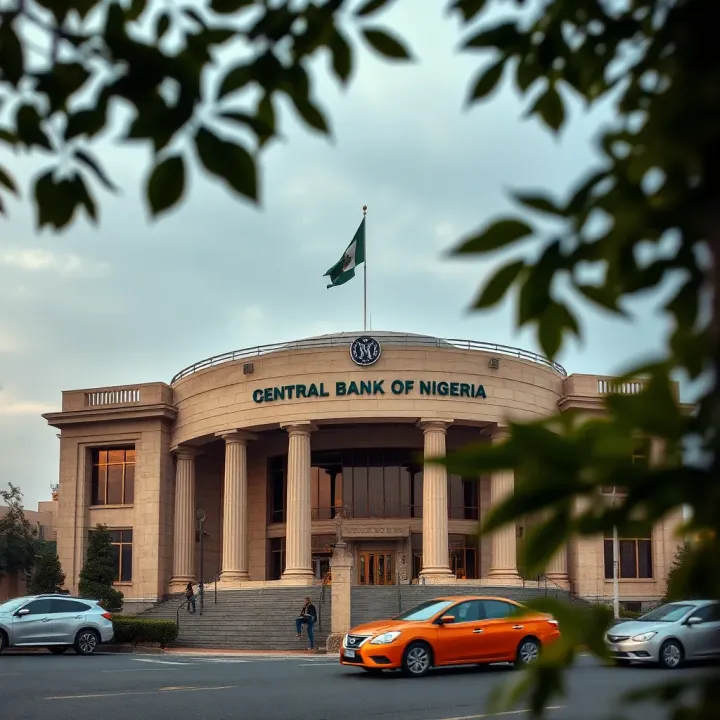
The Central Bank of Nigeria (CBN) holds significant influence over forex transactions within the country. While forex trading itself is not outright illegal, the CBN places strict controls on how it is conducted. For instance, the CBN allows foreign exchange trading only through authorised dealers and registered brokers. This means Nigerians should engage with platforms and companies recognised by CBN or the Securities and Exchange Commission (SEC) Nigeria to trade safely.
Unregistered forex brokers operating outside this framework are considered illegal. They often promise unrealistic returns and lure investors into schemes without proper oversight. For example, some token trading platforms have caused losses due to lack of valid registration or compliance with Nigerian financial laws.
To trade forex lawfully in Nigeria, traders must ensure:
The broker is registered with SEC Nigeria.
Transactions comply with CBN regulations on foreign currency transactions.
Funds are not transferred through unauthorised channels or offshore accounts without due process.
Engaging only with officially recognised forex brokers protects your investment against fraudulent schemes and ensures adherence to Nigerian financial regulations.
In summary, forex trading is legal in Nigeria but only when done through registered brokers under CBN and SEC guidelines. Ignoring these rules increases the risk of falling victim to scams, which remain widespread given lax regulation enforcement in some cases. For traders and investors, due diligence before committing funds is non-negotiable. Confirming broker credentials and understanding the regulatory landscape will help you navigate forex trading confidently and legally.
This article continues to explore how these regulations work, common risks, and practical advice on trading forex safely in Nigeria.
Understanding the basics of forex trading is key for anyone interested in this fast-moving financial activity. It sets the stage to grasp why Nigerians are drawn to the market, the potential benefits, and the risks involved. Forex trading isn’t just about swapping currencies; it requires clear knowledge of how the market operates and what factors influence currency values.
Forex trading, or foreign exchange trading, is the act of buying and selling different currencies. Traders aim to profit by predicting changes in exchange rates between currency pairs like the US dollar to the Nigerian naira (USD/NGN). For example, if a trader believes the naira will strengthen against the dollar, they might buy naira and sell dollars. When the currency’s value shifts in their favour, they sell to lock in the profit.
This trading takes place in a global, decentralised marketplace that runs 24 hours during weekdays, allowing Nigerian traders to participate anytime through online platforms. It demands understanding of economic indicators, global events, and geopolitical news since these influence currency prices. Successful forex trading depends not just on luck but on constant market study and discipline.
Forex trading has grown significantly in Nigeria due to its low entry barrier and potential for quick returns. Many Nigerians see it as a way to supplement income or build wealth, especially given the fluctuating naira and a sometimes unstable local economy. A young population with smartphones plus access to mobile internet means more people are turning to online brokers, such as Alpari and FXTM, which offer platforms tailored to Nigerian users.
That said, the allure of forex trading also brings challenges. Many beginners rush in without full knowledge, making them vulnerable to scams or significant losses. Awareness campaigns, training seminars, and increased information availability have begun to address this gap. Regardless, those interested need to approach forex trading with clear goals and a proper understanding of market mechanics.
Forex trading in Nigeria is more than a hobby; it’s an evolving financial activity that requires careful learning and respect for the risks.
In short, an overview of forex trading highlights its practical landscape in Nigeria—an accessible yet complex market inviting both opportunity and caution. Familiarising oneself with the basics prepares traders for further exploration of the legal framework and best practices in later sections.
Knowing the legal status of forex trading in Nigeria is vital for anyone involved or interested in the market. This clarity protects your funds, ensures compliance, and helps you avoid illicit operators. Unlike many countries with straightforward regulations, Nigeria's approach to forex trading combines oversight and caution, largely driven by the Central Bank of Nigeria (CBN)'s policies and other regulatory bodies.
The CBN plays the key role in regulating forex activities within Nigeria. It decides what kinds of forex trading are permissible to safeguard the naira and maintain financial stability. For example, the CBN allows retail forex trading only when done through authorised dealers or brokers registered in Nigeria. This means you can't legally trade forex with a foreign broker that isn’t registered or approved by the CBN, as it may result in breaches of currency regulations.
The CBN also restricts foreign exchange transactions outside designated official channels to reduce capital flight and fraud. A practical effect of this is that Nigerian traders often find themselves limited to brokers who conform to these rules, which sometimes narrows the options but builds trust in the system.
Beyond the CBN, other bodies enforce forex trading rules. The Securities and Exchange Commission (SEC) oversees certain investment-related activities, including some forex and derivatives trading. Registered brokers must meet requirements set by both the CBN and SEC to operate legally.
The regulatory framework includes laws like the Foreign Exchange (Monitoring and Miscellaneous Provisions) Act, which mandates how forex transactions should be conducted. This framework helps protect investors from scams and promotes transparency. For instance, brokers must provide clear terms and avoid overleveraging clients, which often leaves unsuspecting traders exposed.
To run a legitimate forex brokerage in Nigeria, a company must fulfil several strict conditions. These include:
Registration with the Corporate Affairs Commission (CAC) as a legal entity
Licencing approval from the CBN and, where applicable, registration with the SEC
Maintaining a minimum capital base, often running into tens of millions of naira
Adoption of robust anti-money laundering (AML) and customer verification systems, such as the Bank Verification Number (BVN)
Regular audits and submission of financial reports to regulatory agencies
These requirements help ensure brokers have enough funds to handle clients' investments and avoid dubious practices. For example, a broker licensed by the SEC will have to comply with investor protection rules, including timely execution of trades and fair pricing.
Traders should always confirm that a broker has the necessary licences and meets regulatory standards before investing. Operating outside this framework risks both legal penalties and financial loss.
Understanding these legal conditions is not just for compliance but also a practical step to protect your investment and build confidence in forex trading within Nigeria's unique market conditions.
Understanding the common issues and risks in forex trading is vital for anyone looking to participate in Nigeria's forex market. Without proper awareness, traders risk losing their capital or falling prey to scams, worsened by market unpredictability. This section outlines the most pressing challenges, helping you recognise potential threats and navigate the terrain with care.
Scams in forex trading have become a major headache for Nigerian investors. Fraudulent forex firms and unlicensed brokers promise high returns with little evidence of credibility. For example, some operators offer schemes resembling Ponzi or pyramid structures, enticing new traders with unrealistic profit guarantees. Amusingly, they often use slick websites and aggressive social media advertising to appear professional.
In reality, many of these outfits disappear with investors’ funds, leaving behind empty promises. Even experienced traders have fallen victim because some scams cleverly mimic regulated brokers. To protect your investment, always verify that a forex broker is authorised by recognised bodies like the Securities and Exchange Commission (SEC) Nigeria. Avoid platforms that demand upfront huge deposits without transparent terms.
Forex trading involves exchanging currency pairs, and the Nigerian naira (₦) tends to be highly sensitive to local and global economic events. This exposes traders to currency risks, where sudden naira devaluation or policy shifts cause unexpected losses. For instance, during periods of intense naira volatility due to fuel subsidy changes or political unrest, exchange rates can swing abruptly.
Market volatility is another challenge. Currency values fluctuate wildly based on geopolitical developments, central bank actions, and global market sentiment. Traders need to understand these factors and resist speculation based on hearsay. Tools such as economic calendars, financial news from credible sources, and technical analysis indicators can help anticipate market trends.
Trading forex without accounting for these risks is like crossing a bustling Lagos traffic junction blindfolded — you might make it, but the odds aren’t in your favour.
Always conduct due diligence before funding any forex account.
Stick to brokers regulated by Nigerian authorities.
Stay informed about macroeconomic events affecting the naira’s value.
Use demo accounts to practice before risking real money.
Set stop-loss orders to limit potential losses from market swings.
By recognising these risks and maintaining vigilance, Nigerian traders can engage more safely in forex trading while avoiding common traps that have derailed many others.
Trading forex in Nigeria offers lucrative prospects, but it carries risks, especially given the prevalence of unregulated brokers and scams. Knowing how to trade safely protects your hard-earned ₦ and ensures your dealings comply with Nigeria’s regulatory framework. This section focuses on concrete steps to stay secure and informed in the forex market.
Before depositing any money, thoroughly check whether the broker is properly licensed and registered. The Securities and Exchange Commission (SEC) Nigeria oversees forex brokerage operations, and legitimate brokers must have SEC approval alongside adherence to Central Bank of Nigeria (CBN) guidelines. For example, a forex trader should verify the broker’s SEC licence number and cross-check it against official SEC announcements or databases. Avoid brokers claiming overseas licences but operating exclusively in Nigeria without local authorisation. Remember, some rogue operators use fake certificates or cloned websites to mislead traders.
Prefer platforms endorsed by Nigerian regulatory bodies or well-known fintech firms for deposits and withdrawals. Regulated platforms, such as Paystack or Flutterwave, offer secure payment gateways that protect against fraud and unauthorised transactions. Using bank transfers via Nigerian banks like GTBank, Zenith, or First Bank adds a layer of transparency and traceability not available with informal methods like cash or third-party wallet transfers. Avoid unregulated, peer-to-peer payment channels that are popular but risky, as these often lack dispute resolution mechanisms if funds go missing.
Forex is complex and volatile; jumping in without understanding the market can lead to losses faster than a Lagos danfo navigating gridlock. Invest time in learning fundamental analysis, technical indicators, and risk management strategies from reputable sources. Nigerian traders can benefit from local seminars, online courses offered by credible organisations, or webinars hosted by SEC-registered brokers. Practical demonstrations or demo accounts provided by brokers let traders test strategies without risking real money. Consistent learning builds confidence and helps identify red flags in offers that sound too good to be true.
Always view your forex trading as a cautious venture, not a quick-money scheme. Protecting your funds demands attention to broker legitimacy, sticking to regulated platforms for transactions, and building solid knowledge before risking capital.
Following these steps strengthens your footing in the forex market. It reduces the chance of falling victim to scams or illegal operators, ensuring your forex trading journey in Nigeria remains on the right legal and financial track.
Before stepping fully into forex trading, knowing the legal backdrop is essential. This section wraps up the key points about the legal landscape and gives practical advice to help you trade wisely within Nigeria's financial system.
Forex trading in Nigeria is legally recognised but strictly regulated. The Central Bank of Nigeria (CBN) plays the leading role in setting the rules. Only brokers licensed by Nigerian authorities, including the Securities and Exchange Commission (SEC), can legally offer forex services locally. Many offshore brokers operate here, but trading through unregistered foreign platforms can put you at risk of losing your money without any legal recourse.
For example, an investor who signed up with an unregistered broker during the ember months found it difficult to withdraw funds once the market turned volatile. This kind of risk comes from bypassing the Nigerian regulatory framework. So, confirming a broker’s registration with CBN and SEC ensures you comply with Nigerian laws and access protection mechanisms.
Approach forex trading in Nigeria with caution by following these practical steps:
Check Broker Legitimacy: Always verify that your broker is registered by SEC and approved by the CBN. Avoid brokers claiming to offer guaranteed returns or pushing hasty investments.
Use Regulated Payment Methods: Pay using bank transfers or reputable fintech platforms like Paystack or Flutterwave. Avoid cash-only deals or unverified payment channels.
Educate Yourself: Understand market risks such as currency volatility and leverage effects before risking your capital. Follow regulatory updates from CBN and SEC to stay informed.
Start Small and Monitor Closely: Begin with modest investments, monitor trades actively, and avoid chasing losses. Keep records of all transactions to help in any dispute resolution.
Beware of Scams: If a broker pressures you to deposit more money without sound strategy or refuses to provide clear terms, step back immediately.
Forex trading can be profitable, but respect the legal boundaries and market risks. Proper knowledge and caution protect your ₦ and peace of mind.
Taking these steps ensures you remain within the legal framework and mitigate avoidable losses. The Nigerian forex market offers opportunities, but the key lies in disciplined and informed participation.
Explore top forex trading platforms in Nigeria 📊. Learn how to pick the right one, navigate regulatory issues, and handle local market challenges confidently.
Master forex trading in Nigeria with our practical guide 📈. Learn market basics, risk management, tools, and how to navigate Nigeria's unique financial scene ⚖️.
Securely access your forex trading account in Nigeria with expert tips on choosing brokers, handling logins, browser use, and managing multiple accounts safely 💹🔐🇳🇬
Learn how forex trading certificates boost your skills and credibility in Nigeria's forex market 📈. Discover types, benefits & how to get certified today!
Based on 13 reviews