

Basics of Forex Trading for Beginners in Nigeria
Learn forex trading basics 🌍 tailored for Nigerians 🇳🇬. Understand markets, strategies, risks, and platforms to trade confidently and manage your capital wisely.
Edited By
Isabella Clarke
Forex trading in Nigeria has gained serious traction over the years, attracting both seasoned investors and newcomers. But with the growing interest, it’s becoming clear that success in forex trading goes beyond luck or guesswork. This is where forex trading certificates come into play—they offer traders a way to build solid knowledge and gain credibility in the bustling Nigerian forex market.
A forex trading certificate is a formal qualification that shows you understand the fundamental principles of foreign exchange trading, including market analysis, risk management, and trading strategies. In Nigeria, having such certification can help you stand out in a market filled with both legitimate and dubious players. It not only improves your trading skills but also boosts your chances of accessing more lucrative trading opportunities and partnerships.
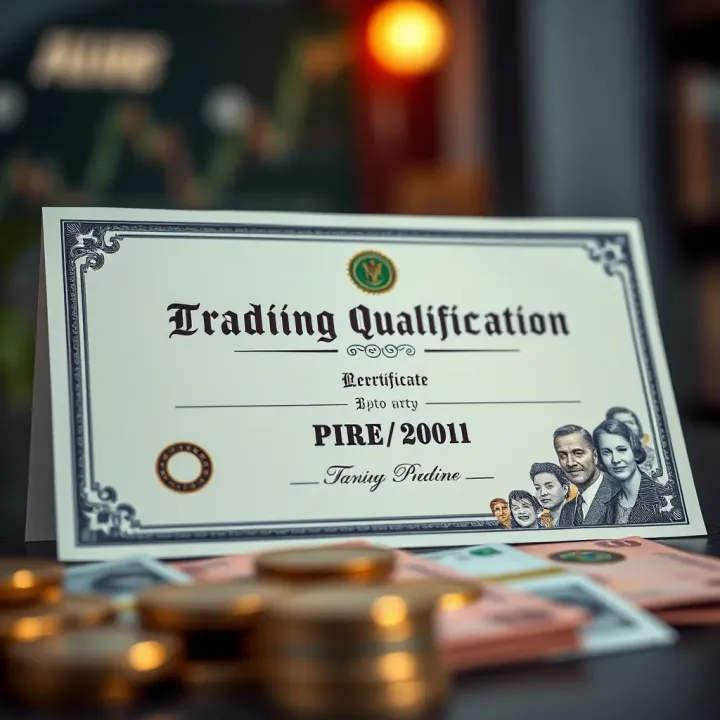
Traders, financial analysts, brokers, and educators can all benefit from earning these certificates. For instance, a trader who completes a recognised course from institutions like the Chartered Institute of Stockbrokers of Nigeria (CIS) or reputable online platforms tailored for Nigeria gains practical insights. These range from interpreting currency movements to managing capital effectively to survive volatile markets.
The certification process typically involves training sessions, exams, and sometimes practical projects. Some programmes focus specifically on forex fundamentals, while others cover advanced strategies and regulatory frameworks relevant to Nigeria’s financial ecosystem. Choosing the right programme is crucial, as certificates from non-accredited bodies may not hold much weight in professional circles.
Earning a forex trading certificate is more than a piece of paper; it shows commitment and understanding in a complex market where knowledge is power.
In addition to skill enhancement, certified traders often enjoy better credibility with brokers and investors. This recognition can open doors to exclusive trading tools, better leverage options, and access to local and international forex communities. For educators, certification adds quality to training sessions and courses they deliver, benefiting the broader ecosystem.
Overall, forex trading certificates serve as practical tools to navigate Nigeria’s forex scene wisely. They prepare traders to make informed decisions, reduce losses, and capitalise on market opportunities efficiently. In the following sections, we will look at the types of certificates available, the benefits they bring, and how to go about obtaining them without falling victim to scams or uncertified providers.
A forex trading certificate is an official proof showing that a trader has gone through training and understands key aspects of foreign exchange trading. It serves as a formal recognition that the holder has acquired relevant knowledge and skills to participate in forex markets with greater confidence and competence. For traders in Nigeria, where the forex market continues to gain traction amid regulatory developments and technological growth, such certificates become more than just paper—they act as a competitive edge.
At its core, a forex trading certificate validates that you’ve completed a course or programme focused on forex trading basics, risk management, market analysis, and trading psychology. The purpose goes beyond ticking boxes; it prepares traders to navigate currency price movements and market volatility effectively. For example, a trader who understands candlestick patterns and the influence of macroeconomic events on exchange rates can respond faster and make smarter decisions than one without certification.
In Nigeria’s forex market, many traders operate independently or through platforms like MT4 and brokers regulated by the Securities and Exchange Commission (SEC). Having a recognised certificate sets you apart by signalling professionalism and commitment. Brokers or investors may view certified traders as more reliable, reducing doubts about their trading strategies. This trust can open doors for partnerships or access to premium trading resources. Moreover, certification reassures that you’re not just guessing but applying tested methods, lessening the risk of costly mistakes.
A certified trader is often more confident not because of luck but due to proven knowledge and systematic practice, which many Nigerian traders sometimes overlook amid hype.
The Nigerian forex environment is unique with challenges like exchange rate fluctuations, regulatory shifts from the Central Bank of Nigeria (CBN), and limited financial literacy among some traders. Certification helps mitigate these challenges by equipping traders with updated information and strategies tailored to local conditions. For instance, understanding how CBN’s monetary policy impacts currency movement can guide when to buy or sell dollars on the official or parallel markets.
Plus, certification opens access to more sophisticated trading platforms and tools often restricted to verified users. Many Nigerian traders who rely on mobile trading apps like OPay or MTN Mobile Money benefit from certifications that help them use these platforms efficiently and safely.
In short, a forex trading certificate is no longer a luxury but a practical necessity for traders looking to stay competitive and profitable in Nigeria’s expanding forex space.

Obtaining a forex trading certificate offers distinct advantages for anyone involved in Nigeria's growing forex market. Beyond just a piece of paper, the certificate sharpens your skills, enhances your credibility, and opens doors to better resources. Let’s examine these benefits closely.
A forex trading certificate programme systematically builds your understanding of currency markets. It covers technical analysis, risk management, and chart reading — skills essential for confident trading decisions. For instance, traders who complete recognised courses often report fewer costly errors and better handling of market volatility. These programmes also familiarise participants with strategies tailored to real-world currency pairs like USD/NGN or EUR/NGN, providing relevant experience for the Nigerian market.
Holding a forex trading certificate sets you apart in the industry. It signals commitment and proven knowledge to brokers, clients, and employers. For freelance traders or those seeking partnerships with investment firms, certification boosts trust, making negotiations and collaborations smoother. For example, a certified trader might find it easier to attract funds or join expert trading groups, which are often closed to uncertified individuals.
Certification frequently comes with access to premium trading platforms and specialised tools that uncertified traders may not easily get. Some course providers partner with brokers to offer certified members reduced commissions or enhanced analytics features. This access can translate to sharper market insights and quicker execution, giving traders an edge. Moreover, certified traders often benefit from ongoing market updates and mentorship schemes, helping them stay ahead in the fast-changing forex scene.
Certification isn’t just about a credential; it’s your gateway to evolved skills, stronger credibility, and better market tools tailored for Nigeria's forex environment.
Different forex trading certificates offer varied benefits depending on your goals and the skills you want to sharpen. Understanding the types available in Nigeria can guide you to pick the right certification that matches your trading ambitions and the local market environment.
Online courses dominate the certificate landscape due to their accessibility and flexibility. Several Nigerian platforms like InvestAcademy Nigeria provide forex trading courses tailored for local traders, covering basic to advanced levels of trading. Meanwhile, international providers such as the Forex Academy USA or the Chartered Institute for Securities & Investment (CISI) offer globally recognised credentials.
These online programmes usually include video lessons, live webinars, and practical trading simulations. For example, a Nigerian trader can join InvestAcademy’s 8-week programme for about ₦75,000, learning risk management, chart analysis, and order execution—skills directly applicable in the Nigerian market. Access to international certifications like CISI’s Diploma can open doors for those eyeing a career beyond Nigeria’s borders.
While the Central Bank of Nigeria (CBN) does not issue forex trading certificates directly, it regulates certain entities in the forex market to protect traders and ensure compliance. Some certificates come with endorsements or recognition by regulatory bodies such as the Nigerian Securities and Exchange Commission (SEC). This approval signals that the certification course aligns with legal trading practices and market regulations.
Choosing programmes recognised by regulatory authorities ensures you train in compliance with Nigeria’s financial laws, which is crucial given the volatile nature of forex trading and the presence of unregulated operators. A trader certified under such recognised courses can also build trust with brokers and clients.
Certain certificates focus on honing particular forex trading skills. These include technical analysis certifications, risk management qualifications, and algorithmic trading credentials.
For instance, you might pursue a specialised course in technical analysis to master chart patterns, candlestick formations, and indicators like the Relative Strength Index (RSI). Another example is a risk management certificate which teaches you how to control losses and protect your capital—essential skills given the naira’s occasional volatility and the unpredictability of the global market.
Specialised certificates allow you to deepen expertise in niche areas, which can be an advantage if you plan to work as a forex analyst, consultant, or institutional trader within Nigeria’s financial sector.
The type of forex trading certificate you pursue should align with your career plan and trading style. Consider both local relevance and international recognition for the most effective growth in Nigeria’s evolving forex market.
In summary, from accessible online courses to recognised regulatory endorsements, and specialised skills certifications, Nigerian traders have multiple options to choose from. Selecting the right type helps sharpen your skills, build credibility, and tap into opportunities at home and abroad.
Obtaining a forex trading certificate in Nigeria can visibly boost your credentials, sharpen your skills, and open up new avenues in the forex market. However, the path to getting certified requires making informed choices, understanding costs, and following clear steps to completion.
Choosing the right certification course matters because it directly affects the value of your certificate. Not all training programmes offer the same quality or recognition. For example, courses affiliated with reputable Nigerian financial institutions or regulated bodies like the Securities and Exchange Commission (SEC) tend to hold more weight. Also, international providers such as the Forex Traders Association may offer certifications recognised globally but check they are compatible with Nigeria’s regulatory environment. Reading participant reviews, verifying trainer expertise, and confirming accreditation should be your starting points.
Most forex trading certificate programmes require a basic educational background—usually a minimum of secondary school completion. Some advanced courses might ask for prior trading experience or a foundational knowledge of financial markets. Costs vary widely from about ₦20,000 for online short courses to over ₦100,000 for comprehensive in-person training with mentorship. Keep in mind other potential expenses such as textbooks, platform access fees, and exam charges. Be wary of courses promising certification for suspiciously low fees or with no clear curriculum details.
The typical process begins with enrollment, where you submit your application and pay the required fees. Prepare for classes, which can be either physically in training centres located in Lagos or Abuja, or virtually through platforms like Zoom or Microsoft Teams. The course usually covers forex fundamentals, technical analysis, risk management, and trading psychology. Expect some practical exercises or demo trading sessions for real-world learning. Examinations or project submissions generally follow the training phase. After successful completion, you’ll receive your forex trading certificate either digitally or as a printed document.
Remember, the certificate is not just a paper—it’s proof of your dedication, understanding, and readiness to trade responsibly in Nigeria’s forex market.
Taking a certification course requires commitment but is worth the investment for serious traders aiming to elevate their performance and professional standing. The right certificate will give you access to better platforms and even attract potential investors or employers, helping you stand out in a fast-growing Nigerian forex landscape.
Choosing the right forex trading certificate programme makes a real difference in your trading journey. Not all certificates carry the same weight or quality, especially in Nigeria’s growing forex market. To get value from certification, traders should be clear about some key elements before committing time and money.
Accreditation is a strong sign that a certification programme meets industry standards. Look for courses recognised by reputable bodies such as Nigerian financial training institutes or international organisations like the Chartered Institute for Securities & Investment (CISI). This matters because regulators, employers, and potential clients often check if a trader’s certification comes from an acknowledged authority. For example, a certificate endorsed by the Chartered Institute of Bankers of Nigeria (CIBN) could open doors in established financial institutions. Without such recognition, a certificate might be little more than a paper with no market respect.
The course should cover practical subjects that build real trading skills, not just theory. Topics like technical analysis, risk management, use of trading platforms, currency market fundamentals, and Nigerian market specificities deserve focus. For instance, understanding how the naira’s exchange rate reacts to CBN policies can be crucial. Some courses offer modules on trading psychology and algorithmic trading which add value, especially for serious traders looking beyond basics. Be cautious of programmes that promise certification with minimal content or overly general material unrelated to forex.
Check the reputation of the organisation delivering the programme. Past students’ testimonials, success stories, and forums where traders share feedback can guide you. For example, a Nigerian-based fintech training firm with positive reviews from local traders and industry professionals signals reliability. Providers with connections to Nigerian brokers or partnerships with international forex bodies often offer better course quality and post-certification support. Beware of new or unproven entities with little online presence or unclear results; these sometimes offer certificates more for fees than true learning.
Selecting the right certificate programme means balancing recognition, relevant skills, and a credible provider. It’s worth taking your time here, as your certification serves as your trading passport and credibility badge.
By focusing on accreditation, course depth, and a provider’s track record, you ensure your forex trading certificate boosts your skills and standing in Nigeria’s competitive forex markets. This approach helps you avoid wasted resources on low-value courses and positions you well for both local and international trading opportunities.
Learn forex trading basics 🌍 tailored for Nigerians 🇳🇬. Understand markets, strategies, risks, and platforms to trade confidently and manage your capital wisely.
💱 Starting with Forex trading in Nigeria? Learn essential basics, how it works, risks, and smart tips to trade safely and confidently in the local market.
📈 New to forex trading in Nigeria? This beginner guide breaks down key concepts, practical steps, and smart strategies to trade currencies wisely and confidently.
💱 Learn practical forex trading basics, market operations, strategies & risk tips tailored for Nigerian traders. Start smart with clear insights today!
Based on 7 reviews