

Forex Trading Platforms in Nigeria: A Practical Guide
Explore top forex trading platforms in Nigeria 📊. Learn how to pick the right one, navigate regulatory issues, and handle local market challenges confidently.
Edited By
Charlotte Dawson
Forex trading has opened new doors for Nigerians keen on investing and growing their wealth. Still, the complex world of currency markets can be daunting for beginners. This is why demo accounts are a smart starting point for Nigerian traders aiming to hone their skills without risking their hard-earned naira.
A forex trading demo account mimics real market conditions but uses virtual money instead of actual funds. For instance, you might get ₦1,000,000 in virtual credits to practise buying and selling currency pairs like USD/NGN or EUR/USD. This hands-on approach lets you understand how price changes affect your trades before you commit real cash.

Practising with a demo account is like learning to ride an okada in a quiet street before venturing onto Lagos highways—you get familiar with controls without endangering yourself.
Risk-Free Learning: You can make mistakes without financial loss, which is crucial for novice traders still grasping how the forex market behaves.
Understanding Platforms: Demo accounts help you navigate trading platforms such as MT4, MT5, or local brokers offering apps tailored to Nigerian users.
Testing Strategies: Whether experimenting with scalping, swing trading, or fundamental analysis focusing on local economic indicators, you can see what works best.
Building Confidence: Repeated practice builds the confidence needed to trade under real-market pressure, avoiding hesitation that leads to poor decisions.
While demo accounts replicate real trading conditions, they lack the emotional weight tied to using real money. For example, a Nigerian trader might feel less stressed trading virtual funds than facing market volatility with actual ₦50,000 on the line. Also, demo executions may occur faster or without slippage, which can differ in live markets especially during high volatility or low liquidity periods.
Using demo accounts effectively means recognising these differences and preparing mentally for the jump to live trading.
Look for platforms that provide:
Access to local currency pairs, including NGN or emerging African markets.
User-friendly interfaces suited for mobile and desktop, considering Nigerians often trade on phones.
Adequate virtual funds to practise with confidence.
Good customer support responding to Nigerian traders’ needs.
Starting your forex journey with a demo account saves you from early pitfalls common to many Nigerian traders. It builds a strong foundation, ensuring you don't lose your capital trying to learn on the job.
A forex trading demo account is a vital tool for anyone stepping into the world of forex trading, especially Nigerian traders who face a unique market environment. It offers a risk-free way to experience the trading process, understand market dynamics, and develop strategies before committing real funds. This section breaks down what a demo account is, its purpose, and how it operates to help traders build a solid foundation.
A demo account replicates the live forex trading environment but operates with virtual money rather than real cash. This setup allows traders to practise buying and selling currency pairs in conditions that closely mimic actual market activity. For example, if you want to trade the USD/NGN pair, a demo account offers real-time pricing and order execution simulations, helping you grasp how the market fluctuates throughout the day.
Having this safe environment is essential for learning. Nigerian traders who are new to forex can make mistakes without the stress of losing their ₦50,000 or ₦100,000 savings. It’s like learning to drive on a simulator before taking control of a car on Lagos’ busy roads.
What truly sets demo accounts apart is that no real money changes hands. This means losses and gains are purely virtual. While this removes the fear of losing capital, it also means the emotional stakes are much lower compared to live trading.
For Nigerian traders, this offers an opportunity to focus on understanding market strategies without worrying about forex scams or sudden naira depreciation affecting actual losses. The freedom to experiment helps in mastering the trading platform and fine-tuning approaches.
Despite using virtual money, demo accounts provide access to live market data. Prices, charts, and order books reflect real market movements on the Nigerian Stock Exchange (NGX) or global forex markets. This means you observe how global events, like CBN monetary policy changes or international economic shifts, impact currency prices.
This data access is crucial because it conditions traders to respond promptly and accurately. If, for instance, the Central Bank of Nigeria announces an interest rate change, you can see how the naira pairs react and practice placing trades accordingly.
Demo accounts credit you with virtual funds, often ranging from ₦1,000,000 to ₦10,000,000, depending on the broker. You use this virtual capital to execute trades exactly as you would with real money, including setting stop-loss and take-profit orders.
This virtual wallet encourages experimentation. You might try trading in smaller sizes first or test complex strategies like scalping or swing trading without any actual risk. It’s a chance to understand how margin, leverage, and spreads work under different conditions.
One of the biggest benefits is the ability to test multiple trading strategies under varied market conditions without risking your savings. Whether it’s following technical indicators like the Relative Strength Index (RSI) or trying news-driven trades, you can observe what works or falters.
For Nigerian traders facing volatile markets and fluctuating naira exchange rates, testing strategies beforehand ensures they enter live trading with a tested plan rather than guessing. A demo account acts as a rehearsal space before the real performance.
Using a forex demo account is like training at the gym before a marathon; it builds your trading muscle without the bruises.
In summary, demo accounts provide a realistic, risk-free platform to learn forex trading mechanics and develop strategies suitable for the Nigerian trading landscape. Understanding this foundation is the first step toward becoming a confident trader in the forex market.
Using a demo account offers Nigerian traders a significant edge before stepping into live forex trading. It allows beginners and even seasoned traders to familiarise themselves with the Forex market’s workings without risking real money. This practice stage is vital, especially in a market known for its volatility and rapid price movements.
A demo account provides a risk-free environment for traders to grasp how forex markets operate day-to-day. You can watch how currency pairs like USD/NGN or EUR/USD move in real-time, learning about price fluctuations caused by economic releases or geopolitical events without losing ₦. This hands-on understanding is crucial because theoretical knowledge alone rarely prepares one for actual market behaviour.
For instance, you might notice how the Central Bank of Nigeria's (CBN) policies influence the naira’s strength during trading hours. Experiencing these movements through a demo account builds practical market awareness.
Beyond watching market trends, demo accounts let you practise placing different types of orders—market, limit, stop-loss, take-profit—without financial consequences. Mistakes like ordering the wrong volume or entering a wrong currency pair don’t cost you money.
Such practice is invaluable. Imagine a newbie trader who learns how to place an order for USD/NGN with proper stop-loss levels. When moving to real trading, this experience reduces errors significantly, saving potential losses from poor judgement under pressure.
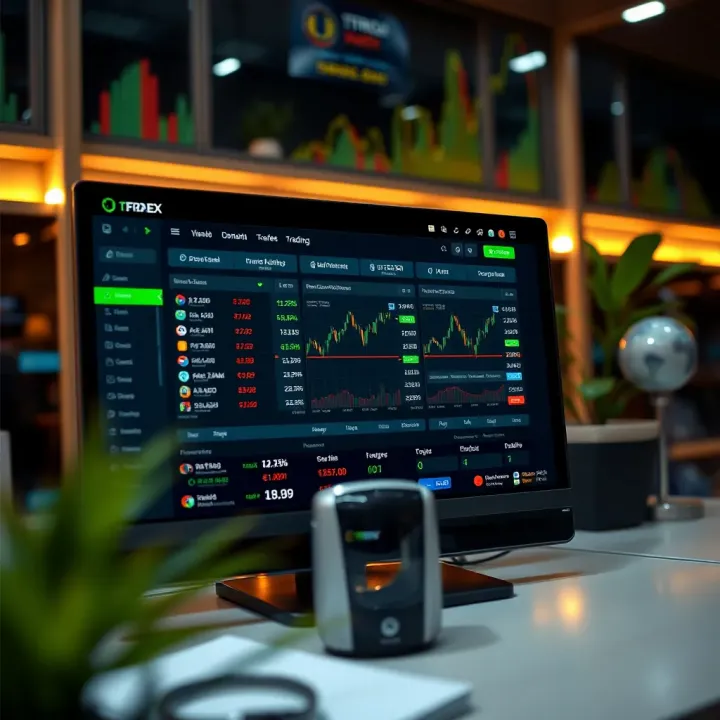
The demo environment is ideal for creating and testing trading strategies. Whether using technical analysis or fundamental news-based strategies, traders can observe how these ideas fare without risking ₦. You might test a simple moving average crossover or check how a news event like US Federal Reserve interest rate changes impacts your trade setup.
Such trials help you refine your system, identify strengths and weaknesses, and find the best fit to your personality and local market conditions. By the time you switch to live trading, your approach will already be vetted.
Every broker offers different platforms, from MetaTrader 4 and 5 to proprietary apps like those from GTBank or Access Bank. Demo accounts let you navigate these platforms, understand chart settings, use tools, and place trades efficiently.
Looking at Nigerian platforms or those targeting Nigerian traders, a demo account helps you judge if a platform suits your style—whether it loads fast despite local internet issues or offers suitable chart tools without clutter. Early familiarity here prevents costly blunders caused by platform confusion during live trading.
Before committing real funds, demo accounts allow you to test brokers’ user interfaces and features firsthand. Factors like ease of use, available chart types, technical indicators, and speed of order placement matter substantially.
For example, a trader might prefer a clean interface with rapid chart refresh, crucial during volatile periods like the ember months when markets react sharply. A cumbersome interface could lead to missed opportunities or mistakes.
Finally, demo accounts offer insight into a broker’s reliability. Observing trade executions, whether there are frequent price re-quotes, or how stable the platform behaves under market pressure reveals much about the broker.
Nigerian traders should also check if brokers adhere to regulatory requirements, offer responsive customer support, and maintain fair trading practices. A demo account trial can highlight weaknesses that save your capital in the long run.
Demo accounts serve as a dress rehearsal for forex trading. They help traders avoid costly errors, build confidence, and find brokers and platforms that match their trading style and needs.
Understanding the differences between demo and live forex trading is key for Nigerian traders aiming to make a smooth transition from practice to actual market engagement. While demo accounts mimic real trading environments, they lack some crucial elements that affect trading behaviour and outcomes.
When trading live with real money, the pressure on traders changes drastically. In demo trading, losses don't hurt financially, so you might take risks you'd avoid with real naira on the line. Live trading brings genuine stress because every decision directly impacts your funds. For instance, a trader in Lagos might hesitate to pull the trigger on a risky trade when their daily budget is involved, even if they practiced it confidently on demo.
This pressure influences how quickly you react and the choices you make. It’s common to second-guess trades in live markets due to fear of losing capital, a feeling absent in demo environments.
Profits in demo accounts don’t bring actual gains, nor do losses cause real setbacks. Live trading, however, triggers emotional responses — joy from profits or distress from losses — which shape future decisions. For example, a trader might impulsively increase trade sizes after gains or pull out too soon after losses, behaviours rarely experienced in demo settings.
These emotions can cause irrational moves, such as revenge trading (trying to recover losses quickly) or overtrading. Understanding this difference helps traders prepare mentally for live market realities.
In demo accounts, order execution tends to be idealised, showing immediate transactions at desired prices. Live trading faces realistic factors like slippage, where the execution price differs from the intended price due to rapid market shifts. Nigerian traders dealing with volatile currency pairs like USD/NGN often notice these discrepancies during fast market hours.
Slippage can increase losses or reduce profits, so it’s vital to grasp that live execution won't always match demo outcomes.
Demo accounts frequently offer fixed or tighter spreads, whereas live markets have variable spreads depending on market liquidity and volatility. For example, during Nigerian market off-hours or political events, spreads can widen significantly, raising trading costs.
Experienced traders learn to anticipate spread changes during volatile sessions to avoid unexpected expenses. Demo environments rarely simulate such fluctuations, which means traders must manage this difference when switching to real accounts.
The gap between demo and live trading often catches new traders off-guard, especially regarding emotional control and market execution nuances. Embracing these differences early improves readiness and decision-making in live forex trading.
By distinguishing these factors, Nigerian traders can approach live trading with clearer expectations and better strategies, minimising shocks when real money gets involved.
Selecting the right forex demo account is a key step for Nigerian traders aiming to sharpen their skills without risking real money. Not all demo accounts serve the same purpose; some offer richer features and more realistic market conditions. To make the most of your demo experience, focus on platform usability, reliability, and flexibility in switching to live trading.
A demo account with a clean and intuitive interface helps you navigate the platform easily, reducing the learning curve. For example, popular platforms like MetaTrader 4 or MetaTrader 5 provide clear layouts with straightforward order functions. Since Nigerian traders might access these platforms on varied devices, from phones to laptops, the design must adapt well and load swiftly despite sometimes unstable internet connections.
Valuable demo accounts offer a wide range of charting options and technical indicators to mimic real trading environments. Being able to analyse trends using tools like moving averages, RSI, and Fibonacci retracement prepares you better for live trades. Platforms that integrate news feeds and economic calendars also help keep you updated on market developments, vital for fundamental analysis.
Ensure the broker behind the demo account is registered with the Central Bank of Nigeria (CBN) or other relevant authorities like the Securities and Exchange Commission (SEC). Licensed brokers abide by financial regulations that protect you from scams and malpractice. For instance, a demo account from a broker with CBN approval generally aligns with local compliance measures affecting Nigerian traders.
Good support matters, even with demo accounts. Responsive, knowledgeable customer service can quickly resolve technical glitches or clarify doubts about platform features. Brokers offering multiple contact channels—phone, chat, email—with support in Nigerian working hours enhance your overall experience.
Some brokers restrict demo accounts to days or weeks, which might interrupt your practice long before you are ready to go live. Others offer unlimited demo periods, allowing you to learn steadily at your own pace. For Nigerians balancing trading with other commitments, longer access can prevent rushing into live markets unprepared.
A demo account should seamlessly transition into a live account without cumbersome processes. Check if the broker accepts popular Nigerian payment methods like bank transfers, USSD payments, or Paystack/Flutterwave integrations. The simpler it is to fund your live account after demo trading, the faster you can act on your newly gained skills.
Choosing a demo account is not just about free practice; it sets the stage for your real trading journey. Pay attention to features and broker credibility to avoid surprises later.
By selecting the right forex demo account, Nigerian traders can practise under realistic conditions, build genuine confidence, and prepare for the unique challenges of the live forex market.
Forex demo accounts offer a safe space for Nigerian traders to practice forex trading without risking real money. However, several common pitfalls can limit their effectiveness if not managed carefully. Understanding these challenges helps traders make better use of demo accounts and prepares them well for live trading.
Trading on a demo account removes the risk of losing real money, which often makes traders overly confident. This confidence can blind them to the emotional pressures faced in live trading, such as fear of loss or hesitation in taking profits. In practice, while a trader might take bold risks on a demo, they may freeze or panic when real naira is on the line.
Traders should acknowledge the emotional gap between demo and live trading. For example, a Nigerian trader practising daily might execute trades calmly on demo but struggle to manage stress when faced with live market swings. Recognising this difference helps traders prepare mentally for live conditions rather than relying solely on risk-free experiences.
Taking unnecessary risks is common in demo accounts because there are no real consequences. Traders might open large positions or use high leverage allowed in demo settings without considering their actual risk appetite. This behaviour leads to unrealistic trading habits that poorly translate to live markets where capital preservation matters.
For instance, a newbie trader in Lagos using a demo might consistently buy with maximum leverage to ‘test’ the market, but such strategy is hazardous with real funds. It's better to simulate real-life risk management practices even when trading virtually.
Trading sizes disproportionate to real capital is another risk. Many demo users trade with amounts far larger than their actual investment budget. This disconnect can cause false confidence, as profits and losses won't match what they’d realistically see with ₦50,000 or ₦100,000 starting capital.
To avoid this, Nigerian traders should set virtual account balances that reflect what they intend to invest. For example, if a trader plans to start with ₦200,000, their demo account should mimic that size. This strategy keeps expectations realistic and forces practical management skills.
Relying on demo accounts indefinitely can stall a trader's progress. Staying too long in the risk-free environment delays exposure to real-world challenges like liquidity issues and emotional pressure. Some traders become comfortable with demo but aren’t ready to face the complexities of live markets.
Practical advice is to set clear milestones for moving from demo to live trading. For example, after practicing for two months and achieving consistent results, a trader should fund a live account, even if with a small amount, to experience real market conditions.
Delay in handling actual market conditions leads to unpleasant surprises when a trader finally goes live. Real markets involve slippage, variable spreads, and occasional execution delays that demo platforms often smooth over. Leaving the demo phase too long means missing out on adapting to these realities.
In Nigerian forex markets, where internet stability and broker reliability vary, it’s essential to handle live trading challenges early. Starting small helps traders adjust to these factors gradually instead of being overwhelmed with big stakes.
Avoiding these common mistakes turns a demo account from a mere playground into a powerful training tool, helping Nigerian traders bridge the gap to real forex trading successfully.
Using a forex demo account effectively requires more than just opening it and clicking around. To build skills that can translate into profitable live trading, Nigerian traders must apply practical strategies while practising on demo platforms. This means treating demo trading seriously, setting clear goals, and tracking progress just as they would with actual money. Here are key tips to get the best from your demo experience.
It's easy to treat demo trading like a game when no real money is at stake. However, replicating live market conditions during your demo sessions builds muscle memory and discipline needed for real trading. That means setting your demo trades as if you were risking your own funds — considering things like trade timing, entry and exit points, and using stop losses. For example, if you plan to trade during London and New York overlaps on the real market, do the same during your demo. This practice helps manage expectations and prepares you emotionally for live trades.
Many demo users make the mistake of placing oversized trades because there’s no real financial consequence. This habit sets traders up for shock when live trading with limited capital. If your live trading budget is ₦50,000, simulate this on your demo account by restricting your trade sizes proportionally. For example, if you expect to risk 2% per trade in real life, keep to that in the demo. This approach develops prudent money management skills, which are vital to surviving the forex market’s ups and downs.
A detailed trading journal is a critical tool that separates casual demo users from serious traders. Write down why you entered a trade, the strategy you used, your entry and exit points, and the market context. This helps you identify patterns of success or mistakes. For Nigerian traders, this can include noting the effects of local events like CBN announcements or political developments that might affect currency pairs.
Regular review of your journal sharpens your approach. Set weekly or monthly check-ins to analyse wins, losses, and adherence to your set rules. Evaluate whether some strategies work better in specific market conditions or pairings—for instance, trading USD/NGN during times of high naira volatility. This ongoing reflection prevents repeating the same errors and improves decision-making over time.
Demo trading should have a clear end goal. Define milestones such as achieving a consistent win rate or meeting specific profit targets on your demo account before moving to live funds. Nigerian traders could set a goal like doubling virtual capital three times over a month. Reaching these milestones proves you understand the mechanics and are likely ready for live trading.
When switching to live trading, starting small protects your capital and reduces emotional pressure. Begin with trades far smaller than your demo sizes, say ₦5,000 instead of ₦50,000. This cushion helps you adjust to the differences between demo and live environments, like slippage and spread changes. As confidence and skills grow, gradually increase your live trade sizes to match your demo experience.
Successful demo trading is not about winning every trade but about disciplined practice and preparation for real market challenges.
By following these practical tips, Nigerian traders can bridge the gap between theory and real-world forex trading, thereby increasing the chance of consistent success.
Explore top forex trading platforms in Nigeria 📊. Learn how to pick the right one, navigate regulatory issues, and handle local market challenges confidently.

Master forex trading in Nigeria with our practical guide 📈. Learn market basics, risk management, tools, and how to navigate Nigeria's unique financial scene ⚖️.
Securely access your forex trading account in Nigeria with expert tips on choosing brokers, handling logins, browser use, and managing multiple accounts safely 💹🔐🇳🇬

Learn how forex trading certificates boost your skills and credibility in Nigeria's forex market 📈. Discover types, benefits & how to get certified today!
Based on 12 reviews