
Understanding Bearish Reversal Candlestick Patterns
Learn to spot bearish reversal candlestick patterns 📉 for smart trading decisions in Nigeria's stock market. Master key signals & risk management tips.
Edited By
Charlotte Hayes
Candlestick patterns have become an essential tool for traders and investors navigating the Nigerian financial markets. They offer visual clues about price movements during a trading period, helping you anticipate future trends and make more informed decisions. Unlike plain line charts, candlestick charts show the opening, closing, highest, and lowest prices within a given timeframe, making them a full picture of market sentiment.
At the core, each candlestick consists of a body and shadows (or wicks). The body reflects the price range between the opening and closing, while the shadows show the extremes reached during the session. A long green (or white) body suggests strong buying pressure, while a long red (or black) body signals selling pressure. Traders use combinations of these shapes — or patterns — to infer market psychology and potential turning points.
Understanding candlestick patterns is not just academic; it can sharpen your ability to decide when to enter or exit trades, especially in volatile markets like Nigeria’s equities or forex.
Some common patterns include:
Bullish Engulfing: A smaller red candle followed by a larger green one that completely covers it. This often indicates buyers gaining control after a downtrend.
Bearish Harami: A large green candle followed by a smaller red candle inside its body, suggesting weakening buying momentum.
Doji: When opening and closing prices are nearly the same, signalling indecision in the market.
Using these patterns alongside volume and other indicators can improve reliability.
For Nigerian traders, recognising these patterns can be a significant advantage, especially when dealing with fluctuations in shares listed on the Nigerian Exchange (NGX) or currency pairs involving the naira (₦). For example, after weeks of price decline, spotting a bullish engulfing on the chart for an NGX-listed stock like MTN Nigeria could hint at a reversal worth acting on.
This article will walk you through the key candlestick patterns, complete with practical examples tailored for the Nigerian context. You will learn how to spot these patterns, interpret their signals, and apply this knowledge to optimise your trading strategy.
Understanding candlestick charts is fundamental for traders aiming to improve their market analysis. Unlike simple line graphs, these charts reveal multiple price points within each trading period, offering a richer picture of market sentiment. For example, a trader examining the Nigerian Stock Exchange (NSE) can quickly identify price movements and momentum shifts by reading candlesticks, especially during volatile ember months.
A candlestick consists of a rectangular body and thin lines extending above and below called wicks or shadows. The body represents the difference between the opening and closing prices of a trading session. Meanwhile, the upper and lower wicks show the highest and lowest prices reached. This structure lets traders quickly grasp the range and strength of price movements within the period.
The open price marks where trading starts, while the close shows where it ended. High and low prices indicate the extremes during the session. For instance, if a stock on the NSE opened at ₦150 but closed at ₦165 with a high of ₦170, the candlestick body reflects the net gain. Traders use these points to assess volatility and potential reversals, crucial in deciding entry or exit points.
Colours signal market direction clearly. Typically, a green or white body means the price closed higher than it opened—selling pressure was low, and buyers prevailed. Conversely, a red or black body shows the price closed lower, with sellers dominating. This simple colour coding helps traders immediately discern bullish or bearish sentiment without parsing complex data.
Candlestick charts offer more clarity than line or bar charts because they illustrate price action in a compact, easy-to-understand format. Unlike line charts that just connect closing prices, candlesticks show how price moved throughout the session. This feature is especially useful in Nigeria's fast-moving markets where quick decisions are necessary.
These charts adapt well to the local market’s ups and downs, helping traders navigate frequent price swings caused by economic news, policy changes by the Central Bank of Nigeria (CBN), or fuel scarcity. For example, during naira volatility, candlestick analysis may highlight sudden bearish trends, prompting traders to manage risks timely.
Major Nigerian trading platforms like GTI Securities, LeadWay, and Bamboo incorporate candlestick charting tools. This integration allows traders to apply these patterns directly while monitoring their portfolios. Notably, online forex platforms used in Nigeria also display candlestick patterns, letting users analyse currency pairs like USD/NGN in real-time.
Mastering candlestick charts equips Nigerian traders with a powerful visual tool to read market behaviour swiftly, improving trading decisions in complex market environments.
For traders and investors in Nigeria, recognising key candlestick patterns can make a significant difference in decision-making. These basic patterns provide clear signals about market sentiment and potential price moves. They often serve as early warnings or confirmations, helping you spot when trends might continue or reverse.
Doji: Market Uncertainty
A Doji forms when the opening and closing prices are almost identical, resulting in a candlestick with a very small body and long shadows. This pattern hints at indecision among traders — neither buyers nor sellers have control. In Nigerian markets, especially during periods of political uncertainty or economic fluctuations, spotting a Doji could warn you that a strong move is about to happen, though the direction remains unclear.
Traders should note that a Doji alone does not indicate direction but signals a pause. It's practical to wait for confirmation from the next candles before making trade decisions.
Hammer and Hanging Man: Reversal Signals
Hammers and Hanging Man candles have small bodies, long lower shadows, and little or no upper shadow. The difference lies in their market context. A Hammer appearing after a downtrend suggests buyers are stepping in, signalling a possible bullish reversal. Conversely, a Hanging Man at the end of an uptrend indicates selling pressure, hinting at a bearish reversal.
For example, if a NSE stock declines then forms a Hammer, traders might consider entering a long position once confirmation appears. These patterns are valuable for timing entries or exits in volatile Nigerian markets.
Shooting Star: Bearish Warning
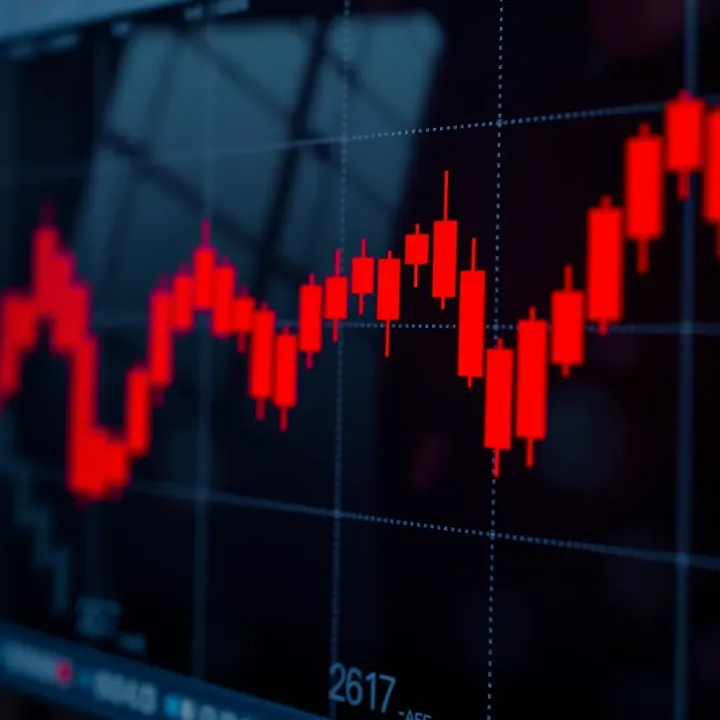
The Shooting Star features a small body near the lower end of the trading range with a long upper shadow. It appears after an uptrend and suggests that buyers pushed prices high during the day but sellers regained control by closing near the open, signalling weakening bullish momentum.
In practice, a Shooting Star on an oil importer's stock chart could warn traders about a coming price drop, especially during times of fuel scarcity that impact investor sentiment.
Bullish Engulfing Pattern
A Bullish Engulfing pattern occurs when a small bearish candle is fully engulfed by the next larger bullish candle. This indicates strong buying pressure and potential trend reversal from downtrend to uptrend.
For Nigerian traders, seeing this pattern on actively traded stocks like Dangote Cement or in popular forex pairs (like USD/NGN) could present good buying opportunities.
Bearish Engulfing Pattern
This is the opposite: a small bullish candle is swallowed by a larger bearish candle. It signals sellers gaining control and a likely downturn. Spotting this pattern after a price rise can alert traders to take profits or prepare for short positions.
During ember months, Nigerian markets sometimes experience increased volatility, making the Bearish Engulfing pattern a useful alert for cautious trading.
Morning Star and Evening Star
These three-candle patterns mark strong reversals. The Morning Star signals a bullish turnaround after a downtrend — starting with a bearish candle, followed by a small indecisive candle (like a Doji), and then a strong bullish candle.
The Evening Star is its bearish counterpart, signalling a reversal after an uptrend. Nigerian traders can spot these patterns in both stock and forex markets to time their trades effectively.
Recognising these basic candlestick patterns helps you navigate price action with more confidence, avoiding guesswork and improving entry and exit timing in Nigeria’s unique market environment.
Understanding these patterns offers practical insight, especially when combined with factors like volume and market news.
Remember, no pattern works perfectly alone; confirmation from other tools enhances their reliability.
Using candlestick patterns in real trading helps traders decode market behaviour immediately, giving them an edge when deciding to enter or exit trades. These patterns reflect the battle between buyers and sellers in real time, helping to clarify whether markets will likely continue a trend or reverse it. This is especially useful in Nigeria's fast-moving stock and forex markets, where timing can mean the difference between profit and loss.
Candlestick patterns help confirm existing trends by showing sustained buying or selling pressure. For example, a series of long green candlesticks with higher closes suggests a strong uptrend, signalling buyers are in control. Conversely, consecutive red candlesticks with lower lows confirm a downtrend, indicating sellers dominate. Nigerian traders monitoring stocks on the Nigerian Stock Exchange (NSE) can use these signals to ride trends appropriately.
Recognising these trends is practical because it reduces the guesswork in trading decisions. When multiple bullish patterns align in an uptrend, traders gain confidence to hold positions longer or add to trades. On the flip side, confirming a downtrend prevents costly premature buys, a frequent mistake during volatile periods like the ember months.
Spotting reversal signals is key to protecting profits or avoiding losses. Patterns such as the hammer or shooting star tell us when the market is weary of the current direction and ready to change course. For instance, a hammer candlestick appearing after a downtrend on a bank stock signals potential buying interest returning, alerting traders to a possible price rise.
In practise, Nigerian traders who catch reversal patterns early can adjust their strategies quickly, perhaps by tightening stop losses or booking profits before a downturn. This approach is especially useful during periods of economic uncertainty or political events when price swings are common.
A bullish engulfing pattern occurs when a green candlestick completely covers the previous red candlestick's body, signalling a strong shift from sellers to buyers. For example, if Dangote Cement shares show this pattern after a downtrend, it suggests renewed investor confidence and a good opportunity to enter a buy position.
For NSE investors, recognising such patterns in leading blue-chip stocks helps capitalise on rebounds early before prices surge further. It also supports risk management by providing clear entry points with close stop loss levels.
The USD/NGN forex pair is highly relevant for many Nigerians involved in import-export or remittances. Candlestick patterns here reflect macroeconomic factors like CBN interventions or naira stability.
For instance, a shooting star after a strong USD rally against the naira hints naira may strengthen soon, offering chances for short-term traders to benefit. Understanding pattern signals in this pair helps local forex traders navigate volatility with better precision.
The ember months — September to December — often bring increased market activity, sometimes accompanied by unusual price swings due to festive spending, political focus, and foreign investor moves. Candlestick charts during this period can reveal heightened volatility and temporary reversals.
Tracking patterns like dojis or morning stars during ember months on Nigerian equities assists traders to avoid traps set by fake breakouts or sudden reversals. Proper use of candlestick insights here improves decision-making and capital preservation amid uncertainty.
Candlestick patterns are practical tools, but their power multiplies when combined with market context and experience, especially in Nigeria's dynamic trading environment.
By mastering these real-world applications, traders can enhance their trading accuracy, reduce errors, and better seize opportunities in Nigerian stocks and forex markets.
Candlestick patterns offer valuable insights into market movements, but many traders often fall into traps that undermine their effectiveness. Recognising common mistakes can help you avoid costly errors, especially in volatile markets like the Nigerian Stock Exchange (NSE) or the currency market involving USD/NGN pairs. This section highlights key pitfalls traders face and practical ways to navigate them.
Candlestick patterns work best when read within the broader market trend. For instance, spotting a bullish engulfing pattern during a strong downtrend might not signal a lasting reversal but only a temporary pullback. Nigerian traders, particularly those observing stocks like Dangote Cement or Guaranty Trust Bank, should always match candlestick signals with the general price direction to avoid mistaking minor corrections for major trend shifts.
Failing to observe the overall trend leads to premature decisions. For example, buying a stock solely because of a hammer pattern without confirming that the downtrend is ending can result in losses when the price continues falling. Always pair candlestick indications with daily or weekly trend analysis.
Volume confirms the strength behind a candlestick signal. Without volume data, a pattern might be misleading. A shooting star appearing on low volume in the forex market (say, in NGN/USD trading) might not carry real bearish weight compared with one backed by high trading volume.
Besides volume, indicators like relative strength index (RSI) or moving averages provide added layers of validation. For example, a morning star pattern supported by an RSI rising from oversold territory and price bouncing off major support on NSE adds credibility to a bullish reversal. Ignoring these factors increases the risk of false signals.
Candlestick patterns rarely act as standalone signals. Confirmation from other sources improves accuracy. Nigerian traders can combine patterns with moving averages or Fibonacci retracements to confirm entry points. For example, a bullish engulfing pattern aligning near the 50-day moving average suggests stronger support and potential upward movement.
Without confirmation, relying purely on a candlestick's shape is like setting off fireworks without checking the weather — you might get a spectacular show or a total flop. Confirming candlestick signals helps reduce guessing and protects your capital.
Even the best pattern can fail. Proper risk management is the shield against unexpected market moves. Position sizing, stop-loss orders, and diversifying trades are essential tools. Consider a trader who spots an evening star pattern in Japaul Oil and Gas shares but limits risk by risking only 2% of their trading capital on the trade.
Managing risk means you survive the bad trades to benefit from the good ones. Without disciplined risk control, a single wrong pattern read can blow your account, a mistake some novice Nigerian forex traders make when chasing patterns without limits.
Mastering candlestick patterns involves more than pattern recognition. Adopting a holistic approach considering trend, volume, confirmation tools, and risk management is what separates profitable traders from unlucky ones.
By understanding and avoiding these common mistakes, you increase your chances of trading success in Nigeria's dynamic markets. Keep your eyes on the bigger picture, confirm your signals, and always protect your money.
Trading successfully with candlestick patterns requires more than just recognising shapes on a chart. To boost accuracy, it's essential to combine these patterns with other technical tools and practise extensively. This approach helps reduce false signals and sharpens your decision-making, especially within the Nigerian market's unique volatility.
Support and resistance levels mark price zones where an asset tends to stop falling or rising. For Nigerian traders, spotting these levels on the Nigerian Stock Exchange (NSE) or forex pairs like USD/NGN can confirm whether a candlestick pattern signals a true reversal or continuation. For example, a hammer candlestick forming near a known support level typically signals stronger buying interest. Ignoring support and resistance can lead to misreading patterns that only reflect short-term fluctuations.
Moving averages smooth out price data to highlight trends. Combining candlestick patterns with moving averages—like the 50-day or 200-day—can help Nigerian traders confirm the trend's direction. For instance, a bullish engulfing pattern appearing above the 50-day moving average of Access Bank’s stock often signals a more reliable upward move. This prevents traders from chasing patterns against the backdrop of a broader downtrend or range-bound market.
Volume shows how many shares or contracts change hands during a given period. Large volume accompanying a candlestick pattern usually confirms stronger conviction behind a price move. Take the example of a bearish engulfing pattern on the NGX during ember months; if volume spikes significantly, it suggests genuine selling pressure, not just a momentary pullback. Conversely, low volume on patterns might indicate weak participation, advising caution.
Practising on demo accounts offered by platforms like MTN Securities or OANDA Nigeria helps you apply candlestick patterns without risking real money. These platforms provide live market data that reflect actual Nigerian market conditions such as currency fluctuations and price reactions during socio-political events. This hands-on experience builds confidence and helps you recognise patterns more clearly.
Backtesting involves reviewing historical data to see how certain candlestick patterns performed in Nigeria’s market conditions. Studying price action during significant periods, such as around presidential elections or the ember months, reveals how patterns behaved in times of heightened volatility. This research guides better risk management and timing on real trades. Over time, you’ll notice which patterns work well with local stocks and forex pairs, improving your accuracy.
Remember, candlestick patterns don’t work in isolation. Combining them with tools like support levels, moving averages, and volume analysis, plus practising regularly, will elevate your trading precision in Nigeria’s dynamic markets.
Learn to spot bearish reversal candlestick patterns 📉 for smart trading decisions in Nigeria's stock market. Master key signals & risk management tips.
📊 Learn all key candlestick patterns used by traders! Explore how these signals reveal market moves and boost your trading success in Nigeria and beyond.
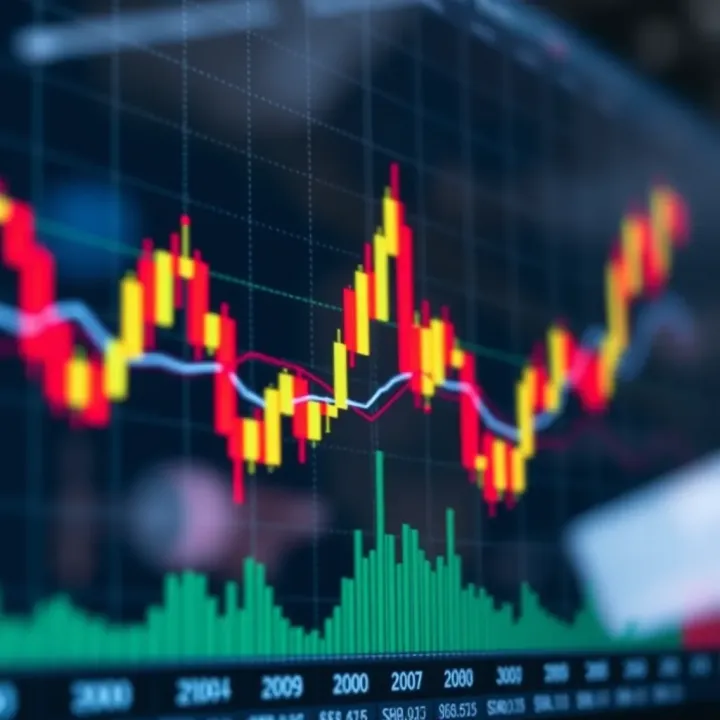
Explore 35 key candlestick patterns 📊 to read market trends clearly, predict price moves, and sharpen your trading strategies for success in Nigeria's markets.
Master powerful candlestick patterns 📈 for better trading decisions. Get a detailed guide plus a handy PDF with 35 key patterns to boost your strategy.
Based on 15 reviews