

Binary Options Trading in Nigeria Explained
Learn the essentials of binary options trading in Nigeria 📊, including legal tips, popular platforms, common risks, and smart trading strategies to boost your success.
Edited By
Emily Hart
Binary options trading is gaining attention in Nigeria as a straightforward way to engage with financial markets. Unlike traditional trading where you buy or sell assets, binary options involve predicting whether the price of an asset will rise or fall within a certain timeframe. The payoff is fixed, meaning you either earn a predetermined profit or lose your stake.
In Nigeria, this trading form attracts both beginners and seasoned traders because it simplifies decision-making: you only choose "yes" or "no" on whether an asset will hit a target price. For example, if you predict that the price of oil will rise in 30 minutes, and it does, you earn a set return, often between 70% and 90% of your initial bet.
The key assets in binary options include forex pairs like USD/NGN, stocks listed on the Nigerian Exchange (NGX), commodities such as crude oil and gold, and major cryptocurrencies like Bitcoin and Ethereum. Selecting an asset familiar within the local context reduces guesswork and potentially improves success.
Binary options trading may appear simple, but it carries significant risks. You should only trade with money you can afford to lose and thoroughly understand the mechanics before investing.
Approach binary options trading with caution. The Nigerian financial system does not formally regulate binary options, so many local traders rely on international platforms. Some popular platforms accessible to Nigerians include IQ Option, Olymp Trade, and Binomo. However, these platforms are often headquartered outside Nigeria, meaning traders have limited recourse if disputes arise.
Starting out, ensure you:
Verify if a platform accepts Nigerian clients and supports the Nigerian Naira (₦) for deposits and withdrawals.
Use demo accounts offered by platforms for practice without risking real funds.
Understand expiry times and payout structures clearly before opening trades.
While the potential for quick returns is enticing, Nigerian traders should be wary of scams and unlicensed brokers. Practical knowledge, disciplined money management, and constant research are essential to navigate this speculative market effectively.
In summary, binary options trading in Nigeria offers a straightforward entry point into financial speculation but demands careful attention to choice of assets, platforms, and risk control measures.
Getting a clear understanding of binary options trading is essential, especially for Nigerian traders diving into this arena. Binary options offer a straightforward way to speculate on the price movement of assets like currencies, commodities, or stocks without owning them outright. This simplicity appeals to many, but it also carries unique risks. Grasping how these trades work can help you make smarter decisions and avoid common pitfalls.
Binary options are financial contracts where you predict whether the price of an asset will rise or fall within a specified time. You either win a fixed payout or lose your investment based on the accuracy of your prediction. For example, if you think the price of the Nigerian Naira to US Dollar rate will be higher in 30 minutes, you can buy a "call" option. If it indeed rises at expiry, you earn a profit; if not, you lose your stake.
The key feature is the all-or-nothing payout, creating a clear risk and reward structure. This appeals to beginners and active traders because it reduces complexity compared to buying and selling actual assets.
Unlike traditional trading where you own shares or currency and profit depends on the extent of price movement, binary options focus solely on direction within a time limit. For instance, a stock trader profits more as the stock price rises steadily, while a binary trader’s gain remains fixed regardless of how much the price changes beyond their predicted level.
This difference means less capital may be required upfront for binary options, but the risk of total loss is also higher. In Nigeria, where access to traditional brokerage can be limited due to funding or regulatory constraints, binary options provide a simpler access point — but not without trade-offs in risk and control.
Binary options come in two simple types: calls and puts. A call option predicts that an asset’s price will go up by expiry, while a put option bets on a decline. For example, if you expect MTN Nigeria’s share price to drop in the next hour, you’d choose a put option. The simplicity means you don’t have to worry about how far the price moves, just its direction at expiry.
This straightforward mechanism helps traders make quick decisions, especially when paired with basic market analysis or news events.
Expiry times in binary options can range from as short as 30 seconds to hours or even days. Shorter expiry times attract traders looking for fast returns, but they are more volatile and harder to predict. Longer expiry allows time for trends to settle but may require more patience.
Payouts are typically fixed and stated upfront. For example, a successful trade might pay 70–85% of your stake. If you stake ₦5,000 and win with an 80% payout, you get back ₦9,000 (your stake plus ₦4,000 profit). If you lose, you forfeit your ₦5,000 stake. This clarity in potential gain or loss is attractive but means missteps can quickly eat into your capital.
Understanding the specific expiry and payout structure is key because it influences your trading strategy and risk tolerance.
In summary, binary options offer an accessible way to enter financial markets, but Nigerian traders need to know how the call/put system, expiry times, and payout rules shape their potential outcomes. Gaining this basic knowledge is the first step towards trading responsibly and effectively.
Understanding the Nigerian context is vital for anyone looking to trade binary options here. The country’s regulatory framework, economic conditions, and internet accessibility shape how Nigerians engage with this form of trading. Without grasping these realities, traders risk falling prey to scams or making uninformed decisions that cost them financially.
The Securities and Exchange Commission (SEC) Nigeria and the Central Bank of Nigeria (CBN) have distinct roles affecting binary options trading. The SEC oversees securities and capital markets activities, ensuring licensed operators follow rules designed to protect investors. Meanwhile, the CBN regulates banking and foreign exchange operations, influencing how funds can enter or exit the country for trading purposes.
One practical note is that binary options as a product often fall outside clear regulation by these bodies. The SEC sometimes issues warnings against unlicensed operators or fraudulent platforms, but many binary options providers targeting Nigerians operate offshore without SEC approval. The CBN also restricts certain foreign currency transactions that can complicate funding trading accounts.
Legal considerations centre mostly on the lack of clear regulation and the risks of fraud. Nigerian law has yet to fully accommodate binary options trading, leaving gaps that unscrupulous brokers exploit. Traders should watch out for platforms without proper licences or those promising guaranteed returns. SEC Nigeria occasionally issues alerts about such operators to warn the public.
Traders should always confirm the regulatory status of any platform and avoid those without SEC or recognised international licences. Doing otherwise increases legal and financial risks.
Binary options have gained traction among Nigerians mostly due to their simplicity and the prospect of quick returns. Unlike complex stock or forex trading, binary options boil down to a basic yes-or-no bet on price movements within short time frames. This direct approach appeals especially to young Nigerians looking to hustle with their smartphones.
Additionally, economic challenges and limited job opportunities push many into exploring alternative income sources. Some Nigerians see binary options trading as a viable side hustle, similar to how many engage in gig jobs or small trading businesses.
The rise of affordable smartphones and improved internet penetration has made binary options more accessible. With 4G networks covering large parts of urban and semi-urban areas, users can easily connect to platforms anytime, anywhere. Mobile apps supported in Nigeria further ease access, allowing trading during commutes in danfos, or while waiting at mama puts. Still, traders in rural communities with patchy coverage may face restrictions.
Besides connectivity, ease of funding through local payment methods like USSD codes, bank transfers, and fintech apps (e.g., OPay, Paystack) also lowers entry barriers. These payment options fit well with the day-to-day banking habits of many Nigerians, enabling quicker deposits and withdrawals.
The Nigerian context reveals an interplay of regulatory uncertainty, economic motivation, and digital accessibility behind the growing interest in binary options trading. Knowing these factors equips traders to better navigate the scene and avoid common traps.
Choosing the right platform is a critical step for anyone interested in binary options trading in Nigeria. The platform you trade on affects not only your user experience but also your security, financial transactions, and ultimately, your chances of success. Nigerian traders must keep an eye out for platforms that are easy to navigate, properly licensed, and offer clear deposit and withdrawal policies. These aspects help protect your funds and avoid common pitfalls like scams or account freezes.
A simple and intuitive user interface can save you plenty of headaches, especially if you are new to binary options trading. Platforms that allow smooth navigation between different asset classes, clear charts, and one-click order placement make trading less stressful. For example, some platforms offer mobile apps tailored for Nigerian users, ensuring trades can be made even while stuck in Lagos traffic or on the move.
Beyond just aesthetics, ease of use also means quick access to important tools like account history, open positions, and market news. A clunky interface that confuses more than it informs could cost you valuable time and money.
Regulation remains the backbone of trustworthy trading platforms. In Nigeria, this means looking for binary options providers regulated by established authorities like the Securities and Exchange Commission (SEC) Nigeria or at least recognised international regulators such as the Financial Conduct Authority (FCA) or Cyprus Securities and Exchange Commission (CySEC).
Regulatory oversight helps ensure platforms follow certain standards, protecting your funds from misuse. Without this, traders risk falling victim to fraudulent schemes or having their withdrawals blocked indefinitely. Always double-check a platform’s licence and read up on user reviews to confirm its legitimacy.
How a platform handles deposit and withdrawal can make a huge difference to your trading experience. Safe platforms provide multiple funding options catering to Nigerian traders, including bank transfers in naira, USSD payments, and popular e-wallets like OPay or PalmPay.
Withdrawal terms should be transparent and timely. Avoid platforms with long delays or unclear policies; funds should be accessible within reasonable timeframes, typically 24 to 72 hours. Watch out for hidden charges that might eat into your profits or minimum withdrawal limits that make it difficult to cash out small earnings.
Several established global platforms accept Nigerian users and provide services customised for local needs. Platforms like IQ Option, Olymp Trade, and Binomo are widely known for offering simple account funding methods in naira and customer support during Nigerian business hours.
These platforms follow international regulations and offer varied assets from forex to commodities. Their mobile apps are optimised for Nigeria’s internet speeds, which helps traders keep up with market movements.
While purely local binary options platforms remain rare due to regulatory constraints, Nigerian fintechs have stepped up by offering related financial tools and access to international markets. Services like Bamboo and Trove help Nigerians invest in stocks and ETFs with ease, creating pathways to learn trading concepts.
Some fintech companies partner with international brokers, providing smoother deposit and withdrawal channels through familiar payment methods. This integration lowers barriers for new traders who want to start their journey without facing complex foreign exchange processes.
Choosing the right binary options platform can be the difference between steady trading progress and costly mistakes. Always prioritise secure, licensed platforms with simple interfaces and clear financial policies.
Binary options trading offers intriguing opportunities, but it also comes with significant risks and challenges, especially in the Nigerian context. Understanding these downsides is essential for anyone looking to dive into this market. Without a clear grasp of the pitfalls, traders risk losing their hard-earned naira or falling prey to unscrupulous practices.
Binary options trading is inherently risky. The all-or-nothing payoff structure means you either earn a fixed return or lose the entire investment on a trade. Many Nigerian traders, tempted by quick profits, jump in without fully appreciating this high-risk nature. For example, a trader who invests ₦50,000 expecting a 70% return may entirely lose the capital if the market moves unfavourably. This risk is aggravated when fraudulent schemes disguise themselves as genuine platforms, duping unsuspecting players.
Nigeria’s regulatory space for binary options remains unclear and underdeveloped. The Securities and Exchange Commission (SEC) hasn't officially recognised many binary options brokers, leaving a grey area that scammers exploit. Without strict oversight, Nigerian traders can’t always be sure if a platform operates fairly or follows sound practices. This regulatory gap means traders shoulder most of the responsibility in verifying the legitimacy of services before committing funds.
Many fake brokers target Nigerian users, promising unrealistic returns to bait deposits. These operators may allow initial withdrawals but suddenly block accounts or demand extra fees to access bigger profits. Reports have surfaced exposing brokers who manipulate prices or delete winning trades to keep money flowing into their pockets. For instance, tales of traders losing ₦500,000 or more after trusting such platforms are now common. Naija traders must stay alert and avoid falling for sugar-coated offers.
Managing your investment size is the first line of defence. Decide upfront how much you can afford to lose without affecting your daily life—maybe ₦10,000–₦20,000 for beginners—and stick to it strictly. Avoid chasing losses by betting larger amounts to recover past mishaps; this usually leads to deeper trouble. Keeping a trading journal to log expenses and gains also helps maintain discipline.
Before risking real money, Nigerian traders should use demo accounts offered by most platforms. These virtual accounts simulate real-market conditions without financial harm, allowing traders to familiarise themselves with binary options mechanics, timing, and strategies. For example, platforms like IQ Option provide free demo environments that let users trade ₦100,000 worth of virtual funds initially. Practising severely reduces costly beginner mistakes and builds confidence.
Due diligence cannot be overemphasised. Traders should check if a platform is registered or licensed by international regulators such as CySEC or FCA, as well as its reputation from independent reviews by Nigerians who have used it. Warning signs include promises of guaranteed returns, opaque terms, or unresponsive customer support. Also, ensure the platform supports naira deposits and withdrawals to avoid unnecessary currency hassles.
Careful risk management and vigilant platform selection are the pillars of survival in Nigeria’s binary options market. Avoid letting impatience lead your decisions.
Properly understanding these risks and handling them with care can make the difference between a trading story that ends in profit or regret.
Kicking off your journey in binary options trading means more than just signing up and clicking buttons. It’s about understanding the fundamentals to avoid avoidable pitfalls early on. In Nigeria's fast-growing fintech scene, knowing the step-by-step procedures can save you from costly mistakes and scams.
To trade binary options legally and securely, the first step is to register on a reliable platform. During registration, you'll need to provide personal details like your full name, contact information, and proof of identity. Most platforms require Know Your Customer (KYC) verification, meaning you must upload a government-issued ID (like your National Identity Number card or driver’s licence) and sometimes recent utility bills. This process helps prevent fraud and ensures compliance with financial regulations.
For example, platforms such as IQ Option or Olymp Trade require verified accounts before you can withdraw profits. This verification can take a few hours or up to a couple of days depending on the platform's responsiveness.
Once verified, you must fund your account to start trading. Given Nigeria’s unique banking and currency landscape, look for platforms that allow deposit and withdrawal directly in naira (₦). This avoids unnecessary charges from currency conversion and delays.
Payment methods usually include bank transfer, debit cards from Nigerian banks like GTBank or Zenith Bank, and mobile payment platforms such as OPay or Paystack. Always confirm that deposit and withdrawal options suit your convenience and that fees are clear upfront.
After funding your account, executing your first trade should be a straightforward process. Pick an asset (like forex pairs, stocks, or commodities), decide on the direction (call or put), set your stake, and choose the expiry time. The platform will display the potential payout for your trade upfront.
It’s advisable to start with small stakes to familiarise yourself with the trading interface and market movements. For instance, starting with ₦1,000 per trade can help you build confidence without risking significant capital.
Trading with small amounts initially allows you to understand how the market works and how the platform operates with little financial risk. Many Nigerian traders make the mistake of rushing in with large stakes, only to face heavy losses. Instead, start with minimal amounts and scale up as your skills improve.
This approach mirrors learning how to ride okada – you don’t speed off on busy Lagos roads on day one; you practice carefully before going full throttle.
Instead of spreading yourself thin across many assets, pick a few to specialise in, such as major forex pairs or popular stocks. This targeted focus helps you better track market trends and understand specific factors influencing prices.
For example, traders who watch the Nigerian Stock Exchange (now NGX) closely might prefer to trade options related to companies like Dangote Cement or MTN Nigeria, as they can use familiar local business news to inform their trades.
Keeping a trading journal is crucial. Record every trade you make, noting the amount staked, asset, expiry time, and reason for the decision. Review this regularly to spot patterns in your profitability and mistakes.
Without tracking, learning is less effective. Think of it like preparing for WAEC exams – reviewing past errors sharpens your approach for next time.
Starting serious trading in Nigeria demands patience, research, and discipline. By following clear steps and focusing on gradual improvement, you increase your chances of avoiding costly errors and building a sustainable trading practice.
Learn the essentials of binary options trading in Nigeria 📊, including legal tips, popular platforms, common risks, and smart trading strategies to boost your success.
Explore binary options trading in Nigeria 📈. Learn how it works, risks, legal points, strategies, and tips for safe and smart trading decisions.
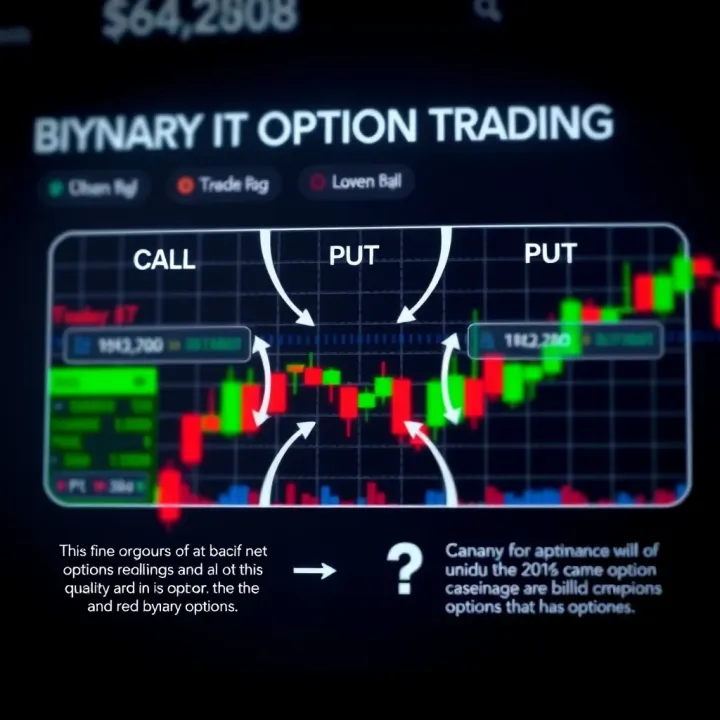
Explore binary options trading in Nigeria with clear tips, safety guides, strategies, and scam prevention. 📊💡 Stay informed and trade smart!
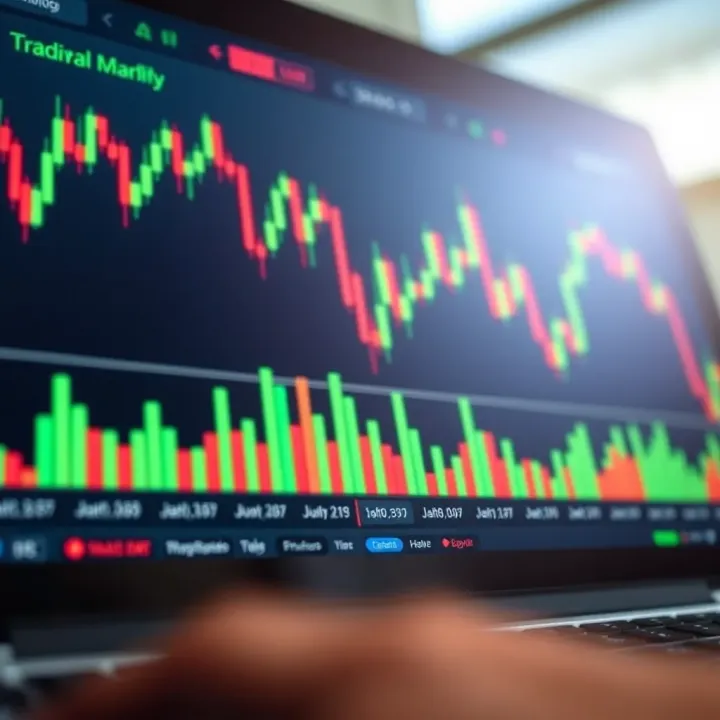
📊 Ready to invest in binary trading? Learn how Nigerian investors can navigate platforms, weigh risks, and choose trustworthy services to grow ₦ reliably.
Based on 13 reviews