

Binary Options Trading in Nigeria Explained
Learn the essentials of binary options trading in Nigeria 📊, including legal tips, popular platforms, common risks, and smart trading strategies to boost your success.
Edited By
Daniel Thompson
Binary trading platforms have grown steadily in Nigeria, attracting investors eager to grow ₦ with relatively straightforward methods. These platforms allow users to predict whether the price of an asset—such as forex currencies, commodities, or stocks—will rise or fall within a set timeframe. If your prediction is correct, you earn a fixed return; if not, your investment is lost. This simplicity is what makes binary trading both appealing and risky.
Unlike traditional trading where ownership of the asset matters, binary options are all-or-nothing contracts. For example, you might speculate that the price of oil will be above $70 per barrel in the next hour. If the price closes above that, the platform pays a predetermined profit, say 80% of your stake. Otherwise, you lose all or part of your money.
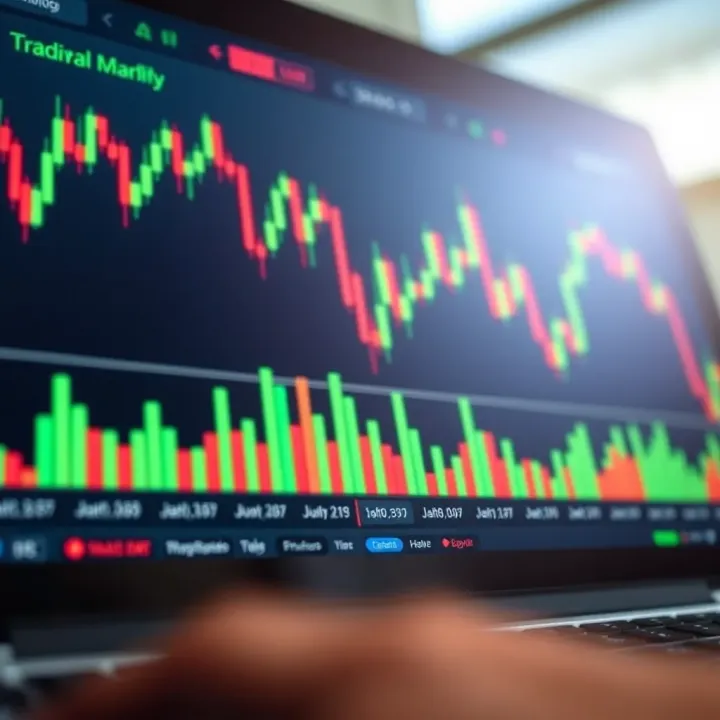
Nigerian investors should carefully select platforms that suit their needs. Key features to consider include:
Regulation and security: Confirm the platform is licensed by recognised bodies to minimise fraud risk.
Asset variety: More choices give you flexibility to diversify.
User interface: A clean, quick interface helps you make timely decisions, especially in fast-paced markets.
Payout rates: Higher returns boost your earnings potential.
Remember, binary trading is high-risk by nature. Never invest more than you can afford to lose, and avoid platforms promising unrealistic returns.
In Nigeria, where market volatility and economic shifts affect asset prices, binary trading requires caution and good timing. Many platforms offer demo accounts, which let you practise with virtual funds before committing real money. This helps you grasp how price movements and expiry times work.
Understanding the basics—how expiry periods, strike prices, and payout percentages fit together—is critical to avoid common pitfalls. For instance, some traders place quick bets based on gut feel without proper analysis, which can drain capital quickly.
As you get familiar with binary trading tools, combining careful research and risk management tips can help you safeguard your ₦ and possibly earn consistent returns.
Binary trading platforms are online services that allow investors to trade binary options easily. For Nigerian investors, understanding these platforms is crucial because they serve as the gateway to accessing global markets with relatively simple investment options. Unlike traditional stock trading, binary trading involves predicting whether an asset’s price will go up or down within a specific timeframe, making it accessible even for beginners.
A practical example would be a Nigerian retail investor who wants to speculate on commodities like oil or gold using their smartphone. By using a binary trading platform, they can decide if the price of crude oil will rise in the next 30 minutes and place a trade accordingly. The platform then handles the technical side, executing the trade and providing a fixed payout if the prediction turns out correct.
Binary options are financial instruments where the payoff is either a fixed amount or nothing at all. This is why they’re also called "all-or-nothing" options. For Nigerian investors, this means the risk and reward are clearly defined upfront, which helps in managing potential losses without worrying about complex variables like how far the price will move.
In practical terms, if you buy a binary option predicting that the price of a stock will increase by 4 pm, you either earn a predetermined profit if correct or lose the amount you invested if not. Such clarity is especially useful for beginners who need a straightforward way to engage with markets without complicated calculations.
Trades on binary platforms come with preset expiry times, ranging from as short as 30 seconds to several hours or days. Once a trade is placed, investors wait until the expiry to see if their prediction matches the actual market movement. The fixed return is guaranteed by the platform if the trade ends "in the money"—i.e., the asset price moves as predicted.
For example, if you invest ₦10,000 predicting that Bitcoin’s price will drop in the next 15 minutes, the platform might offer a 70% return on that trade. If you’re right, you receive ₦17,000 (your initial ₦10,000 plus ₦7,000 profit). If not, your ₦10,000 is lost. This simple mechanism helps Nigerian investors make quick decisions without the need for constant market monitoring.
The binary trading platform acts as the intermediary between traders and the financial markets. It provides the infrastructure to place trades, monitor assets, and process payments. For Nigerian users, platforms often integrate local payment options like bank transfers or services such as Paystack to ease deposits and withdrawals.
In addition, the platform sets the rules for trades, including the fixed payouts and expiry times, ensuring clarity on what investors can earn or lose. Without the platform, traders would find it difficult to access these simplified contracts in a regulated manner.
A user-friendly interface is vital since many Nigerian investors might be entering binary trading for the first time. Good platforms offer clean dashboards, clear asset listings, and straightforward charts for analysing market movements. Mobile apps compatible with Android and iOS are common, allowing traders to place trades on the go—essential in a busy city like Lagos or Abuja.
For instance, a platform with intuitive design helps reduce mistakes such as entering wrong trade amounts or misunderstanding expiry times. Smooth navigation and real-time charts improve confidence and help traders make faster, more informed decisions without frustration.
Binary trading platforms combine ease of use with clear financial risk, making them attractive for Nigerian investors seeking simple ways to tap into global assets. However, the choice of platform and understanding of how trades work remain key to success.
Picking the right binary trading platform means looking closely at its key features. These features affect not only your ease of trading but also the safety of your investment and the convenience of your experience. For Nigerian investors, understanding these elements helps avoid common pitfalls and makes trading smoother.
Data protection measures are vital because your personal info and funds depend on secure handling. Good platforms use encryption to protect data from hackers and secure servers to keep accounts safe. For example, platforms employing SSL certificates ensure data passed between you and the site remains confidential. Without these protections, there’s a higher chance of personal data leaks and financial theft.
Broker reputation and licensing matter a lot in Nigeria’s still-evolving trading scene. Always check if the broker holds a licence from a recognised regulator like the Securities and Exchange Commission (SEC) Nigeria or an equivalent foreign body. Reputable, licensed brokers follow rules that protect investors from fraud. If a broker lacks a licence or has consistent negative reviews, it’s best to steer clear to avoid scams and losses.
The types of assets available shape your trading strategy. Good platforms offer diverse assets, such as forex currency pairs involving the naira (₦), oil commodities, and Nigerian stock indices. This variety allows investors to spread risk. For instance, you might opt to trade on both oil prices and forex pairs depending on market trends.
Analytical tools and charts give you an edge in making decisions. Platforms that provide real-time charts, technical indicators like moving averages or RSI, and news feeds on local or global markets help you respond quickly. For instance, a trader noticing a sudden dip in crude oil prices can react faster if the platform offers reliable charts.
Mobile and desktop access ensures you can trade when and where you want. Many Nigerians rely on smartphones with intermittent internet, so platforms optimized for both mobile apps and desktop sites offer flexibility. A platform with a responsive design or dedicated app like those from Paystack or Kuda-style services lets you manage trades on the go without losing features.
Local payment options for Nigerians are necessary for smooth funding and withdrawal. Platforms integrating Naira wallets, local bank transfers, USSD payments, or fintech solutions like OPay and PalmPay make depositing and cashing out convenient. If a platform only accepts foreign payment methods, it could become cumbersome and costly due to foreign exchange fees.
Processing time and fees affect your trading cash flow directly. Fast processing means you can quickly seize trading opportunities or access profits. Fees should be transparent and reasonable; some platforms may charge high withdrawal fees or delay payments, which reduces real earnings. For example, a platform that processes withdrawals in 24 hours with minimal fees is preferable over one that takes weeks.
Choosing a binary trading platform is not just about flashy interfaces but digging into these core features. Security, a wide asset portfolio, useful tools, plus easy and affordable payment solutions make trading practical and safer for Nigerian investors.
Understanding the regulatory environment is vital for Nigerian investors interested in binary trading platforms. Regulations protect traders by ensuring that platforms operate transparently and fairly, reducing the risk of scams or financial losses. Given the increasing interest in binary options trading in Nigeria, compliance with local laws by brokers and platforms ensures that your investments aren’t exposed to unmonitored risks.
The Central Bank of Nigeria (CBN) takes a cautious stance on binary options trading. While the CBN regulates banking transactions, it hasn't fully approved binary trading as a regulated financial service within Nigerian banks. This means direct bank support or licensing for binary trading platforms is limited, and investors should be wary of platforms that claim direct partnerships with Nigerian banks without official backing. Practically, CBN’s position influences payment processing, often making local deposits and withdrawals complicated on many global binary platforms.
On the other side, the Securities and Exchange Commission (SEC) Nigeria oversees the capital markets and investment activities. SEC's role involves licensing and supervising brokers and investment firms offering trading services in Nigeria. While binary options aren’t fully integrated into SEC’s regulated products, the commission warns investors about unlicensed operators and fraudulent schemes. Nigerian traders must check if a broker holds SEC approval or is registered, as trading through such brokers can offer some legal protection and dispute resolution options.
One of the biggest risks in binary trading in Nigeria springs from unregulated platforms. Such operators may disappear with investors’ funds or manipulate trades to cause losses. Reports have emerged where unsuspecting Nigerians lost significant sums — sometimes millions of naira — because these platforms offered no transparency or accountability.
Identifying scams often comes down to recognising red flags. These include promises of unrealistic returns, pressure to deposit large sums quickly, and lack of verifiable contact or physical office. Fraudsters may also misuse names similar to established brokers to trick investors. Being cautious and conducting proper background checks are essential to avoid falling victim.
Legitimate brokers tend to demonstrate clear licensing information accepted by Nigerian authorities like SEC or credible international bodies such as the Financial Conduct Authority (FCA) in the UK. They typically offer transparent terms, customer support, and verifiable payment procedures.
Remember to:
Verify the broker’s registration with SEC Nigeria or recognised international regulators.
Read user reviews and watch out for consistent complaints about withdrawals or trading manipulation.
Confirm clear communication channels and a functional website that details the company’s history and physical location.
Always take time to research platforms deeply before investing. Regulatory compliance isn’t just about legal paperwork; it’s a sign the broker operates with some responsibility towards your funds.
In summary, navigating binary trading in Nigeria demands extra attention to the regulatory landscape. Connecting with SEC-registered brokers and understanding CBN's cautious stance will help you trade more securely, avoiding pitfalls that plague unregulated market players.
Binary trading offers quick returns but comes with high risks that Nigerian investors must understand before putting their money in. This section breaks down common risks and strategies to help minimise losses and protect your investment.
High risk of loss
Binary trading is often compared to gambling because you either win a fixed amount or lose your entire stake on each trade. If the market doesn’t move in your favour within the expiry time, you lose 100% of your investment for that trade. This high-risk nature means it’s easy to burn through ₦50,000 or more quickly without careful planning. For example, someone trading on emotion during the ember months rush might chase losses only to lose more.
Market volatility and unpredictability
Prices of assets like stocks, forex pairs, or commodities can swing wildly due to unexpected events—political announcements, global economic shifts, or currency fluctuations. In Nigeria, factors like oil price shocks or disruption in fuel supply can cause sudden market movements. Such volatility can work against binary traders, especially those who rely on short expiry times and expect stable price trends.
Setting investment limits
One way to protect your capital is to decide upfront how much you are willing to risk per trade and daily. For instance, never risk more than 2–5% of your total trading capital on a single trade. So if you have ₦100,000 saved for trading, place a maximum of ₦2,000–₦5,000 per trade. This disciplined approach helps you avoid catastrophic losses and keeps your trading sustainable over time.
Diversifying trading options
Avoid putting all your eggs in one basket by trading on a variety of assets. Instead of only betting on the naira/dollar forex pair, include commodities like gold, or indices like the NGX 30. Diversification reduces the impact of a sudden adverse move in any one market. Suppose the forex market turns unpredictable due to CBN policies; you still have exposure to other markets to balance your risk.
Using demo accounts
Demo accounts let you practise trading with virtual money on live market conditions. Nigerian platforms like IG or Olymp Trade offer this feature. Using a demo account helps you understand how expiry times affect your trades and test your strategies without risking real naira. Before committing actual funds, use the demo to sharpen your skill, build confidence, and avoid costly beginner mistakes.
Managing risks in binary trading isn’t about avoiding loss completely, but controlling how much you lose while maximising your chances to win. Proper limits, diversification, and practice can make the difference between quick depletion of funds and steady trading growth.
With these strategies in place, you’re better positioned to navigate the tricky waters of binary trading in Nigeria’s dynamic market.
Getting started on a binary trading platform requires more than just signing up. For Nigerian investors, understanding the registration, verification, funding, and basic trading steps ensures smoother transactions and better security. These initial steps are integral because they set the foundation for safe and effective trading, helping you avoid common pitfalls like account freezes or payment hitches.
Most Nigerian trading platforms ask for basic identification documents to comply with financial regulations and prevent fraud. The Bank Verification Number (BVN) and National Identification Number (NIN) are key here. BVN links your bank accounts, ensuring your funds are secure and traceable. The NIN confirms your identity with the National Identity Management Commission (NIMC). By providing these, the platform verifies you are a legitimate Nigerian trader, which safeguards both you and the platform against identity theft and scams.
After submitting your details, expect the platform to verify them through electronic checks or manual review. This procedure can take from a few hours to a couple of days depending on the platform’s process and backend support. Verified accounts typically enjoy quicker withdrawals and higher transaction limits. It is crucial to follow up on any verification emails or messages promptly, as delayed responses might stall your trading activities. Some platforms even send a one-time video call or request selfies holding your ID to match your profile.
Funding your trading account involves transferring money, usually in naira. Many platforms support local bank transfers, debit cards, and popular payment services like Paystack or Flutterwave, which are widely used across Nigeria. This means you can top up your account from your regular bank or mobile wallet without hassle. Processing times often range from instant to a few hours, but it’s wise to check fees or limits beforehand to avoid surprises. Also, ensure the platform accommodates withdrawals through these same channels to keep your money accessible.
Once your account is funded, you need to choose the asset to trade—these could be forex pairs like USD/NGN, commodities such as gold, or major stocks. Select the direction you think the price will move: ‘Call’ if you predict it will rise or ‘Put’ if you expect it to fall. Specify your stake amount, which should align with your risk appetite and the platform's minimum. Remember to set expiry times that suit your trading strategy; unlike stock trading that can last days or weeks, binary trades often expire in minutes or hours. Finally, monitor your trade and learn from each outcome to sharpen your skills.
Opening an account and making your first trade may seem daunting, but understanding these steps helps you avoid common mistakes, secure your funds, and trade confidently in Nigeria’s digital financial environment.
Learn the essentials of binary options trading in Nigeria 📊, including legal tips, popular platforms, common risks, and smart trading strategies to boost your success.
Explore binary options trading in Nigeria 📈. Learn how it works, risks, legal points, strategies, and tips for safe and smart trading decisions.

📈 Learn the basics of binary option trading in Nigeria, explore broker tips, risk management, and stay updated on relevant regulations for smart trades.
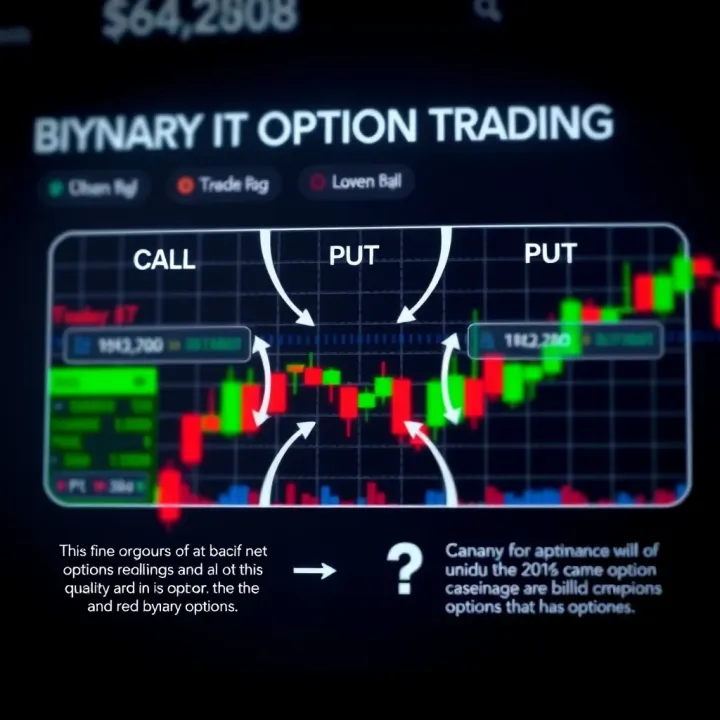
Explore binary options trading in Nigeria with clear tips, safety guides, strategies, and scam prevention. 📊💡 Stay informed and trade smart!
Based on 11 reviews