
Binary Investment in Nigeria: A Clear Guide
Discover how binary investment works in Nigeria 🇳🇬, explore key strategies, understand risks, legal status, and get practical tips for safer trading 📈💡.
Edited By
Charlotte Dawson
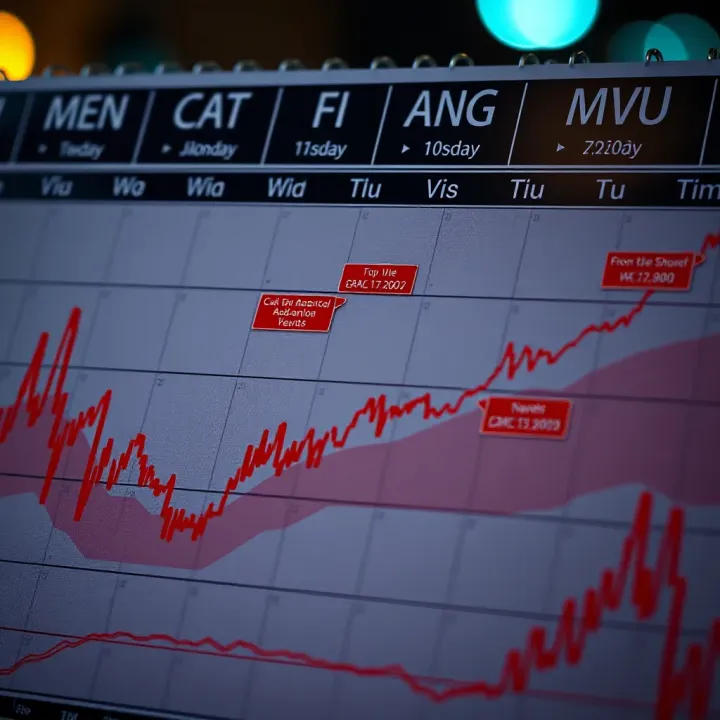
An economic calendar is a vital tool for investors who want to navigate the twists and turns of financial markets smartly. It lists important economic events, such as Central Bank of Nigeria (CBN) policy meetings, inflation data releases, and global reports that can shake the markets. Nigerian investors who understand how to read and apply this calendar can time their trades better, reduce risks, and build more effective strategies.
Using this calendar isn’t just about knowing dates but about grasping the potential market impact each event carries. For instance, when the CBN adjusts the monetary policy rate, it often influences the naira’s strength, stock prices, and bond yields. Ignoring these key dates could mean missing chances to buy undervalued stocks or defend your portfolio from market shocks.
Keeping track of economic indicators like inflation rates and unemployment figures helps you spot trends before they become obvious in market prices.
Anticipate market moves: Events like the CBN’s Fixed Income and Money Market operations affect liquidity, which Nigerian traders need to watch keenly.
Plan entry and exit points: Timing investments around economic releases can improve returns; for example, entering stocks before positive GDP data.
Manage risks: Sudden policy shifts or external shocks, such as US Federal Reserve announcements, can impact FX rates and local stocks.
Imagine you hold shares in a Nigerian bank. Ahead of the CBN’s monetary policy review, you consult the economic calendar, seeing that inflation figures are due. High inflation might prompt a rate hike, reducing borrowing and slowing down bank profits. You decide to adjust your portfolio, reducing exposure to banking shares to avoid losses.
CBN Monetary Policy Committee meetings
Inflation Rate releases (Consumer Price Index)
Gross Domestic Product (GDP) announcements
Oil price reports (crucial for Nigeria’s economy)
Global economic events, especially US Federal Reserve decisions that affect naira
Well-informed investors keep an eye on these to avoid being caught off-guard. The economic calendar becomes not just a schedule but a guide that sharpens decisions in Nigeria’s complex market.
With a clear grasp of these fundamentals, investors can navigate naira volatility, power supply challenges, and other unique local issues better—making the economic calendar a compass for smarter trading and investment decisions.
Every serious investor knows time is money, particularly in Nigeria's fast-moving markets. The economic calendar is a straightforward yet powerful tool that lists upcoming financial events and key data releases. For those trading or investing in Nigerian equities, forex, or bonds, knowing when these events occur shapes smarter decisions.
An economic calendar compiles scheduled releases such as inflation rates, Central Bank of Nigeria (CBN) policy meetings, GDP figures, and employment data. These indicators represent the health and direction of an economy — information investors rely on for timing and strategy. For instance, if the CBN plans an interest rate decision, the calendar warns you ahead, allowing adjustment before the market reaction hits.
Scheduled events listed usually include dates and expected figures, giving investors a forecast to compare with real outcomes. This helps gauge market surprises or align positions accordingly. Nigerian financial markets react sharply to changes such as inflation data or naira exchange rate updates, making this tool vital to tracking uncertainties in our economy.
When these reports drop, markets often move quickly. Imagine awaiting the inflation report: a higher than expected figure might trigger a drop in equities but boost fixed income assets as investors anticipate tighter monetary policy. For example, NGX-listed stocks in consumer goods might slump if purchasing power weakens due to rising prices. Traders use the calendar to anticipate and avoid getting caught on the wrong side of volatility.
Besides market swings, the calendar helps spot trends. Tracking GDP growth releases over several quarters can signal sectors poised for gains, such as oil & gas or agriculture. In this way, the calendar is not just for short-term traders but informs longer investment horizons.
Our markets respond not only to local data but global events too. Reports from the US Federal Reserve or China’s manufacturing output reverberate through Nigerian forex and equities markets because of interconnected trade and investment flows. For example, a hawkish Fed statement often strengthens the dollar, putting pressure on the naira, affecting import costs and inflation.
Locally, data like CBN reserves or inflation have immediate effects on market sentiment and investment decisions. Following these ensures you’re not blindsided by sudden naira depreciation or policy shifts.
Volatility spikes around data releases can seem risky, but knowing the schedule allows you to act deliberately. For example, some investors reduce exposure or hedge positions just before CBN’s monetary policy announcements, avoiding surprise losses during sudden market shifts.
Moreover, understanding economic data context reduces knee-jerk reactions. A bad inflation number doesn’t always mean sell-off; it might be temporary or expected, so combining calendar insights with market news can prevent costly panic moves.
Monitoring the economic calendar equips you with the foresight to handle Nigeria’s market swings — enabling calm, calculated moves instead of rushed gambles.
Overall, the economic calendar helps align your investment choices with Nigeria’s economic rhythms, preparing you to make the best use of available data and market dynamics.
For Nigerian investors, keeping an eye on key economic events is vital for making informed decisions. These events often trigger sharp movements in the markets, affecting asset prices, currency value, and investment returns. Ignoring such events can leave investors exposed to unexpected risks or missed opportunities, especially in Nigeria where market dynamics are sensitive to both local policy and global trends.
CBN’s monetary policy meetings are major markers on the economic calendar. When the Central Bank adjusts interest rates, it directly impacts the naira’s strength against foreign currencies. For instance, an interest rate hike is often used to curb inflation but can also strengthen the naira by attracting foreign portfolio inflows seeking higher yields.
This shift affects banks significantly. Higher rates may improve banks’ net interest margins, boosting profits, but they can also increase borrowing costs for consumers and businesses, slowing loan growth. Observing these meetings helps investors anticipate how banks like GTBank or Zenith Bank might fare in the coming months.
Higher interest rates typically push bond yields upwards, making fixed income investments more attractive compared to equities. Consequently, investors might see stock prices soften as funds move from shares to bonds offering safer returns.
That said, rate cuts often stimulate economic activity and can lift equity markets, particularly consumer-driven sectors. By tracking CBN meetings, investors can tactically adjust their portfolios between bonds and stocks, optimising returns while managing risk.
Inflation erodes the buying power of money, impacting consumption and corporate earnings. For Nigerian investors, rising inflation warns of increased costs for businesses and consumers alike.
High inflation could lead to higher interest rates, hitting debt-financed companies. It can also influence currency depreciation, further squeezing returns on foreign investments or dollar-denominated debts.

Tracking Nigeria’s CPI helps investors adjust their holdings to protect capital. For example, during periods of rising inflation, commodities and real estate generally perform better as they tend to preserve value.
Conversely, fixed income investments with low yields may lag behind inflation, calling for selective trimming of such assets. Equity investors might favour companies with strong pricing power that can pass costs to customers.
GDP reports provide a snapshot of Nigeria’s economic expansion or contraction. Growing GDP signals a healthy economy where businesses thrive, consumer spending rises, and employment improves.
A slowing or negative GDP growth could signal challenges such as recession or policy tightening. Investors watch these numbers to anticipate market sentiment shifts.
Understanding which sectors drive GDP growth helps in targeted investing. For instance, if agric and manufacturing show strong growth, investors might increase exposure to companies in these spaces.
Similarly, a construction-driven GDP boost may signal opportunities in real estate and building materials firms. Tailoring investments to sectoral trends revealed by GDP reports gives investors an edge.
Nigeria’s foreign exchange reserves act as a buffer against currency volatility. Higher reserves signal stronger ability to defend the naira during external shocks, reassuring investors.
Conversely, declining reserves raise concerns over naira weakness, triggering capital flight and inflationary pressures. Tracking reserve levels gives clues about future naira stability.
Investors active in forex markets or holding naira-denominated assets should monitor reserve updates closely. For example, a sudden drop in reserves might prompt cautious reduction in naira exposure or hedging strategies.
On the flip side, reserve replenishments—often after crude oil price gains—can trigger favourable currency moves, presenting chances to increase naira-based investments or repatriate foreign earnings.
Watching these key economic events on the calendar provides Nigerian investors with timely information to navigate a complex market. By understanding the direct impacts on currency, sectors, and asset classes, investors can craft smarter, more resilient investment strategies.
An economic calendar is more than just a list of dates; it's a vital tool that investors can use to sharpen decision-making. By understanding when key economic data releases and events occur, Nigerian investors can anticipate market movements and adjust their strategies accordingly to protect and grow their portfolios.
Market volatility often spikes around major economic announcements. Investors who track the economic calendar can avoid making rash decisions during these turbulent times. For example, before the Central Bank of Nigeria (CBN) announces new monetary policy rates, forex rates and stock prices frequently fluctuate. Waiting until the dust settles after such data releases can limit exposure to sudden price swings, which often result from speculation or uncertainty rather than fundamentals.
Being cautious around these periods means you don’t rush to buy or sell just because the market has moved sharply in one direction. Instead, you get the chance to evaluate the impact once clearer trends emerge.
Consider the Nigerian Exchange Group (NGX), where sectors like banking and consumer goods react notably to inflation data and interest rate decisions. Ahead of CPI releases, some investors reduce their positions in banks, anticipating changes in lending rates that affect profits.
In the forex market, the naira can sharply respond to updates on foreign exchange reserves or CBN interventions. Traders using the economic calendar might exit forex positions a few hours before such announcements to avoid sudden naira depreciation or appreciation, then re-enter when market direction is clearer.
Economic indicators hint at the general direction of the economy, guiding portfolio adjustments. When GDP reports show slowing growth, investors might increase holdings in defensive sectors such as utilities or consumer staples, which tend to hold value better in downturns.
On the other hand, strong GDP growth and steady inflation figures could encourage a higher allocation to equities in high-growth sectors like telecommunications or manufacturing. Monitoring these trends regularly via the economic calendar ensures asset allocation matches the current economic climate.
Sector rotation involves shifting investments between industries depending on where the economy is in its cycle. For instance, rising inflation data may signal a shift away from fixed income to real assets like construction or energy stocks, which often perform well during such periods.
Nigerian investors can use this approach by watching inflation reports and CBN policy changes closely. If inflation is on the rise, sectors sensitive to consumer spending, like retail or foods, might face headwinds, prompting a temporary move to more resilient sectors.
Traders often take advantage of predictable market volatility surrounding economic releases. For example, a forex trader might plan to close or open positions around the CBN's monetary policy meeting to catch price jumps but also avoid unexpected losses. The economic calendar allows for scheduling trades strategically, reducing guesswork.
Short-term fixed income investors might also adjust holdings based on upcoming inflation figures or interest rate changes, both of which affect bond prices.
Long-term investors benefit from understanding economic cycles too. By following quarterly GDP, inflation, and monetary policy updates, they can anticipate periods of growth or contraction and plan their entry or exit points accordingly.
For instance, during a prolonged period of economic expansion, a long-term investor might increase exposure to growth stocks or emerging sectors identified through economic data. Conversely, signs of economic slowdown could prompt building a reserve in cash or safer assets.
Staying connected to an economic calendar helps investors manage timing, risk, and returns in a market known for its rapid changes and sometimes unpredictable reactions.
By incorporating these practical approaches, Nigerian investors will be better positioned to make smarter, more informed decisions that suit both short- and long-term goals.
Tracking economic events is a must for Nigerian investors aiming to make smarter decisions. With frequent data releases and policy announcements affecting naira stability, inflation, and market trends, having reliable resources helps you prepare and respond effectively. Practical tools ease this by providing timely updates, clear schedules, and relevant context, saving hours otherwise spent digging for information.
Economic calendars tailored for Nigerian investors often include specific data points like CBN monetary policy meetings, NGX stock market reports, inflation figures, and foreign exchange updates. These localised calendars give you direct access to events impacting markets daily, unlike generic global calendars which may miss crucial Nigerian data. For example, platforms such as Investing.com or Bloomberg occasionally offer regional filters, while local financial news websites may publish calendars highlighting key Nigerian events. Using a calendar that focuses on both global news and Nigerian specifics helps you spot international market moves alongside homegrown economic shifts.
When choosing an economic calendar, look for user-friendly interfaces that allow quick scanning of upcoming events. Features like notification alerts for key releases, historical data comparisons, and impact ratings (which show how strongly a data release moves the market) add real value. For instance, a calendar that flags CBN interest rate decisions with past rate changes and explains likely market reactions puts you ahead. Also, calendars with filtering options to focus on sectors you invest in—such as oil, banking, or agriculture—help streamline your market monitoring.
Official figures like GDP growth or inflation rates tell one part of the story, but Nigerian markets often react to sentiment shaped by politics, infrastructure issues, or social unrest. Blending calendar data with local news sources provides a fuller picture. If, for example, a CPI release coincides with fuel scarcity reports or political tensions ahead of local elections, market confidence may be affected beyond what numbers suggest. By tracking how traders and the media respond alongside official releases, you can gauge when to hold steady or adjust your portfolio.
The Central Bank of Nigeria (CBN) and Nigerian Exchange Group (NGX) are key sources of market-moving announcements. The CBN’s interventions in foreign exchange markets or new policy guidelines can reshape trading dynamics quickly, while NGX releases corporate earnings and regulatory updates vital for equity investors. Keeping up with their statements, often published on official websites or through reputable news outlets, complements your calendar insights. For example, a sudden NGX suspension of a stock might prompt exiting a position, regardless of broader economic data. Staying plugged into these official announcements ensures you’re not caught off-guard by surprises.
Using practical tools and blending economic calendars with local market intelligence isn't just beneficial—it’s essential for anyone serious about investing in Nigeria's dynamic markets. Stay informed, stay ahead.
Use economic calendars with strong Nigerian event coverage.
Choose tools with alerts, impact ratings, and filtering to suit your needs.
Always combine calendar data with local news and market sentiments.
Follow CBN and NGX releases to respond quickly to policy and market changes.
This approach provides a solid foundation for sharper investment decisions, helping you navigate Nigeria’s unique economic environment with more confidence and less guesswork.
Using an economic calendar is a valuable habit for Nigerian investors, but some common pitfalls can lead to poor decisions. Understanding these mistakes helps investors avoid unnecessary losses and improves market timing.
A single economic report, like a CPI number or interest rate announcement, doesn't tell the full story of Nigeria's economy. Investors must view these data points within longer-term trends and broader economic signals. For example, a sudden spike in inflation may look alarming, but if previous months showed steady prices and the spike arises from seasonal factors like ember months demand, it might be temporary rather than signalling sustained inflation.
Ignoring context encourages knee-jerk reactions that overlook underlying conditions. Instead, Nigerian investors should examine sequences of reports and how they align with political developments, CBN policies, and external shocks. This approach helps differentiate temporary blips from real economic shifts.
The Nigerian market’s reaction to data releases can be volatile, often driven by speculation or herd behaviour. Investors sometimes rush to sell shares immediately after disappointing numbers or buy aggressively following optimistic reports without deeper analysis.
This panic selling or buying can erode value, especially if the market’s initial move ignores other fundamentals like corporate earnings or sector performance. For instance, when the Central Bank delays a policy rate cut, some investors might dump bank stocks prematurely, forgetting that banks have several revenue streams beyond interest margins. Staying calm and waiting for confirmation protects investments from needless losses.
Nigeria’s economy is heavily influenced by political events and infrastructure challenges. A new government policy or election announcement can affect markets as much as economic data. For example, delays in fuel subsidy payments sometimes cause price hikes that ripple through the economy but may not immediately appear in official inflation figures.
Failing to factor in such local issues can mislead investors relying solely on global economic calendars or headline data. Recognising that roadworks affecting supply chains or unstable power supply increasing operating costs can explain unusual market moves improves investment timing.
The informal sector accounts for a significant share of Nigeria’s economic activity but is often absent from formal data releases. Mamas selling goods in bukaterias or okada riders contribute to demand and cash flow cycles that don’t reflect in GDP or employment numbers promptly.
Ignoring this means missing critical dynamics driving consumer spending and small business activity. Investors who spot these informal trends—like increased spending during festive periods or market activity in localities—can anticipate adjustments in sectors such as retail, food, and transportation better than those relying solely on official statistics.
The economic calendar offers macro-level indicators, but understanding company-specific and sectoral performance matters for sound investment decisions. For example, the NGX index might respond to an oil price shock, but individual oil companies may fare differently based on their production costs or hedging strategies.
Balancing big-picture views with detailed microeconomic research provides a clearer investment picture. Nigerian investors should combine economic calendar insights with fundamental analysis, such as reviewing companies' financial health, to avoid being caught off guard by misleading general trends.
Investors must also track quarterly earnings, management statements, and sector news. A bank may announce strong Q1 results despite an unfavourable CBN policy announcement, signalling resilience. Similarly, new regulatory directives or planned infrastructure projects can change sector outlooks before official data reflect these changes.
Failing to integrate these sources means missing out on critical signals to buy or sell. Nigerian investors who supplement their economic calendar monitoring with company reports and industry updates increase their chances of taking timely, profitable actions.
Economic calendars are a powerful tool, but Nigerian investors succeed by combining calendar alerts with broader context, local realities, and thorough market research. This balance is key to smarter, less reactive investment decisions.
Discover how binary investment works in Nigeria 🇳🇬, explore key strategies, understand risks, legal status, and get practical tips for safer trading 📈💡.
Explore the binary investment format in detail 📊. Learn how it works, key risks, plus tips tailored for Nigerian investors to trade wisely and securely 🇳🇬.

Explore top trading apps for Nigerian investors📱. Learn about fees, security🔒, usability, and support for the best trading experience in Nigeria🇳🇬.
Discover how to choose the best forex trading platform in Nigeria 🇳🇬. Learn about key features, regulations, top local platforms, and smart tips for safer trading.
Based on 6 reviews