
Understanding Binary Brokers for Nigerian Traders
Learn how binary brokers work and what Nigerian traders must know before diving in 📉🛡️ Find tips on picking brokers, regulations, risks, and safe trading practices.
Edited By
Clara Edwards
Binary trading has gained noticeable traction among Nigerian investors looking for fast and straightforward ways to multiply capital. The appeal lies in its simplicity: you predict whether an asset's price will rise or fall within a short period, commonly ranging from 60 seconds to several hours, and earn a fixed return if your forecast is correct.
To understand how binary trading works in Nigeria, consider a trader monitoring the price movement of crude oil, a commodity central to Nigeria's economy. If the trader believes the price of crude oil will increase in the next 15 minutes, they place a "call" option. Should the price close higher at expiry, they receive a predetermined payout; if not, the trade results in a total or partial loss of the invested amount.
Binary trading offers clear, fixed risks and returns, but it is not without significant hazards that demand caution and informed choices.
Binary traders in Nigeria generally use online platforms or apps provided by both local and international brokers. These platforms offer access to various underlying assets such as forex pairs, commodities like gold and oil, stock indices, and sometimes cryptocurrencies.
Successful traders often combine technical analysis tools—that is, chart patterns, moving averages, and momentum indicators—with a disciplined money management strategy. However, the market's rapid nature means that even experienced traders can face sudden losses, especially during periods of high volatility, such as the ember months when economic activities intensify.
Charting software: Platforms like TradingView help spot trends, support, and resistance levels.
Demo accounts: Many brokers provide practice demo accounts, allowing traders to test strategies without risking real money.
Risk management: Traders typically risk only 1-5% of their trading capital per trade to preserve funds over time.
Time management: Choosing expiry times suited to an asset's behaviour is vital; a call on an oil price spike might require shorter expiry, while stocks might need longer periods.
While the Securities and Exchange Commission (SEC) regulates traditional financial markets, binary options operate in a somewhat grey area locally. Some international brokers accept Nigerian traders without formal regulation, which comes with both opportunity and risk.
It's wise to verify if a broker is regulated by trusted bodies like the Cyprus Securities and Exchange Commission (CySEC) or the Financial Conduct Authority (FCA) before committing funds. Unfortunately, some scams have tainted the binary trading space, underscoring the need for vigilance.
Overall, understanding the mechanics, applying tested strategies, and recognising the risks involved can help Nigerian binary traders navigate this market better and avoid costly mistakes.
Grasping the basics of binary trading is key for anyone looking to step into this market. It isn't just about betting on price movements; it’s an investment method where understanding how it works can protect your capital and improve your chances of making consistent profits. Unlike typical stock or forex trading, binary trading is straightforward — you predict whether an asset’s price will be above or below a set level by a certain expiry time.
Binary options represent an all-or-nothing bet on an asset’s price direction within a specific time frame. For example, if you choose to 'call' on the price of the Nigerian Stock Exchange (NGX) All-Share Index assuming it will rise in the next 30 minutes, you either make a fixed profit if it does rise or lose your stake completely if it doesn’t. This simplicity appeals to traders who prefer clear outcomes without dealing with the complexities of owning the underlying asset.
Traditional trading often involves buying and holding assets like shares, forex pairs, or commodities, exposing traders to variable profits or losses based on how much the price changes. Binary trading fixes the payout and risk upfront, making it easier to manage potential loss. Instead of worrying about how far the price moves, the trader only needs to predict the direction correctly before the expiry. This limit on risk and reward changes the mindset from investing to speculating, which suits some Nigerian traders looking for faster decisions.
In Nigeria’s economic climate, many are attracted to binary trading because of the promise of quick profits. Unlike long-term investments that require patience and significant capital, binary options can yield returns within minutes or hours. This speed fits well with those trying to build supplementary income in a market where cash flow often fluctuates, such as small business owners or young professionals.
Thanks to widespread smartphone use and improving internet access in cities like Lagos and Abuja, Nigerians can trade binary options from anywhere at any time. Mobile apps from brokers make entering trades as easy as tapping a button while waiting for your okada ride or during a break at the office. The low barrier to entry — often requiring only a few thousand naira to start — means that more people can tap into trading opportunities without needing to visit trading centres or brokers’ offices.
Understanding these elements helps traders realise why binary trading remains popular despite its risks. It offers a straightforward, fast-paced alternative to traditional methods, especially for Nigerians eager to explore fresh ways to grow their money.
By getting a clear picture of what binary trading entails and why it appeals, you can better decide if this market suits your financial goals and risk appetite.

Understanding the mechanics of binary trading is crucial for any trader in Nigeria looking to navigate this market effectively. This section sheds light on how trades are structured, how decisions are made, and which platforms facilitate these transactions, offering practical insights to enhance your trading strategy.
Choosing assets and expiry times is the first step in binary trading. Traders select from various assets, such as currency pairs like USD/NGN, commodities like oil or gold, or indices like the NSE 30. Each asset behaves differently, so knowing its typical fluctuations helps you decide better. Expiry times vary from as short as 60 seconds to several hours or days, determining how long your position will last before payout. For example, selecting a shorter expiry time might suit a volatile market but increases risk, while longer expiry times reduce the need for constant monitoring but can be affected by unexpected market news.
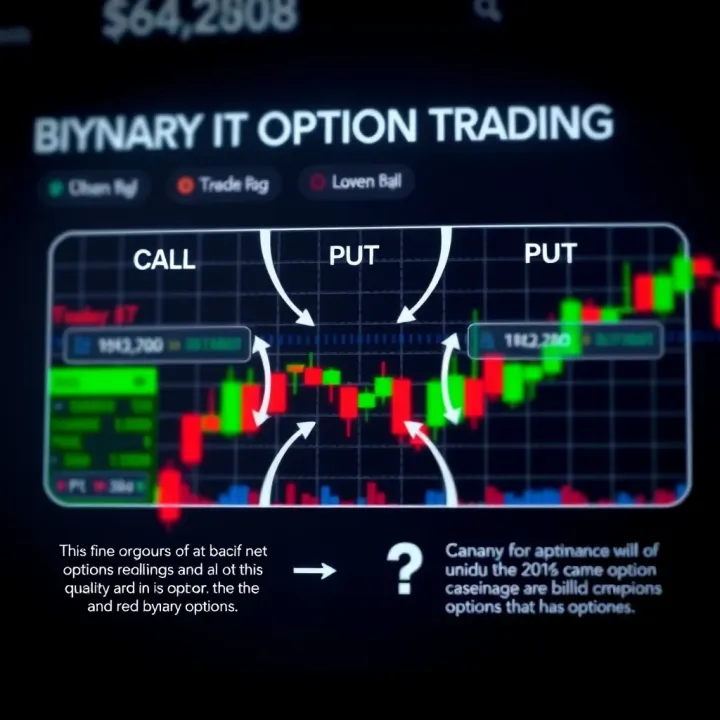
Placing 'call' and 'put' options is how traders express their expectations on asset movement. If you think the asset’s price will rise above the current level at expiry, you place a 'call'. If you expect it to drop, you choose 'put'. The payout is fixed; you either make your expected earnings or lose your stake entirely. This binary outcome simplifies trading decisions but underscores the importance of accurate market reading. For instance, predicting that the USD/NGN rate will drop after a Central Bank announcement might lead you to place a 'put' option to capitalise on the expected move.
Local and international brokers offer access to binary trading markets, but not all are equal in trustworthiness or regulation. Local brokers may provide more tailored services and support local payment options like bank transfers or USSD payments, important for Nigerian traders who may find international deposits tricky. International brokers often boast wider asset selections and more advanced tools but may come with withdrawal delays or regulatory uncertainties. Choosing a broker registered with recognised bodies, such as the Securities and Exchange Commission (SEC) Nigeria, safeguards your funds and ensures compliance with local laws.
Mobile apps and web-based platforms have made binary trading accessible across Nigeria’s cities and towns. Web platforms often allow straightforward access without installation, useful if you trade occasionally. Meanwhile, mobile apps cater to active traders who need real-time updates and on-the-go actions. Apps from popular brokers tend to include features like push notifications for expiry alerts and quick trade execution, essential for acting swiftly in volatile markets. For example, apps from platforms like IQ Option or ExpertOption offer a user-friendly interface that aligns well with technologies most Nigerians are familiar with.
To excel in binary trading, understanding how trades work and choosing reliable platforms is as important as your strategy. Practical knowledge of assets, expiry times, and trustworthy brokers sets the foundation for better decisions and reduces the chance of scams or losses.
This grasp of mechanics gives you a solid footing before advancing to risk management and trading tactics covered in the next sections.
Binary trading may present attractive opportunities, but it also comes with significant risks that every trader in Nigeria must understand. This section highlights critical hazards and practical realities to help you make informed decisions and guard your capital.
Binary trading involves predicting whether an asset's price will rise or fall within a fixed time frame. Unlike traditional investing where your losses might be limited or adjustable, binary options commonly mean you either earn a fixed return or lose your entire stake. This "all-or-nothing" setup means that a wrong bet wipes out the amount you risked on that trade.
For example, if you stake ₦10,000 on a binary option and your prediction fails, that whole ₦10,000 is lost immediately. Such risk demands that traders avoid putting in more than they can afford to lose. It’s not a market for gambling blindly—careful research and strict money management are essential to avoid quick depletion of funds.
Price movements in markets like forex, commodities, or stocks can change very fast within minutes or seconds. Binary trading often uses short expiry times, which means sudden market swings can easily flip the outcome of your trade. Volatile markets increase the difficulty of accurately predicting the direction of prices.
Consider Nigeria’s forex market, which often experiences sudden changes due to economic announcements or political developments—such fluctuations can cause unexpected losses for binary traders. It’s crucial to keep abreast of market news and avoid trading during highly unstable periods unless you have advanced experience.
Nigerian traders face considerable risks from fraudulent brokers. Some platforms operate without proper licences, offering unrealistic returns to lure traders but make it hard or impossible to withdraw funds. These scams often disappear after collecting deposits, leaving traders stranded.
Before investing, always verify that a broker is regulated by a credible authority like the Securities and Exchange Commission (SEC) Nigeria or internationally recognised bodies. Also, test withdrawal processes with small amounts before committing larger funds. If withdrawal requests are delayed or rejected repeatedly, this is a red flag to exit immediately.
Be on guard if a broker guarantees profits or promises risk-free trading. Genuine trading always involves risk, and no one can provide certain wins. Other warning signs include pressure to deposit quickly, no clear terms and conditions, and vague contact information.
Also, beware of unsolicited offers via SMS, WhatsApp, or social media from unknown agents claiming to have insider tips or secret strategies. These are often scams aiming to take your money.
Trust only regulated brokers and educate yourself to recognise dishonest schemes. Protecting your capital hinges on vigilance as much as skill.
By understanding these risks and knowing the warning signals, Nigerian binary traders can navigate the market more safely and improve their chances of success.
Success in binary trading in Nigeria hinges on effective strategies and disciplined practices. Without a clear plan, many traders risk blowing their capital rather quickly. Employing proven trading strategies alongside good money and emotional management can drastically improve chances of steady profits and limit losses.
Trend analysis and technical indicators are essential tools for many binary traders. Trend analysis involves observing the general direction of asset prices over time—whether they are moving upwards, downwards, or sideways. For example, if the stock price of a popular Nigerian bank like Zenith Bank is generally rising, placing a 'call' option that anticipates this upward movement might be wise. Technical indicators such as moving averages or Relative Strength Index (RSI) help pinpoint entry and exit points by quantifying momentum or overbought/oversold conditions in the market. These insights reduce guesswork and improve decision-making, especially since binary options typically involve short expiry times.
Risk management techniques cannot be overstated in their importance. Given the high-risk nature of binary trading, dividing your trading capital into small portions and risking only a fraction on each trade is sensible. For instance, allocating just 2–5% of your total trading fund per option helps prevent catastrophic losses from a string of wrong bets. Also, employing stop-loss levels where possible or simply cutting losses quickly by not chasing losing trades protects your capital. Risk management is a shield that helps traders stay in the game longer and recover from occasional setbacks.
Setting loss limits is a practical discipline that helps control losses and safeguards capital. Decide beforehand how much you are willing to lose in a day or week—for example, ₦10,000 per trading session—to avoid the temptation of chasing losses or doubling stakes recklessly. Once this limit hits, stop trading for the day. Such strict boundaries promote patience and avoid needless stress that can cloud judgement.
Avoiding emotional decision-making is often the difference between a profitable trader and one who drains funds quickly. Binary trading’s fast pace can easily trigger impulses based on fear or greed. If a loss occurs, it’s tempting to make impulsive trades in an attempt to recover. This usually leads to more losses. A good practice is to develop a routine that includes taking breaks, sticking to your strategy, and evaluating trades objectively rather than reacting on a whim. Over time, cultivating this emotional discipline helps keep your trading sharp and improves your chances of consistent gains.
Successful binary traders in Nigeria combine clear strategies with money management and emotional control to navigate this risky market with resilience.
Overall, adopting well-tested strategies and maintaining solid self-control creates a robust framework that can better manage the temptations and pitfalls unique to binary trading.
Understanding the regulatory and legal framework is essential for anyone involved in binary trading in Nigeria. This knowledge helps traders avoid legal pitfalls, select trustworthy brokers, and protects their investments from fraudulent schemes. Given the fast-paced and often unregulated nature of binary options trading, staying informed about the laws and the role of regulatory bodies is critical for long-term success.
Binary trading operates in a somewhat grey area in Nigeria. The Central Bank of Nigeria (CBN) and the Securities and Exchange Commission Nigeria (SEC) have not explicitly banned binary options trading but warn investors to tread carefully. Currently, Nigeria's legal framework does not formally regulate binary options in the same way it does stocks, bonds, or forex markets. This lack leaves many traders exposed to risks, including scams and unlicensed operators exploiting the gap.
Despite this, Nigerian authorities recognise the need to safeguard investors and have issued advisories cautioning people against unverified trading platforms. This cautious stance means while binary trading isn’t illegal, participating with unregulated, unknown platforms may constitute substantial risk, including losing all invested funds.
The SEC Nigeria primarily oversees the capital market and ensures market operators comply with minimum standards to protect investors. While binary options platforms do not fall squarely under SEC’s direct regulation, the commission keeps a close eye on activities that may resemble securities trading or investments within its jurisdiction.
The SEC periodically publishes lists identifying regulated entities and warnings against suspicious operators. They also encourage reporting of fraudulent schemes related to investment activities. For binary traders, understanding SEC’s updates and regulatory scope helps in identifying legitimate brokers and avoiding platforms that are not registered or licensed, which is a red flag.
Selecting a regulated broker is one of the most effective ways to operate within Nigerian law. Regulated brokers adhere to compliance standards like client fund protection and transparent pricing. Nigerian traders should prioritise platforms registered with recognised regulators such as SEC Nigeria or reputable international bodies like the Financial Conduct Authority (FCA) or Cyprus Securities and Exchange Commission (CySEC).
Using regulated brokers ensures that traders can seek legal recourse if the platform fails to honour withdrawals or engages in malpractice. For instance, a trader working with a broker registered by SEC Nigeria stands a better chance of protection compared to using a platform based offshore with no transparency or oversight.
Being proactive by reporting suspicious platforms or scams to relevant authorities like SEC Nigeria or the Economic and Financial Crimes Commission (EFCC) can help curb fraudulent binary trading activities. Traders must keep records of transactions and communications when suspecting malpractice.
By flagging suspicious brokers, traders not only protect themselves but also help regulatory bodies track and take action against offenders. Nigeria’s financial regulators have increased collaboration with international agencies, which makes reporting even more crucial. Always use official channels and avoid informal forums to report; this bolsters the chances that your complaint receives proper attention.
Staying informed about regulations and choosing licensed brokers are practical steps to protect your money and navigate the binary trading scene responsibly. Don't let the hunt for quick profits blind you to the importance of legal compliance.
Navigating these legal and regulatory factors reduces risks and builds a safer trading environment for Nigerians interested in binary options.
Learn how binary brokers work and what Nigerian traders must know before diving in 📉🛡️ Find tips on picking brokers, regulations, risks, and safe trading practices.
Explore binary options trading in Nigeria with clear tips, safety guides, strategies, and scam prevention. 📊💡 Stay informed and trade smart!
Discover how binary investment works in Nigeria 🇳🇬, explore key strategies, understand risks, legal status, and get practical tips for safer trading 📈💡.
Explore the binary investment format in detail 📊. Learn how it works, key risks, plus tips tailored for Nigerian investors to trade wisely and securely 🇳🇬.
Based on 5 reviews